Identify the portafilter you actually own
Start with the machine model, the portafilter model and the existing basket’s part number. If you have replaced the original portafilter, tell the basket maker which replacement you use; the machine name alone leaves out an important part of the setup.
There is no single universal basket diameter. Alongside familiar sizes, Pesado’s size guide identifies 49 mm, 51 mm and proprietary systems. Use your equipment documentation to establish the starting size.
Even a matching number can mislead. The Pesado 54 mm high-extraction basket page explicitly says it does not fit the factory Breville 54 mm portafilter. That restriction concerns this basket, not every replacement sold for Breville machines. Look for compatibility with the exact combination you own.
Separate diameter, basket height and clearance
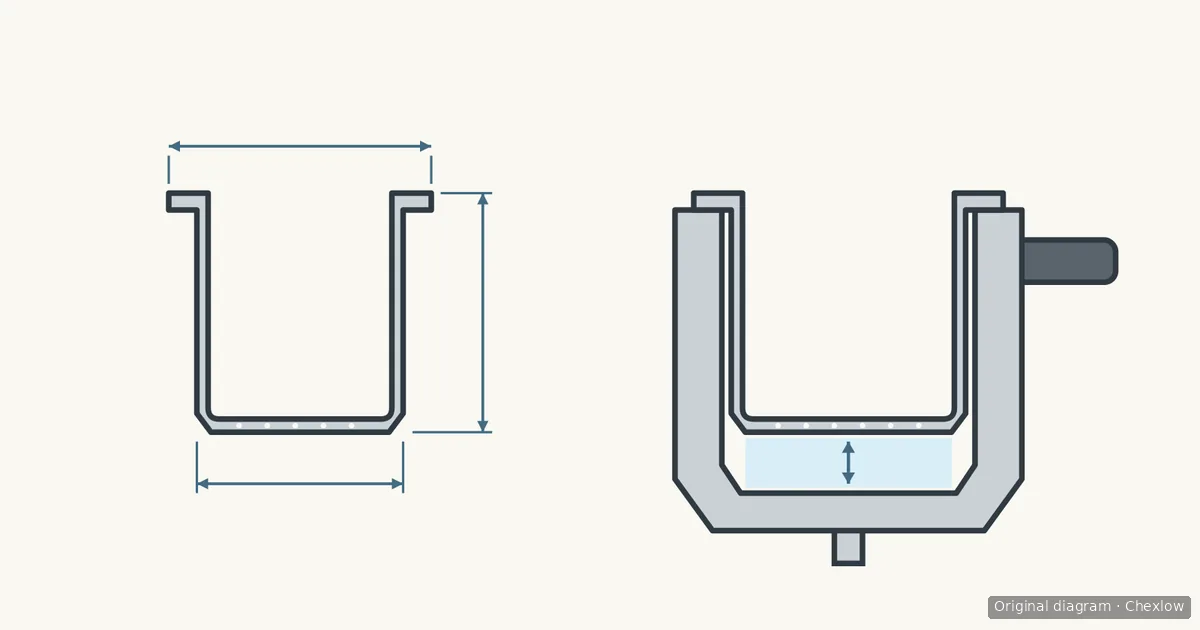
A specification can contain several different diameters. The IMS B702TH26.5M specification lists a 70 mm border, a 60 mm body, a 26.5 mm height and a 58/58.4 mm tamper specification. Those numbers describe different parts; they are not interchangeable measurements of the opening.
Ask for a dimensioned drawing of the candidate and compare it with your existing basket and portafilter documentation:
- Rim and body. Check which diameter each number describes and whether the maker confirms that the basket seats correctly.
- Basket height. Confirm the stated overall height rather than judging depth from a product photograph.
- Space underneath. Ask whether that height clears the interior of your exact portafilter, including any internal insert.
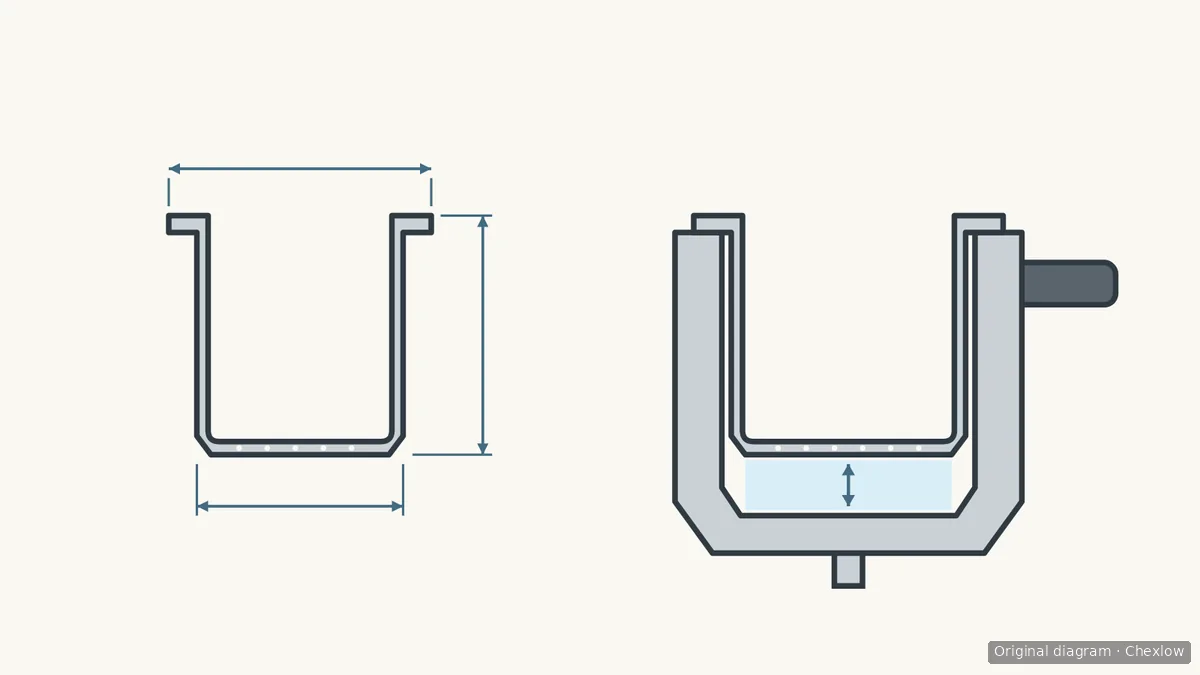
The diagram separates these checks; it is not a scale drawing or a compatibility certificate. The space below the basket is also different from the brewing space above the coffee. If the manufacturer does not document the fit, send the model numbers and drawings before ordering rather than inventing a universal clearance allowance.
Match the basket to your usual dry dose
Dose means the weight of ground coffee you put into the basket, not the weight of espresso in the cup. Weigh your usual dose with a suitable scale you already own, then look for the exact basket’s recommended range. If you need help choosing a scale, see scale resolution, capacity and physical fit.
For a concrete example, Pesado’s guide lists its medium 58 mm high-extraction basket at 23.5 mm deep with a 17–19 g range. An 18 g recipe falls within that stated range, but this does not establish compatibility with your portafilter.
Capacity is not one fixed number for every coffee. IMS lists 18–20 g for dark, 19–21 g for medium and 22–24 g for light roast in the B702TH26.5M. Its tests used a dark 80% Arabica/20% Robusta blend, medium 100% Arabica Brasile and light Ethiopia single origin. Treat those as the maker’s stated test conditions, not a promise that every coffee with the same roast label will fit identically.
Headspace is the space between the prepared coffee and the shower screen above it. Pesado explains that overfilling a shallow basket reduces that space. Follow the instructions for your machine and basket instead of increasing the dose simply because more grounds can be piled in. If your normal recipe lies outside the stated range, compare a different capacity before changing the recipe to justify the purchase.
Check the tamper, then make the purchase decision
Keep your existing tamper if the candidate’s specification supports its size. For example, the Pullman Filtration876 22–25 g page states suitability for 58–58.4 mm tampers. That is a specification for those baskets, not a universal tamper rule.
Your final shortlist should answer four questions: does the maker confirm the exact portafilter combination, do the dimensions and internal clearance work, does the stated dose range cover your recipe, and does your tamper fit?
- All four are confirmed. The basket is a purchase candidate; retain its specification and compatibility information.
- One answer is missing or contradictory. Ask the maker or seller about that exact point and check return conditions before buying.
- The existing basket already meets your needs. Keep it unless you can name a specific limitation the replacement would solve.
When the replacement arrives, follow the equipment instructions for fitting it. If it will not seat normally, or you find damage, stop and resolve the fit with the supplier rather than forcing it into place.
Wie dieser Guide entstand
Written by AI for Chexlow, using manufacturer specifications and guidance from IMS, Pesado and Pullman. The article turns those sources into a replacement-basket checklist; model-specific examples do not establish universal compatibility, and no original product testing was performed.
Original SVG diagrams created for Chexlow