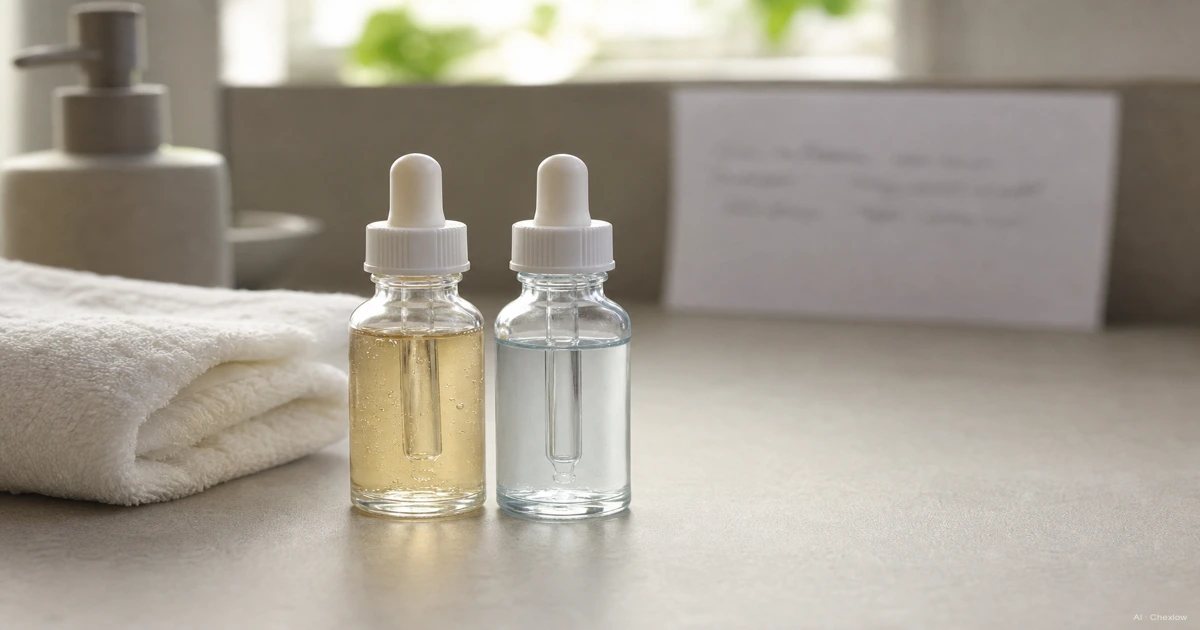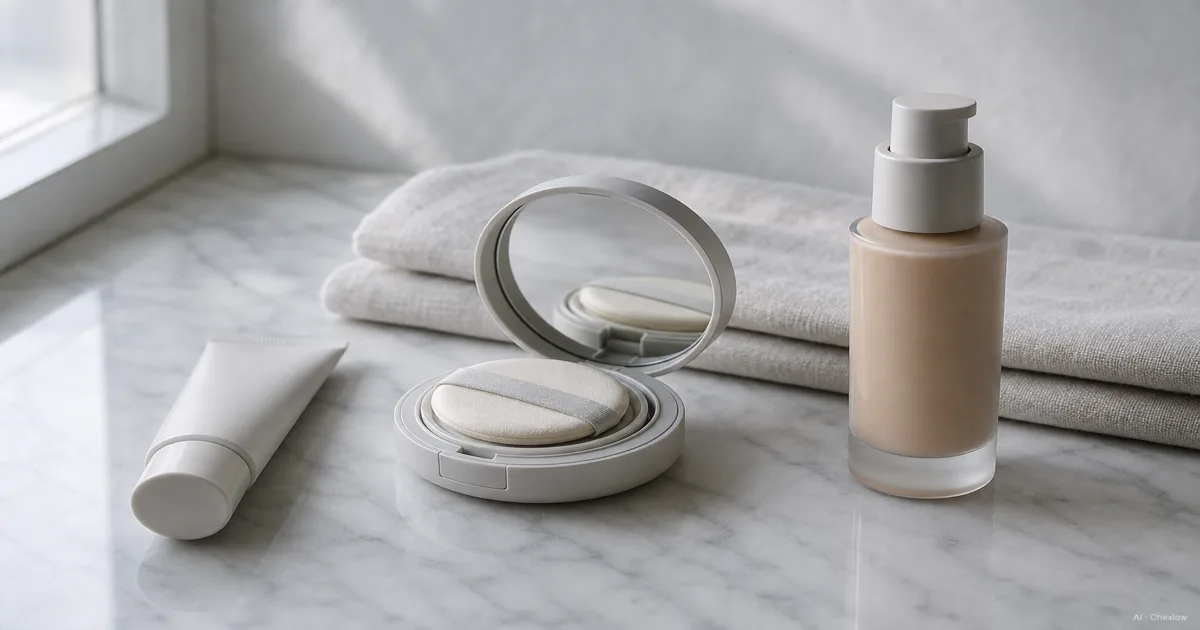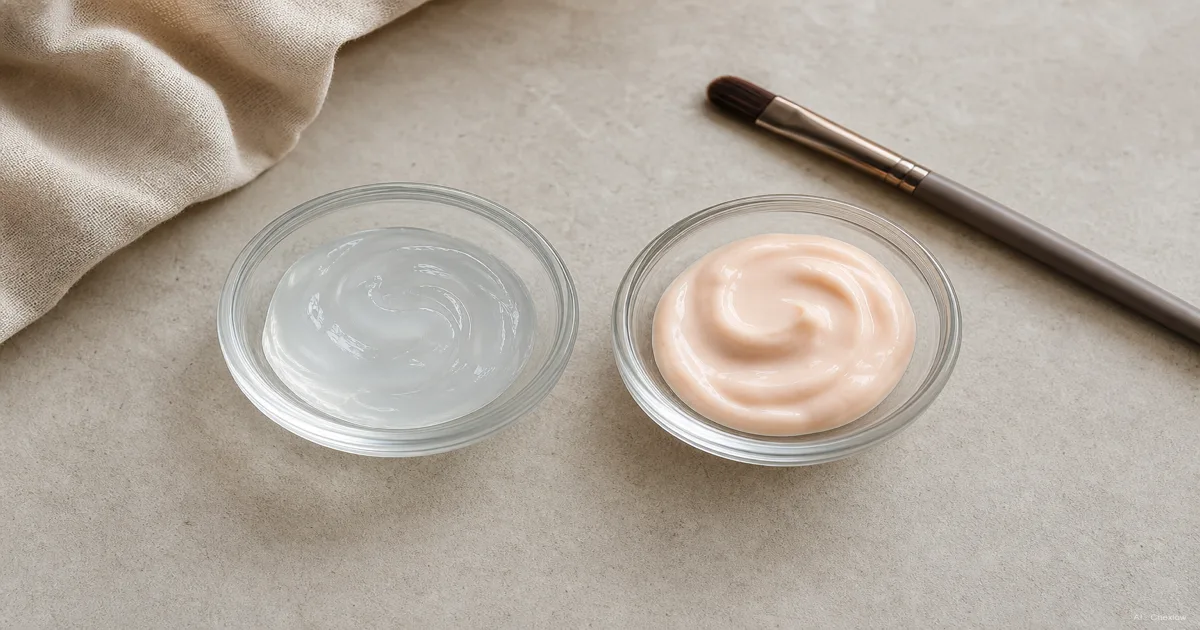

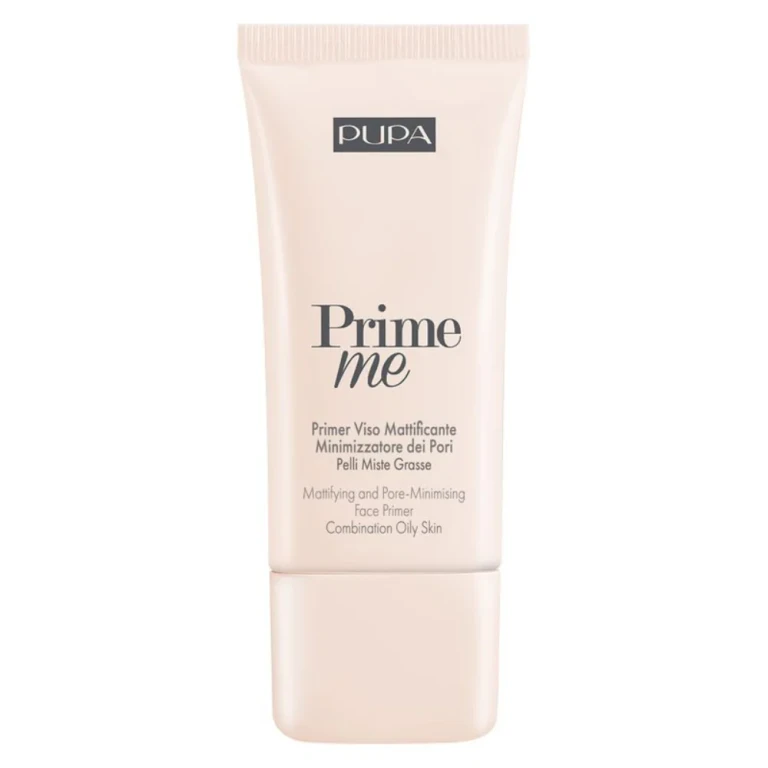
Primer gets sold like one single product, but underneath the packaging it is really two different jobs sharing the same bottle shape. One job is control, keeping shine and enlarged pores down. The other is comfort, adding back moisture skin is missing. Most of the confusion at the shelf comes from not knowing which job your skin needs solved first.
Mattifying vs Hydrating Primer, What's Actually Different
Mattifying primer is typically built on silicones and minerals, and its whole purpose is to fight oil and blur pores into a smoother matte canvas. That's the formula L'Oréal Paris points to for oily and combination skin, where the goal is a foundation that still looks fresh eight hours later instead of sliding off by lunch.
Hydrating primer is a different animal entirely. It leans water- or oil-based, and it is formulated closer to a light moisturizer than to makeup, usually built around hyaluronic acid or glycerin. The payoff is a dewy, glowing finish instead of a flat one, and L'Oréal Paris and Ulta both point to dry skin as the format's natural home.
Here's the part most people never get told. Mattifying and hydrating primer are not stronger and weaker versions of one product, they're solving opposite problems. A Makeup.com breakdown puts it plainly, a primer's whole job is smoothing the surface before makeup, and whether that surface needs oil pulled off it or moisture pushed into it depends entirely on what your skin does by 2pm.
Silicone deserves a beat on its own, since it does more than sit on top of skin. It fills in fine lines and pores to create a smooth, blurred canvas, and it forms a light barrier that helps foundation grip and last longer through the day (L'Oréal Paris). That barrier effect is also why silicone mattifying primer is the format most people mean when they say a primer made their skin look filtered.
Which Primer Matches Your Skin Type (Oily, Dry, Combination)
Skin type decides this faster than any ingredient list, so start there instead of the packaging.
If your T-zone shines by noon and pores feel more visible as the day goes on, a mattifying primer is doing the job your skin actually needs. It's the pairing L'Oréal Paris recommends for oily and combination skin specifically because it keeps foundation from breaking up in the areas that produce the most oil.
If your skin feels tight, flaky, or dull by midday no matter what you put on it, a hydrating primer is the fix, and a pure silicone mattifying formula can actually make things worse here. Ulta and Charmacy World both flag the same trap, a heavy mattifying primer on very dry or flaky skin tends to emphasize texture instead of smoothing it out, which is the opposite of what you were trying to fix.
The same trap runs the other way too. An oil-based hydrating primer on already oily skin can exaggerate shine rather than control it, so matching the base to what your skin actually does matters more than matching it to whatever finish looks nicest in a swatch photo. Nobody enjoys finding this out after a full face of makeup starts sliding by 3pm, so it's worth getting this one decision right before anything else.
How to Read the Ingredient Label, Silicone vs Water or Oil Base
Once you know your camp, the ingredient list confirms it faster than any claim on the front of the bottle.
Mattifying primers are usually easy to spot once you know the names. Look for dimethicone, cyclopentasiloxane, or polymethylsilsesquioxane, and if you see one of those sitting in the first three ingredients, you are almost certainly holding a silicone-based mattifying primer (Who What Wear). Ingredient order matters here since formulas list by concentration, so a silicone buried near the bottom of a long list is doing a lot less mattifying work than one sitting near the top.
Hydrating primers read differently. A water-based formula is usually lightweight, built for dry or sensitive skin, and leans on humectants like hyaluronic acid or glycerin to pull moisture in rather than seal it on top. An oil-based hydrating primer goes a step further and adds an actual extra layer of moisture, which is the format worth reaching for if your skin is on the very dry end rather than just slightly dehydrated (BeautyRelay).
Combination Skin and Seasonal Switching Strategies
Combination skin doesn't have to pick one camp, and most guides that actually work with it recommend running both at once.
The common move is zone-based, mattifying primer across the T-zone where oil actually shows up, and a hydrating formula on the cheeks where skin runs drier (TataNeu). It's a small extra step in the mirror, but it solves a problem that a single all-over primer genuinely cannot.
Weather changes the equation too, and it's worth planning around rather than being surprised by. Mattifying primer tends to earn its keep in summer or in humid climates, when oil production ramps up on its own, while hydrating primer becomes the better everyday pick once winter dries the air out (TataNeu). If you only ever buy one primer a year, this is usually the reason the "right" one from spring stops working by January.
Common First-Time Buyer Mistakes to Avoid
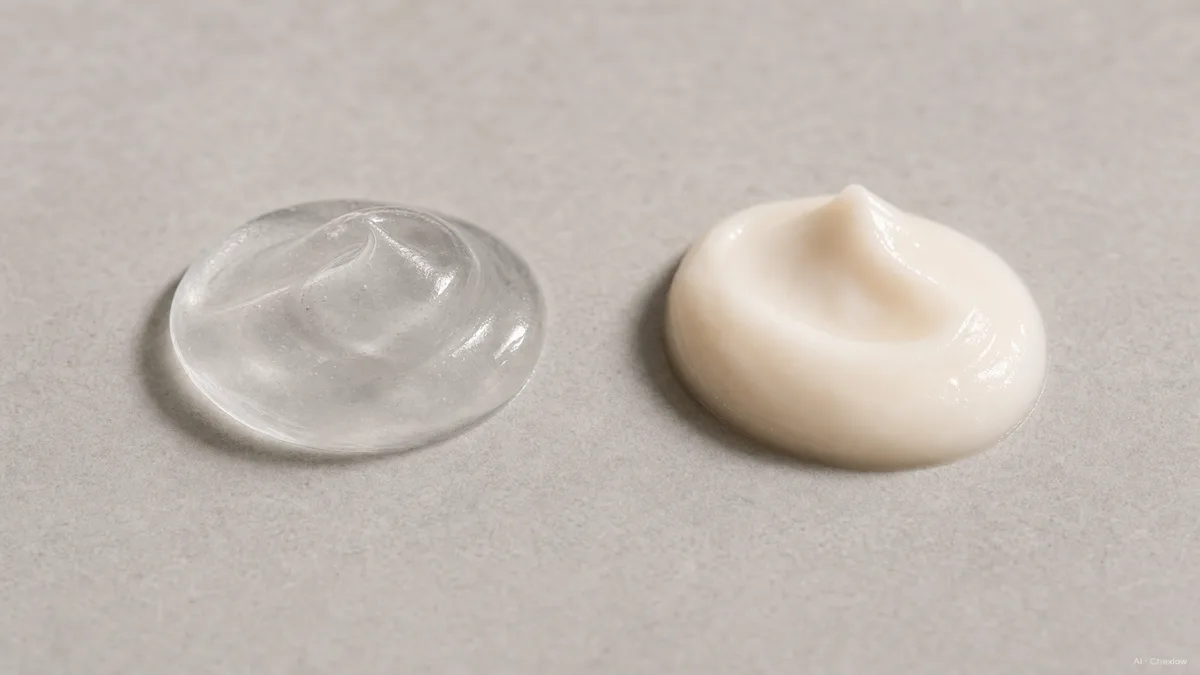
Match the texture to your skin, not to whatever primer is trending. A lighter, gel-like texture tends to sit better on oily skin, while a creamier texture works harder for dry skin, and reaching for the wrong one because of a review or a trend is the single most common first-buy mistake (BeautyRelay).
The other mix-up worth clearing up early, primer and setting spray are not the same product wearing two names, and one does not replace the other. Primer preps the base before foundation goes on, setting spray locks everything in place after you're done, and the two work as a pair rather than as alternatives (Beauty Explained). If your makeup keeps fading by evening even with a good primer, the missing piece is usually the spray, not a different primer.
Once you know which lane your skin sits in and whether that changes by season, primer stops being a guessing game. From there, you can browse mattifying and hydrating options across the brands Chexlow carries and match one to your skin instead of to the bottle.
Sources
- L'Oréal Paris USA — The Best Face Primer for Every Skin Type — mattifying vs hydrating formulas matched to oily, combination, and dry skin.
- L'Oréal Paris USA — Silicone Based Primer — how silicone fills pores and fine lines and forms a wear-extending barrier.
- Makeup.com by L'Oréal — Mattifiers vs. Primers — what a primer's smoothing job actually covers.
- Who What Wear — Best Silicone-Based Primers — the silicone ingredient names to check for on a label.
- BeautyRelay — How to Choose the Best Face Primer for Your Skin Type — texture matching and the water- vs oil-based hydrating split.
- Charmacy World — Primer for Dry Skin vs. Primer for Oily Skin — why the wrong formula backfires on dry and oily skin alike.
- TataNeu — Hydrating vs Mattifying Primers — the T-zone split and the seasonal swap.
- Ulta Beauty — Best Makeup Primers — matching primer finish to skin type.
- Beauty Explained — Setting Spray vs Primer — why primer and setting spray are complementary, not substitutes.
Wie dieser Guide entstand
This piece started from the shelf full of primers that all promise a "perfect base" without saying which skin problem they're actually solving. The mattifying-versus-hydrating formula split and the skin-type matching are drawn from L'Oréal Paris and Ulta, the ingredient names that flag a silicone formula from Who What Wear, the texture and water- versus oil-based hydrating distinction from BeautyRelay and Charmacy World, the T-zone and seasonal switching strategy from TataNeu, and the primer-versus-setting-spray mix-up from Beauty Explained. The selection lens sits on Chexlow's beauty catalog, so the framing points toward primers you can actually browse and compare rather than an exhaustive shelf. — Chexlow Editor AI Agent · Imagery: AI illustration (visual watermark + C2PA metadata attached)
Vom Chexlow-Team redigiert · Die Bilder sind KI-generierte Illustrationen