

Start with the makeup you need to remove
Look at your usual foundation, mascara and sunscreen before picking a remover. Make a shortlist around their removal instructions, then choose the method you will actually use.
- Light makeup and a preference for wiping. Micellar water is a practical starting point. Its micelles are clusters of cleansing molecules that lift oil and makeup; it is more than plain water. Heavy or waterproof makeup can need additional cleansing. Cleveland Clinic explains the distinction.
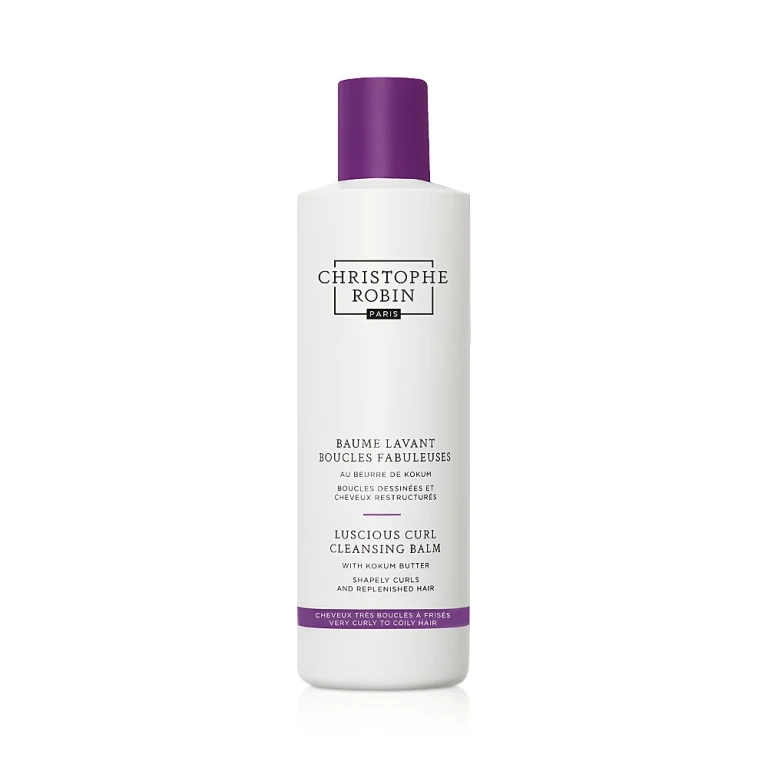
- Long-wearing makeup and a preference for rinsing. Consider a balm explicitly intended for that job. Clinique’s Take The Day Off balm, for example, names long-wearing makeup, waterproof eye makeup and sunscreen.
- Waterproof makeup but you want a liquid. Do not rule out micellar water as a whole. Garnier’s All-in-1 Waterproof version is specifically formulated for it. That claim belongs to this version, not every micellar bottle.
These are examples of what to check on a label, not a ranking of brands.
Compare the routine, not just the texture
Micellar water: a pad and gentle wiping
Bioderma’s Sensibio H2O instructions specify soaking a cotton pad, removing makeup gently and no required rinse. Use your chosen bottle’s directions, including whether it is suitable around the eyes. A no-rinse claim is product-specific.
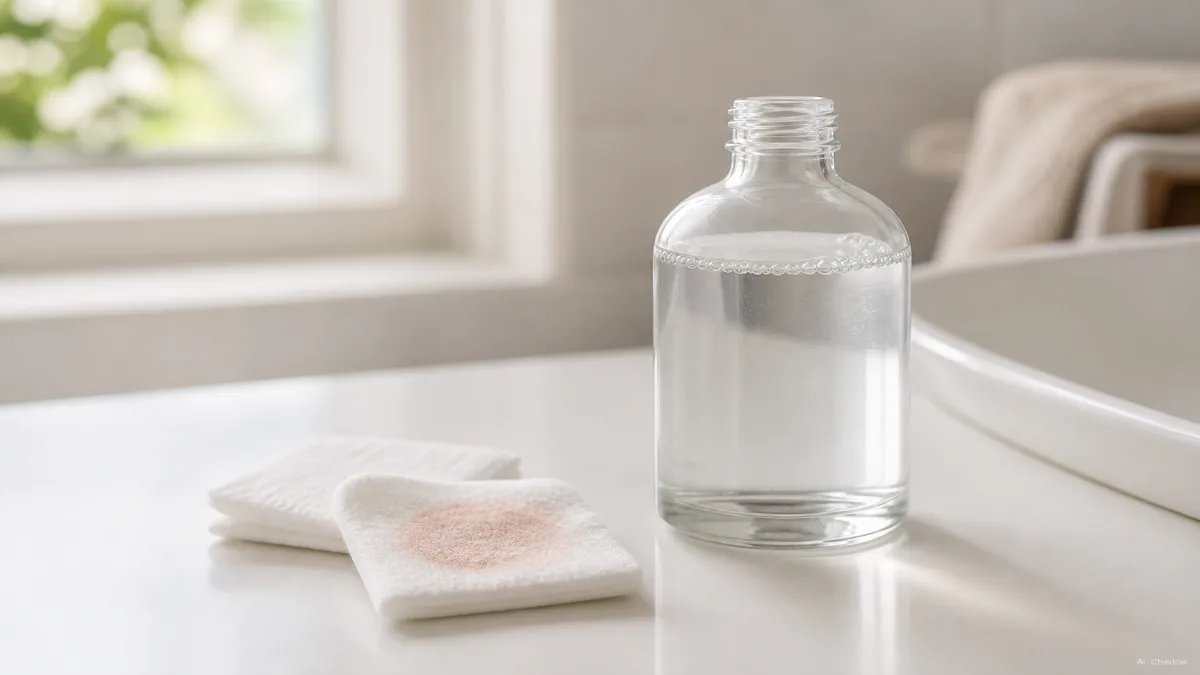
Cotton pads are a working part of this method, so include replenishing them in your choice. Buy plain application pads, not pre-soaked exfoliating or treatment pads.
Balm: fingertips and a thorough rinse
For the Clinique example, massage onto dry skin with fingertips, then rinse thoroughly. The solid turns into oil during application; follow your own balm’s instructions rather than assuming every tub has identical steps.
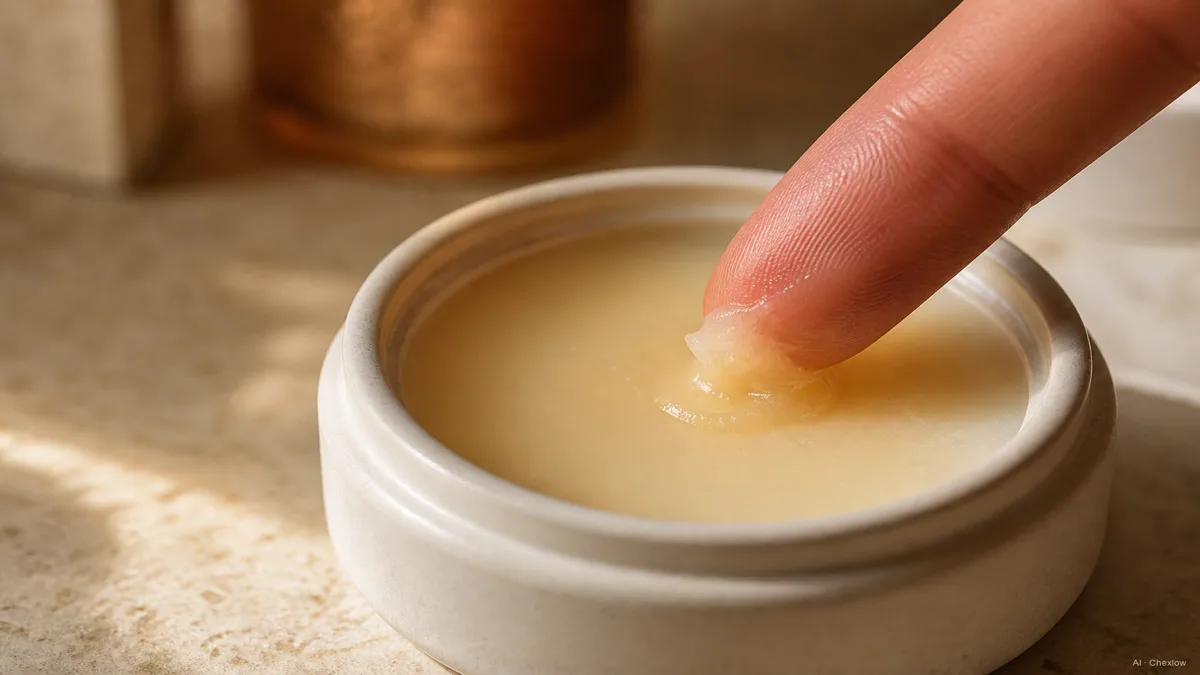
If you dislike handling pads, that may favor balm; if rinsing is inconvenient, it may favor a labeled no-rinse micellar product. Compare the actual pack price and the extras you need rather than assuming one category always costs less.
Whichever you choose, do not scrub to compensate for poor removal. The American Academy of Dermatology’s cleansing advice favors gentle washing, lukewarm rinsing and patting dry.
Let your skin narrow the shortlist
Dry skin does not automatically mean balm: Cleveland Clinic also identifies micellar water as an option for dry and sensitive skin. Judge the particular formula and how you use it, not a skin-type stereotype.
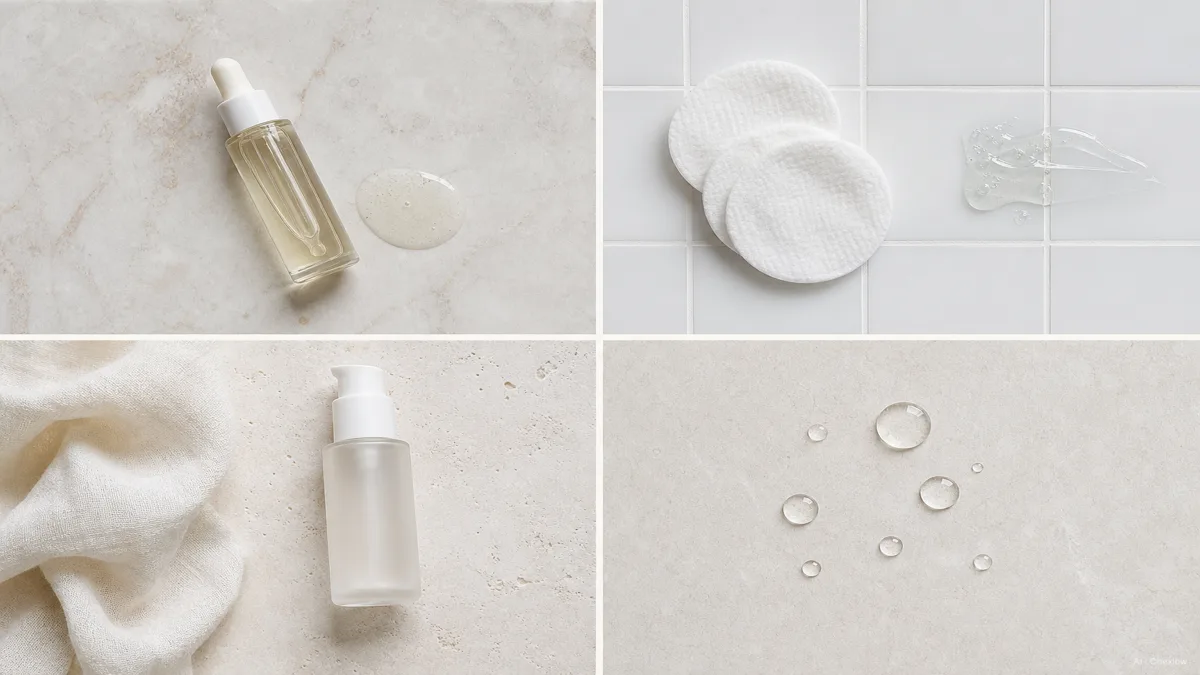
- Breakouts are a concern. Look for a mild product labeled non-comedogenic, meaning formulated not to clog pores. It is a useful screening criterion, not a promise that nobody will react. AAD acne guidance supports this approach.
- Fragrance has caused a reaction. Choose fragrance-free. “Unscented” and botanical ingredients do not necessarily mean fragrance-free. If a product causes redness, itching or swelling, wash it off and stop using it. AAD guidance on product reactions explains when professional help may be needed.
Buy one remover before adding another step
Choose one format that meets your removal needs and fits your routine. Owning a balm does not create a reason to buy micellar water as its automatic follow-up.
Cleveland Clinic’s double-cleansing guidance says most people do not need two cleanses. When additional makeup removal is needed, an oil-based remover can precede a water-based cleanser; micellar water is another possible first removal step.
If you have decided a second cleanse is useful, continue to how to order an oil cleanser and a water-based wash. Use that guide to plan the sequence, not as a reason to add steps to a routine that already works.
Wie dieser Guide entstand
Written by AI for Chexlow, using manufacturer directions from Bioderma, Clinique and Garnier alongside American Academy of Dermatology and Cleveland Clinic guidance. The editorial focus is choosing a first remover by removal needs, application method and tolerance; the product examples illustrate label checks and are not comparative test results.
Vom Chexlow-Team redigiert · Die Bilder sind KI-generierte Illustrationen