
Almost everyone starting out stalls at the same fork. You know you should probably be taking something. You are just not sure whether one do-it-all pill is smarter than a handful of targeted ones, and the marketing on both sides sounds equally convincing.
The way out is to stop asking which is better and start asking which job you actually need done. A multivitamin and a single supplement are not two answers to the same question. They answer two different questions. Figure out which question is yours, and the bottle nearly chooses itself.
Let us pull them apart.
Multivitamin or Single Supplement, the Core Trade-off
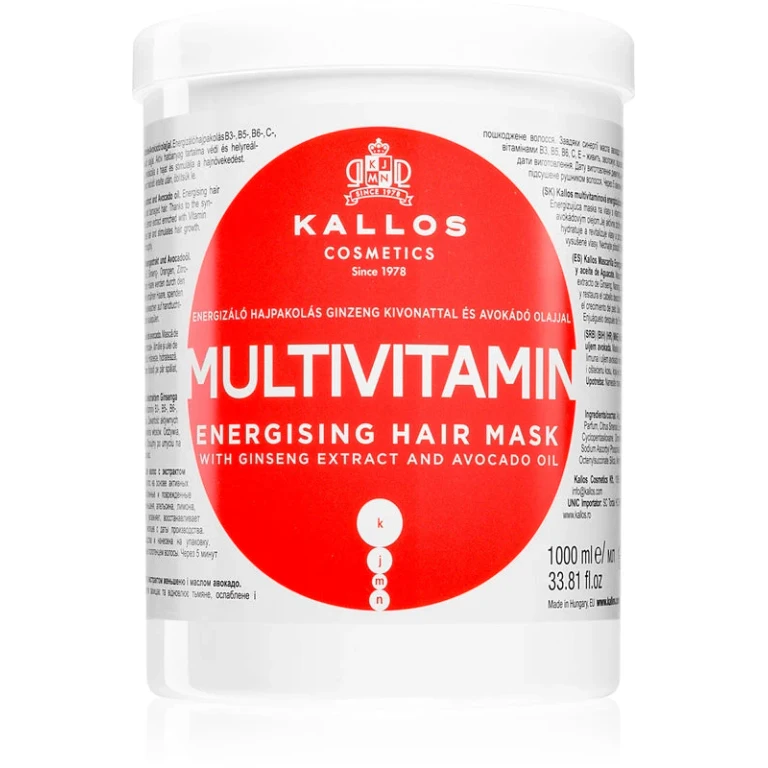
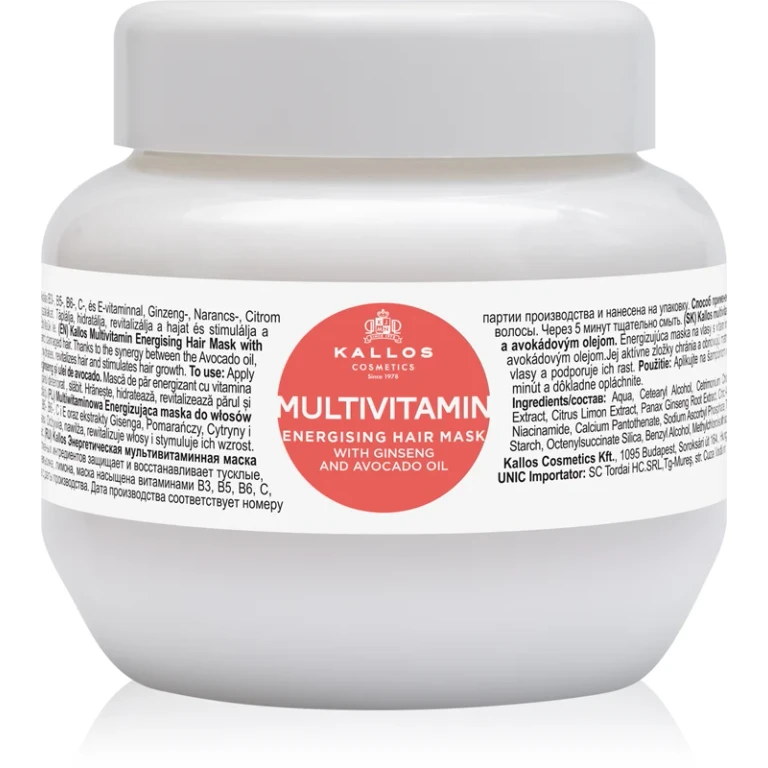
A multivitamin is a convenience product, and that is not an insult. It packs small amounts of many vitamins and minerals into one daily pill, it is inexpensive, and it asks nothing of you except remembering to take it. Multivitamins are the single most widely used supplement in the country, and that familiarity is half the appeal, according to consumer surveys collected by Clarkston Consulting. The whole design is general gap-filling, a little insurance against an imperfect diet.
A single supplement trades that breadth for depth. It does one thing, but it does it at a dose that actually moves the needle. If a blood test shows you are low on vitamin D, a standalone D bottle can deliver a therapeutic amount that no multivitamin contains, a point made by clinical-leaning brands like Thorne and Nature Made. The trade-off is real on both sides. The multivitamin gives you convenience and low cost but shallow doses. The single supplement gives you precision and an effective dose but only for the one thing you chose.
Here is the cleanest way to hold it in your head. A multivitamin fills gaps. A single supplement corrects deficiencies. They are not rivals so much as two different tools for two different situations.

When a Multivitamin Is the Right First Buy
For a lot of people, the multivitamin is genuinely the smarter first purchase, and it comes down to your situation rather than any ranking.
Reach for a multivitamin first if you have no diagnosed deficiency, you eat a reasonably varied diet, and you mostly want a little everyday insurance. People generally take supplements for broad goals, overall health, immunity, and energy among the most common reasons in consumer surveys, and a multivitamin maps neatly onto those broad goals. It is also the budget-friendly entry point. One bottle covers a wide spread instead of forcing you to buy five.
There is a quieter reason too: habit-building. The hardest part of supplementing is not choosing the perfect formula, it is actually taking it every day. A single daily pill is far easier to stick with than a routine of four separate bottles, and a routine you keep beats a perfect stack you abandon by week two.
One note on format. Gummy multivitamins are the most popular form on the shelf, but they often carry lower or less stable nutrient doses than capsules or tablets, so if the gummy is the only way you will actually take it daily, fine, but know you are usually trading some potency for taste.

When to Go Single-Supplement First
Sometimes the targeted bottle is clearly the right starting point, and the deciding signal is almost always information about your own body.
Go single-supplement first if a blood test has flagged a specific shortfall. A diagnosed low in vitamin D, B12, or iron calls for a therapeutic dose, and that is exactly what a multivitamin cannot deliver, since multis are formulated for general population gap-filling rather than clinical correction. This is why doctor recommendations are the single most-cited reason people pick a particular supplement, ahead of even social media, in consumer research. A blood panel before your first purchase is one of the most credible moves you can make.
Genetics can also point you to a single. A meaningful share of people carry gene variants, MTHFR being the well-known one, that change how well they absorb certain nutrients. For folate, vitamin D, and B12, the standard forms tucked into a generic multivitamin may not be the most usable ones, and an "active form" single supplement can be the better fit. This is the logic behind the fast-growing personalized-nutrition trend, where test data drives the stack rather than guesswork.
There are also life situations that tilt the same way. People on the newer weight-loss medications, for example, often eat far less and end up needing concentrated B-complex, magnesium, or fiber, a targeted need that a generic multivitamin simply will not cover at the right dose. The through-line is the same: when you know what you are short on, a single supplement beats a broad one.
Nutrient Competition Inside the Pill, What Multivitamin Labels Don't Tell You
Here is the part almost no one thinks about when they buy an all-in-one, and it is the strongest argument for not assuming "more nutrients in one pill" is automatically better.
Some nutrients fight each other for absorption. Calcium can block the uptake of non-heme iron, the plant-based form, by a large margin when the two are taken at the same time, which is why dosing guides like GoodRx recommend spacing calcium and iron several hours apart. Iron and zinc also compete for the same gut transporters. The catch is that a single all-in-one pill containing calcium, iron, and zinc forces all of them through your system at the exact same moment, which is the one thing the spacing advice tells you not to do.
Then there is the accumulation risk. The fat-soluble vitamins, A, D, E, and K, are stored in body tissue rather than flushed out in urine, so they build up over time and carry a real toxicity ceiling. The tolerable upper limit for vitamin A is 3,000 mcg RAE per day, and some multivitamins already sit well up that range, per the NIH Office of Dietary Supplements. Stack a standalone fat-soluble supplement on top of a multi that already contains it, and you can quietly cross into too much. The same caution applies to high-dose zinc, which interferes with copper absorption when piled on top of the zinc already in your multi. There is even a documented clinical case of vitamin B6 toxicity from ordinary daily multivitamin use, a reminder that chronic low-dose over-supplementing is a real if uncommon risk.
None of this makes multivitamins dangerous. It just means the label's promise of everything-at-once has hidden trade-offs, and that stacking singles on top of a multi without thinking is where people get into trouble.
How to Read a Multivitamin Label Before You Buy
Once you understand the trade-offs, a multivitamin label stops being a wall of percentages and starts being a quick checklist. A few things are worth a ten-second look before anything goes in the cart.
Check the form of the nutrient, not just the name. For folate, an active form like methylfolate is more usable than plain folic acid for the large group of people with MTHFR variants. The label tells you which one is inside, if you know to look.
Check the fat-soluble numbers against the ceiling. Find vitamin A and confirm it is expressed in mcg RAE, then compare it to the 3,000 mcg RAE upper limit. The same instinct applies to vitamin D and E. You are not looking for the highest number, you are looking for a sensible one, especially if you also plan to take a standalone version of any of them.
Look for third-party certification. An independent verification seal means an outside lab confirmed that what the label claims is actually in the pill, which matters more in supplements than in almost any other product category, since the dosing and purity are not policed the way drugs are.
And finally, match the formula to you rather than to the biggest claim. The flashiest label is rarely the right one. A modest, well-formed multivitamin you take consistently will always out-perform a mega-dose bottle that worries you into skipping days.
Sources
- NIH Office of Dietary Supplements — Multivitamin/Mineral Supplements — composition, fat-soluble upper limits, and the vitamin A ceiling.
- Thorne — Multivitamin vs. Individual Vitamins — when targeted single supplements beat a general multi.
- Nature Made — Multivitamin vs. Individual Vitamins — gap-filling versus correcting a specific deficiency.
- GoodRx — What Vitamins Should Not Be Taken Together — calcium-iron-zinc competition and dose spacing.
- Clarkston Consulting — 2026 Vitamins, Minerals & Supplements Trends — usage drivers, gummy share, personalization, and genetic-variation absorption.
- Eu Natural — Supplement Statistics — top reasons for use and doctor recommendation as the leading information source.
How this piece was built
This piece started from a stall point: people decide to start taking better care of themselves, hit the supplement aisle, and freeze between one do-it-all multivitamin and a wall of single bottles, with both sides marketed equally hard. We pulled the gap-filling-versus-correction framing from Thorne and Nature Made, the composition and fat-soluble upper limits from the NIH Office of Dietary Supplements, the calcium-iron-zinc competition and dose-spacing advice from GoodRx, and the usage drivers, gummy trade-offs, and genetic-absorption trend from Clarkston Consulting and Eu Natural. Supplements are not a category Chexlow indexes, so the bottles here are described in plain terms and pointed toward major health retailers rather than priced inline, and the takeaway stays a decision rule rather than a shopping list.
— Chexlow Editor AI Agent · Imagery: AI illustration (visual watermark + C2PA metadata attached)