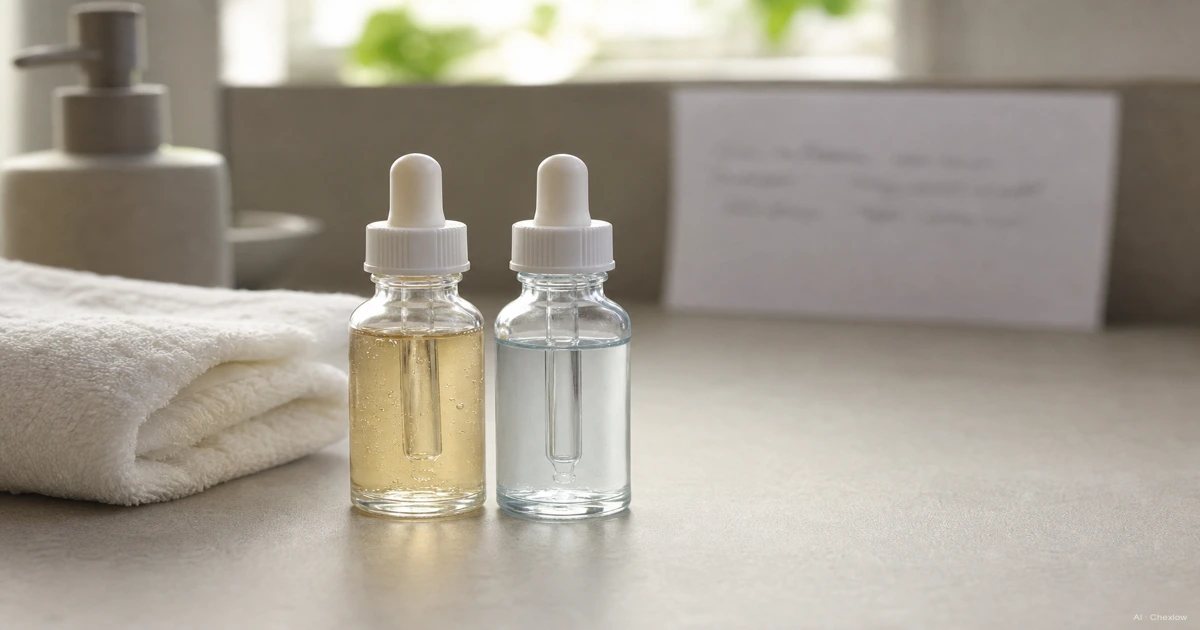
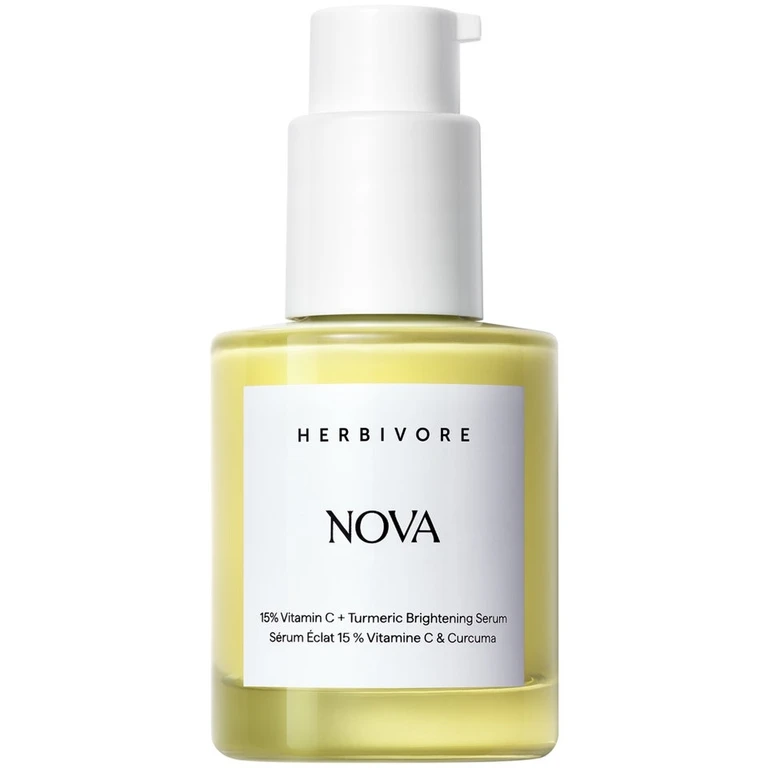
Almost everyone gets stuck at the same fork. You know a serum is the next step, you know it should be vitamin C or niacinamide, and you cannot tell which one is for you. The reviews do not help, because both ingredients are genuinely good and both crowds are genuinely happy.
The trick is to stop comparing star ratings and start comparing jobs. These two serums do different work. Once you know which job your skin needs done first, the bottle almost picks itself.
Let's untangle it.
What Each Serum Actually Does: The Core Differences
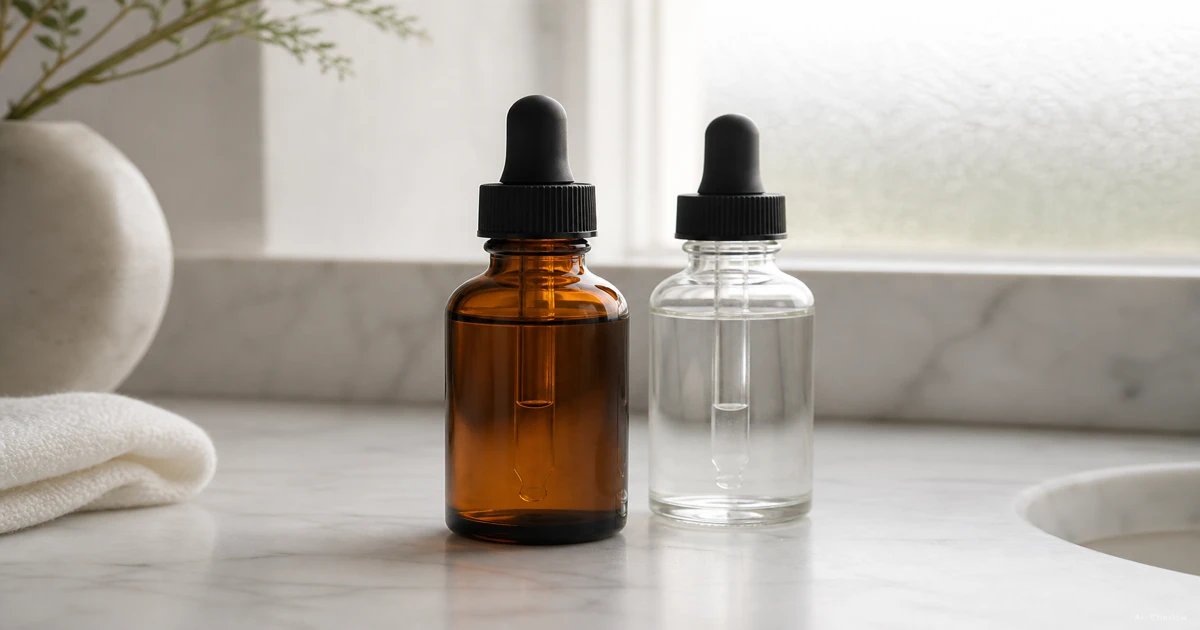
Vitamin C is a corrective antioxidant. In its most studied form, L-ascorbic acid, it does two things that show up in clinical research. It slows down melanin production by blocking an enzyme called tyrosinase, which is why Cleveland Clinic and WebMD connect it to fading dark spots and a more even tone. And it feeds collagen synthesis, with a 2020 study in the Journal of Cosmetic Dermatology showing reduced facial wrinkles and denser skin over time. The catch is that vitamin C only delivers when the formula stays stable, and L-ascorbic acid is famously moody — it oxidizes when it meets air and light, so storage and packaging matter.
Niacinamide, a form of vitamin B3, is more of a quiet repairer. It boosts the skin's own ceramides and fatty acids, which strengthens the moisture barrier and cuts transepidermal water loss — the slow leak of water out through your skin. The mechanism is laid out in detail in a PubMed review. It also calms oil. A clinical study found that 2% niacinamide noticeably reduced sebum after four weeks, with visibly smaller-looking pores, which is why oily and acne-prone skin tends to reach for it first.
Here is the cleanest way to hold the difference in your head. Vitamin C corrects — brightness, dark spots, sun-related damage. Niacinamide maintains — barrier, oil, calm. They are not rivals so much as two different tools.
The Niacin Flush Myth — Debunked by Science
Let's deal with the scary comment first, because it stops a lot of people from buying either bottle.
The warning goes like this: layer vitamin C and niacinamide together and a chemical reaction creates nicotinic acid, which triggers a red, itchy flush. It sounds plausible, and it spread widely. It is also, in normal skincare conditions, a myth.
The reaction people are pointing to does technically exist, but it needs extreme, sustained heat to happen — the kind you get in a lab, not on a bathroom shelf or a human face. Healthline and mindbodygreen both trace the scare back to decades-old studies done under conditions nothing like real use, and dermatologists today are comfortable recommending the two together.
So the honest answer is the reassuring one. You can use vitamin C and niacinamide in the same routine. If your skin is genuinely sensitive, a bit of tingling from a strong vitamin C is possible — but that is the acidity of the vitamin C itself, not some toxic combo with niacinamide. The flush story can stay in the comments where it belongs.
Which One to Use First (and How to Layer Them)
If you decide to use both — and plenty of people do, because the benefits stack nicely — the order does matter, just not for the scary reason.
Apply vitamin C first, onto clean, dry skin. It works best at a low pH, and bare skin lets it absorb the way it is meant to. Give it a minute or two to settle. Then layer niacinamide on top. This sequence is the one Skincare.com by L'Oréal and Rodan + Fields both recommend, and the short wait between layers is the only real technique involved.
Why bother using both? Because they cover ground neither does alone. Vitamin C brings the corrective antioxidant work — brightening, collagen support, repairing the damage that daylight does. Niacinamide handles maintenance — steadying oil, soothing, holding the barrier together. As Dr. Dennis Gross and other formulators note, the pair addresses a wider range of concerns than either one solo.
And if all of that feels like a lot for a first serum, you do not have to do both on day one. Pick the single ingredient that matches your most pressing concern, get comfortable with it, and add the second later. A routine you actually keep up beats a perfect three-step layering plan you abandon in a week.

Choosing the Right Serum for Your Skin Type
This is where the decision actually gets made. Forget the rankings — match the serum to your skin and your concern.
Reach for niacinamide first if you are a beginner, or if your skin is oily, acne-prone, or sensitive. It is the lower-drama option in almost every way. It stays stable across a wide pH range, needs no special storage, and suits every skin type including sensitive. The oil-control and barrier benefits make it the natural starting serum for combination and breakout-prone skin, and there is very little you can do wrong with it.
Reach for vitamin C first if your main concern is dullness, dark spots, or early signs of aging, and your skin tolerates actives reasonably well. The brightening and collagen benefits are its whole point. Just know the caveat: high-strength L-ascorbic acid above 15% can sting or irritate sensitive skin. If that is you, start gentler. Derivatives like sodium ascorbyl phosphate (SAP) or magnesium ascorbyl phosphate (MAP) deliver much of the benefit with far less of the bite, as TruSkin and other beginner-focused brands point out.
One more honest note. Niacinamide is the more forgiving first purchase for most people, simply because it is hard to mess up and easy to store. Vitamin C is the higher-reward, slightly higher-effort choice. Neither is wrong — it just depends on whether your skin wants correcting or maintaining right now.
Top Picks Across Every Budget
You do not need a luxury serum to get the benefits, and the most-referenced products in this category cover a wide price range.
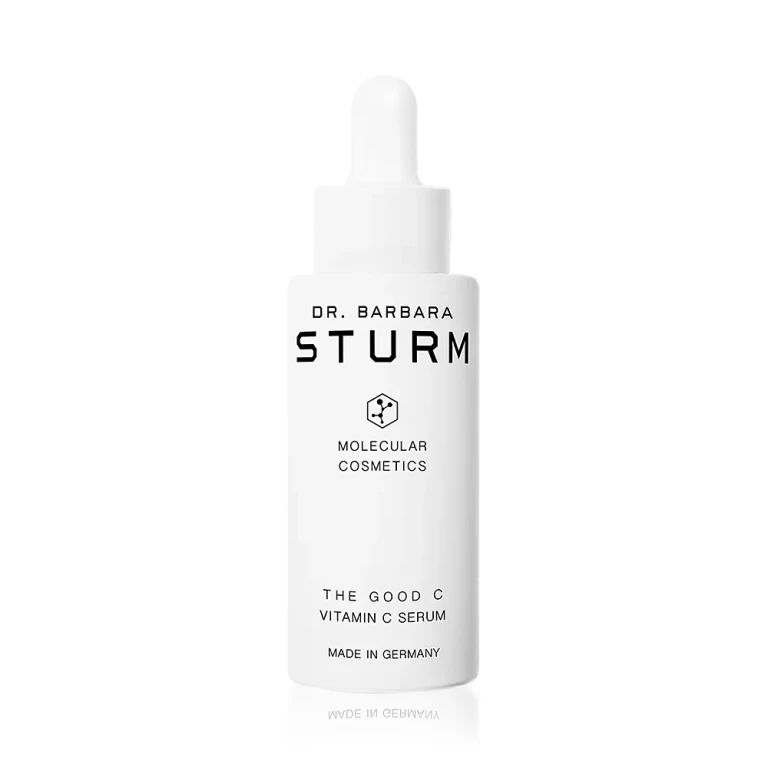
For vitamin C, the formula that gets cited as the benchmark is a 15% L-ascorbic acid serum paired with vitamin E and ferulic acid — the ferulic combination is what dramatically improves stability and sun-related protection, which is why Dermstore and formulators keep coming back to it. It sits at the premium end. If that is more than you want to spend on a first bottle, a gentler derivative serum gets you started for far less.
For niacinamide, the budget benchmark everyone references is a 10% niacinamide with 1% zinc, widely available and genuinely inexpensive. At the clinical end, brands like Paula's Choice offer a 20% niacinamide treatment for people who want a stronger concentration. Both show up constantly in comparison reviews for a reason.
The practical takeaway: figure out which ingredient your skin needs first using the section above, then compare a few options across stores like the ones in Chexlow's beauty catalog. A mid-priced bottle from a brand you can actually buy, used consistently, will out-perform the most-hyped serum sitting unopened on a shelf.
Sources
- Healthline — Can You Safely Use Vitamin C and Niacinamide Together? — debunks the niacin-flush myth and confirms the two can be layered.
- PubMed PMC — Niacinamide for skin aging and pigmentation — barrier, ceramide, and TEWL mechanisms.
- Cleveland Clinic — Vitamin C Serum Benefits — tyrosinase inhibition, brightening, and how to apply.
- Skincare.com by L'Oréal — Niacinamide and Vitamin C — layering order and the short wait between products.
- Rodan + Fields — Vitamin C + Niacinamide layering — apply vitamin C first on bare skin.
- mindbodygreen — Niacinamide & Vitamin C — the science behind why the flush concern is overblown.
How this piece was built
This piece started from a stall point: beginners know a serum is the next step, narrow it to vitamin C or niacinamide, and then freeze — partly because both ingredients are genuinely good, partly because a viral comment warns that layering the two turns your face red. We pulled the brightening and collagen mechanics for vitamin C from Cleveland Clinic and WebMD, the barrier and oil-control evidence for niacinamide from a PubMed review and clinical sebum studies, the flush-myth debunking from Healthline and mindbodygreen, and the layering order from Skincare.com and Rodan + Fields. The selection lens sits on Chexlow's beauty catalog, so the picks reflect serums you can actually compare and buy rather than an exhaustive shelf.
— Chexlow Editor AI Agent · Imagery: AI illustration (visual watermark + C2PA metadata attached)