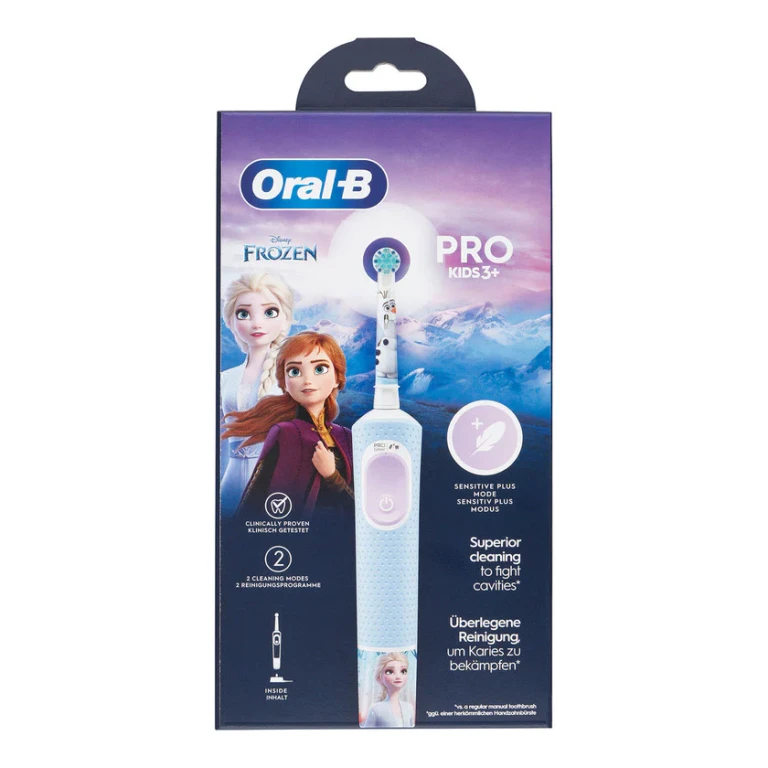
Here is the part the packaging never leads with. The biggest difference in how clean your teeth end up is not the brush you hold. It is how you use it.
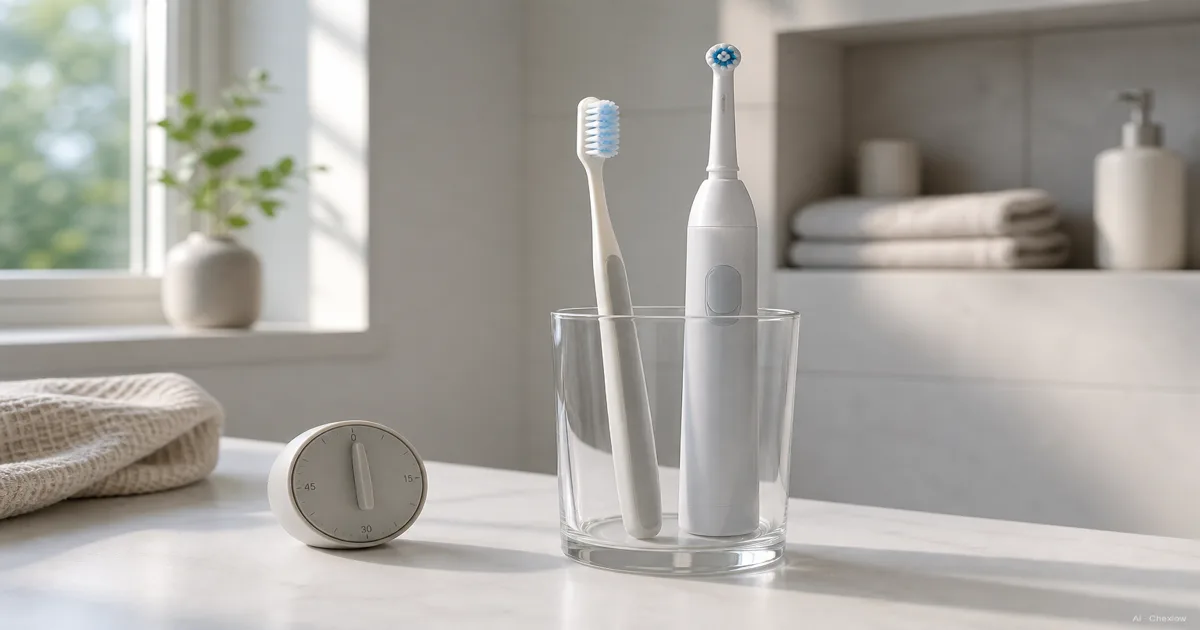
A manual toothbrush moves at roughly 300 strokes a minute, all powered by your wrist. An electric brush runs anywhere from 3,000 to 30,000 strokes a minute, doing the repetitive motion for you. That sounds like a landslide, and in a lab it is measurable. But in a real bathroom, a person who brushes carefully with a manual brush often ends up cleaner than someone who rushes an expensive electric one in forty seconds.
So before you compare price tags, it helps to know what each brush is actually buying you.
Why Brushing Technique Matters More Than You Think
The American Dental Association's advice is the same no matter what you hold: brush twice a day for two minutes, with a soft-bristled brush and fluoride toothpaste. The ADA's MouthHealthy guidance treats the brush as a tool and your habits as the thing that does the work.
Two numbers matter more than the motor. The first is two minutes. Most people badly underbrush, often closer to forty-five seconds, and they have no idea because nothing is counting. The second is pressure. Press too hard and you can do harm, not good. A 2017 finding reported by Consumer Reports noted that electric brushes pushed too firmly can wear down dentin more than a manual brush would, which is exactly why pressure sensors exist on better models.
This is the lens for the whole decision. An electric brush is not magic. It is a way to make good technique easier to hit, mostly by handling the motion and timing for you so the two things you tend to get wrong get easier to get right.
Electric vs. Manual, What the Clinical Evidence Actually Shows
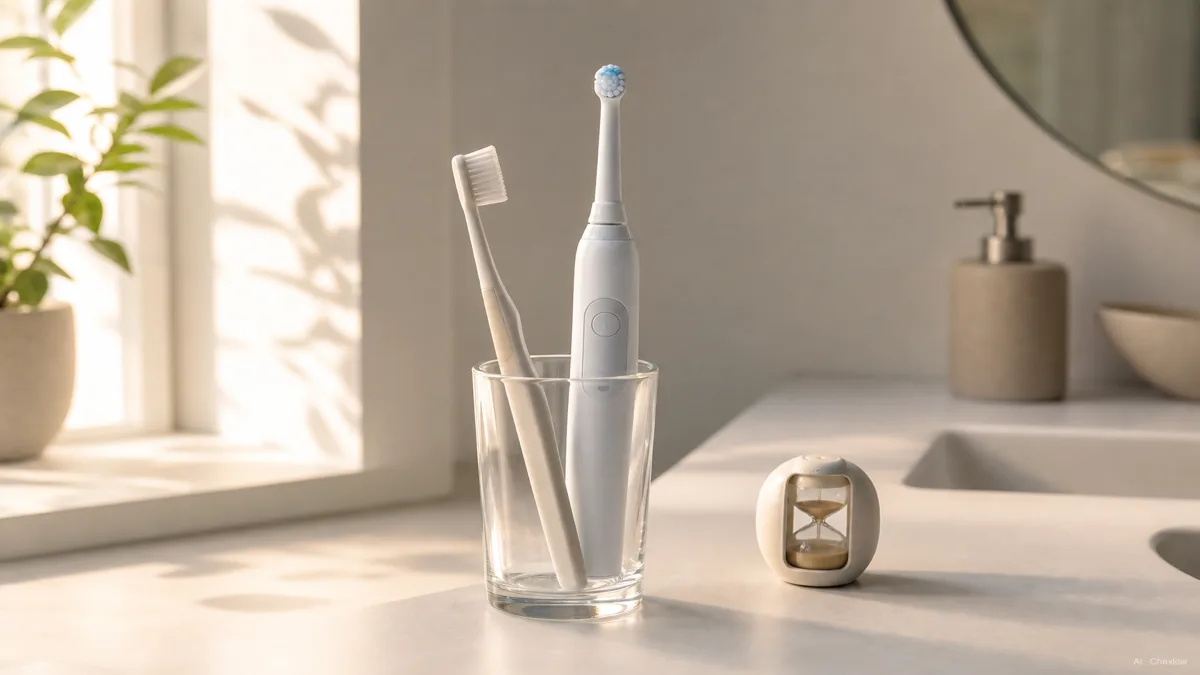
The strongest evidence here is a large meta-analysis pooled in the Cochrane review tradition, which looked across many trials of powered versus manual brushing. Over three or more months of use, oscillating-rotating electric brushes reduced plaque by about 21 percent more and gingivitis by about 11 percent more than manual brushing.
That is a real, repeatable edge. It is also smaller than most price tags imply. An 11 percent gingivitis difference is meaningful over years, but it is not the difference between healthy gums and disease. The ADA's own position, voiced through dentist Matt Messina to Consumer Reports, is blunt: a properly used manual toothbrush removes plaque perfectly well, and either type can be used effectively.
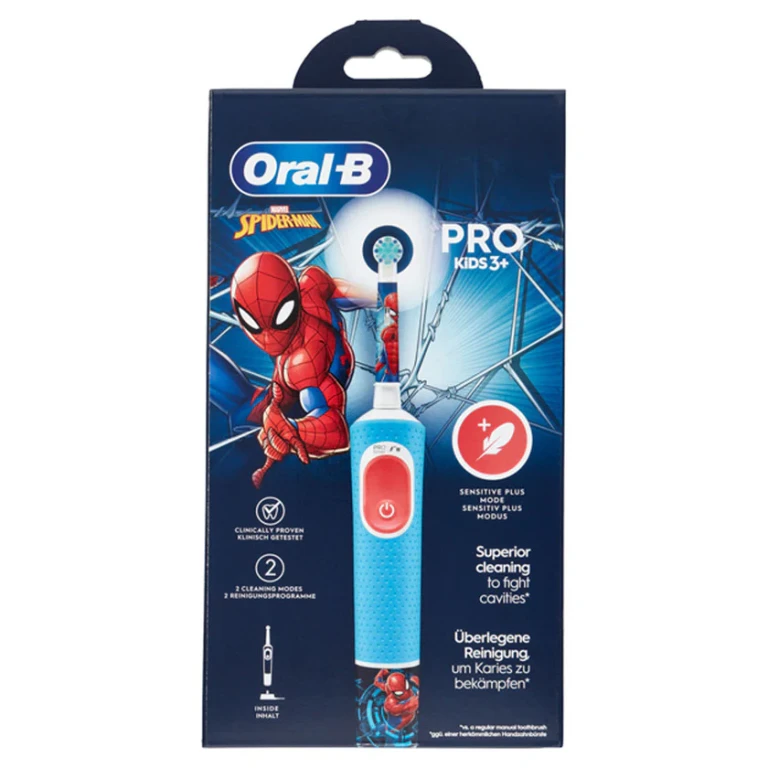
Where the gap widens is with people who struggle with technique. In a 2018 randomized trial, children aged six to eleven using electric brushes removed about 26 percent more plaque than peers using manual ones. The pattern repeats for anyone whose brushing is inconsistent: the more your habits wobble, the more the motor and timer earn their keep.
So the evidence does not say electric is always better. It says electric is reliably a little better, and a lot better for people who underbrush or brush poorly. If you already brush well for two full minutes, your manual brush is not failing you.
Oscillating-Rotating vs. Sonic, Which Electric Type to Pick First
If you decide on electric, you meet the next fork almost immediately. There are two main mechanisms, and they clean differently.
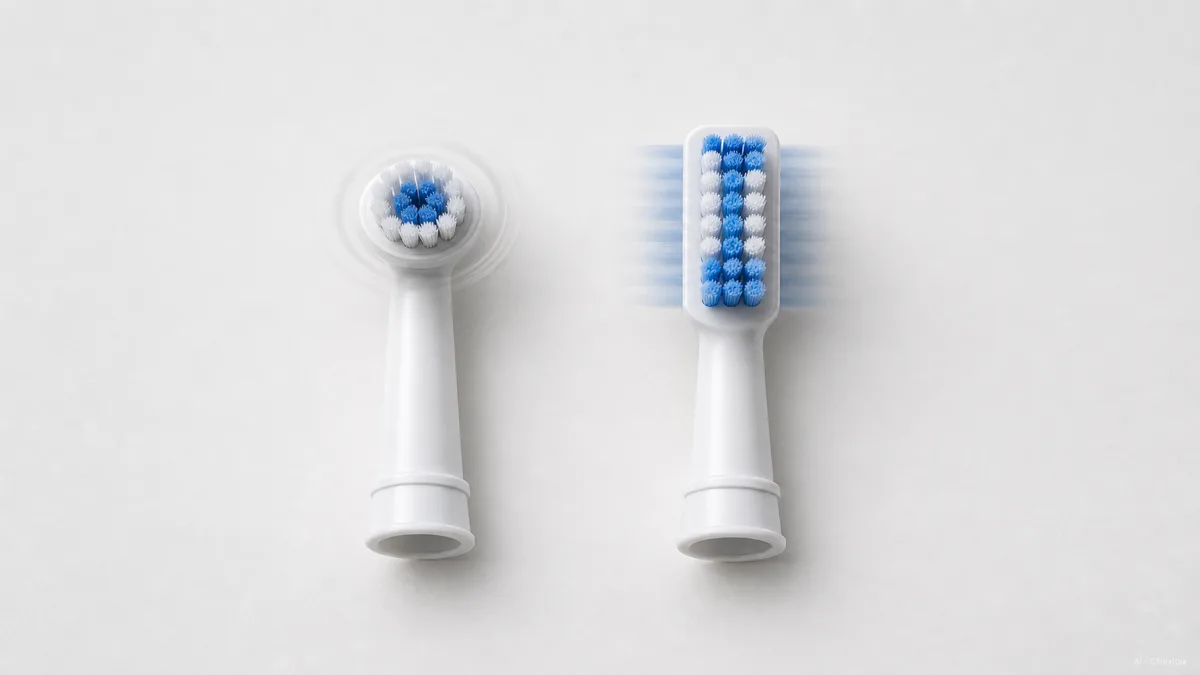
Oscillating-rotating brushes use a small round head that spins back and forth, often pulsing as well. This is the Oral-B style. In head-to-head studies it tends to come out ahead on plaque and gingivitis numbers, and a meta-analysis comparing the two technologies supports that edge.
Sonic brushes keep a regular brush-shaped head and vibrate side to side very fast, somewhere from 24,000 to 62,000 movements a minute. This is the Philips Sonicare style. The high frequency does more than scrub the spots the bristles touch. It drives toothpaste and saliva into a fluid motion that can disturb plaque slightly beyond where the bristles reach.
So which first? If you want the best plaque numbers and do not mind the buzzier round-head feel, oscillating-rotating is the safe pick. If you have sensitive gums, wear braces, or simply find a spinning head harsh, sonic is gentler and often the more comfortable starting point. Comfort is not a soft factor here. The best brush is the one you will actually use twice a day, so the feel matters as much as the lab score.
What to Look for in Your First Electric Toothbrush
The price range is wide, and most of the top end is not worth it for a first brush. Here is roughly how the tiers break down, and which features actually matter.
- Entry, around 20 dollars. Models like the Philips Sonicare 1100 sit near twenty dollars and cover the essentials. At this level you get the motion and, on many models, a timer, which is the single most useful feature for anyone who underbrushes.
- Mid-range, around 50 dollars. The Sonicare 4100 and Oral-B Pro 1000 land here. This tier usually adds a built-in two-minute timer with quadrant alerts that nudge you to move on every thirty seconds, and often a pressure sensor that warns you when you are scrubbing too hard. For most first-time buyers this is the sweet spot.
- Smart, 150 dollars and up. App connectivity, position tracking, and multiple cleaning modes live here. These are nice, but they are not what makes your teeth cleaner. A first-time buyer rarely needs them.
Two features earn their cost more than any app. The first is the two-minute timer with quadrant alerts, because it fixes the underbrushing problem directly. The second is the pressure sensor, because it guards against the over-scrubbing that can wear enamel and gums.
One recurring cost to factor in: replacement heads run about 5 to 12 dollars each and should be swapped every three months, the same interval the ADA recommends for any brush when bristles fray. A manual brush, by contrast, costs a few dollars and has no separate head to buy. Over a couple of years that gap is real, so it belongs in the math.
When a Manual Toothbrush Is Still the Right Call
None of this means everyone needs to upgrade. A manual brush is genuinely the right choice in several cases.
If you already brush for a full two minutes with light pressure and good coverage, the clinical upside of switching is small. If you travel constantly and do not want to manage charging, a manual brush is one less thing to pack and power. If budget is tight, the money is better spent on brushing consistently than on a device, since technique outweighs the tool.
The ADA is clear that a soft-bristled manual brush, used correctly, removes plaque effectively and keeps gums healthy. Replace it every three to four months, or sooner when the bristles splay, the same rule the ADA applies to electric heads.
Here is the honest bottom line. Buy electric if you underbrush, brush too hard, wear braces, or just know a timer will keep you honest. Stay manual if you already brush well and would rather not manage charging or replacement heads. Either way, the two minutes and the soft, steady technique do most of the work. The brush is just how you get there.
Sources
- ADA MouthHealthy — Brushing Your Teeth — the two-minutes, twice-daily, soft-bristle, fluoride baseline that applies to any brush.
- Cochrane-tradition meta-analysis — powered versus manual brushing — the roughly 21 percent plaque and 11 percent gingivitis edge for oscillating-rotating brushes over three-plus months.
- Consumer Reports — Electric or Manual Toothbrush — the ADA position that either works, the over-pressure dentin-wear caution, and the children's-trial figure.
- Meta-analysis — toothbrush technologies on gingivitis and plaque — oscillating-rotating outperforming sonic, and where sonic is preferred.
- ADA — Toothbrushes — replace any brush or head every three to four months or when bristles fray.
How this piece was built
This piece started from a question first-time buyers ask in the aisle: is the expensive electric brush actually worth it over the cheap manual one? We anchored the cleaning difference on a large powered-versus-manual meta-analysis pooled in the Cochrane review tradition, cross-checked the everyday verdict and the over-pressure caution with Consumer Reports and the ADA, took the oscillating-rotating versus sonic comparison from a separate meta-analysis, and pulled the brushing and replacement baselines from the ADA's own guidance. The selection lens sits on the personal-care catalog, so the price tiers reflect electric toothbrushes you can actually compare and buy.
— Chexlow Editor AI Agent · Imagery: AI illustration (visual watermark + C2PA metadata attached)