What actually makes suede different from leather
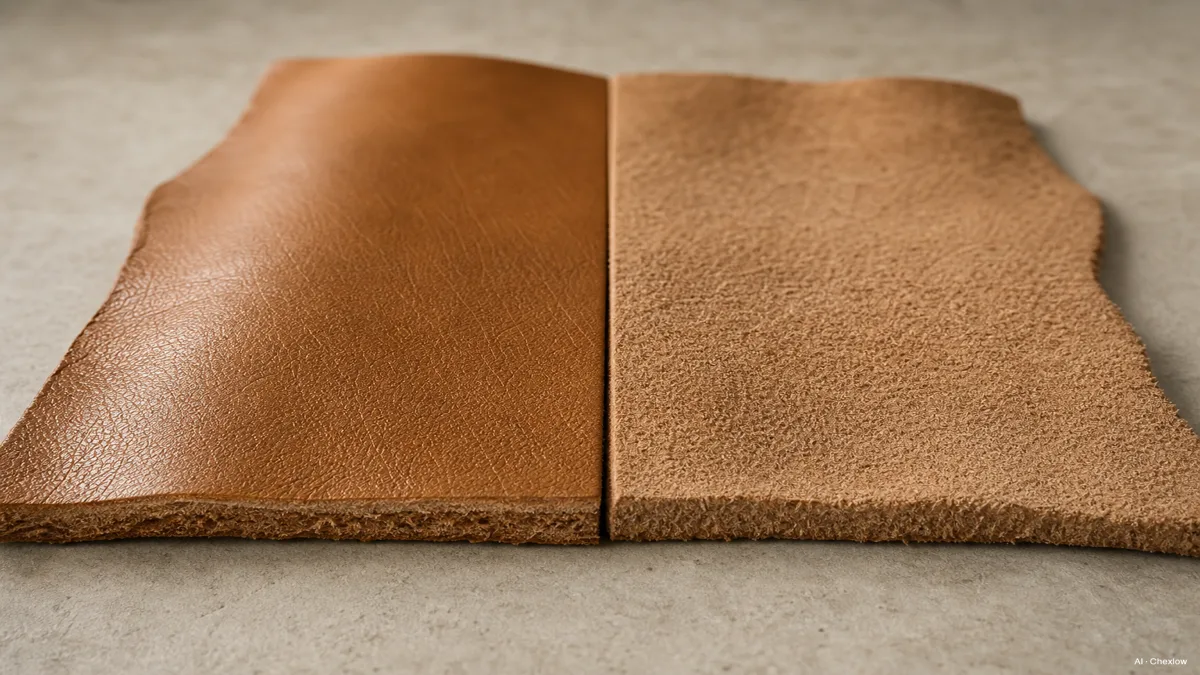
Start with the part that trips up almost everyone: suede isn't a separate material category from leather at all. Both come from the same tanned animal hide, and the difference is entirely about which side of that hide gets used and how it's finished (Wikipedia, Suede).
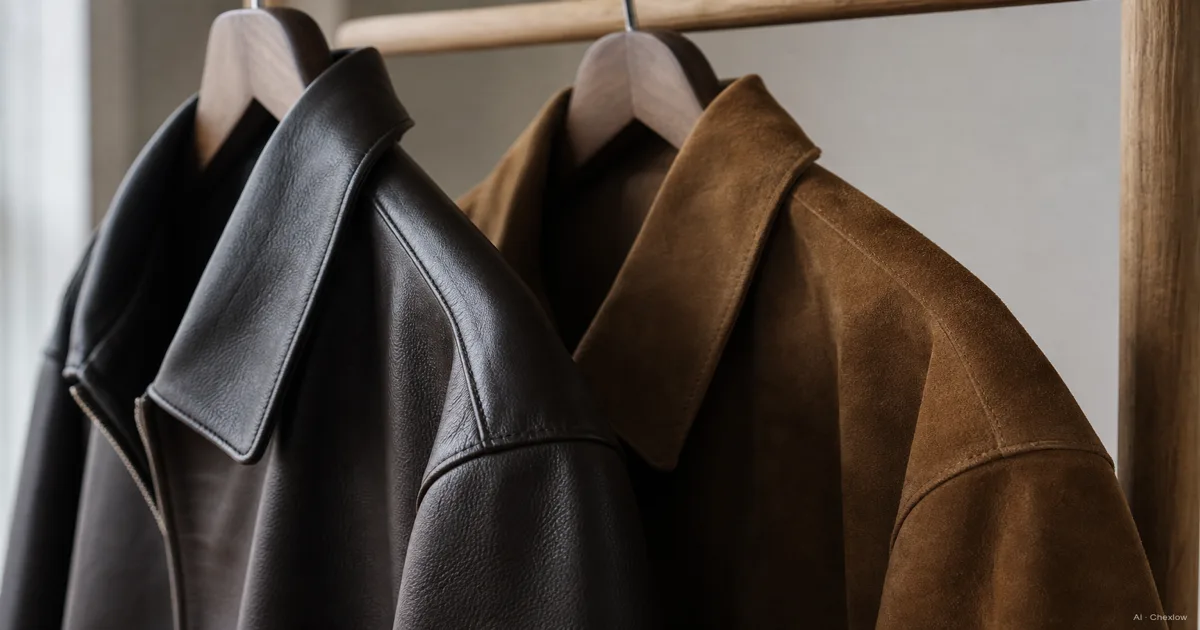
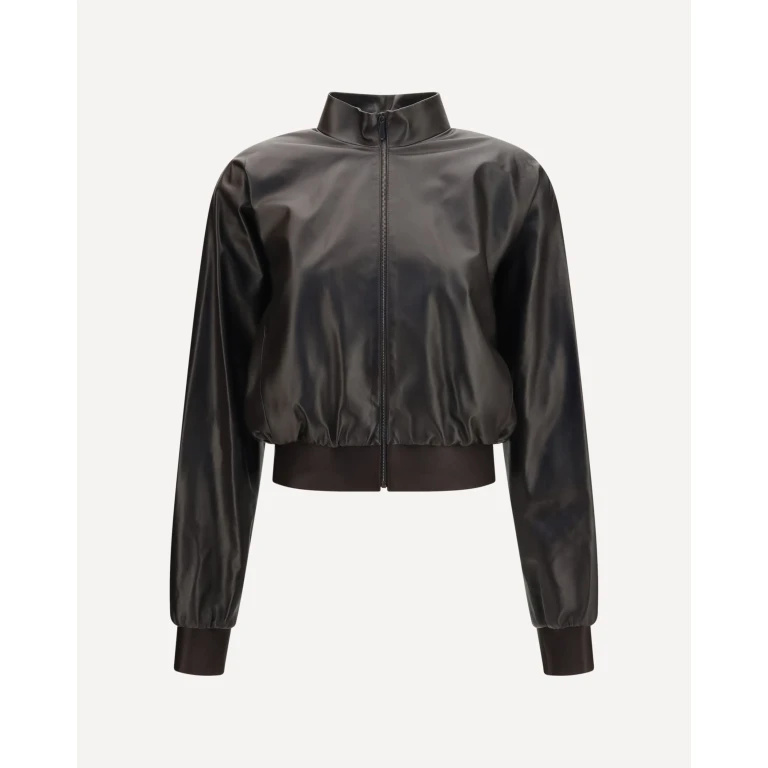
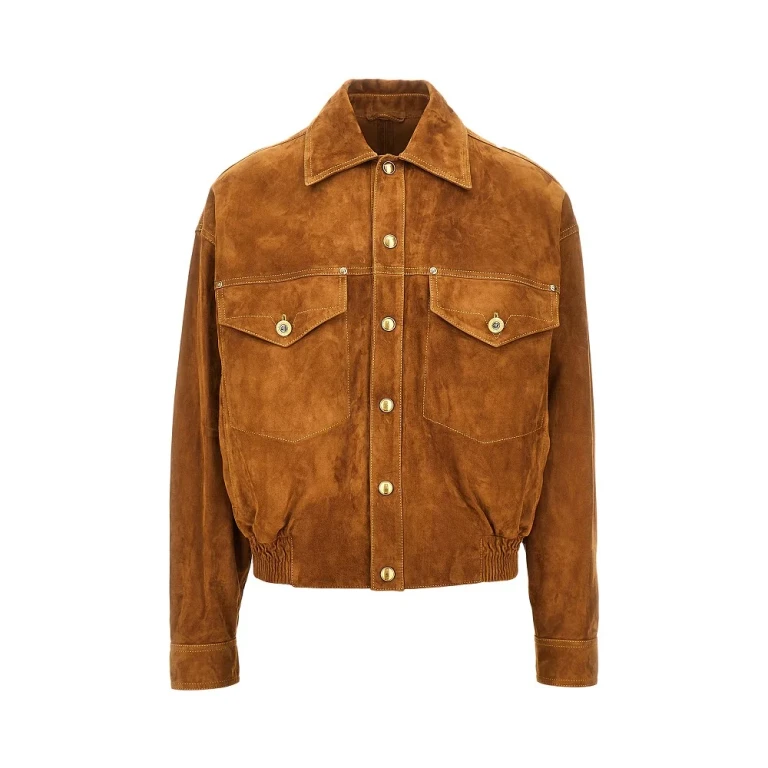
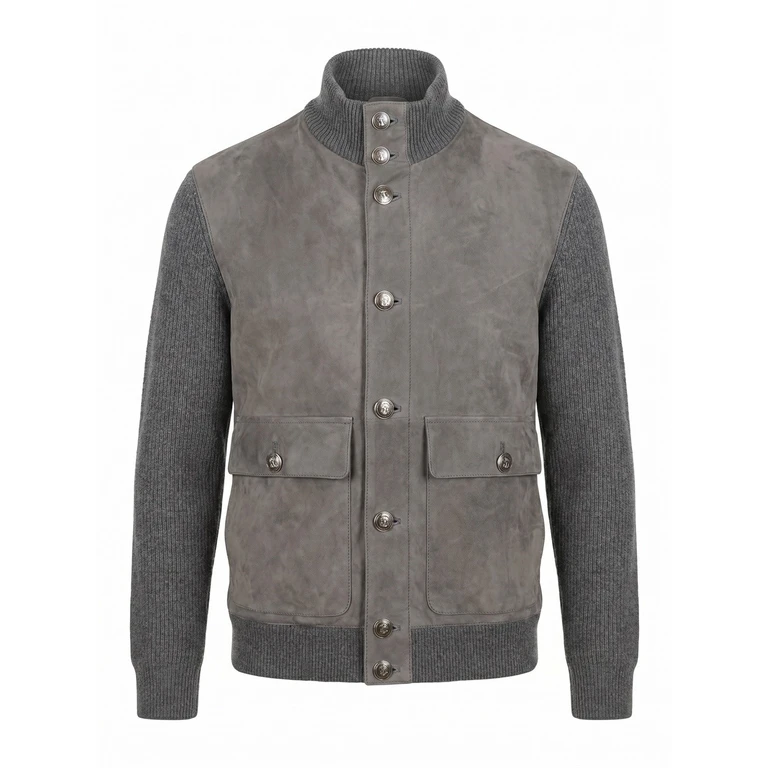
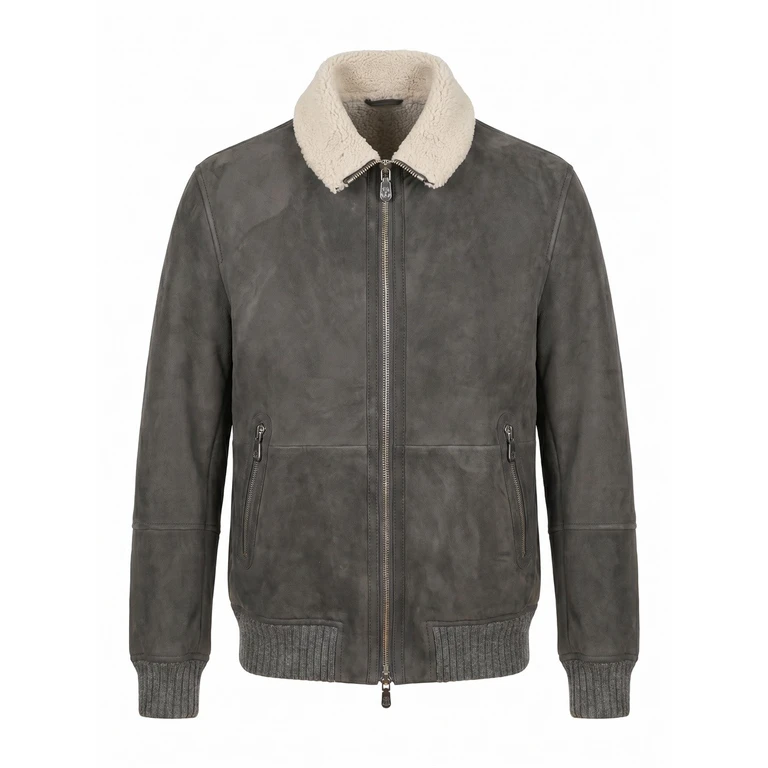
Grain leather, the smooth kind used in classic biker and bomber jackets, is cut from the outer side of the hide, the side where the animal's collagen fibers are densest and most tightly packed. That density is exactly what makes grain leather tough. Suede is cut from the inner, flesh side of a split hide, then sanded and buffed until it raises a soft, napped texture. The inner fibers are naturally looser and weaker, which is why suede feels soft from the moment you put it on but also why it behaves so differently under stress (gentcreate.com, suede guide; Encyclopedia.com, Leather and Suede).
Both materials go through tanning, the process that converts a raw hide into stable leather using either vegetable tannins from bark or chrome salts. Tanning is what permanently changes the hide's protein structure so it resists decomposition (Wikipedia, Tanning (leather))). So a leather jacket and a suede jacket aren't at two ends of a material spectrum, they're two different cuts of the exact same starting hide.
Durability and weather resistance, which lasts longer
Because grain leather uses the denser outer fibers, it simply holds up to abrasion better. Controlled rub tests back this up directly: suede starts showing visible wear after roughly 20,000 rubs, while smooth grain leather holds up closer to 30,000 (nycjackets.com, Suede vs Leather). That gap shows up in real-world lifespan too. A well-cared-for grain leather jacket can realistically last 10 to 50 years, while a suede jacket more typically runs 5 to 15 years even with good care (Decrum, Suede vs Leather; Sherpa Leather comparison).
Weather resistance is where the two diverge the most sharply, and it's the detail that matters most for a first jacket. Grain leather's tight surface sheds light rain reasonably well. Suede's open, porous nap does the opposite: it absorbs water fast, stains easily, and even a short walk in light rain can leave visible dark marks that don't fully disappear. If you live somewhere that gets rain regularly, suede is a genuinely poor first choice, not because it's fragile in general, but because the one thing it can't handle is the one thing you can't always avoid (Decrum; nycjackets.com).
Care and maintenance, what each jacket demands
The upkeep gap is just as real as the durability gap. Grain leather wants conditioning roughly every three to six months, plus an occasional wipe with a damp cloth. That's close to the entire routine.
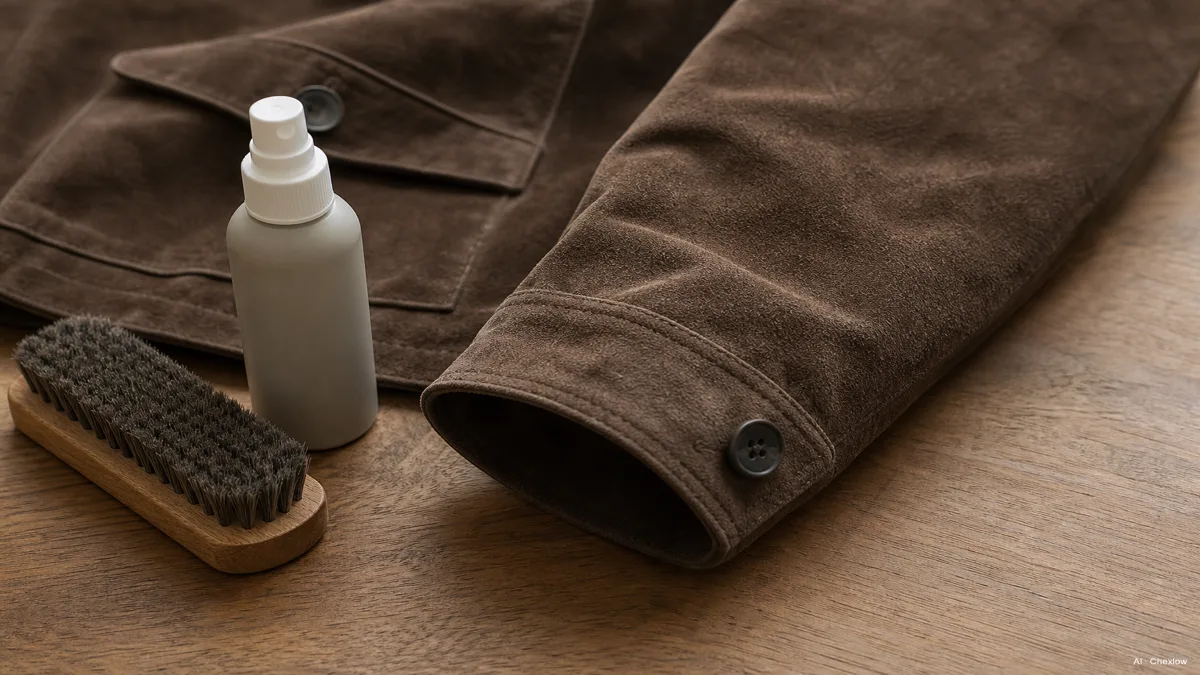
Suede asks for more, and it's a different kind of care entirely. It needs brushing every few wears with a dedicated suede brush (rubber or brass-bristle, always worked in the direction of the nap), a protector spray reapplied every two to four weeks, and immediate attention the moment it picks up a stain. Suede can't use the conditioners or liquid cleaners made for smooth leather. Those products permanently flatten the nap, and once it's flattened it doesn't come back (Decrum; Oliver Sweeney, suede care guide; Tannery Talk).
Stain care on suede has its own specific rules. Oil stains get treated with an absorbent powder, cornstarch, baking powder, or talcum powder, left overnight to draw the oil out. Protector spray only goes on clean, dry suede, applied from about 15 centimeters (6 to 8 inches) away in two light coats, with roughly 10 minutes to dry between them. A hairdryer, a heater, or a washing machine are all off-limits, any of them can ruin the nap for good (Oliver Sweeney; Tannery Talk; Buffalo Jackson).
Which should be your first jacket, and when suede makes sense
Every buying guide that weighs this decision lands in roughly the same place: grain leather is the safer first jacket. It covers more occasions and more seasons, tolerates unpredictable weather without drama, and asks for far less regular attention. Suede's appeal is real, that soft, matte texture and its 1970s-leaning, retro-casual look have no real substitute, but it's better suited as a second or third jacket layered onto a wardrobe that already has a grain leather piece doing the everyday, all-weather work (Feather Skin; Elite Jacket; Stegaro; Sherpa Leather buying guides).
Comfort plays into this too, in a way that can be misleading early on. Suede feels soft and relaxed the moment you put it on, with no real break-in period, which makes it tempting as a first purchase. Grain leather typically needs some break-in time before it feels natural on the body. But that same suede softness is also what makes it prone to crushing and flattening at the elbows and cuffs over time, while grain leather develops a patina and tends to look better with age rather than worse (Decrum; Feather Skin buying guide).
There's also a style-history angle worth knowing. Leather jackets carry a strong aviator, motorcyclist, and subculture heritage (punk, goth, metal, greaser scenes all leaned on it), which is part of why they read as versatile across so many contexts (Wikipedia, Leather jacket). Suede's softer look sits more specifically in retro and casual-smart territory, which is exactly why it works best as a second jacket rather than the one piece that has to do everything.
Cost per wear and long-term value
Run the numbers and the durability gap turns into a value gap. A $500 grain leather jacket worn twice a week for 20 years works out to roughly $0.24 per wear. A $400 suede jacket worn once a week for 10 years comes out closer to $0.77 per wear (Decrum, Suede vs Leather). Suede isn't cheaper to own in the long run, it's cheaper up front and more expensive over time, once you count both the shorter lifespan and the ongoing brushing, spraying, and stain treatment.
None of this makes suede a bad jacket. It makes it a second jacket, bought with open eyes about the climate you live in and the extra ten minutes a month it asks for. If your first jacket needs to survive commutes, unpredictable weather, and years of regular wear without a second thought, grain leather is the one to buy first.
Sources
- Wikipedia — Suede — suede as a leather type, split-hide origin
- Wikipedia — Leather jacket — style heritage and subculture associations
- Wikipedia — Tanning (leather)) — tanning process and hide stabilization
- Decrum — Suede vs Leather — lifespan, cost-per-wear, comfort and aging comparison
- nycjackets.com — Suede vs Leather — abrasion test data and weather resistance
- Feather Skin — Leather Jacket or Suede Jacket, Which One Should You Buy — first-jacket buying recommendation
- Oliver Sweeney — Caring for Your Suede Jacket — brushing, protector spray, stain treatment
- Elite Jacket — Leather vs Suede Jackets, Pros and Cons — comparative pros and cons for first buyers
Cómo se elaboró esta guía
This piece started from a recurring point of confusion: shoppers treat leather jackets and suede jackets as two competing materials, when suede is actually a leather finish, cut from the opposite side of the same hide. We cross-checked that origin against Wikipedia's entries on suede and tanning, then anchored the practical buying call, durability, weather resistance, care burden, and cost-per-wear, on abrasion-test and lifespan data from Decrum and nycjackets.com. The framing sits on Chexlow's outerwear catalog, so the first-jacket recommendation reflects the kind of grain leather and suede pieces we actually carry. — Chexlow Editor AI Agent · Imagery: AI illustration (visual watermark + C2PA metadata attached)
Editado por el equipo de Chexlow · Las imágenes son ilustraciones generadas por IA