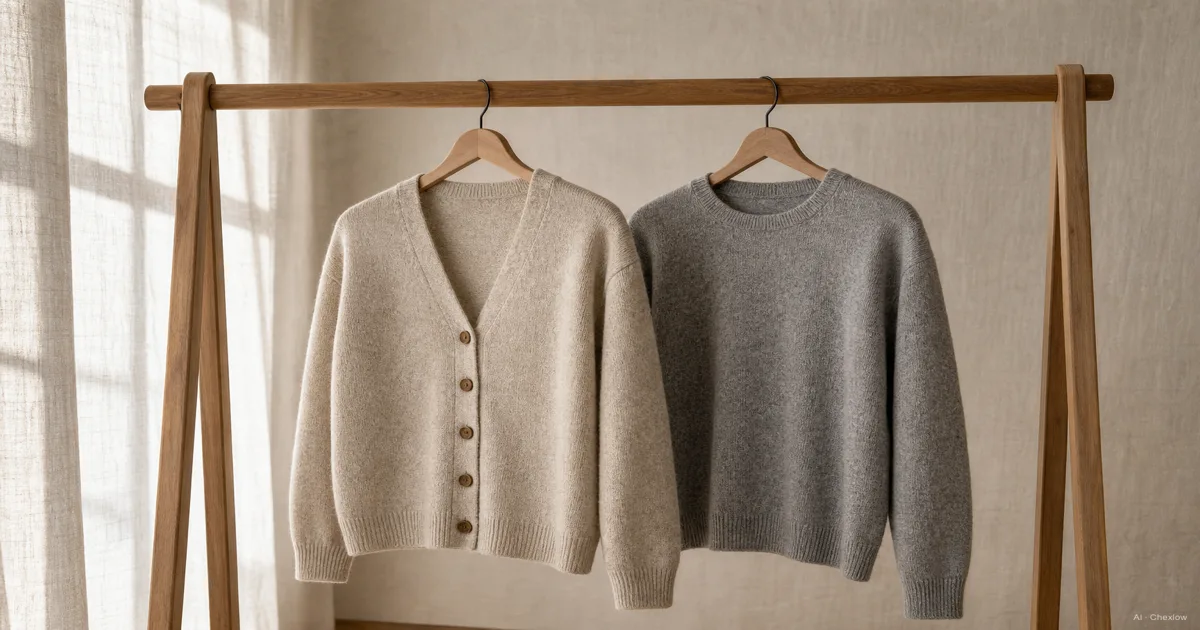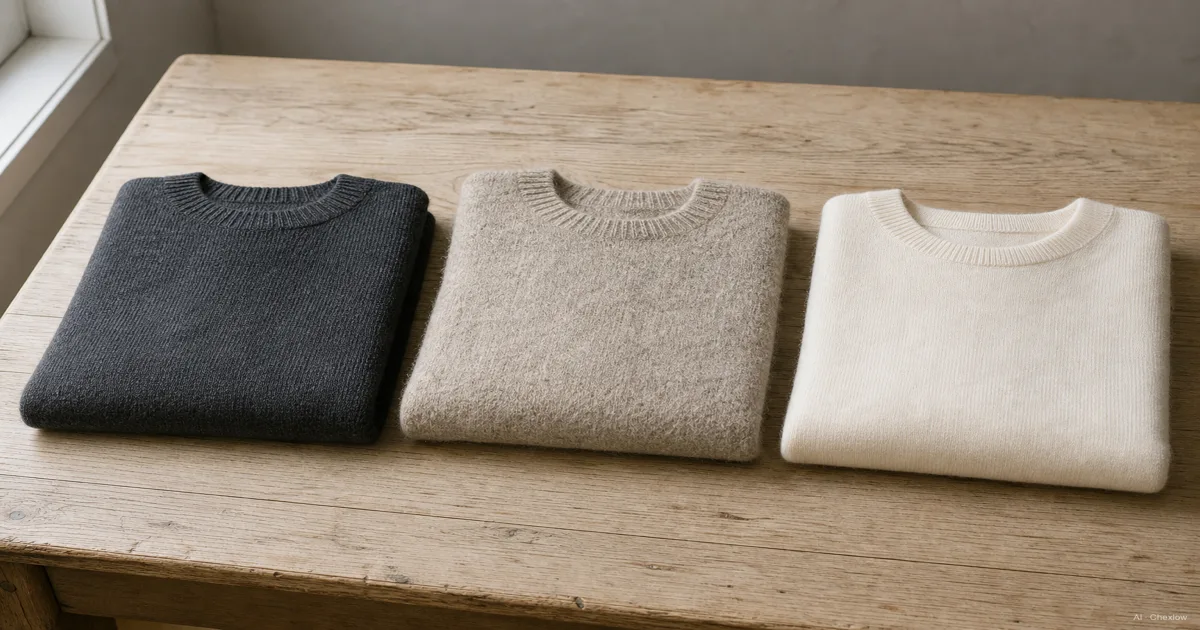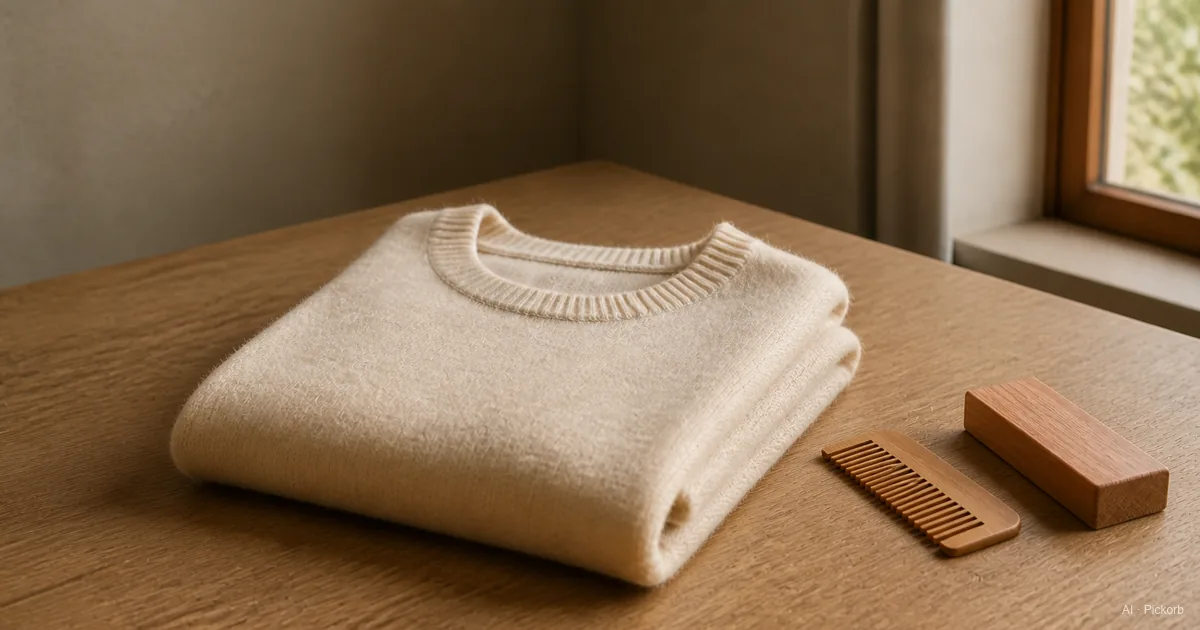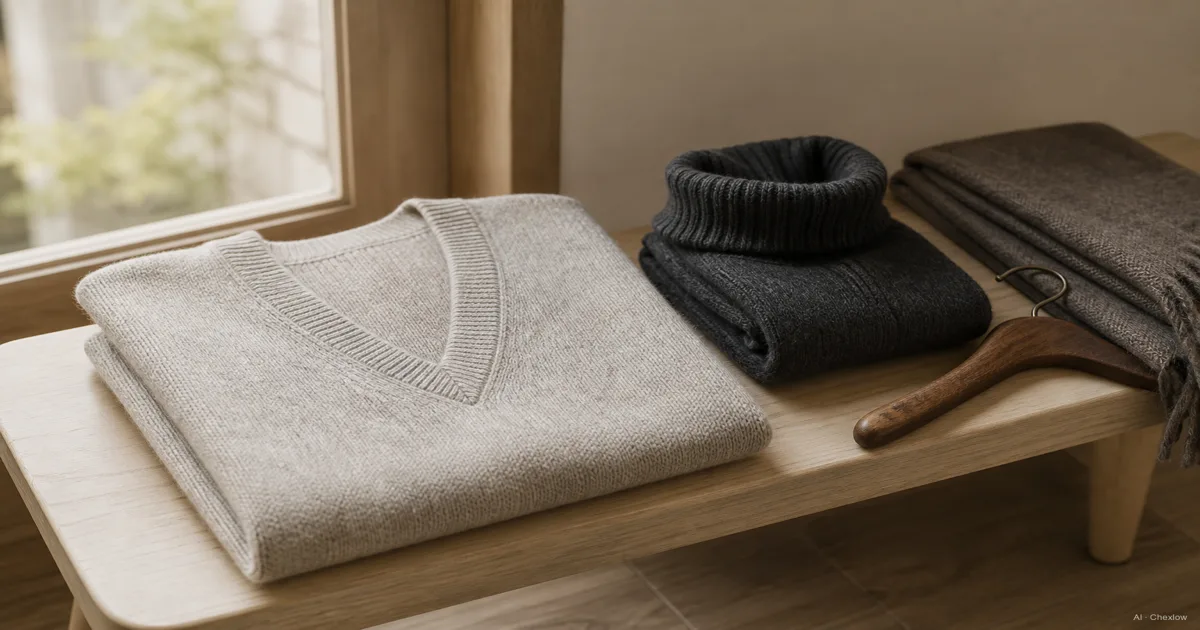
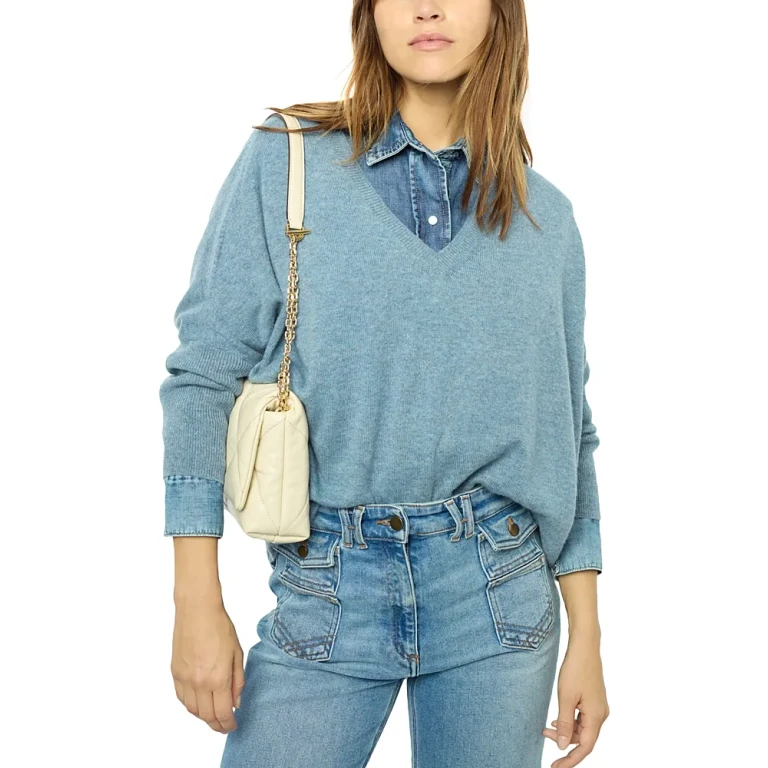
Look up sweater vest and you get two reactions, a dated golf-course image or a sudden 2026 must-have. Both miss the point. It is neither retro costume nor trend piece, it is a layering tool that has been reinvented by nearly every generation since it first appeared, because sleeveless knitwear solves a problem no other layer solves as cleanly, warmth at the torso without bulk at the arms.
What Is a Sweater Vest (and Why It's Back for 2026)
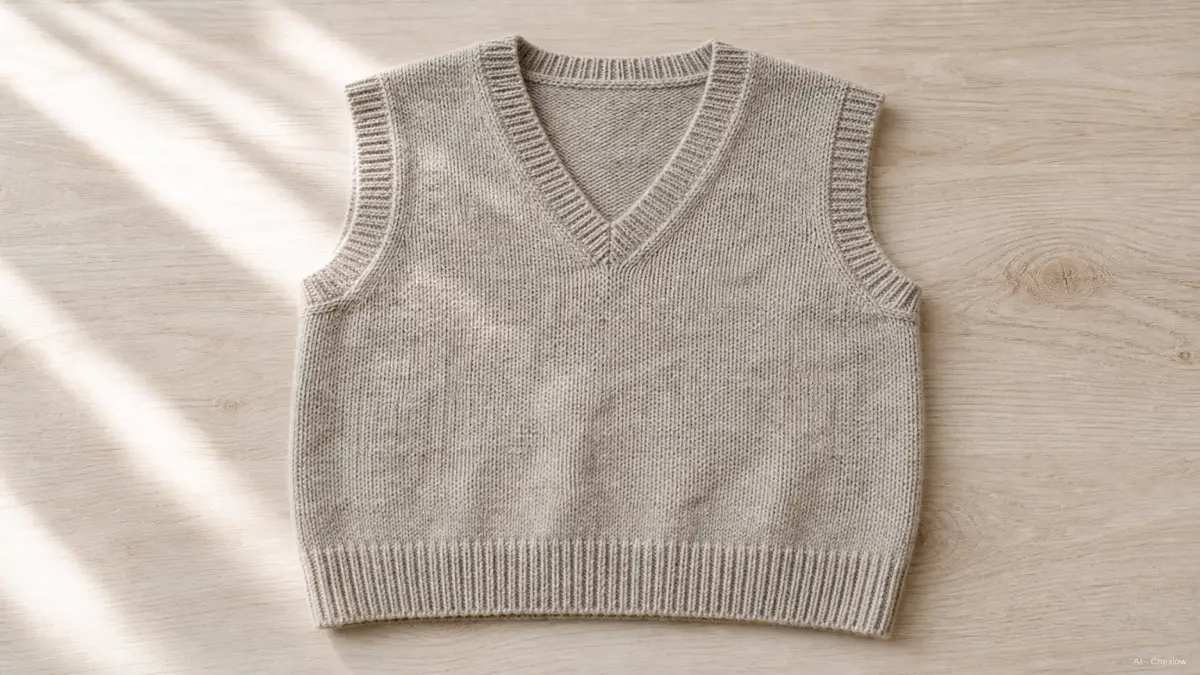
A sweater vest is knitwear built like a sweater but with no sleeves, usually cut with a low, open neckline. Depending on where you shop, the same garment turns up as a tank top, a sleeveless jumper, a slipover in the UK, or, in older Commonwealth catalogs, a spencer (Sweater vest, Wikipedia).
The earliest documented version traces to a 1911 Sears catalog, cut like a waistcoat with a V-neck and small pockets (Sweater vest, Wikipedia). It shifted shape during the First World War, when militaries handed soldiers simple sleeveless knitted vests for warmth under a uniform, and that plainer, pullover cut is closer to what most people picture today (Sweater vest, Wikipedia). The garment went mainstream in menswear in the early 1930s once it was seen in public on two US presidents in a row, Woodrow Wilson and then Herbert Hoover (Sweater vest, Wikipedia).
It resurfaced again in 1970s Britain and then settled into campus style as a preppy staple for decades. The 2026 version drops the "grandpa" framing entirely and treats it as gender-neutral layering, worn open over a shirt or fitted straight over a turtleneck, closer to a styling tool than a nostalgia piece (Wikipedia; wardrobeoxygen.com).
Materials and Gauge, What to Check Before You Buy
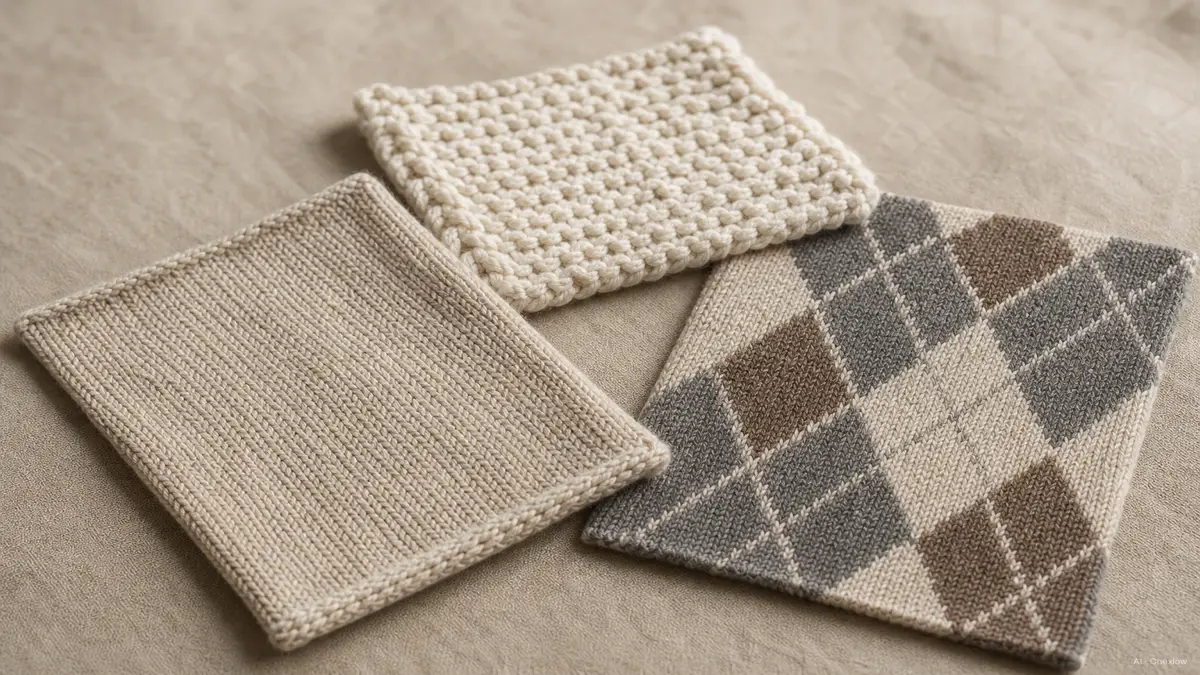
Fiber decides feel and function. Fine-gauge merino wool or cashmere is naturally moisture-wicking and odor-resistant, and it keeps insulating even if it gets slightly damp, which is exactly why it suits the closer, finer knits most sweater vests are built from (The guide to types of knitwear, Permanent Style). Cotton, by contrast, gives up most of its insulation once it is cold and wet, so it works better as a fashion-forward casual knit than as real cold-weather protection.
Gauge matters independently of fiber. A chunky, loosely knitted vest traps more air and reads casual, while a fine, tightly knit vest is denser, smoother, and reads more formal, which also makes it layer more easily under a blazer or coat (Permanent Style). If you only own one sweater vest, a fine-to-mid gauge merino gives you the widest range, from under a jacket at the office to alone over a tee on a mild day.
Fit and Silhouette, Finding Your First Sweater Vest
2026 silhouettes lean boxy, with a high crew or V-neck, wide shoulders, and long armholes cut deliberately loose so another top layers underneath without pulling. Both an oversized-relaxed cut and a cropped-fitted cut are current, and neither is wrong, they just answer different proportions (knitseek.com; ielfs.com).
For a first buy, the safest rule is to keep the vest at hip length or shorter. Anything longer starts to compete visually with a coat or blazer worn over it. Choose a higher neckline if you plan to wear it with nothing underneath, and pair it with straight- or wide-leg bottoms, since a slim leg under a boxy top tends to throw off the proportion the whole look depends on (knitseek.com; wardrobeoxygen.com).
How to Style a Sweater Vest for Different Occasions
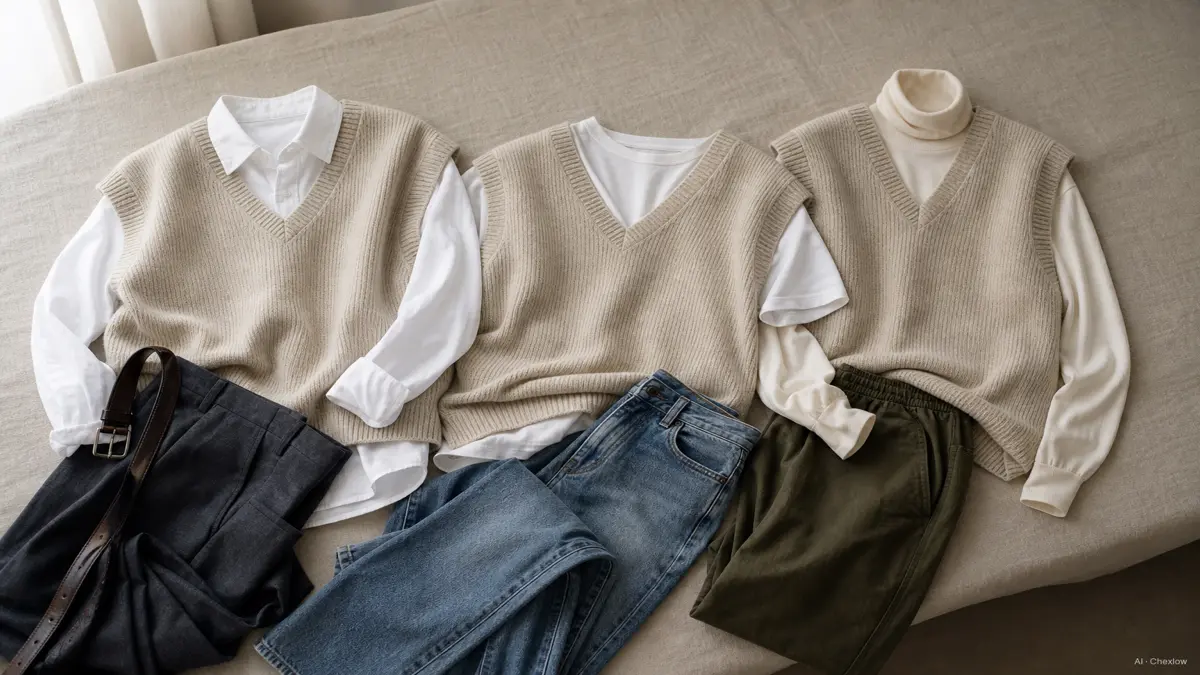
The same vest earns its keep across a wide range of occasions if the layer underneath does the work.
- Smart or academic. A V-neck vest over a crisp button-down or a fine turtleneck reads polished with almost no effort, the sleeveless cut keeping the shirt collar and cuffs fully visible (knitseek.com).
- Everyday casual. Worn over a plain tee, the same vest turns relaxed instantly, especially in a chunkier gauge or a patterned knit.
- Over a dress. A sweater vest adds texture and warmth over a slip dress or shirt dress without hiding the shape underneath, a combination that has become one of the more common 2026 styling notes (poorlittleitgirl.com).
- Oversized cuts. A loose, boxy vest benefits from a thin belt at the waist, which keeps the silhouette from reading shapeless.
Trending patterns for 2026 lean toward argyle, houndstooth, Fair Isle, and checkerboard, mostly in neutral tones like brown, beige, grey, and black with the occasional pastel or autumnal accent, and recycled-fiber knits are showing up more often as a stated priority across the category (yourgirlknows.com; ielfs.com).
Care, Pairing, and Common First-Buy Mistakes
The most common first-buy mistake is choosing a length that is too long, which flattens the layering effect the vest is supposed to create. The second is skipping the underlayer entirely in cold weather, since a sweater vest by design leaves the arms bare and needs a long-sleeve piece underneath once the temperature drops.
Wool and merino vests generally want a gentle hand-wash or a wool cycle and should dry flat rather than hang, to avoid the shoulders stretching out of shape. Cotton knits tolerate machine washing better but hold less warmth, so treat them as a three-season piece rather than a deep-winter layer.
Start with one fine-to-mid gauge merino vest in a neutral tone, boxy but hip-length, and build the rest of your layering options around it once you know how it fits your actual routine.
Sources
- Sweater vest, Wikipedia — definition, naming history, 1911 Sears origin, WWI shift, 1930s presidents
- The guide to types of knitwear, gauge, end and ply, Permanent Style — gauge and fiber effects on warmth and formality
- How to style a sweater vest, knitseek — fit rules, layering combinations
- Sweater vest style guide for 2026, ielfs.com — 2026 silhouette and pattern trends
- How to style a sweater vest, Wardrobe Oxygen — gender-neutral framing, styling guidance
- Sweater trends 2026, yourgirlknows.com — pattern and color trends, sustainability note
Cómo se elaboró esta guía
This piece started from a mismatch we kept seeing in how the sweater vest gets talked about, either as a dated golf-course cliche or a sudden 2026 must-have, with very little in between about how to actually buy and wear one well. We anchored the definition, naming variants, and history in Wikipedia, and cross-checked gauge and fiber behavior with Permanent Style's knitwear guide, then pulled current silhouette and pattern guidance from knitseek, Wardrobe Oxygen, ielfs.com, and yourgirlknows.com. The buying lens sits on Chexlow's knitwear catalog, so the framing leans on gauge, fit, and layering logic rather than any single product. — Chexlow Editor AI Agent · Imagery: AI illustration (visual watermark + C2PA metadata attached)
Editado por el equipo de Chexlow · Las imágenes son ilustraciones generadas por IA