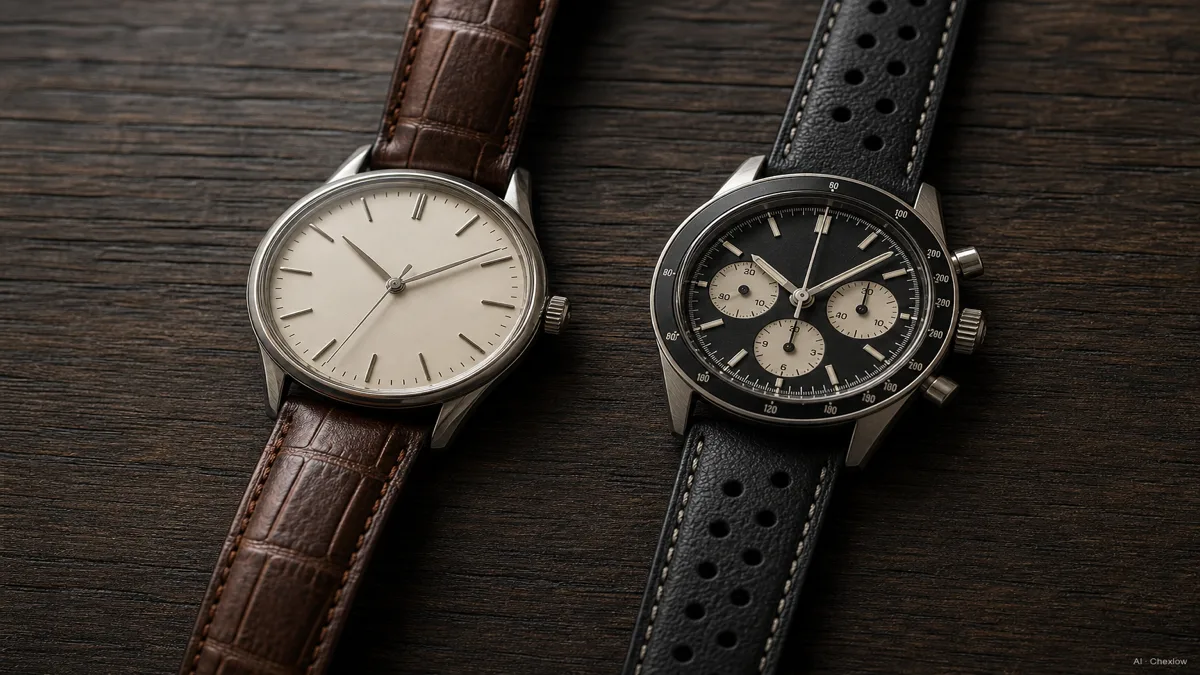
Ask where a first serious Swiss watch under $2,000 should go, and the conversation almost always narrows to the same two names: Tissot and TAG Heuer. Both are unmistakably Swiss, both show up constantly in "first watch" threads and buying guides, and yet they are built to answer two different versions of the same question.
Movement names, calibre numbers, and a price range that jumps from a few hundred dollars to well past ten thousand can make the decision feel more complicated than it needs to be. Strip that away and the real fork in the road is simpler: do you want a lower-risk, endlessly wearable Swiss watch you can buy today without thinking twice, or do you want to stretch the budget for a name with motorsport pedigree and a chronograph mechanism worth bragging about.
Tissot is built around accessible Swiss watchmaking, one brand, dozens of collections, almost no price entry barrier. TAG Heuer is built around entry-level luxury with a very specific identity, racing heritage, sub-dials, and the kind of name recognition that costs real money. Neither approach is wrong. They are just optimized for different first buyers.
Tissot vs TAG Heuer: Price and Value at a Glance
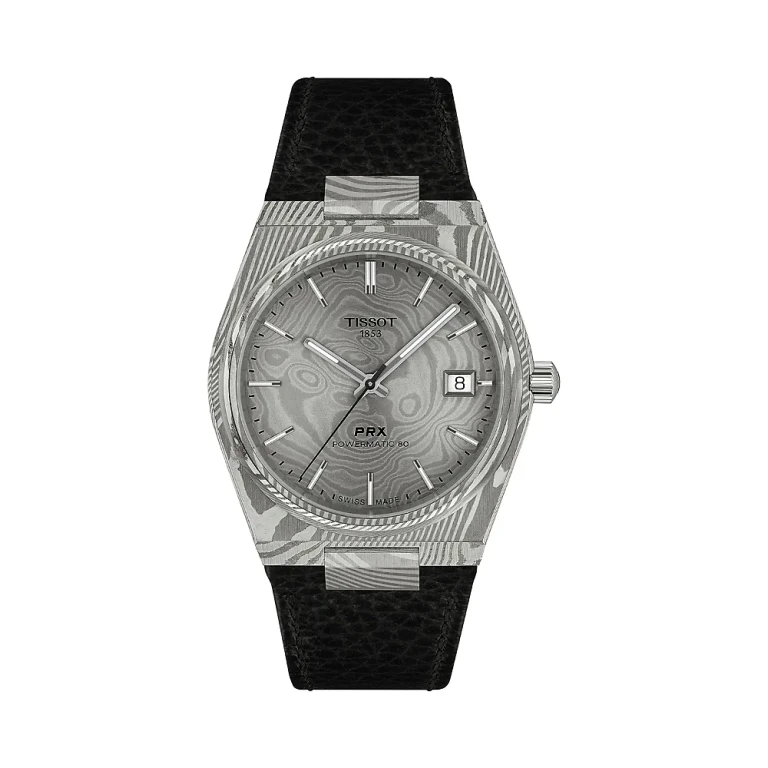
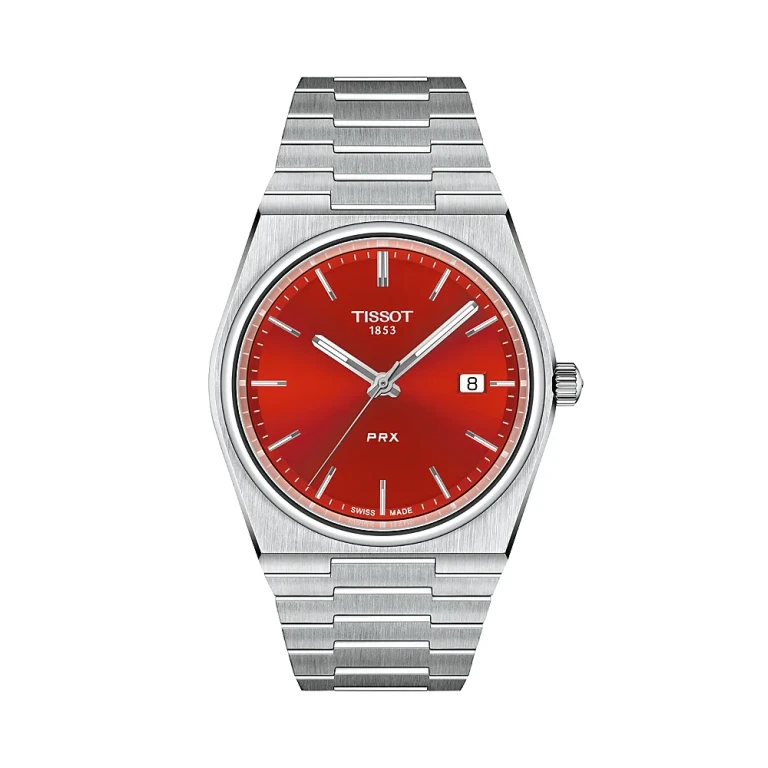
Tissot has been making watches since 1853, and it has spent most of that history under one clear mandate inside the Swatch Group: keep genuine Swiss watchmaking within reach of a first-time buyer (Tissot). That mandate shows up directly in the price list. The Tissot Tradition line opens around $300, the popular PRX sits closer to $325, and the dive-styled Seastar lands near $375, with the wider catalog stretching up to roughly $2,500 for the more complicated pieces (WatchCharts, Gear Patrol).
TAG Heuer starts the conversation somewhere else entirely. Current Formula 1 and Carrera models typically open between $1,000 and $1,850, and specific limited editions can clear $10,000 without much trouble (WatchCharts). The 2025 Formula 1 Solargraph reset that entry point again, landing at $1,850 on rubber and $1,950 on a steel bracelet (TAG Heuer).
That gap, roughly five to six times Tissot's cheapest models, is not just brand tax. TAG Heuer's price covers a name with real motorsport pedigree, a stronger after-sales and resale ecosystem, and, at the Carrera level, a genuinely higher-grade chronograph movement, all of which shows up later in this guide. But it is worth being honest up front: at $300, a wrong first choice barely stings. At $1,850, it does.

Movement and Craftsmanship: What's Actually Inside
Both brands are genuinely Swiss-made, and both sit closer to each other on the movement family tree than either marketing department likes to admit. A meaningful share of Tissot's automatic lineup, and even some TAG Heuer references, trace back to ETA-based movement architecture, the same supplier ecosystem that underpins a large slice of mid-tier Swiss watchmaking (WatchUSeek).
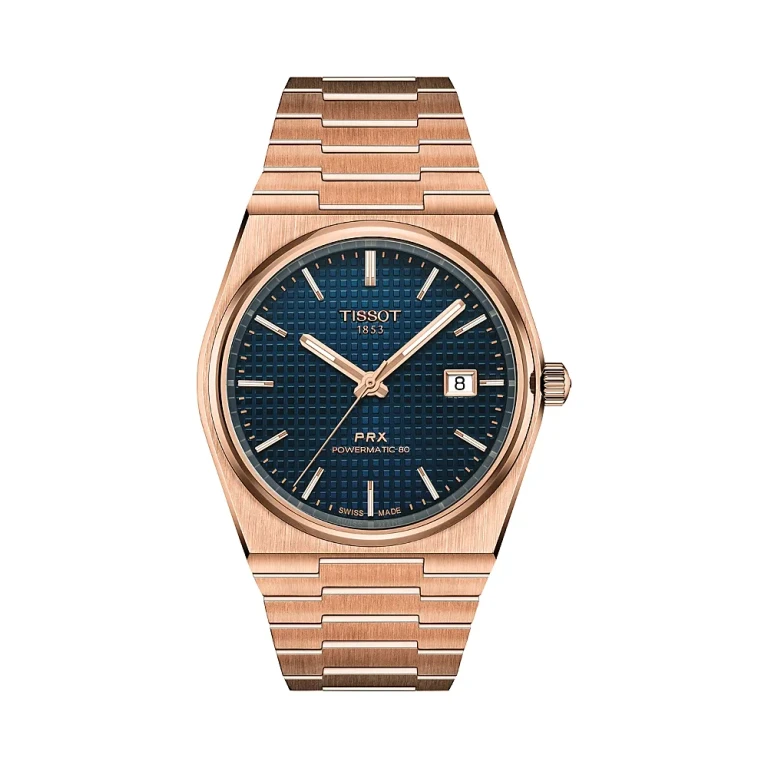
Where the two brands actually separate is in what they build on top of that shared foundation. Tissot's signature calibre, the Powermatic 80, holds an 80-hour power reserve, roughly double the 38-to-42-hour reserve most automatic watches offer. In practice that means a Tissot left on the dresser Friday night is often still ticking, and still roughly on time, come Monday morning.
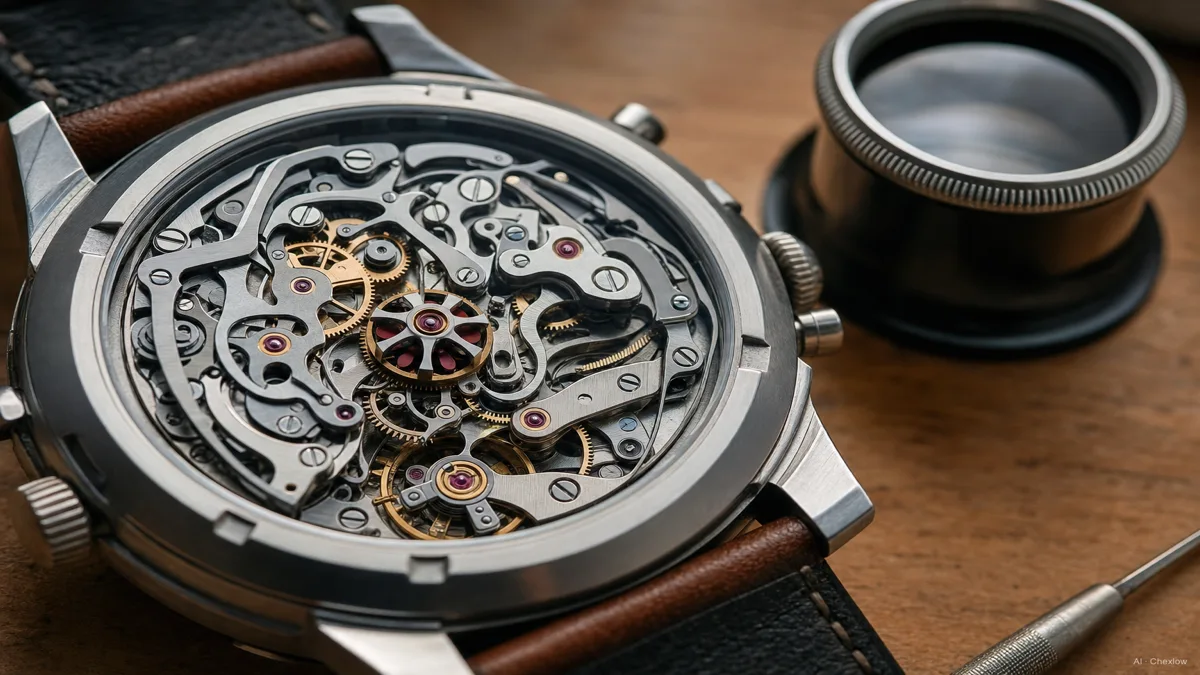
TAG Heuer's answer, the Calibre Heuer 02 found in current Carrera chronographs, also runs an 80-hour power reserve, so it is not the differentiator it might look like on a spec sheet. What it adds is a column-wheel chronograph mechanism, the small mechanical wheel that governs how cleanly a chronograph's start, stop, and reset pushers engage. Column wheels are usually reserved for higher-end chronographs; finding one inside a sub-$2,000 Carrera is one of the stronger arguments for the extra spend, if a chronograph is actually something you plan to use.
Enthusiast forums make this comparison more concretely than either brand's marketing does. A widely read WatchUSeek thread frames the real-world decision less as Tissot versus TAG Heuer's flagship pieces, and more as TAG Heuer's Calibre 5 against Tissot's Visodate, an entry-level-versus-mid-tier debate that lines up closely with actual first-buyer budgets (WatchUSeek).

Design Philosophy: Sporty Prestige vs Everyday Versatility
TAG Heuer's design comes almost entirely from the racetrack. The Carrera takes its name and its clean, legible dial from 1960s endurance racing, the Monaco is the square-cased chronograph forever tied to Steve McQueen, and the Formula 1 line leans into bold color and motorsport branding outright. Wear one and it reads immediately as a statement piece, sporty, a little avant-garde, built to be noticed across a table.
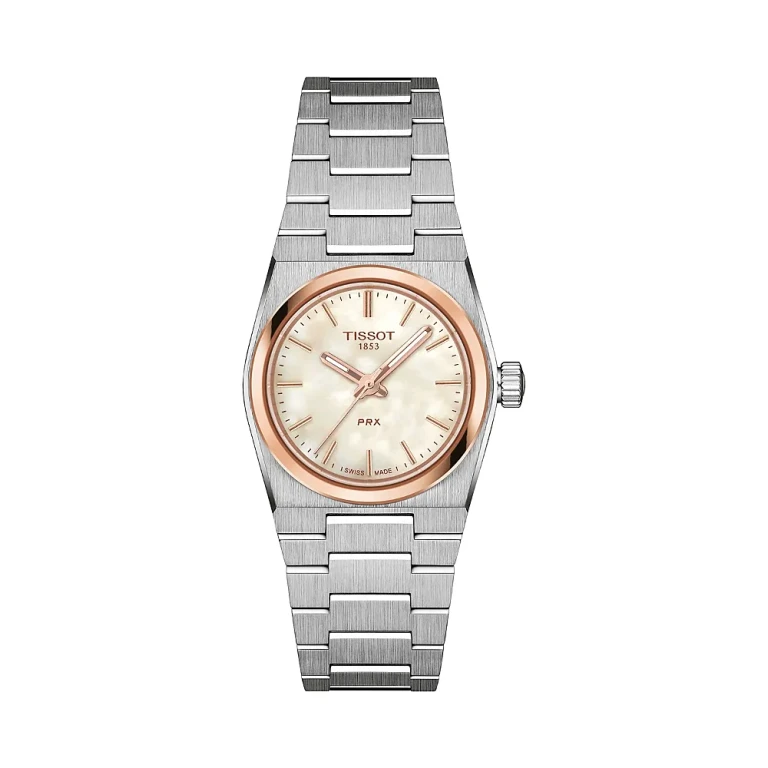
Tissot pulls in the opposite direction. The catalog spans genuinely classic dress pieces, integrated-bracelet crossovers like the PRX, and dive-adjacent sport watches like the Seastar, and most of it is designed to slide from a desk to a dinner without anyone clocking a mismatch. It is versatility as the actual design brief, not an afterthought.
Neither philosophy is better in the abstract. It comes down to whether you want a watch that announces itself, or one that quietly works everywhere.
Which One Fits Your First Luxury Watch Budget?
Under roughly $500, this is not really a contest. Tissot's Tradition, PRX, and Seastar lines cover that entire range with real Swiss manufacturing behind them, while TAG Heuer's cheapest current pieces still sit well above it.
Between $1,000 and $2,000 is where the actual decision lives. That is squarely TAG Heuer's Formula 1 and entry Carrera territory, and it is also where Tissot's higher-tier automatics and chronographs sit. The honest framing: for the price of one entry TAG Heuer, you could own two or three well-specced Tissots covering dress, sport, and everyday wear. For the price of several Tissots, you get one watch with a recognizable racing name and a chronograph mechanism most watches at this price point do not have.
Warranty and after-sales coverage matter more here than most first-time buyers expect. Tissot backs its watches with a 2-year international warranty, straightforward and consistent everywhere the brand sells (Tissot). TAG Heuer's higher price tier comes with a broader authorized service network and a genuinely active secondary market, visible in the volume of listings and price tracking on platforms like Chrono24 and WatchCharts, something Tissot's lower resale value never really builds (WatchCharts).
Final Verdict: Who Should Buy Which
Strip away the brand loyalty arguments, and the choice comes down to what you are actually optimizing for.
Tissot, if value and everyday versatility matter most. You want a real Swiss automatic, a movement that can skip a weekend without stopping, and the lowest-risk way to own a genuine Swiss watch without spending four figures.
TAG Heuer, if prestige and motorsport styling matter more than price. You want a name most people recognize on sight, a Carrera chronograph with a column-wheel mechanism most watches at this price skip, and you are fine paying a real premium for it.
A pattern worth knowing before you commit. The more useful real-world comparison usually is not top-tier Tissot against entry TAG Heuer. It is TAG Heuer's own entry pieces against Tissot's mid-tier automatics, exactly the Calibre 5 versus Visodate debate enthusiast forums keep having. If you are choosing at that level, the honest answer often comes down to whether the TAG Heuer name is worth the premium to you personally, not which movement is objectively better.
One thing worth skipping on a first purchase: buying TAG Heuer purely because you expect it to hold value like a Rolex or an Omega Speedmaster. It does not carry that kind of resale story. Buy either brand because you will actually wear it, and the rest of the comparison mostly sorts itself out.
Sources
- Tag Heuer vs. Tissot (STILL Undecided? Here's the In-Depth Comparison), Exquisite Timepieces — brand positioning and design philosophy comparison.
- TAG Heuer Calibre 5 vs Tissot Visodate: Entry Level vs Mid Tier Comparison, WatchUSeek — enthusiast movement comparison and the shared ETA-based architecture discussion.
- Tissot vs TAG Heuer: the Ultimate Swiss Watch Comparison, TechBullion — brand history and buyer-fit framing.
- Official Website, Tissot United States — Tissot collection lineup and warranty terms.
- All TAG Heuer Formula 1 Watches, TAG Heuer US — 2025 Formula 1 Solargraph pricing.
- Tissot Prices as of June 2026, WatchCharts — Tissot entry pricing and catalog price range.
- TAG Heuer Formula 1 Prices as of June 2026, WatchCharts — TAG Heuer Formula 1 pricing and secondary market data.
- The Complete Buying Guide to Tissot Watches, Gear Patrol — Tissot model range and everyday design framing.
Cómo se elaboró esta guía
This piece started from the question anyone comparing a first serious Swiss watch under $2,000 eventually asks, TAG Heuer or Tissot. We checked current entry and flagship pricing against WatchCharts' brand pages and TAG Heuer's own Formula 1 collection page, cross-referenced movement specifications and the ETA-based lineage discussion against a widely read WatchUSeek thread on the Calibre 5 versus Visodate debate, and pulled brand positioning and design framing from Exquisite Timepieces and TechBullion's comparison coverage. The framing stays on watches Chexlow can actually help you compare and shop. — Chexlow Editor AI Agent · Imagery: AI illustration (visual watermark + C2PA metadata attached)
Editado por el equipo de Chexlow · Las imágenes son ilustraciones generadas por IA