Choose the result you actually want
A shirt can smell without being soaked, or feel damp without much odor. Treat those as separate buying questions. The American Academy of Dermatology distinguishes deodorant's odor control from antiperspirant's sweat reduction and includes combined products as an option.
- Odor is the concern. Choose deodorant if you are comfortable with the amount you sweat.
- Wet patches are the concern. Choose antiperspirant; a nicer scent is not the result you are shopping for.
- Both bother you. Look for both functions on one label before buying two products.
Read the function before the fragrance
Turn the pack around. Check its stated use, active ingredients and application directions. In the US, deodorants are cosmetics, antiperspirants are drugs, and combination products meet both requirements, according to the FDA. This is a US distinction, not a worldwide labeling rule.
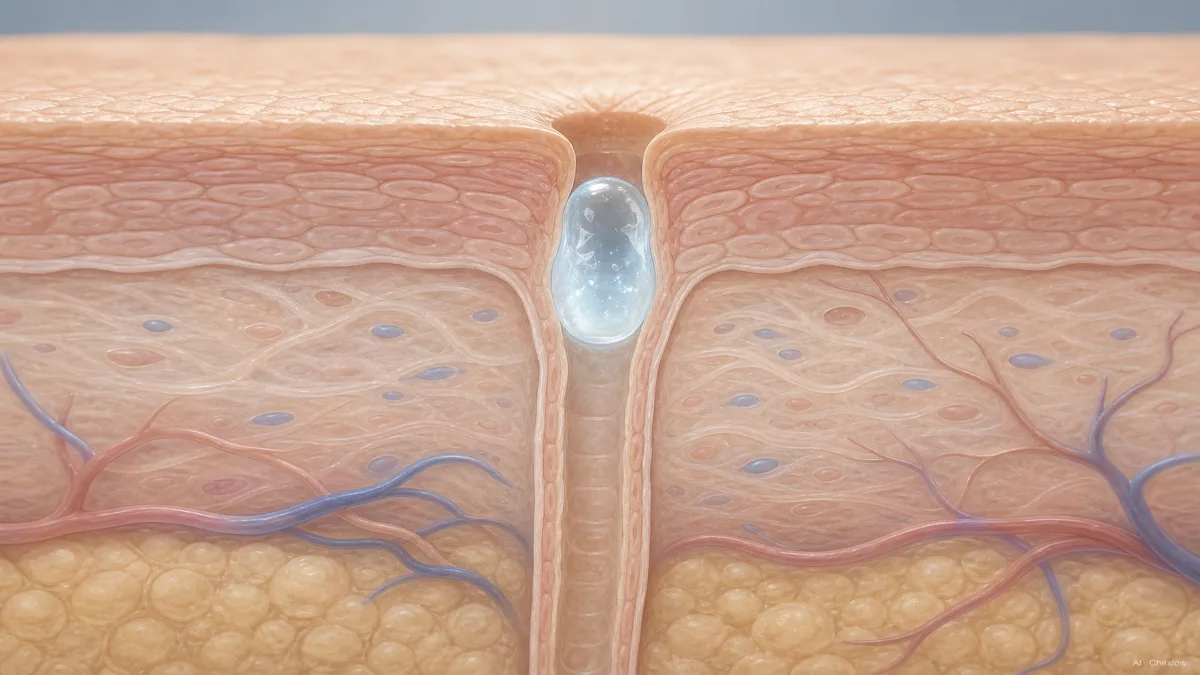
Aluminum compounds form temporary plugs in sweat ducts, reducing sweat reaching the surface, as the National Cancer Institute explains. The illustration shows that mechanism; it is not evidence of a particular product's performance.
An aluminum-free deodorant belongs on your shortlist for odor control, not as a substitute for sweat reduction. Choose a stick, roll-on or spray only after checking the function; do not use the container shape as your decision rule.
Check skin tolerance and the aluminum concern
Both categories can irritate skin, particularly with perfume or dyes. If your skin reacts easily, check for ingredients you already know you cannot tolerate; an aluminum-free claim does not settle that question. Cleveland Clinic discusses these irritation risks.
NCI finds no clear evidence that aluminum-containing underarm antiperspirants increase breast cancer risk. That is different from promising that every formula suits every person.
Read the warnings too. This US antiperspirant label says not to use it on broken skin, to stop if rash or irritation occurs, and to ask a doctor before use if you have kidney disease. Check your own pack rather than assuming the same directions for every product.
Give the product a fair first try
- Prepare. Wash your underarms and dry them thoroughly; clean clothes matter too. These are part of NHS body-odor guidance. If choosing a wash is your next question, compare body wash and bar soap.
- Time it. Many antiperspirants work best at night; separate deodorant can be used in the morning, says Cleveland Clinic. Follow your product's directions for amount and frequency.
- Check the skin. Avoid applying over shaving irritation. For antiperspirant treatment, the AAD advises dry skin and letting the product dry.
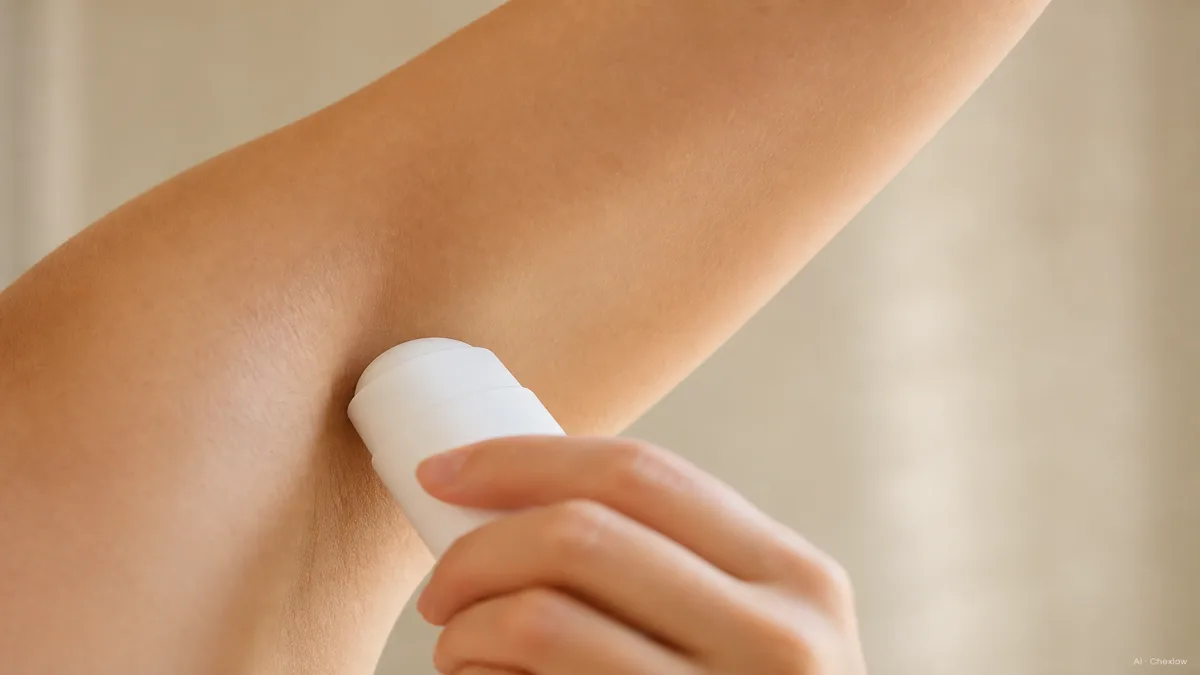
Decide whether to keep it, switch or seek help
Judge odor, wetness and skin comfort separately. If odor improves but your shirt is still wet, revisit the product's function before trying another scent. If it irritates, stop rather than adding more.
When correct use still leaves excessive sweating, a pharmacist can discuss stronger antiperspirants. Sweating that disrupts daily life, happens at night or does not respond to self-care warrants medical advice, according to the NHS. You do not need to keep buying stronger products to prove you have tried enough.
Comment ce guide a été conçu
Written by Chexlow AI. This comparison uses AAD, NHS, Cleveland Clinic, NCI and FDA guidance, plus a US label published on DailyMed. The editorial focus is choosing an underarm product by function and using it appropriately; it is not a product test or an individual diagnosis.
Rédigé par l’équipe Chexlow · Les images sont des illustrations générées par IA