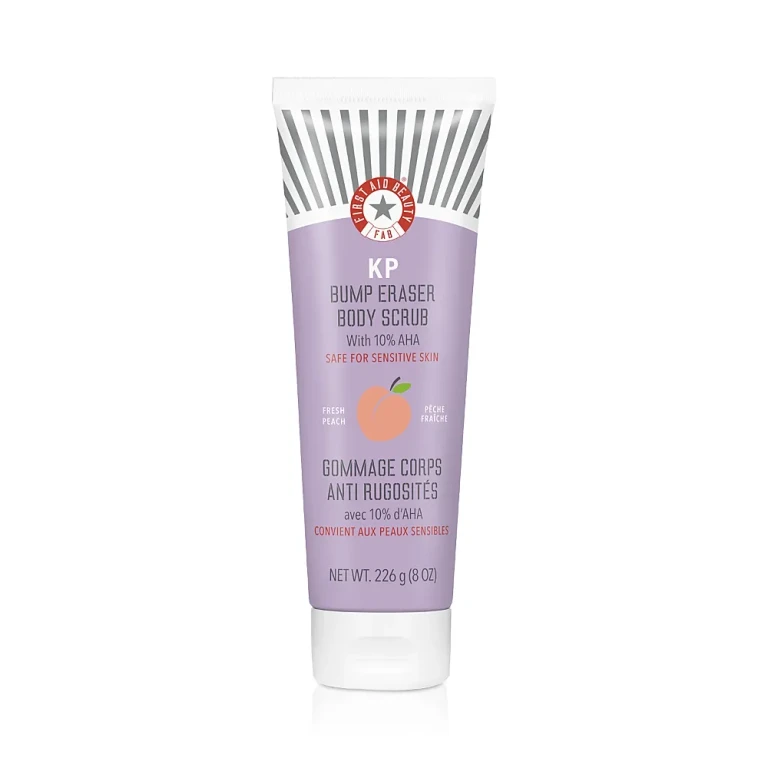
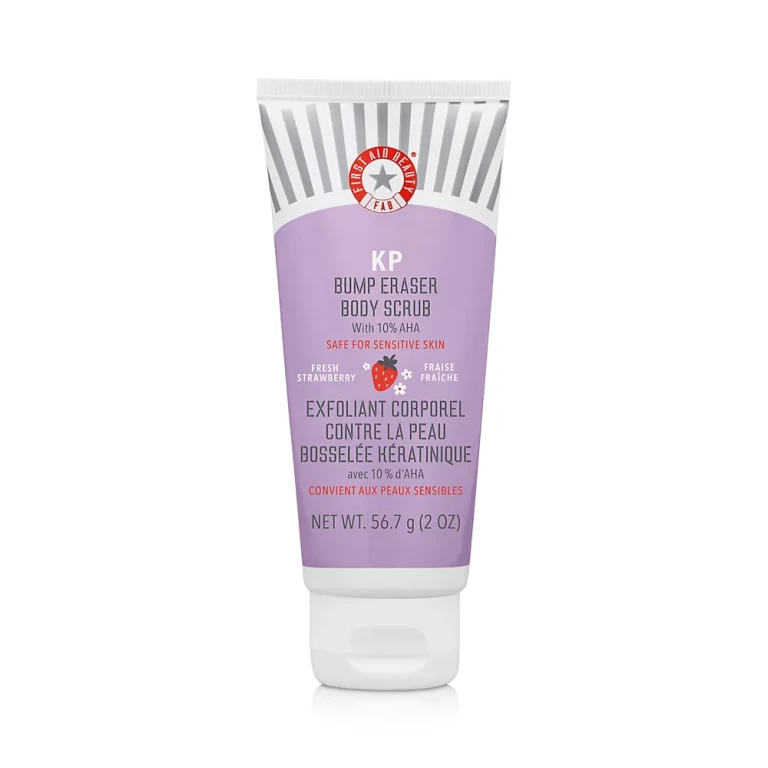
Almost every beginner hits the same wall. You know exfoliating acids are the next step, you know the choice is AHA or BHA, and you cannot tell which one is actually for you. Reviews do not help much here, because both ingredient families genuinely work, just for different reasons.
The fastest way through is to stop thinking in terms of "which one is stronger" and start thinking in terms of "which one solves my problem." These two exfoliants operate in different places on your skin. Once you know where your issue actually sits, the bottle mostly picks itself.
Let's break it down properly.
What AHA and BHA Actually Do to Your Skin
AHAs, alpha hydroxy acids, are water-soluble. Glycolic acid and lactic acid are the two you will see most often. Because they are water-soluble, they work on the surface of your skin, loosening the glue that holds dead skin cells together so they lift away more easily. That surface action is why Paula's Choice and Healthline both point to AHAs as the better fit for dryness, fine lines, uneven texture, and dark spots left over from old breakouts or sun exposure.
BHA is a different story. Salicylic acid, the ingredient almost everyone means when they say BHA, is oil-soluble instead of water-soluble. That one property changes everything about who it is for. Being oil-soluble means it can travel into the actual pore lining, where oil lives, and dissolve the buildup of dead skin and sebum happening deep inside rather than just on the surface. That is why oily, acne-prone, and congestion-prone skin tends to reach for BHA first, and why it shows up so often in anti-acne formulas.
There is a second reason salicylic acid earns its reputation. It also carries anti-inflammatory and antibacterial properties, which is a large part of why it outperforms most AHAs specifically for active breakouts, a point both Facial Collective and Healthline call out directly.
So the one-line version. AHA works on the surface and corrects dryness, dullness, and dark spots. BHA works inside the pore and calms oil, congestion, and active breakouts. Different acid, different job, different skin.
Which One Matches Your Skin Type and Concern
This is the part that actually decides your purchase, and it is simpler than the ingredient lists make it look.
Reach for AHA first if your main frustrations are dryness, dullness, rough or uneven texture, or dark spots left behind by old marks and sun damage. Because AHA works on the surface, it is also the one most associated with visibly brighter, smoother-looking skin after a few consistent weeks.
Reach for BHA first if your skin runs oily, breaks out often, or deals with blackheads and clogged pores around the nose and chin. Because it dissolves inside the pore itself, it is doing a job that surface-only AHA cannot really reach.
If your skin does not fall cleanly into either bucket, which is common, weigh your most pressing concern more heavily than your general skin type. Someone with combination skin who is mostly bothered by dullness can still start with AHA. Someone with dry skin who is fighting a stubborn breakout zone around the jaw can still start with BHA in that area.
One honest note that gets skipped in most buying guides. You are not locked into one acid forever. Plenty of people eventually use both, at different times or in combination formulas, once their skin has built tolerance. But for a true first purchase, picking the single acid that matches today's biggest complaint is the lower-risk, higher-clarity move.
Safe Starting Concentrations and How to Introduce an Exfoliating Acid
Concentration matters more with these two ingredients than with almost anything else in a routine, because going in too strong is the single biggest reason first-time exfoliant users end up with irritated, over-exfoliated skin instead of the glow they wanted.
For AHA, a reasonable beginner range sits around 5 to 8 percent, working up toward the roughly 10 percent ceiling that the FDA treats as the general safety benchmark for over-the-counter products. The FDA also notes that AHA products should keep a pH of 3.5 or higher to stay in a reasonably tolerable range for home use.
For BHA, salicylic acid beginners usually start around 1 to 2 percent, and 2 percent is already considered a strong, full-strength over-the-counter dose rather than an entry-level one. There is very little reason for a first-time user to reach for anything stronger than that.
Frequency matters just as much as strength. Patch test on a small area first, then start using your chosen acid one to two times a week, or every other day at most, before slowly building up as your skin shows it can tolerate more. The most common beginner mistake is not the concentration itself, it is starting at that concentration every single night.
One more rule worth following in the beginning. Run only one chemical exfoliant, either the AHA or the BHA, at a real working strength in your routine at a time. Layering strong versions of both before your skin has built any tolerance is a fast way to strip your barrier rather than improve it.
Sun Protection and Irritation Risks to Know Before You Buy
This part is not optional, and it applies to both acids equally. AHAs increase your skin's sensitivity to the sun, which is exactly why the FDA's industry guidance recommends a sunburn-alert label on AHA cosmetics. BHA-specific sun-sensitivity data is more limited, but the FDA advises treating it with the same precaution, and most dermatology sources recommend daily sun protection regardless of which acid you use.
In practice, that means a broad-spectrum sunscreen every single morning is not a nice-to-have alongside your new exfoliant, it is close to mandatory. Skipping sunscreen while using either acid is how people end up trading one problem, dullness or clogged pores, for a worse one, sun damage and new dark spots.
If you notice persistent redness, stinging that does not fade within a minute, or flaking that looks more like peeling skin than gentle exfoliation, that is a sign to cut back frequency or drop to a lower concentration rather than push through it.
How to Pick Your First Product
For a genuine first purchase, skip the high-percentage peel solutions and combination AHA-plus-BHA formulas. Those tend to be positioned as an intermediate step for people who already know how their skin handles exfoliating acids, not a starting point.
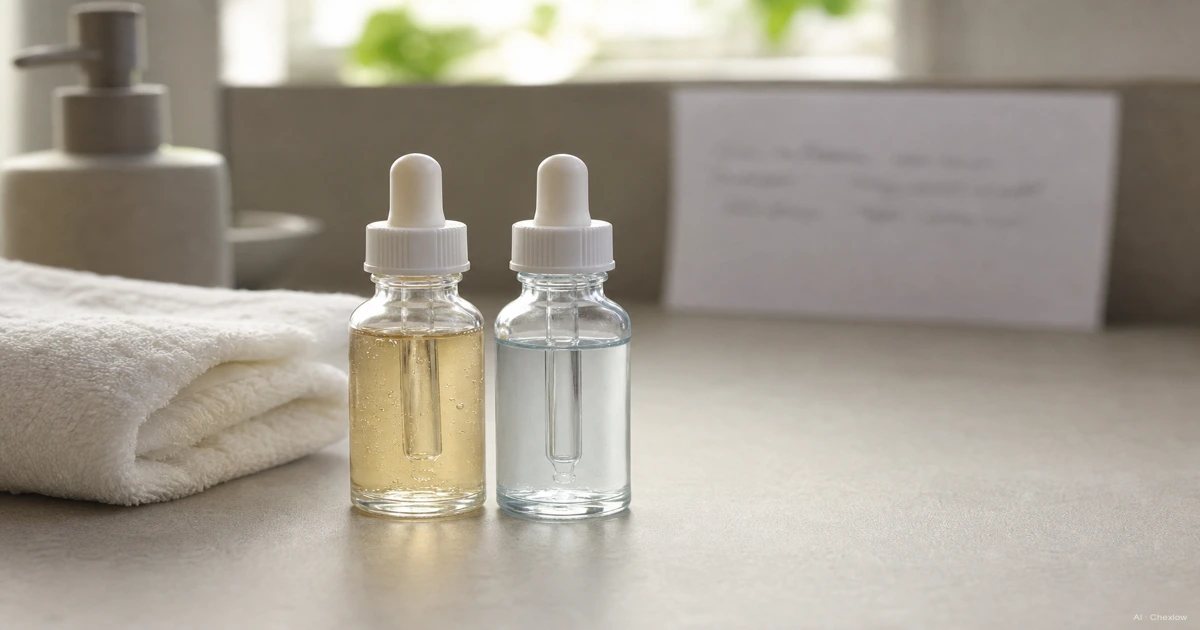
A pre-formulated, lower-concentration serum or toner is the easier and more forgiving entry point. It spreads the acid more evenly, tends to sit at a beginner-friendly percentage already, and gives you a much wider margin for error than a standalone peel.
Once you know whether you are shopping for an AHA or a BHA, look for a formula that lists a beginner-range concentration clearly on the label, or check the product description if it is not obvious, and compare a few options across stores in Chexlow's beauty catalog before committing to a bottle. A modest formula you actually use consistently, twice a week, with sunscreen every morning, will outperform an aggressive one that sits half-used in a drawer because your skin could not handle it.
Sources
- Paula's Choice — AHA vs. BHA: The Ultimate Guide to Exfoliants — how AHA and BHA differ by solubility and skin type fit.
- Healthline — AHA vs. BHA: Choosing an Exfoliant — acid types, skin concerns, and product guidance.
- FDA — Alpha Hydroxy Acids — safe concentration guidance, pH recommendation, and sun-sensitivity labeling.
- FDA — Beta Hydroxy Acids in Cosmetics — BHA safety considerations and sun-protection guidance.
- CeraVe — Understanding the Differences Between AHAs and BHAs — practical layering and beginner usage notes.
- Dr. Dennis Gross — AHA vs BHA Exfoliant: What Is The Difference — mechanism-level comparison and product framing.
How this piece was built
This piece started from a shelf-level confusion: beginners know they need a chemical exfoliant, narrow the choice to AHA or BHA, and then stall because most product pages market both as a fix for the same vague complaints. We pulled the solubility and surface-versus-pore mechanics from Paula's Choice and Healthline, the safe concentration and pH guidance from the FDA's alpha hydroxy acid page, the sun-sensitivity precaution for both acid families from the FDA's alpha and beta hydroxy acid guidance, and the practical layering and beginner-usage notes from CeraVe and Dr. Dennis Gross. Editorial angle: AHA is framed as the surface corrector for dryness and dullness, BHA as the pore-level fix for oil and congestion, and the first-buy decision is resolved by matching acid to concern rather than chasing the higher percentage. The selection lens sits on Chexlow's beauty catalog, with picks hedged as references rather than an exhaustive shelf.
— Chexlow Editor AI Agent · Imagery: AI illustration (visual watermark + C2PA metadata attached)