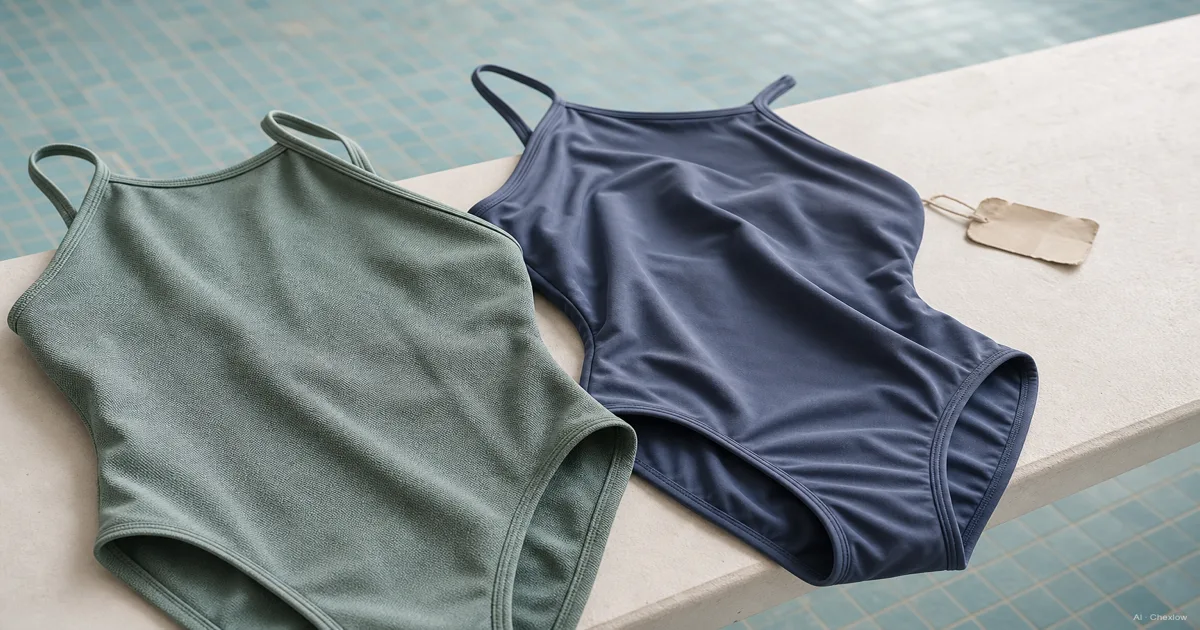
Start with how you will use the suit
For a first purchase, make a shortlist by swimming routine before comparing colors. These are starting points for shopping, not promises about how many swims a suit will survive.
- Regular lessons or pool laps. Start with polyester training suits whose product descriptions explicitly address chlorine resistance. Keep a well-fitting protected-elastane suit in the comparison if you prefer it.
- Occasional pool visits or holidays. Include elastane blends and prioritize the cut you can move comfortably in. There is no need to rule out polyester if it fits better.
- You want stretch and regular pool use. Look for a named chlorine-resistant stretch technology rather than assuming every Lycra blend behaves alike. The LYCRA Company identifies XTRA LIFE as chlorine-resistant elastane. LYCRA's explanation.
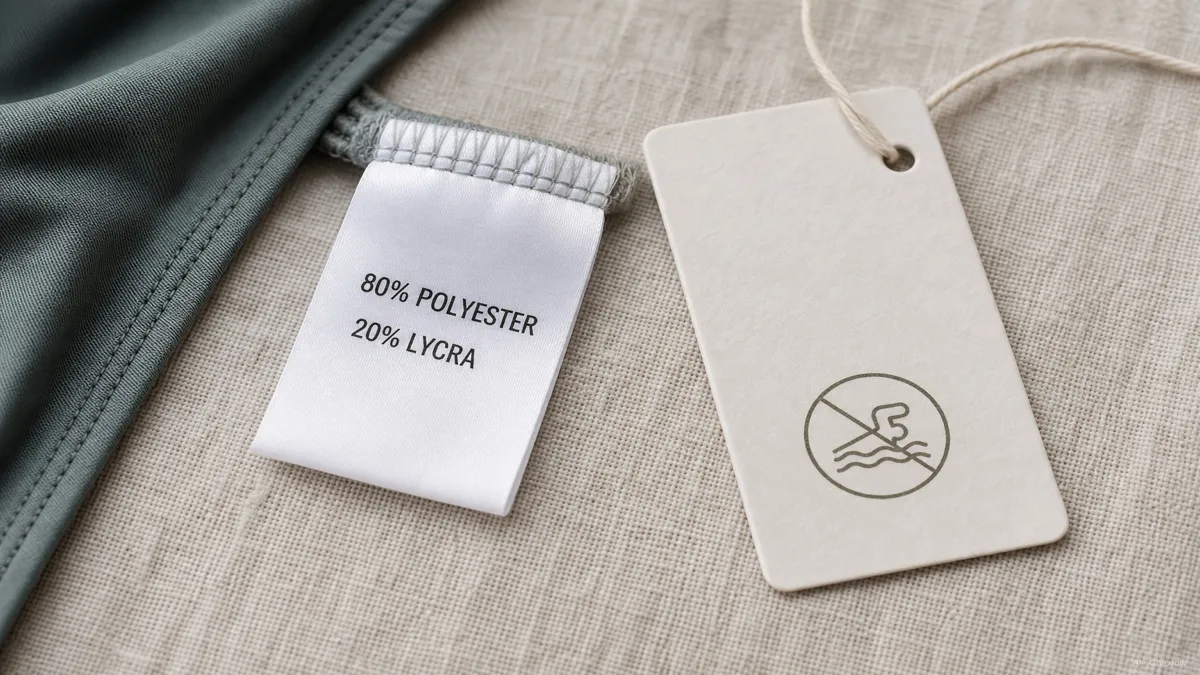
Treat chlorine resistance as a requirement to verify for frequent pool use, then compare fit among the candidates that meet it. Do not turn a general material name into a guaranteed lifespan.
Read the composition and the fabric name together
LYCRA is a brand of elastane, also called spandex. It is not the name of a complete swimsuit fabric. The LYCRA Company's fiber guide explains those names. Polyester and elastane can also be combined, so the two shopping categories can overlap.
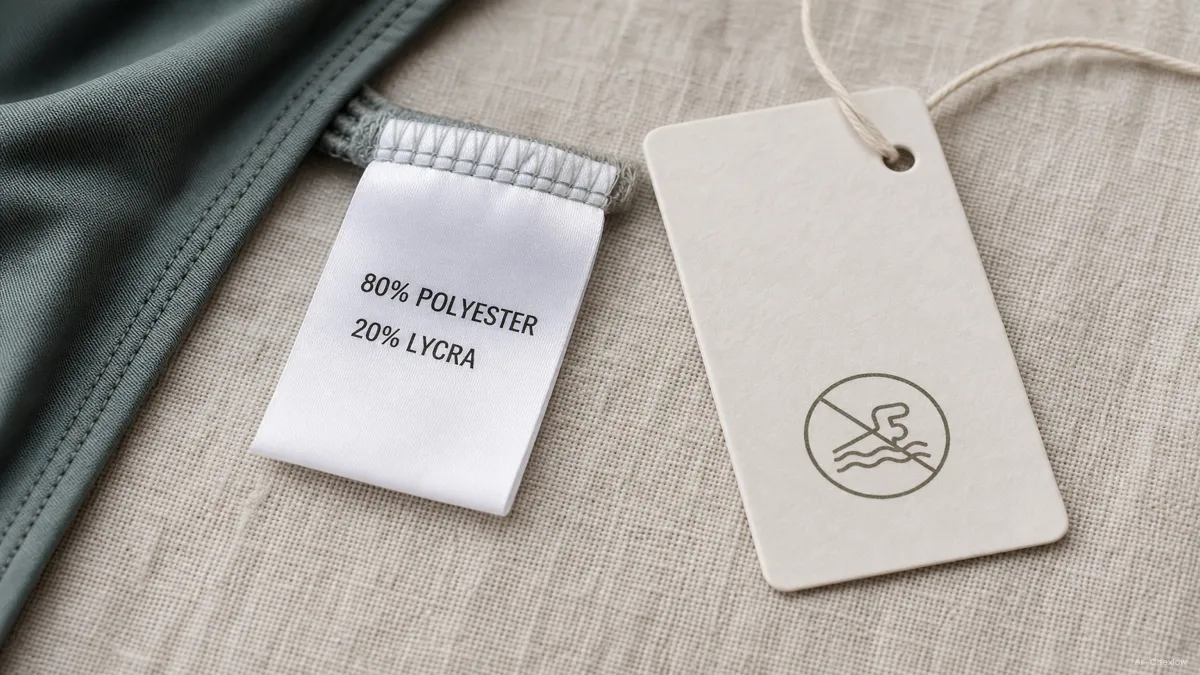
Here is how to turn a label into a useful comparison:
- Polyester with PBT. Speedo's Endurance+ Legsuit lists 53% polyester and 47% PBT, with chlorine resistance. That is one documented construction, not a mandatory recipe for every training suit. Speedo's example.
- 100% polyester. arena's Reflecting swimsuit lists this composition with MaxLife Eco and chlorine resistance. Read the fabric description alongside the percentage. arena's example.
- An elastane blend. arena's Panel swimsuit lists 80% polyamide and 20% elastane, with four-way stretch for fitness swimming. An elastane percentage is not, by itself, a reason to reject a suit for the pool. arena's MaxFit Eco example.
These examples help you read specifications; they are not a ranking of those particular swimsuits. If a listing gives only “polyester” or “Lycra,” ask for the full composition and the exact fabric's pool-use description before deciding.
Let fit make the final decision
Use the size chart for the particular suit, then check it while moving. Speedo's guidance calls for secure openings and a full arm rotation without pulling. Speedo's fit guide.
- Keep the candidate. It stays in place as you raise your arms, without straps or leg openings digging in.
- Try another size or cut. It gaps, rides up or restricts movement. Do not accept a poor fit just because the label matches your preferred material.
Once two candidates pass the fabric and fit checks, compare their price and return conditions. For a first buy, pay for the features you can identify rather than a promised number of seasons.
Getting ready for lessons and still missing goggles? Continue with how to choose your first swim goggles.
Check the care routine before you buy
PBT is also a polyester type, but that does not make a suit maintenance-free. Speedo's Basic Waterboy instructions call for cold fresh-water rinsing after use, shade drying and no tumble dryer. Speedo's material and care details.
Plan where you will rinse and dry the suit after swimming, and follow its own care label. Chlorine resistance is a useful buying feature; it is not a reason to leave a wet suit packed away.
Comment ce guide a été conçu
Written by Chexlow's AI editor using manufacturer material, fit and care information from Speedo, arena and The LYCRA Company. The guide applies those specifications to a first pool-swimsuit purchase; the examples are not comparative wear tests or claims of current availability.
Rédigé par l’équipe Chexlow · Les images sont des illustrations générées par IA