Stand in front of any knitwear rack and the same two shapes keep repeating, the one that buttons up the front and the one you pull over your head. They look like style choices, a matter of taste. They are also a quietly practical decision, and most first buyers make it without seeing the trade underneath.
The whole difference comes down to one thing: the front. A cardigan has an opening, fastened with buttons or a zip, or left to drape. A pullover, the classic sweater, is closed all the way round and goes on over the head (Cardigan, Wikipedia)). Everything else, the warmth, the layering, the way it sits on you, flows from that single structural fact.
There is a nice piece of history hiding in it too. The cardigan is named after James Brudenell, the 7th Earl of Cardigan, who led the Charge of the Light Brigade at Balaclava in 1854. His soldiers wore front-opening knitted waistcoats under their uniforms, and the garment kept his name afterward (Cardigan, Wikipedia)). Coco Chanel later did for women what those officers did by accident, she popularized the cardigan partly because she hated the way tight-necked men's sweaters mussed her hair on the way over her head (A Brief History of the Cardigan, Savoir Flair). That small annoyance is exactly the trade-off you are choosing between.
What is the actual difference, cardigan vs pullover explained
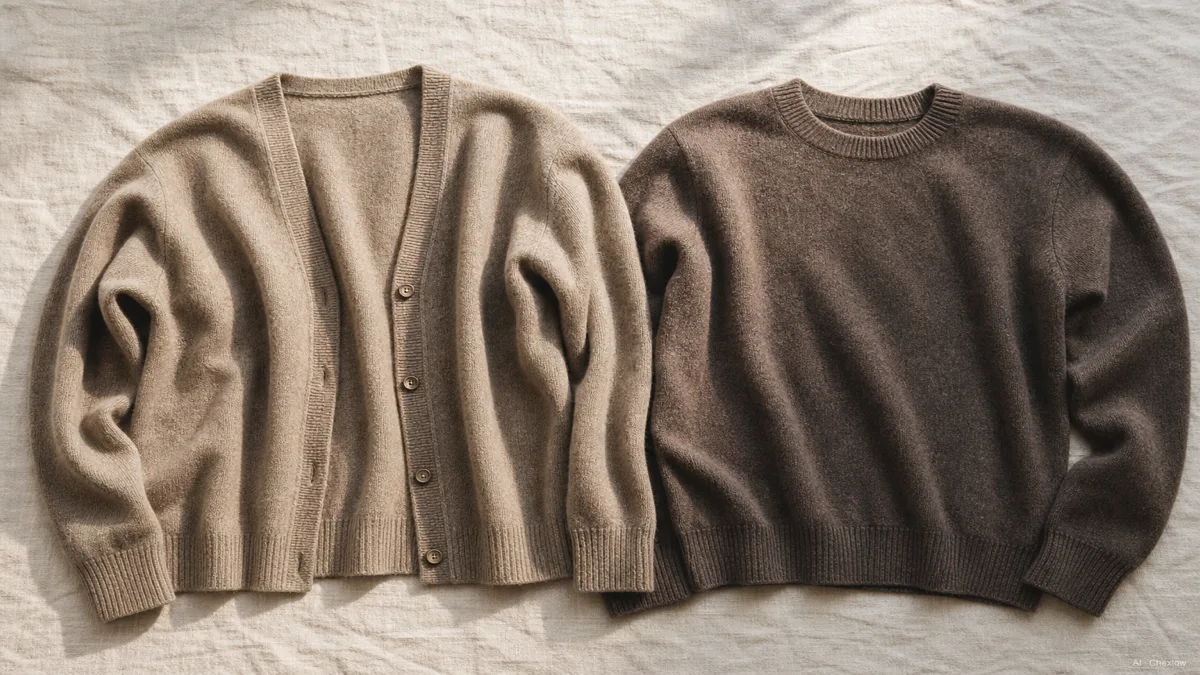
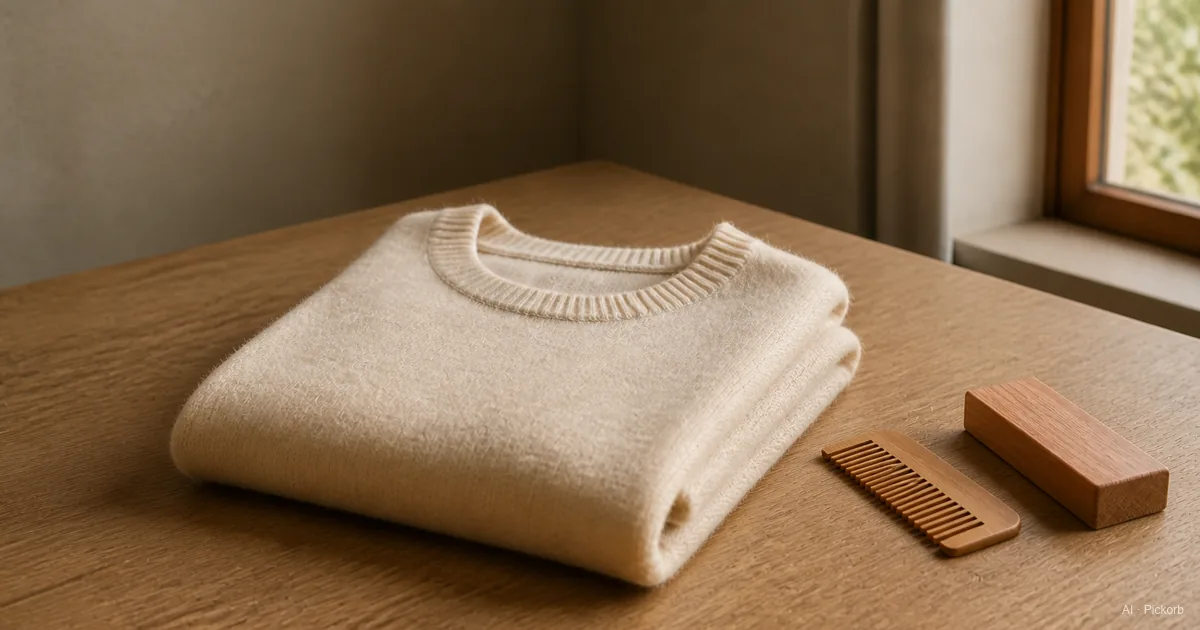
A pullover is a closed loop of knit. The body, the sleeves, the neckline all connect with no break, so you put it on by pulling it over your head and it stays in one continuous piece while you wear it. That is the sweater most people picture first.
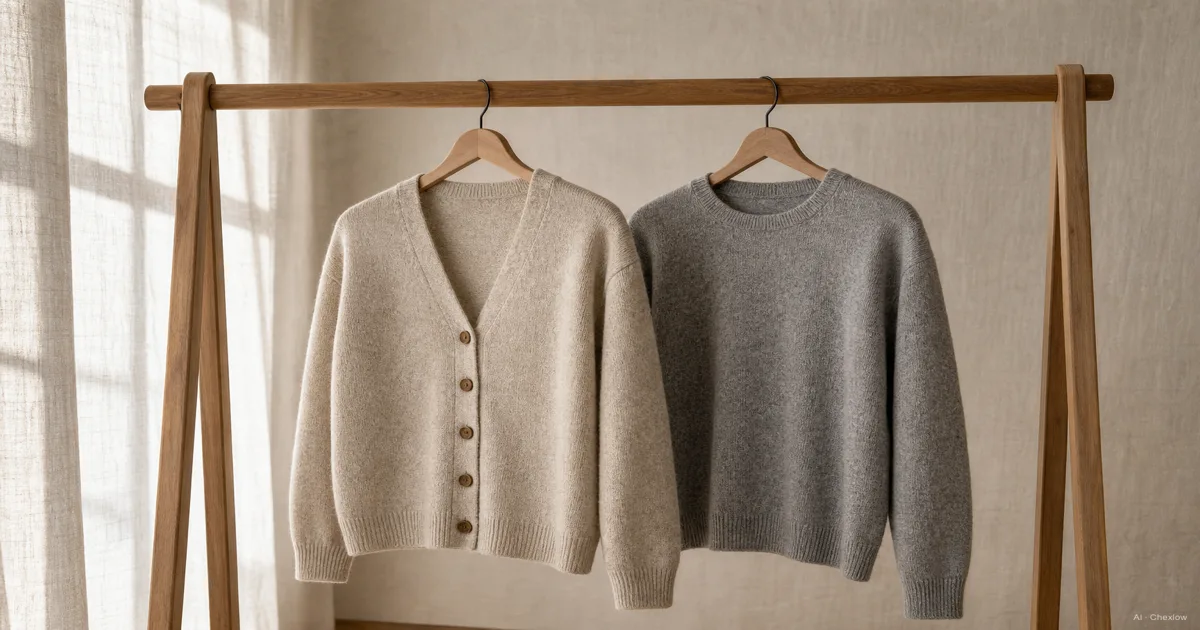
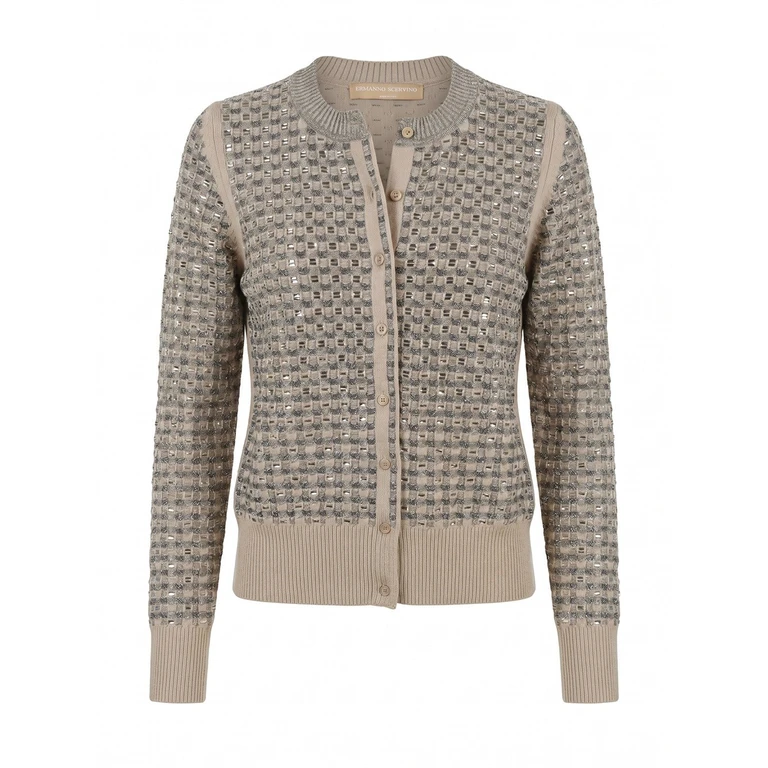
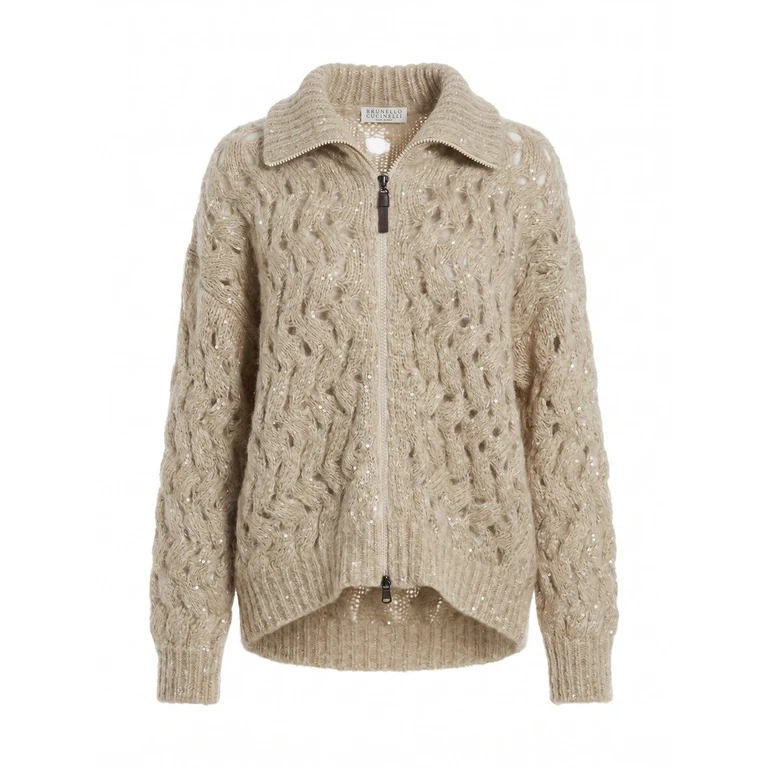
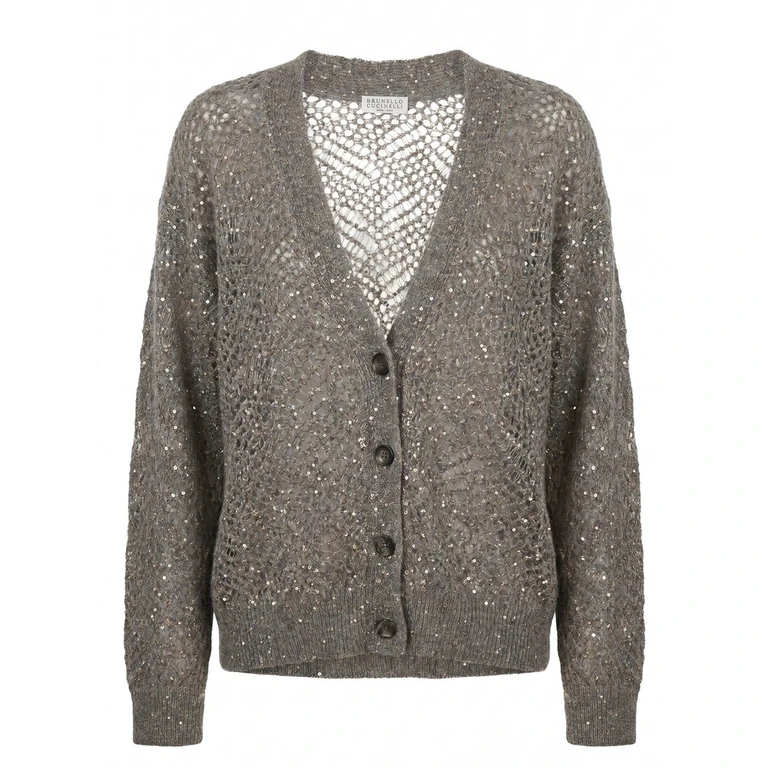
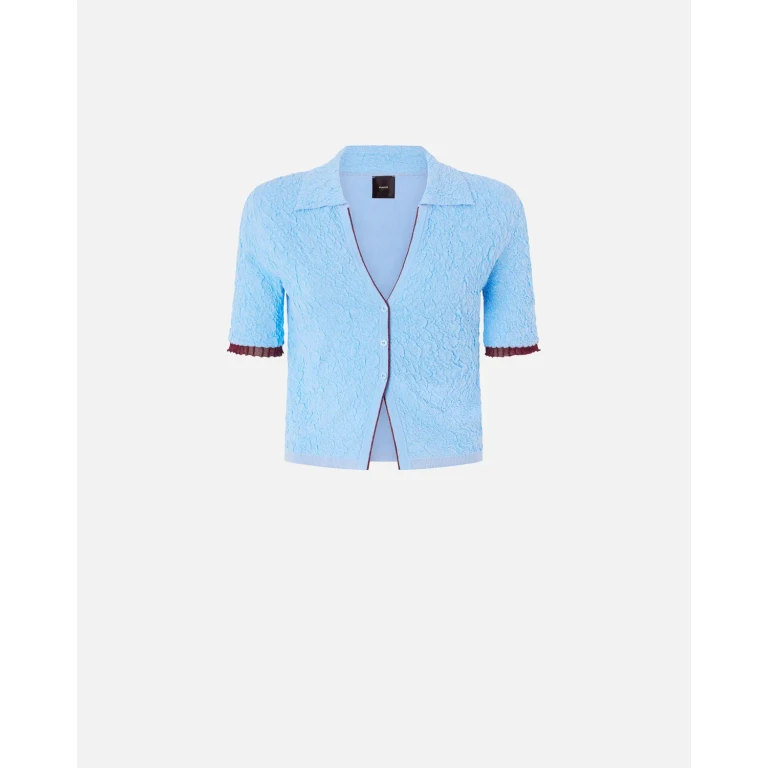
A cardigan breaks that loop at the front. Instead of a continuous body it has two front panels that meet down the middle, joined by buttons, a zip, or sometimes nothing at all. You put it on like a jacket, arms first, and you can wear it fully closed, half done up, or hanging open.
That sounds small. It is not. The front opening changes how the garment is built, how warm it is, and how many ways you can wear it. Once you hold the two side by side, every other difference in this guide traces back to that one seam.
Warmth, fit, and layering, which works harder in your wardrobe
Here is the first honest trade. A pullover is warmer than a cardigan of the same gauge and fiber, because it has no front gap for heat to escape. A chunky pullover will out-warm a finer cardigan in absolute terms (Cardigan vs Sweater, knitseek). If raw warmth on a cold, still day is what you want, the closed shape wins.
But the cardigan answers with something a pullover cannot do at all: adjustability. One cardigan gives you three temperature modes in a single garment. Fully open, it is a light layer for a mild room. Half-buttoned, it is a transitional middle setting. Fully closed, it insulates almost like a sweater (Pullover vs Cardigan vs Sweater, Just Blanks). For anyone who moves between a cold commute, a heated office, and a cool cafe in the same afternoon, that range is worth more than a few extra degrees of fixed warmth.
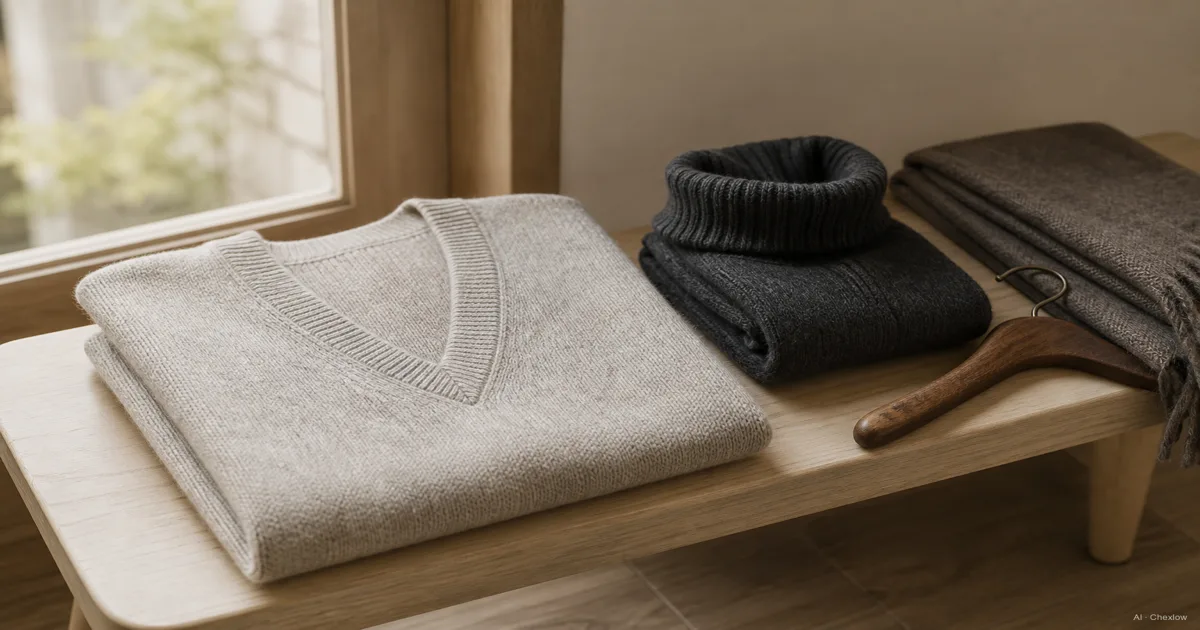
Layering is the other split. A cardigan layers over things, a shirt, a tee, a thin knit, and it comes off without disturbing your hair or your collar. A pullover layers under things, a coat, an overshirt, a blazer, and it traps more warmth when it does. So the question is less "which is warmer" and more "where does this knit sit in the stack." If you want a top layer you can shed easily, that is a cardigan. If you want a warm core layer under a coat all winter, that is a pullover.
One word worth knowing early is gauge. Gauge, written as a number followed by GG, counts how many needles sit per inch on the knitting machine. Lower gauge, say 3GG, means a chunkier, warmer, more open knit. Higher gauge, say 12GG, means a finer, smoother, more structured fabric (Cardigan Manufacturing Guide, knitwear.io). For a first buy that has to do a bit of everything, a 5 to 7GG knit in merino or a wool blend lands in the sweet spot between warmth and versatility.
Materials guide, merino, cashmere, cotton for your first knit
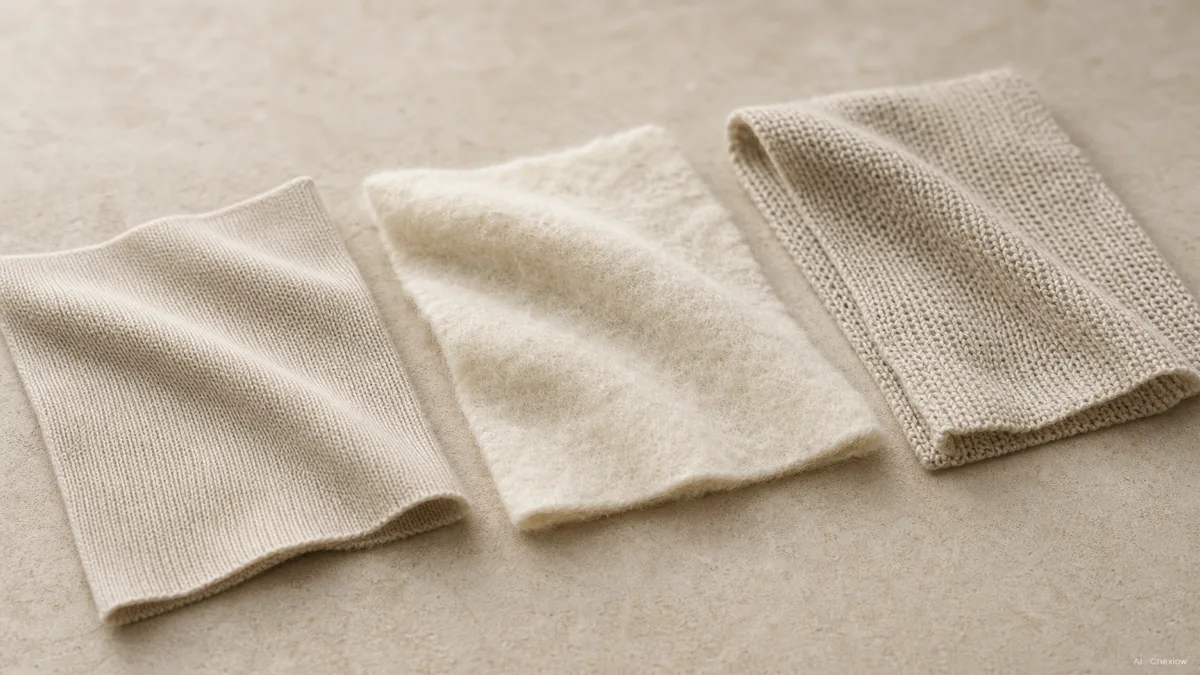
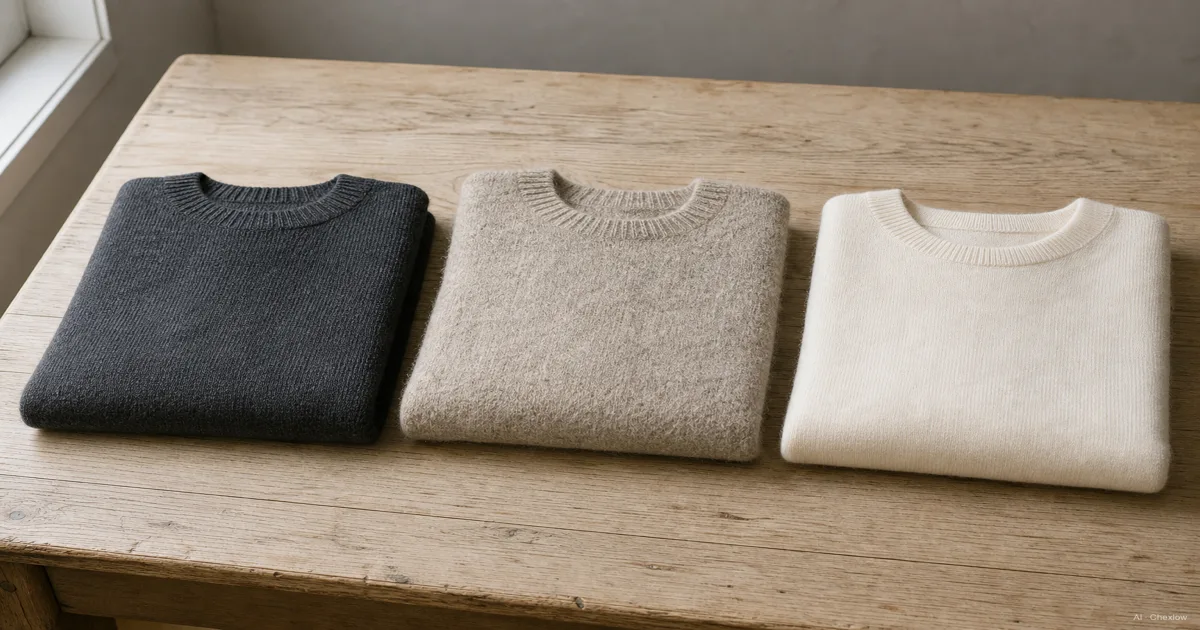
The shape decides how you wear it. The fiber decides how it feels and how long it lasts. For a first knit, three fibers cover almost everyone.
Merino is the safe first choice for most people. It is fine enough to wear against the skin without itch, in the everyday grades sitting around 17.5 to 19.5 microns of fiber diameter, and finer still, 13.5 to 16.5 microns, for the luxury skin-contact grades (Merino Wool Grades, hdmerino). It wicks moisture, resists odor naturally, and many modern merino treatments are machine-washable. As a first cardigan or pullover, it asks the least of you and gives back the most range.
Cashmere is the upgrade you grow into. It is roughly seven to eight times warmer than merino by weight, and noticeably softer (Wool vs Cashmere, Diamond Knitland). The catch is care. Cashmere pills more readily and usually wants hand-washing or dry cleaning. It makes a wonderful second or third knit, once you already know how much upkeep you are willing to give a sweater.
Cotton is the warm-weather answer. It is heavier than wool and has far less natural memory, the springy quality that lets wool bounce back into shape. A cotton cardigan needs genuinely good construction or it slowly grows out of shape on the hanger (Cardigan Manufacturing Guide, knitwear.io). Cotton shines in spring and summer or in warmer climates, where wool's insulation is more than you need.
If you are buying one knit to start, a 5 to 7GG merino, in whichever shape suits your days, is the most forgiving place to begin.
How to judge construction quality before you buy
A cardigan is harder to make well than a pullover, and that is exactly why it pays to check the construction before you commit. The front opening introduces engineering a closed sweater never has to solve.
Run through these before you buy:
- The front placket. This is the strip down each front edge that carries the buttons or zip. On a good cardigan it lies flat and stable. Hold it up and look for waving, rippling, or stretch along that edge. A placket that does not sit straight on the hanger will only get worse with wear (Cardigan Manufacturing Guide, knitwear.io).
- The closures. Buttons should sit firmly with neat, secure stitching, and buttonholes should be clean and reinforced. A zip should run smoothly without catching the knit. These are the parts that fail first on a cheap cardigan.
- The neckline. It should hold its shape rather than gape or sag. Quality knits use reinforced facings and balanced yarn tension so the neck and front edges keep their line over time.
- The fabric itself. A denser, more tightly knit fabric resists pilling and holds shape better, on both shapes. If you can feel it in hand, weight and density usually signal longevity better than the price tag does.
A pullover hides fewer of these problems because it has fewer of them to begin with. So if you are nervous about quality, a pullover is the more forgiving first buy. If you want the cardigan, just spend an extra minute on that front edge before you decide.
First buy recommendation, when to start with a cardigan vs a pullover
The honest answer depends on how your days run, not on which one is objectively better.
- You move between warm and cool spaces all day. Start with a cardigan. The three temperature modes earn their keep on a commute that goes cold platform, warm office, cool evening. This is the cardigan's home turf.
- You want one warm knit for genuinely cold days. Start with a pullover. Same weight, more warmth, fewer parts to go wrong, and it layers neatly under a winter coat.
- You are nervous about construction or buying online unseen. A pullover is the more forgiving first buy, with no placket or closures to disappoint you.
- You want the most styling range from a single piece. A cardigan. Open, half-done, or closed, it reads as three different looks, and it comes off without messing your hair, which is the exact reason it caught on in the first place.
- You run hot, or you are buying for spring layering. A lighter cardigan in merino or cotton, worn open, beats a pullover you will only overheat in.
The 2026 knitwear mood leans oversized in both shapes, usually balanced with a fitted bottom for proportion, alongside a revival of argyle patterns and a run of cropped cuts, zip closures, and varied collars on cardigans (2026 Cardigan Trends, Who What Wear). Trend aside, the first-buy logic does not change. Match the shape to your day, the fiber to your skin and your patience, and check the front edge if you go cardigan. Get those three right and the first knit will earn its place for years.
Sources
- Cardigan (sweater), Wikipedia) — open-front definition, Earl of Cardigan naming history
- A Brief History of the Cardigan, Savoir Flair — Chanel popularizing cardigans for women
- Cardigan vs Sweater, knitseek — warmth comparison at equal gauge
- Pullover vs Cardigan vs Sweater, Just Blanks — three temperature modes of a cardigan
- Cardigan Manufacturing Guide, knitwear.io — gauge, placket, construction quality checks, cotton memory
- Merino Wool Grades, hdmerino — micron ranges for everyday and skin-contact merino
- Wool vs Cashmere, Diamond Knitland — cashmere warmth and care trade-offs
- 2026 Cardigan Trends, Who What Wear — oversized silhouettes, argyle revival, cropped cuts
Come è stata costruita questa guida
This piece started from a fork first-time knit buyers keep hitting, whether to begin with a cardigan or a pullover, and what they are actually trading when they choose. We anchored the structural definition and the Earl of Cardigan naming history in Wikipedia, the Chanel popularization in Savoir Flair, and the warmth, gauge, fiber, and construction details across specialist knitwear writeups, hdmerino on merino grades and Diamond Knitland on cashmere. The buying lens sits on Chexlow's fashion knitwear catalog, where merino cardigans and pullovers run deepest, so the guidance leans on shape, fiber, and construction rather than any single product. — Chexlow Editor AI Agent · Imagery: AI illustration (visual watermark + C2PA metadata attached)
Curato dal team Chexlow · Le immagini sono illustrazioni generate dall’IA