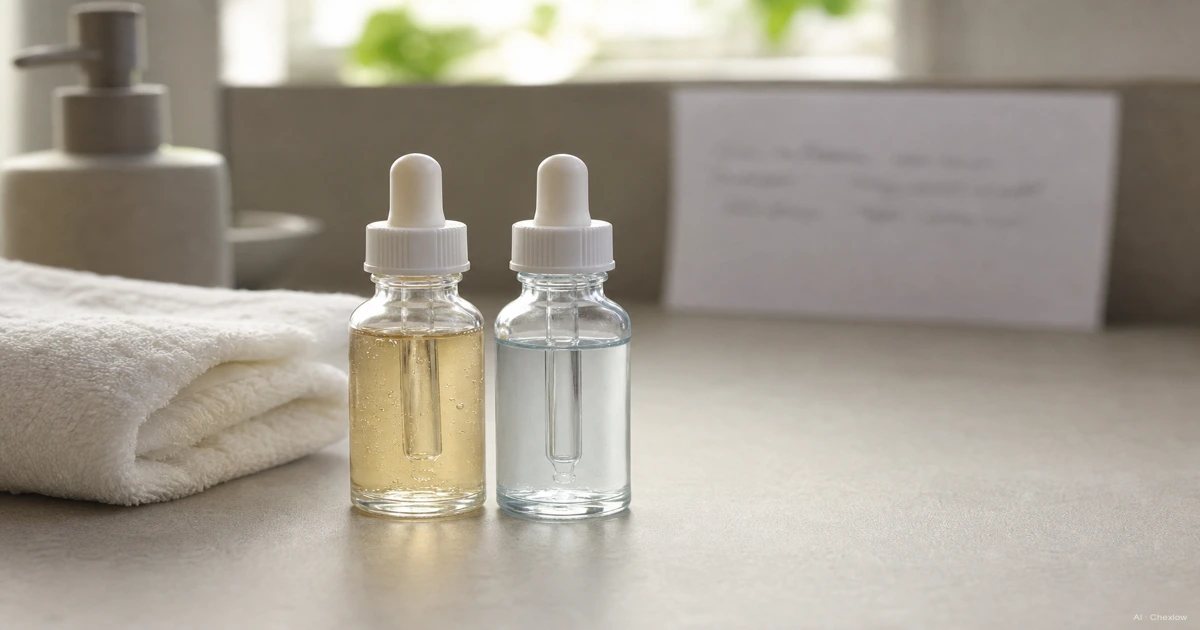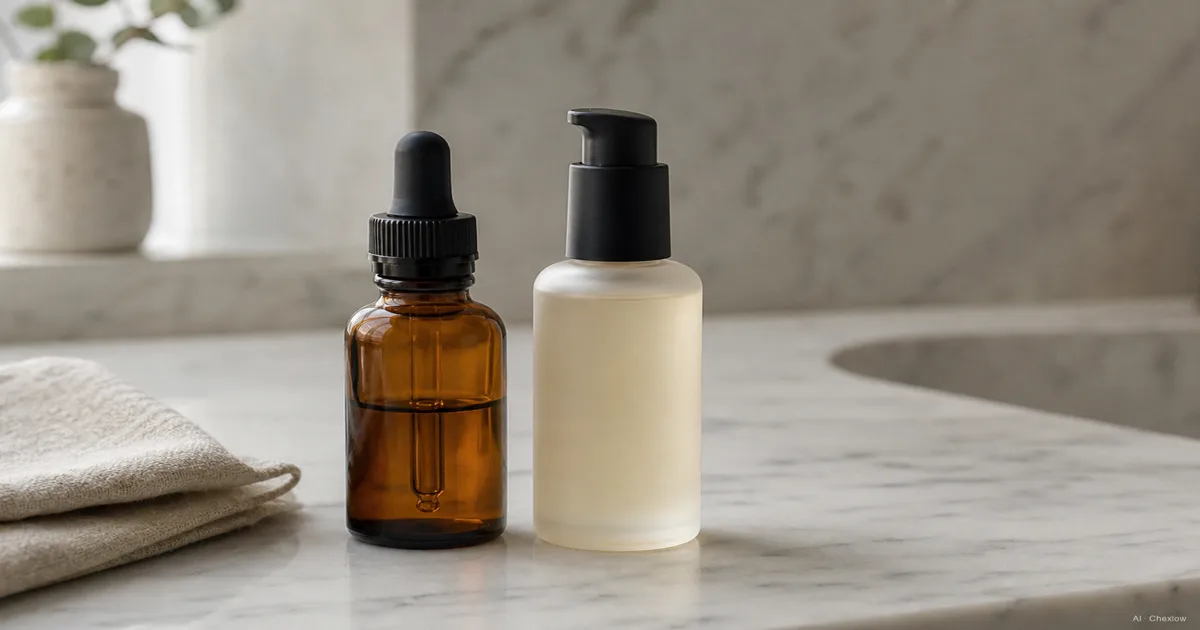
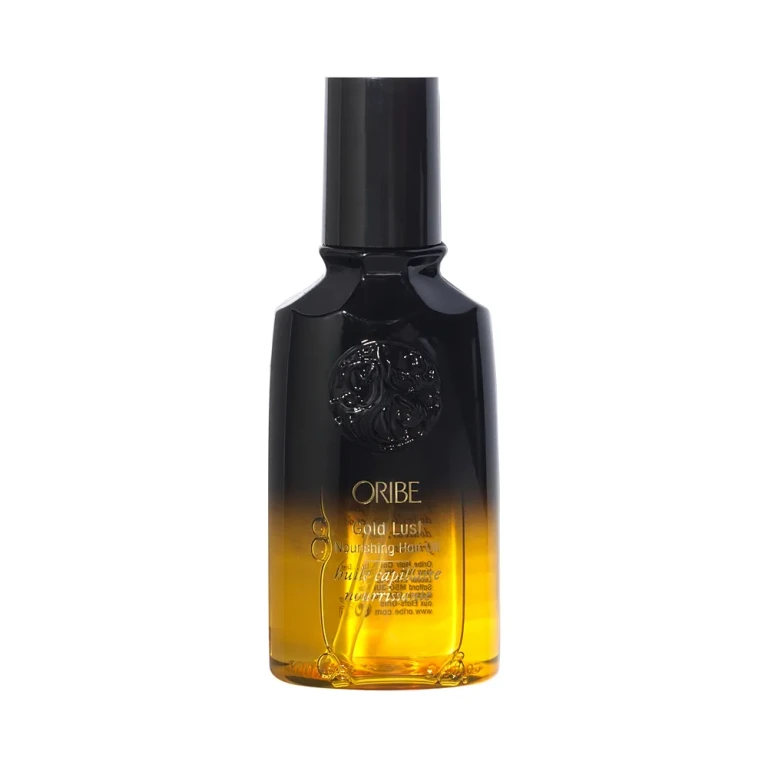
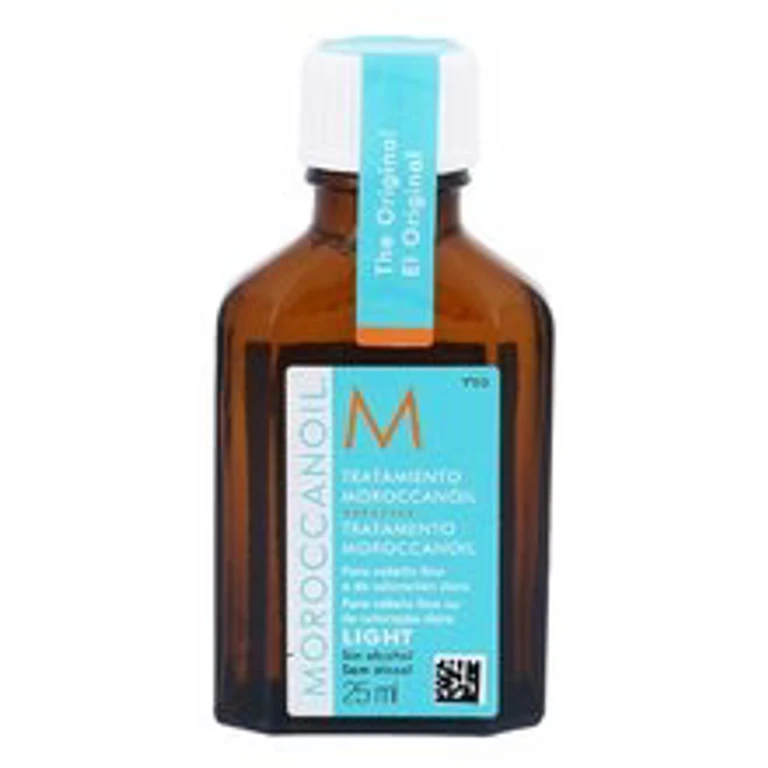
Here is where most people get stuck. Oil and serum sit on the same shelf, promise the same smooth and shiny result, and look almost interchangeable in the bottle. So you either grab whichever one a video told you to, or you buy both and use them in the wrong order. The cleaner way to think about it is by what each one does to the hair, not by which sounds more luxurious.
An oil goes in. A serum sits on top. Once you see them as two different jobs rather than two versions of the same finishing product, the whole aisle gets a lot simpler.
What's the Real Difference, Oil vs. Serum
The difference is not marketing. It is where each product works on the strand.
A hair oil is oil-based, built from natural plant extracts like argan, coconut, or jojoba. Its job is to penetrate the hair shaft and nourish it from within. As L'Oréal Paris lays it out, oils condition from the inside, which is why they read as richer and slower to show their full effect.
Not every oil sinks in equally, though, and this is the part most guides skip. Coconut oil is the one with the most science behind it. A peer-reviewed study found its medium-chain fatty acids are small enough to slip into the cortex, the inner core of the strand, and reduce protein loss from within. Argan oil penetrates less deeply but still adds surface shine and antioxidant protection. So within oils there is a real split: lighter penetrating oils like coconut and olive sink in, while heavier sealing oils like castor and jojoba coat the surface. That split matters later for hair type.
A hair serum works the other way. It is usually silicone-based, leaning on ingredients like dimethicone and cyclomethicone. Instead of soaking in, it forms a thin film around each strand. That film seals the cuticle, locks in moisture, reflects light for instant shine, and blocks humidity that would otherwise puff hair into frizz. As Matrix describes it, a serum smooths and protects the surface rather than feeding the strand.
One more useful distinction inside serums. Volatile silicones like cyclomethicone evaporate and leave almost no residue, while occlusive ones like dimethicone build up over time and eventually need a clarifying shampoo to clear. Neither is bad. It just explains why some serums feel weightless and others, over weeks, start to feel like buildup.
Which One Suits Your Hair Type
Here is where the decision actually gets made, because the right answer is different for different heads.
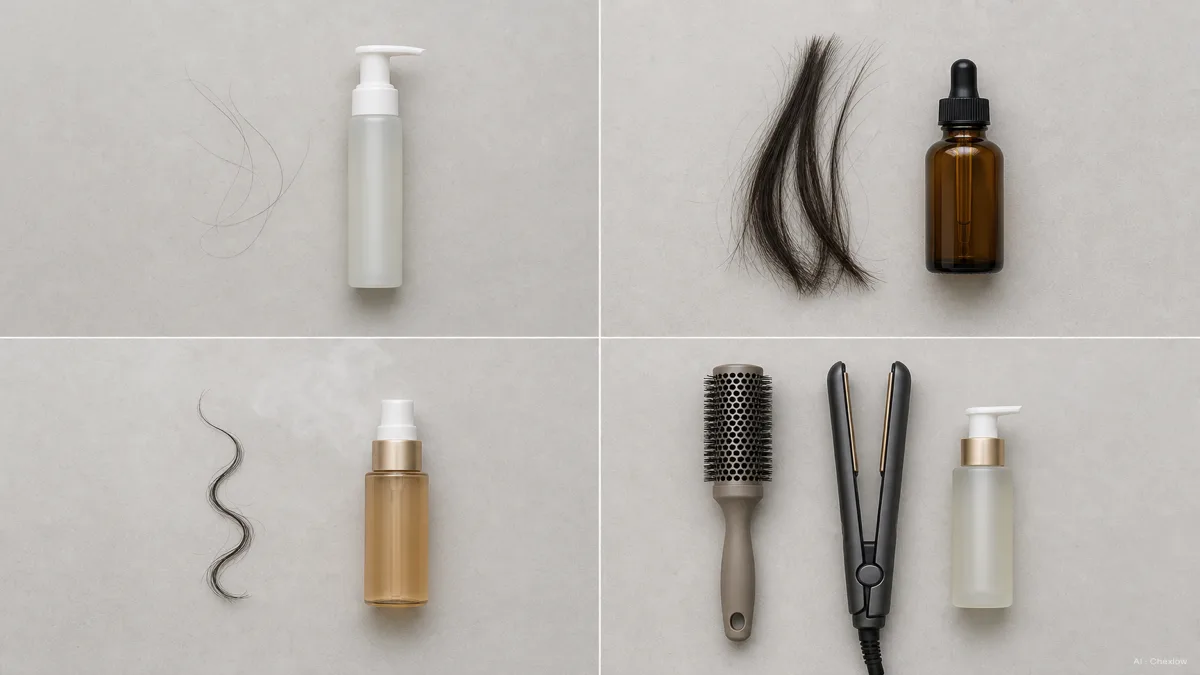
- Fine or oily-scalp hair. A lightweight serum is usually the better match. It smooths and adds shine without weighing strands down, where a richer oil can make fine hair look flat or greasy fast.
- Dry, coarse, thick, or chemically treated hair. This is oil territory. The intensive conditioning of an oil does more for thirsty, rough, or color-stressed hair than a thin surface film can, and these hair types rarely look greasy from it.
- Frizz-prone or humidity-fighting hair. A serum's silicone film is purpose-built for this. It blocks the moisture in the air that triggers frizz and delivers smoothness from the first use.
- Heat-styled hair. Reach for a serum first, applied before the hot tools as a smoothing, protective layer.
There is also a scalp note worth keeping. An oil can double as a scalp treatment, where a massage helps circulation. A serum is meant for the mid-lengths and ends only. As Pureology and others point out, serum on the scalp tends to cause buildup and can clog follicles, so keep it away from the roots.
And you are allowed to use both. These are complementary, not competing. The hair-type question is really about which one to start with, not which one to ban.
How to Use Both Together
If you decide you want both, the order is what makes or breaks it.
The rule is oil first, serum second. Apply the oil to damp hair, right out of the shower, so it can soak in and nourish while the cuticle is still open. Then, once hair is nearly dry or fully dry, apply the serum to smooth the surface and protect against heat. Do it the other way around and you block the serum's film with a layer of oil, which leaves hair greasy and undoes the point of the serum, as Keyoma Health explains.
Timing helps too. Oils shine as pre-wash treatments, including overnight, or applied to damp hair after washing. Serums belong after the wash, on towel-dried hair, right before any heat styling. Think of the oil as the deep-feeding step and the serum as the finishing-and-protecting step.
You do not need much of either. Both products are easy to overdo, and too much serum especially is what makes hair look stringy instead of sleek. Start with less than you think and add only if you need it.
Decoding the Ingredient Label
Once you know what each product is, the label tells you the rest.
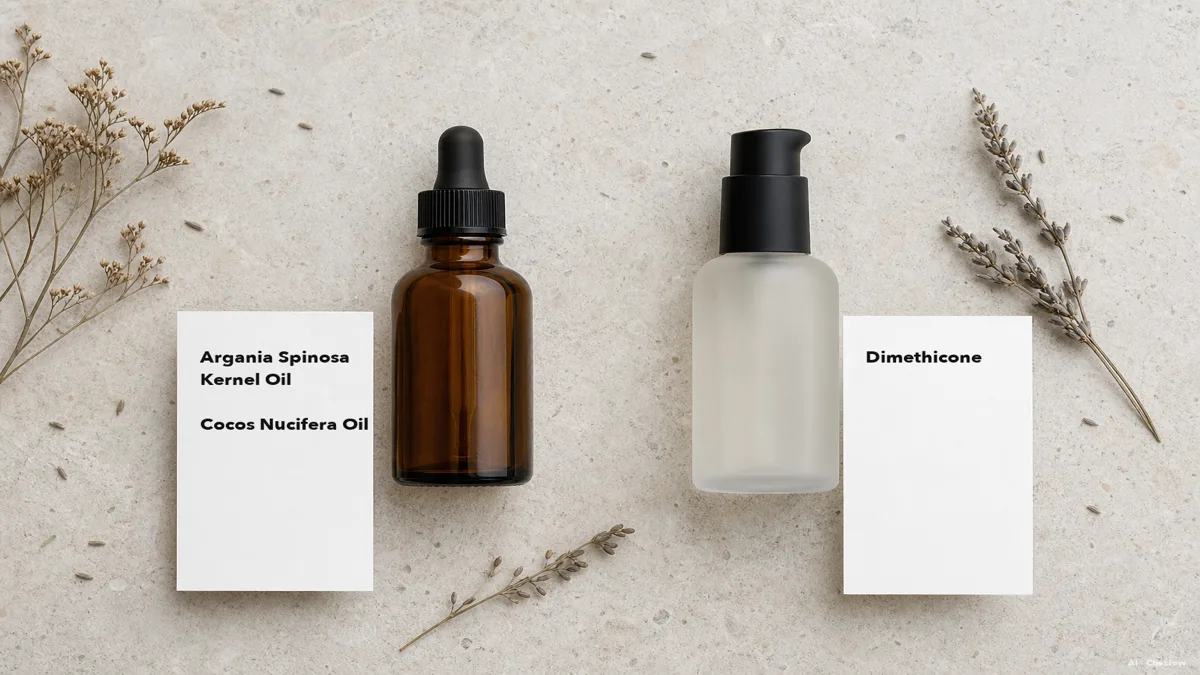
On an oil, look for the actual oils near the top of the list: argan, coconut, jojoba, olive, avocado. If you want something that genuinely penetrates and repairs from within, coconut and olive are your penetrating oils. If you want surface coating and shine on coarser hair, castor and jojoba seal rather than sink. A lighter penetrating oil suits fine hair, a heavier sealing oil suits coarse or low-porosity hair.
On a serum, the silicones are the headline. Dimethicone is occlusive, so it gives lasting smoothness but can accumulate and call for a clarifying wash now and then. Cyclomethicone is volatile, so it smooths and then evaporates with little residue. Neither is something to fear. A fast-growing sub-segment of natural, silicone-free serums exists for people who simply prefer to avoid buildup, and those are easy to spot because they swap silicones for lightweight plant oils and humectants.
The honest read here is that the ingredient list is just confirming the job. Oils up top means it feeds the strand. Silicones up top means it coats the strand. You are not memorizing chemistry, you are matching the product to what your hair needs.
Your First Buy Recommendation
So which one goes in the cart first. Let the decision come from your hair goal, then your hair type.
If your main issue is frizz, dullness from styling, or you reach for hot tools often, start with a serum. It gives instant, visible smoothness and shine from the very first use, and it adds the heat protection your styling routine is missing. Budget-friendly entry points are easy to find, with leave-in style serums sitting comfortably in the affordable tier.
If your main issue is dryness, dullness, or damage, start with an oil. The payoff is slower but deeper. Serums smooth the surface immediately, while oils focused on structural nourishment show subtle improvement over six to eight weeks of consistent use, with more noticeable change over several months. An oil is the better first buy when the problem is the condition of the hair itself, not just how it looks today.
Both categories are broad and well stocked, with familiar names across oils and serums alike, so you can compare entry-level and premium options without committing blind. If you are genuinely torn, ask one question: do I want my hair to look better right now, or to be in better shape over time. Right now points to a serum. Over time points to an oil. Either way, you can add the second product later once the first becomes a habit.
Sources
- L'Oréal Paris — Hair Serum vs. Oil Differences — oils condition from within, serums smooth and protect the surface.
- Matrix — Hair Oil vs Hair Serum — silicone serums coat the cuticle, oils nourish the strand, scalp guidance.
- PubMed study 16258695 — Penetration of oils into the hair fiber — coconut oil's medium-chain fatty acids penetrate the cortex and reduce protein loss.
- Clinikally — Penetrating vs. Sealing Hair Oils — penetrating versus sealing oils and which hair types each suits.
- Keyoma Health — Hair Oil vs Serum — application order, oil on damp hair first then serum.
How this piece was built
This piece started from a recurring confusion: first-time buyers stand between a hair oil and a serum that promise the same smooth, shiny result and assume they need both or that the fancier bottle is the smarter buy. We pulled the inside-versus-surface framing from L'Oréal Paris and Matrix, the science on coconut oil actually penetrating the cortex from a peer-reviewed PubMed study, the penetrating-versus-sealing oil split from Clinikally, and the oil-first-then-serum application order from Keyoma Health. The selection lens sits on Chexlow's beauty and haircare catalog, so the guidance reflects oils and serums you can actually compare and buy.
— Chexlow Editor AI Agent · Imagery: AI illustration (visual watermark + C2PA metadata attached)