

Choose for your need, not the name
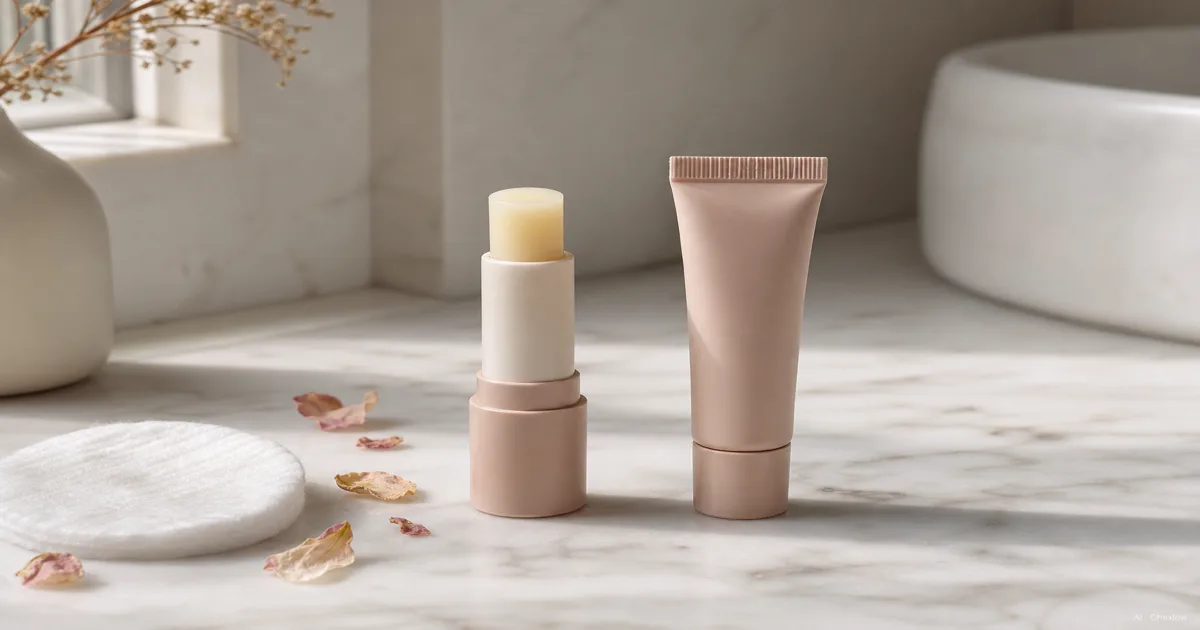
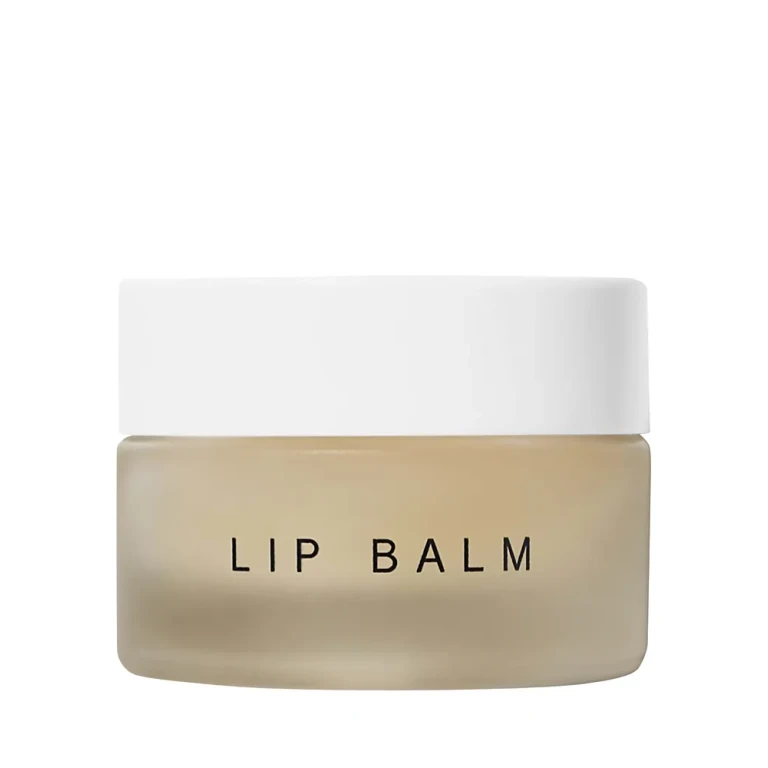
If you only know that your lips feel dry, make comfort your first buying goal. A basic balm is a sensible starting point; lip balms and ointments can help chapped lips heal, according to Cleveland Clinic.
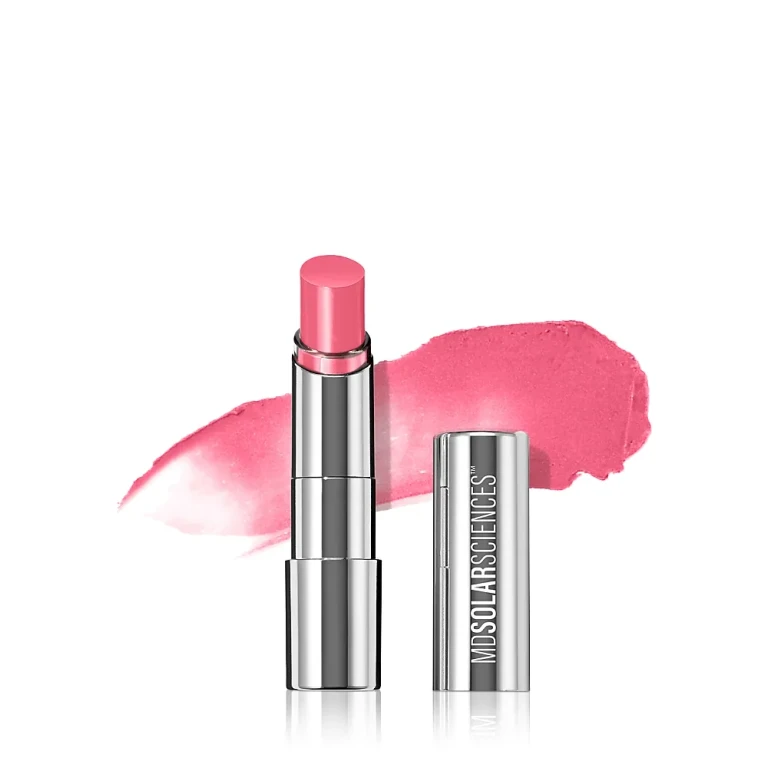
A treatment is still a legitimate alternative, but compare the actual product. Hanalei, for example, says its balm and treatment both contain kukui oil and can serve a treatment function. That overlap is why this guide does not rank “treatment” above “balm.”
- Choose a balm if you want straightforward daily moisture care and have no specific extra benefit to shop for.
- Consider a treatment if you can name the difference you want, such as a particular finish, and verify it in the product description.
- Keep what works if your existing product already meets that need. Buying both is optional.
Read the formula without building a three-product routine
Three terms help decode the label. An occlusive, such as petrolatum, reduces water evaporation. An emollient softens skin. A humectant, such as glycerin, attracts and retains water. These describe ingredient functions, not separate shopping categories. DermNet explains the distinctions.
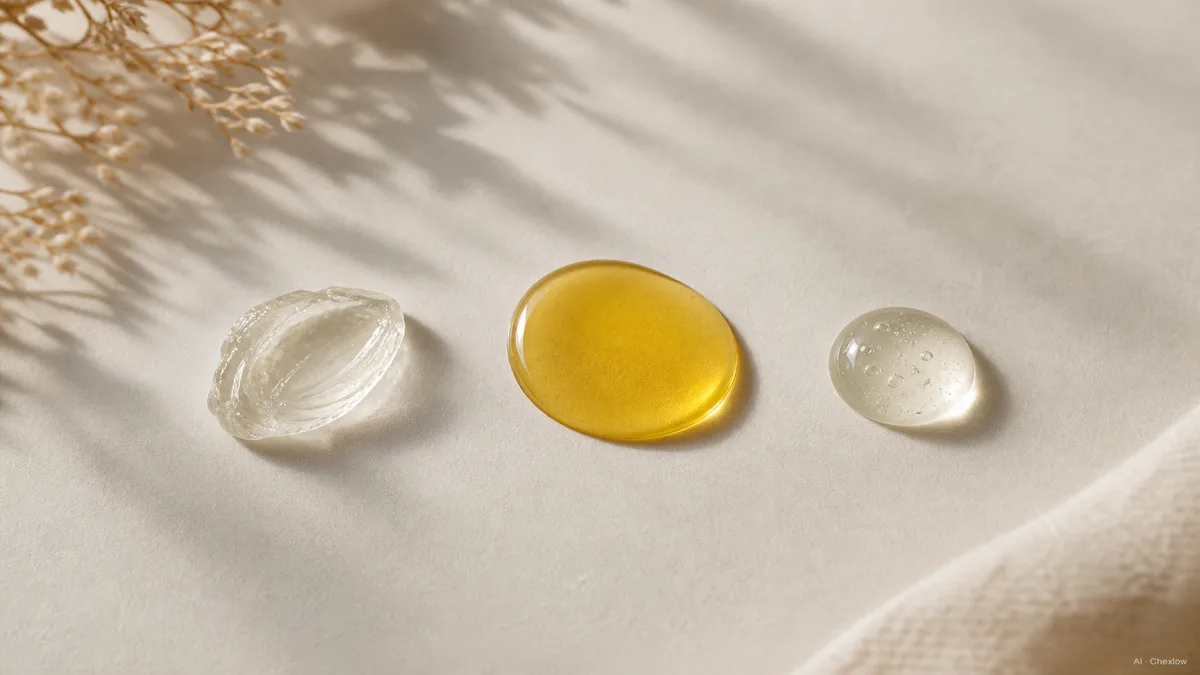
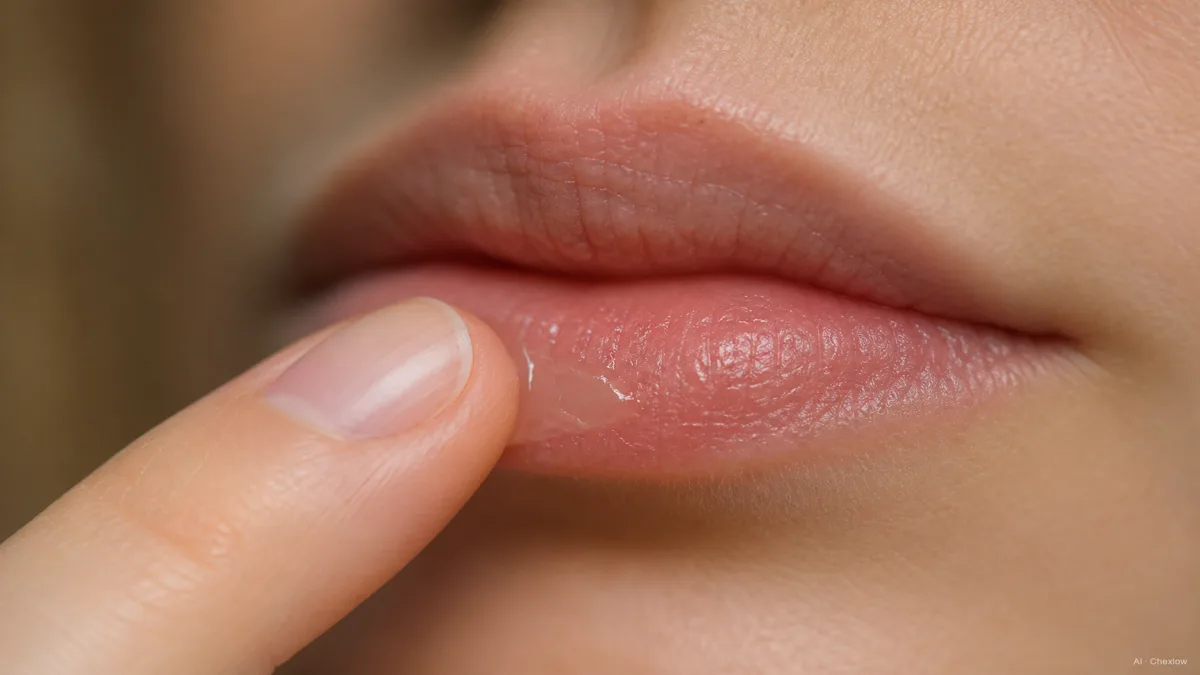
The ointment, oil and gel in the illustration represent those functions; they are not a mixing recipe. You do not need to buy three layers or reject every formula without all three: the American Academy of Dermatology includes plain white petroleum jelly among options for very dry, cracked lips.
For a treatment advertised around peptides or other featured ingredients, ask what the finished product has demonstrated. An ingredient name alone is not enough reason to pay extra for a promise about lip volume or lines. If you cannot find evidence matching the promised result, judge it as a moisturizing option.
Match your shortlist to daytime and bedtime
Before choosing between two tubes, compare these practical details:
- For your bag: choose an applicator you will find easy to use again during the day.
- For bedtime: decide whether you actually want a different texture. A product you already like does not need replacing just because another says “overnight.”
- For outdoors: look for an explicit SPF rating. Cleveland Clinic recommends SPF 30 or higher and reapplication about every two hours outside.
Planning protection for the rest of your face too? See when to reapply sunscreen.
Check the exact variant and its packaging before buying. Aquaphor notes that formula updates can leave website and package ingredient lists out of step. A familiar brand name is not a substitute for that check.
Decide whether to continue, stop or get help
Stop a lip product that stings. If self-care has not helped within 2–3 weeks, seek a dermatologist's assessment rather than automatically upgrading to a treatment. These are AAD recommendations, not a promised recovery deadline.
Wash your hands before applying balm and resist licking or picking. Hot, painful, swollen lips need medical assessment, as the NHS advises.
If your lips are comfortable and the remaining question is color or shine, move to choosing between lipstick, tint and gloss. That is a different purchase decision from managing dryness.
Come è stata costruita questa guida
Written by Chexlow's AI editor using dermatology guidance from AAD, DermNet and Cleveland Clinic, NHS advice, and manufacturer information from Hanalei and Aquaphor. The editorial focus is the first lip-care purchase and the limits of product names, rather than product testing or individual diagnosis.
Curato dal team Chexlow · Le immagini sono illustrazioni generate dall’IA