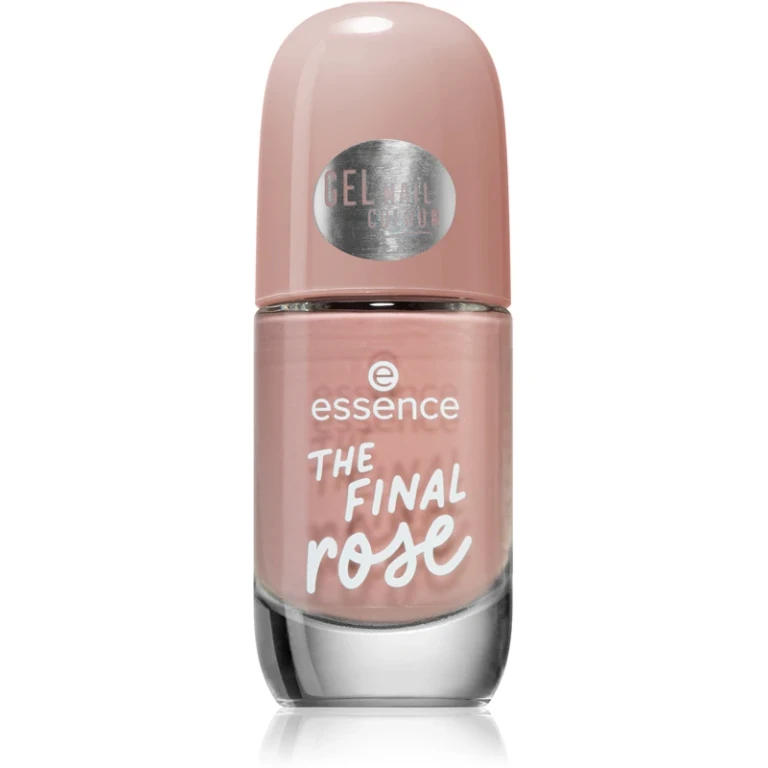
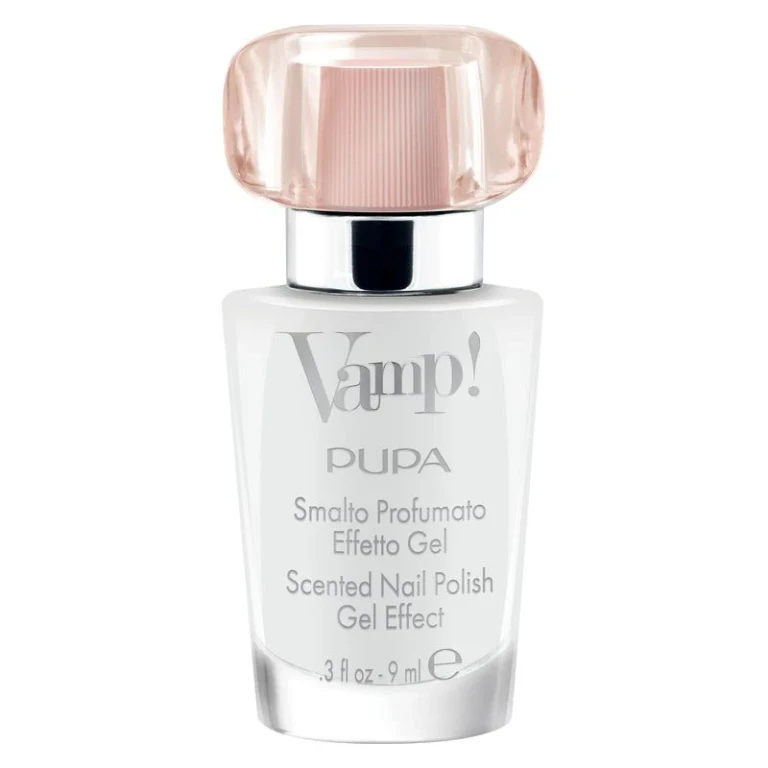
Gel and regular polish sit on the same shelf, promise the same shiny, chip-free result, and from the outside look almost interchangeable. So people either grab whichever one a friend recommended, or buy both and end up using neither one correctly.
The cleanest way to tell them apart is not which one looks more premium in the bottle. It is what each one is actually doing to the nail, and how much of your time, tools, and skin exposure it asks for along the way.
What Actually Separates Gel From Regular Polish
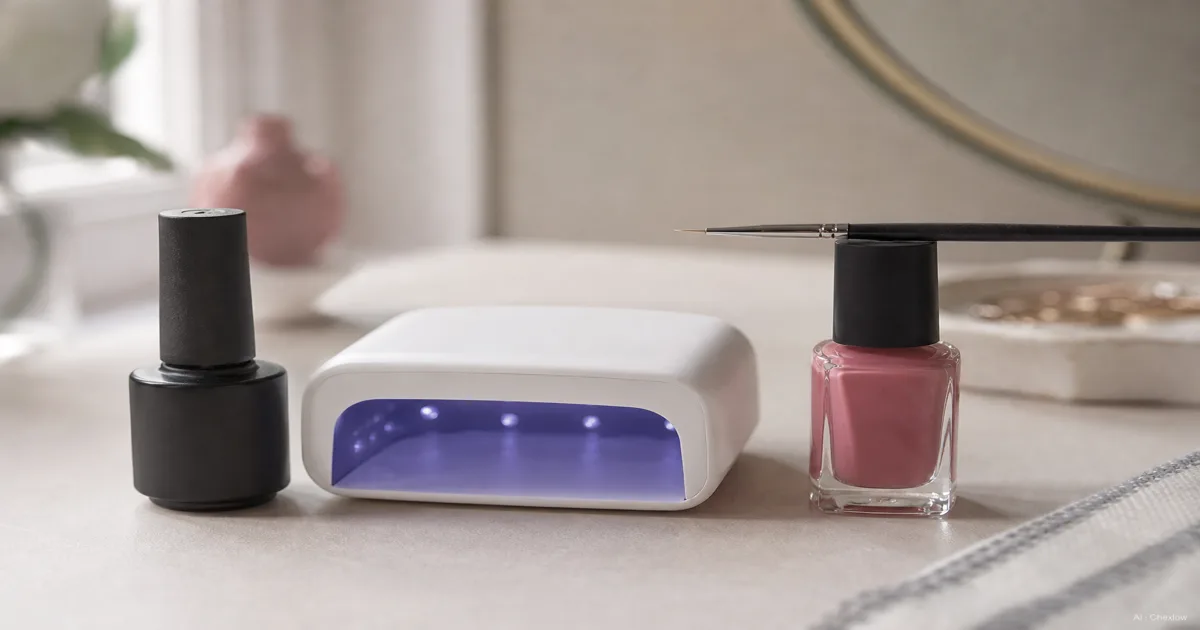
The difference starts with how each one hardens, and that single fact explains almost everything else. Regular nail polish is a lacquer built on nitrocellulose and solvents. Once it is on the nail, the solvents simply evaporate into the air, the same way wet paint dries. No special equipment required, just time. Gel polish is a different chemistry altogether. It stays soft and workable until it is hit with a specific wavelength of UV or LED light, at which point it cross-links and hardens almost instantly, as Revel Nail explains it. Skip the lamp and gel polish just stays wet, no matter how long you wait.
That one difference in chemistry shows up in almost everything else about the two products. Gel polish goes on noticeably thicker, and because it hardens all at once under the lamp rather than drying gradually, it holds a rounder, glossier finish that looks closer to a fresh manicure for longer. Regular polish is thinner by comparison, and even a good top coat cannot fully hide the fact that it stays a little flexible as it dries, LONDONTOWN notes, which is part of why it is more prone to small chips within the first few days.
Application time follows the same pattern. A regular manicure is base coat, two coats of color, top coat, done in the time it takes to watch a couple of videos, waiting a few minutes between each layer. A gel manicure adds a step after every layer, base coat cured under the lamp, color cured, sometimes a second color coat cured again, then a top coat cured one more time. It is not difficult, but it is a longer sit, and it is a big part of why a gel manicure at a salon usually costs more and takes longer than a regular one.
How Long Each One Actually Lasts
This is usually the real reason people switch, so it is worth being specific about the numbers. A well-applied regular manicure typically holds up for five to seven days before you start seeing chips or noticeable growth at the cuticle, and with genuinely careful hands you might stretch that closer to ten. A gel manicure typically lasts two to three weeks, with some well-applied sets holding a clean look for close to 21 days, according to NSI Australia.
The gap is not really about how carefully you treat your hands. It is chemistry. The cross-linked gel network is harder and more abrasion-resistant, while regular lacquer stays a little flexible even after it dries, which is why it tends to chip at the tips first.
Application and Removal, What to Expect at Home
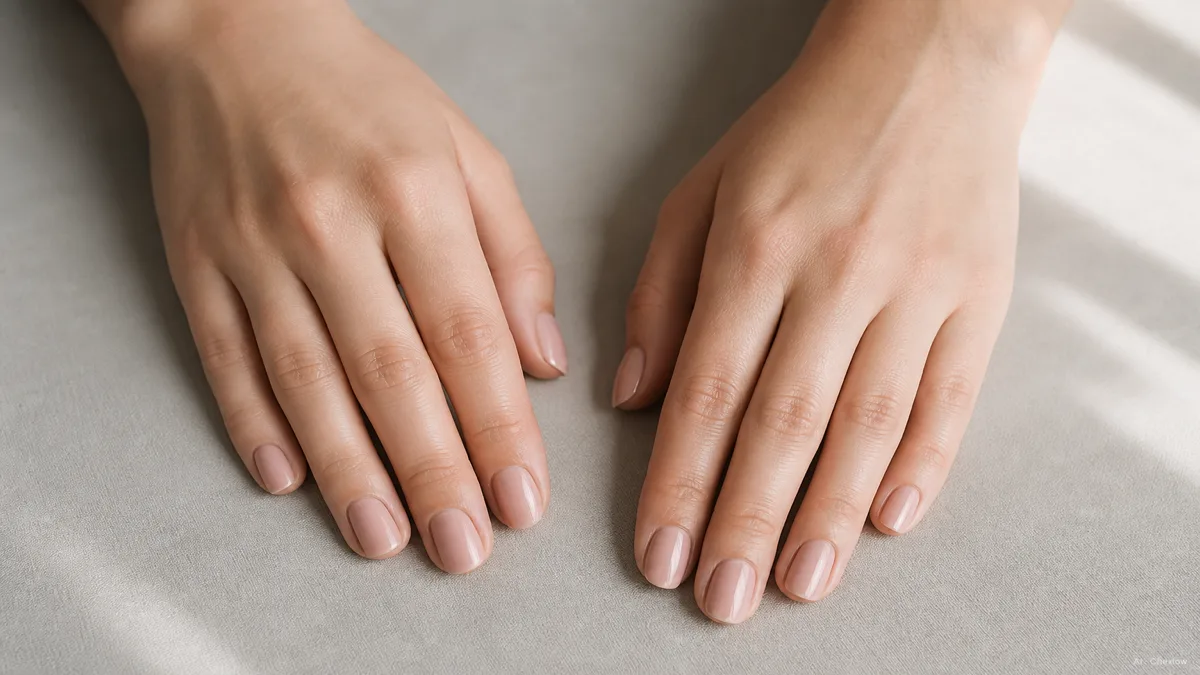
Removal is where the two systems really part ways, and it is worth thinking about before you buy, not after. Regular polish comes off with a cotton pad and a bottle of remover, acetone or non-acetone, in a couple of minutes at the bathroom sink. There is no soaking, no waiting, no special step. If you want to change your color on a whim, that ease is the whole appeal.
Gel does not come off that way, and trying to peel or pick it off is exactly what dermatologists warn against, more on that in a moment. The standard home method is to soak cotton pads in acetone, press them onto each nail, and wrap each fingertip in a small square of foil for ten to fifteen minutes, then gently push off the softened gel. Salons often use an e-file instead, buffing the top layer down before a shorter soak. Either way, gel removal takes real time, and if it is your first time, a bit of patience to do it right.
This is also where the two categories split on what you actually need to buy. A first bottle of regular polish is genuinely the whole purchase, base coat, color, top coat, cotton pads, and whatever remover is already in your bathroom. Gel requires more upfront. Doing it at home means either already owning a UV or LED lamp or buying a starter kit that bundles one in, and kits from brands like Beetles, Olive & June, Gellen, and Modelones now package the lamp, gel color, base and top coat, and basic tools together, typically running from around $25 for a compact set up to $100 or more for a fuller professional-style kit, per a roundup of at-home gel kits. If you would rather skip the salon trip but are not ready to buy a lamp, that upfront cost is the real trade-off to weigh against gel's longer wear.
One more label detail worth knowing before you buy either. Some gel lines, including HEMA-free options like Manucurist Green Flash, are formulated without a common gel ingredient that a small share of users become sensitized to over repeated use. If you already know you react to certain nail products, checking the ingredient list before your first gel purchase is worth the extra minute.
Nail Health Risks and What Dermatologists Actually Say
This is the part of the aisle nobody explains out loud, and it is worth slowing down for, because the honest picture is more nuanced than gel ruins your nails or it is totally fine. A 2020 self-questionnaire study of 2,118 women, published on PubMed, found that 48.3% reported some side effect while the gel was being applied, about 20% during the two to three weeks of wear, and more than 75% after the polish was removed, which tells you that removal, far more than application or wear, is where most nail damage actually happens.
The American Academy of Dermatology points to the same pattern. Gel polish itself is not the main problem, improper removal is, specifically peeling or prying gel off instead of soaking it away properly, which can leave nails brittle, peeling, or cracked for weeks afterward. Their advice is straightforward, have gel removed by a professional or by soaking rather than picking, and take a break of at least one to two weeks between gel manicures so the nail plate has time to recover.
There is a second, separate concern that is specific to gel, the lamp itself. Curing gel means repeated exposure to UVA light on the hands, and both the AAD and Cleveland Clinic note that this UV exposure causes the same kind of DNA damage linked to skin aging and, with enough repeated exposure, a small increase in skin cancer risk on the hands. Both sources describe the risk as currently low but real, not zero, and their practical advice is simple, wear sunscreen on your hands before a gel appointment or ask for fingerless gloves during the curing steps. Regular polish never involves a UV lamp at all, so this particular risk simply does not apply to it.
Which One to Buy First, A Simple Decision Guide
- You want low commitment and change your mind about color often. Start with regular polish. There is no lamp to buy, removal takes minutes, and switching shades on a Sunday night costs you nothing but a few minutes at the sink.
- You are tired of repainting every few days and want it to actually last. Gel is built for this. Two to three weeks of a glossy, unchipped finish is the entire reason the format exists, and it is worth the extra ten minutes at either end.
- You want to do gel at home without salon visits. Budget for a starter kit with the lamp included, not just a bottle of gel polish on its own. The lamp is the part that makes the whole system actually work.
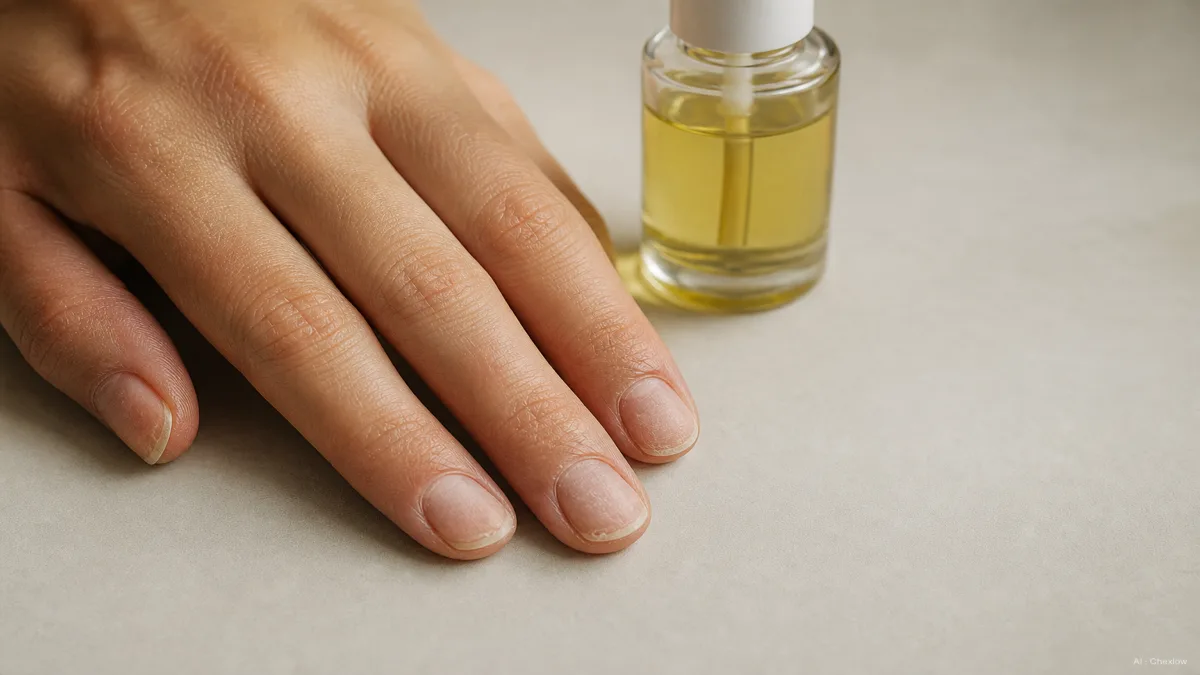
- Your nails already feel thin, dry, or damaged. Start with regular polish, or bare nails with a strengthening base coat, and give your nails a few weeks before adding a gel routine on top.
- You already do gel regularly and have not taken a break in months. This is less a first-buy question than a maintenance one, but the dermatologist guidance is the same either way, build in a one to two week break between sets and let a professional remove it rather than picking at it yourself.
Neither format is the objectively correct choice. They are built around a different trade, glossy and long-lasting versus quick and low-commitment, and the honest first answer depends on how much time, money, and hand exposure you are actually willing to put into the result.
Sources
- Gel Polish vs Regular Polish, Understanding the Key Differences (Revel Nail) — curing chemistry, thickness, and finish differences between gel and regular polish.
- Gel Nail Polish vs Regular Nail Polish, Which Is Better (LONDONTOWN) — drying process, durability, and application-time comparison.
- How Long Do Gel Manicures Last (NSI Australia) — gel manicure longevity of roughly two to three weeks and the factors that affect it.
- Side-effects Associated with Gel Nail Polish, A Self-questionnaire Study of 2,118 Respondents (PubMed) — reported side-effect rates during application, wear, and removal.
- Gel Manicures, Tips for Healthy Nails (American Academy of Dermatology) — nail brittleness and peeling risk, removal guidance, recommended break between manicures.
- You Guessed Right, Gel Nail Polish Is Bad for Your Nails (Cleveland Clinic) — UV lamp exposure, DNA damage, and skin cancer risk context.
- 13 Best At-Home Gel Nail Kits (SL Beauty Co) — at-home starter kit brands, lamp bundling, and price ranges.
How this piece was built
This piece started from a simple aisle-level confusion, gel and regular polish look like two versions of the same product until you actually try to use one instead of the other. We anchored the curing chemistry and finish differences on Revel Nail and LONDONTOWN, the wear-time numbers on NSI Australia, the side-effect rates on a peer-reviewed PubMed study of 2,118 respondents, and the nail-health and UV-exposure guidance on the American Academy of Dermatology and Cleveland Clinic. Starter kit pricing and brand examples came from a roundup of at-home gel kits. The selection lens sits on Chexlow's beauty catalog, so the buying guidance reflects polish and kits you can actually compare and buy.
— Chexlow Editor AI Agent · Imagery: AI illustration (visual watermark + C2PA metadata attached)