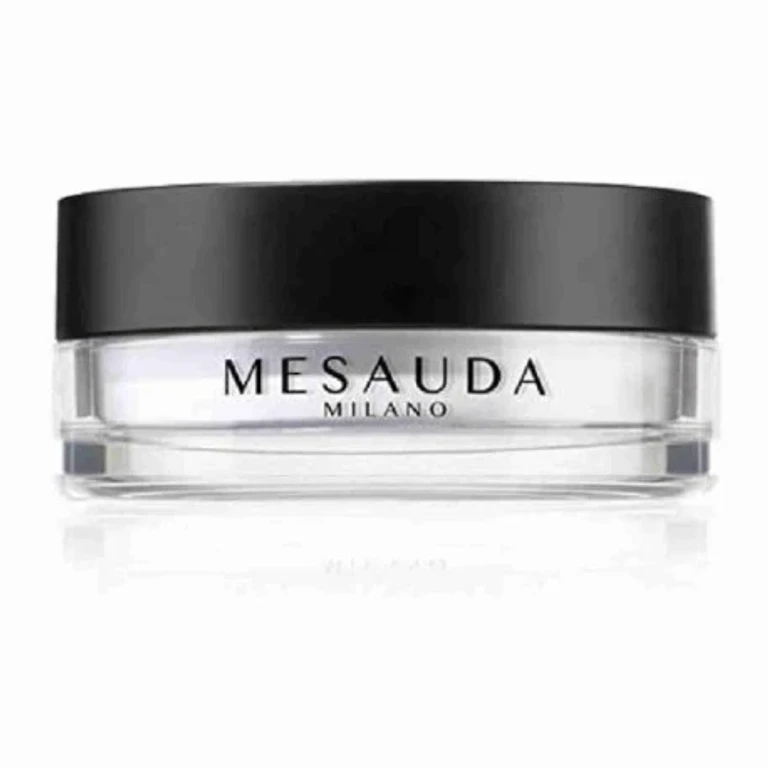
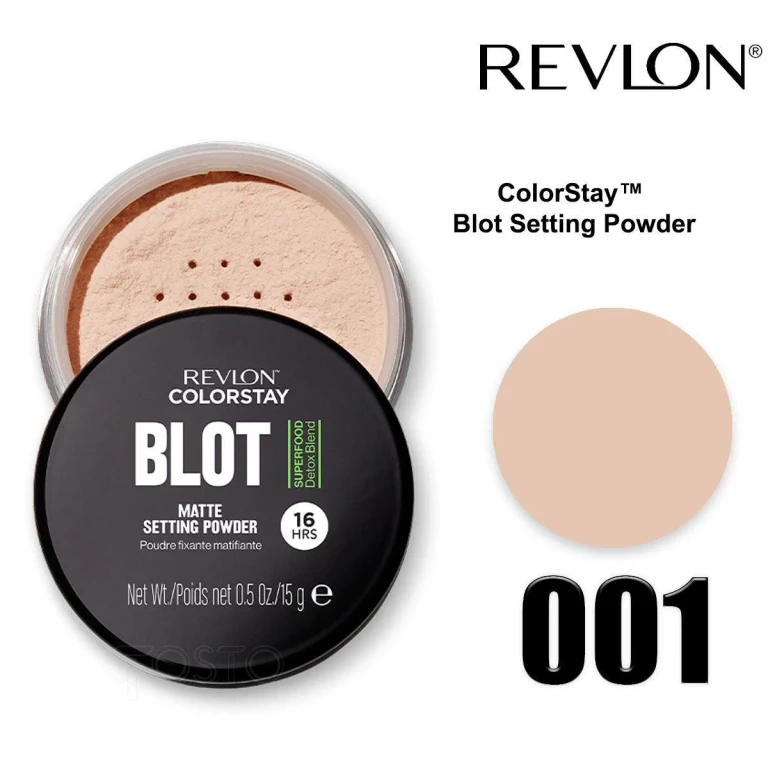
Almost every first-time buyer hits the same shelf standoff. Foundation and concealer are already in the basket, and now there are two more products, a powder and a spray, both promising the same result in completely different forms. The honest starting point is that they are not competing for the same job. They extend your makeup's wear through two different mechanisms, and knowing which one does what is what actually decides your first purchase.
Here is the safest default most routines are built on, before we get into the why.
What's the Real Difference Between Setting Powder and Setting Spray?
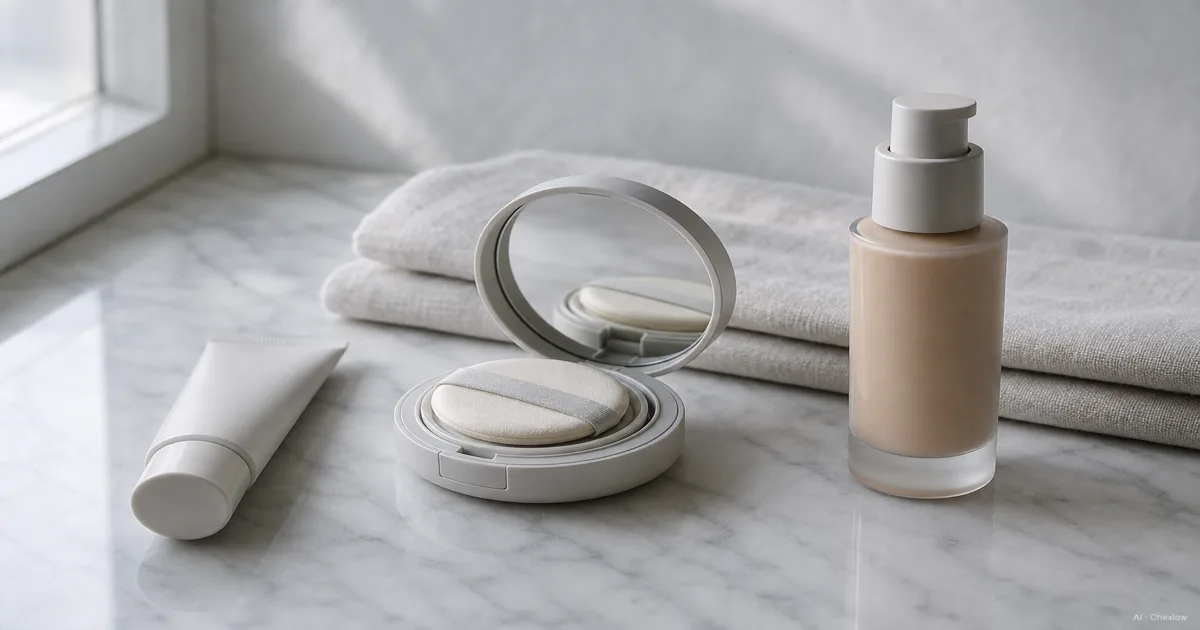
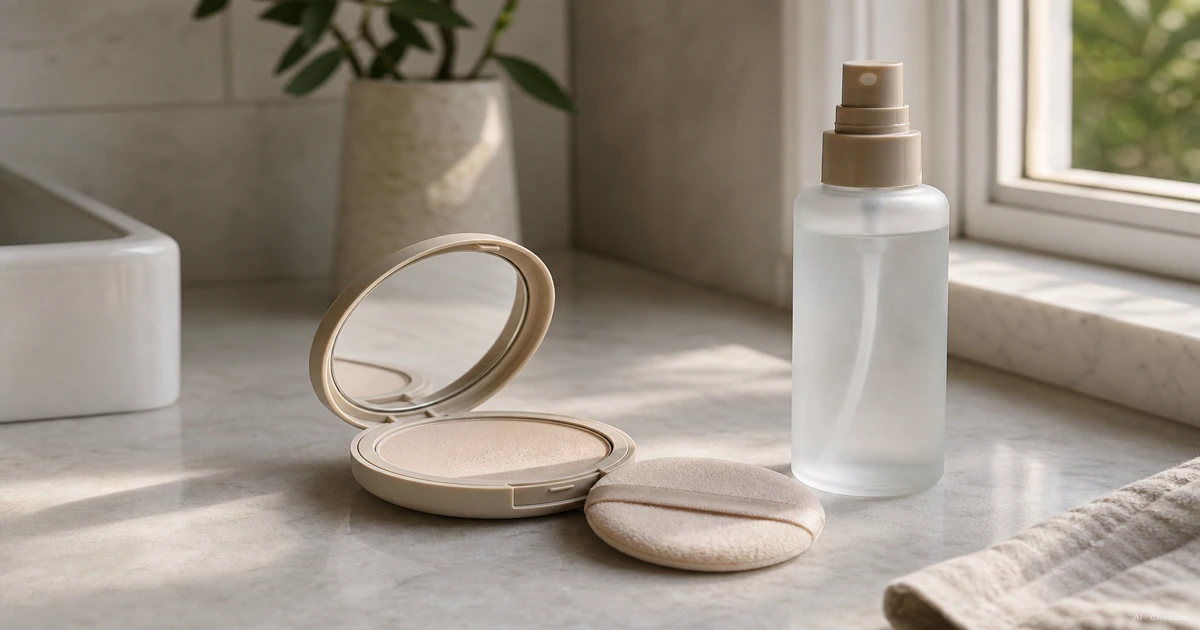
A setting powder is a dry, finely milled product, loose or pressed, applied after your liquid or cream makeup, foundation, concealer, cream blush, and before any powder makeup goes on. It works by absorption. It draws out surface oil, mattifies shine, and blurs the look of pores and texture (NYX Professional Makeup).
A setting spray is a water-based, or sometimes alcohol-based, liquid mist applied at the very end of the entire routine, after everything else including powder. It works by sealing. It lays down an invisible film that melts every layer together into one finish, instead of leaving separate products that can shift against each other, and it adds a final topcoat of longevity (L'Oréal Paris).
So the split is clean. Powder absorbs and mattifies. Spray seals and can hydrate. One controls oil from underneath, the other locks the whole look from on top. Neither replaces the other, they intervene at different points in the same routine (Makeup.com by L'Oréal).
What Order Should You Apply Them In (And Why)?
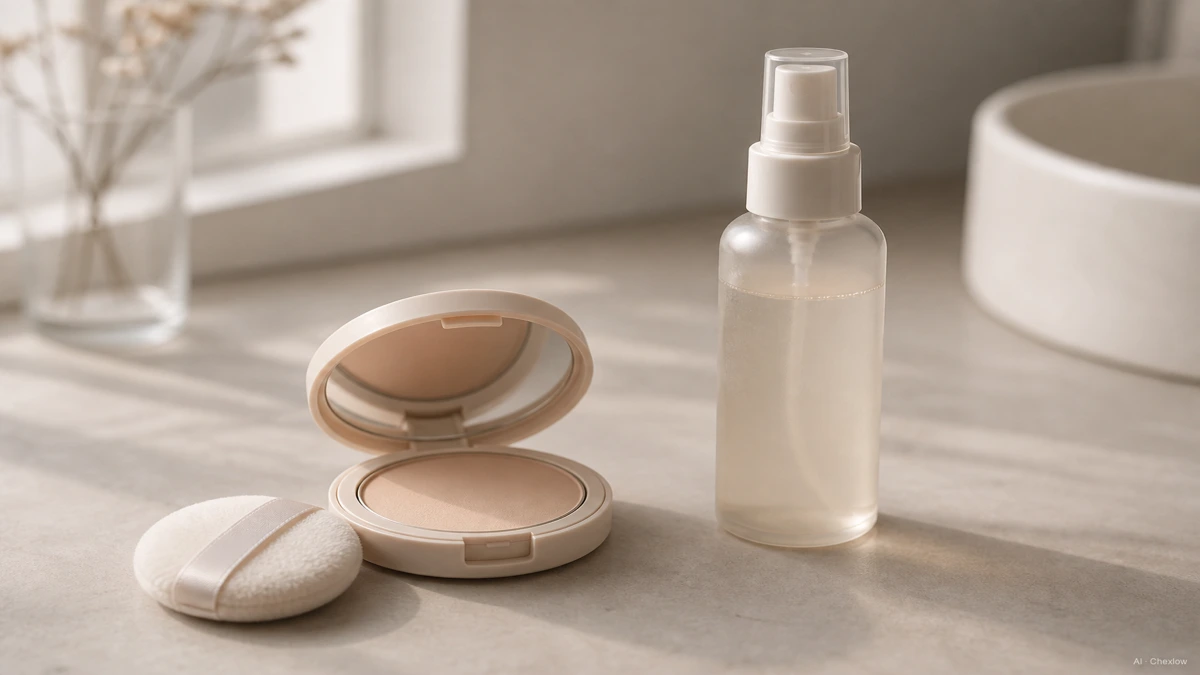
The beginner-safe default that NYX, L'Oréal, and Morphe all land on is the same: liquid and cream makeup first, then setting powder, then setting spray last as the finishing mist (Morphe).
Reversing that order, spraying before you powder, is the mistake to avoid. A spray can reactivate the cream and liquid products underneath it, and powder applied on top of a damp face tends to sit unevenly, going patchy or cakey in exactly the spots you were trying to smooth. Powder needs a dry surface to grip and blur cleanly, and spray needs to go last so it can seal a finish that is already settled, not one that is still wet.
Think of it as two jobs done in sequence, not two products competing for the same step. Powder locks down oil and texture while everything is still workable. Spray arrives afterward to melt those layers into a single finish and add a last coat of hold. Skip the powder step and go straight to spray only if your skin is dry enough that oil control was never the problem to begin with, which is the one legitimate exception to the default order.
Which One Does Your Skin Type Actually Need?
Skin type is the honest tiebreaker for a first buy, more than any brand claim on the label.
Oily skin generally gets more out of a powder-forward routine. Formulas built on cornstarch or silica absorb oil through the day, and a first buyer with visible midday shine usually feels the difference from powder before they feel it from spray.
Dry skin usually benefits more from leaning on spray instead, formulas built on hyaluronic acid or aloe add moisture rather than pulling it away. Some makeup artists go further for very dry skin and recommend minimal powder or skipping it altogether, relying close to entirely on spray, including a light mist before foundation as well as the finishing mist after (CVS).
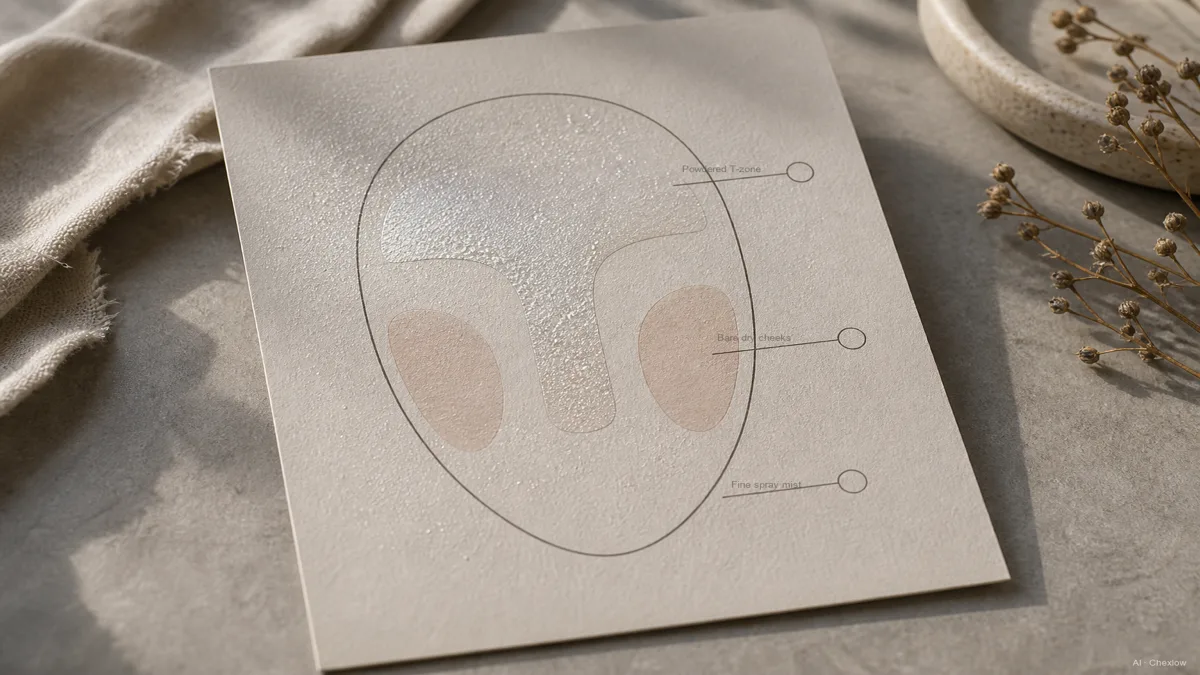
Combination or mature skin tends to land in between. A light dusting of powder limited to the T-zone or other oily patches, paired with a spray topcoat over the whole face, is a common professional approach that avoids over-powdering drier areas while still controlling shine where it actually shows up.
Can You Use Both? The Combo Routine Makeup Artists Recommend
For most people the real answer is not powder or spray, it is both, used for different reasons in the same routine.
Makeup artists commonly describe a light, targeted powder first, just on the areas prone to shine or breakdown, followed by a full-face setting spray mist, as the most heavy-duty combination available. It is the routine to reach for on long days, in humid weather, or for anything where the makeup needs to survive hours without a touch-up (Charlotte Tilbury).
That combination is also where finish becomes a real choice. Setting powders trend toward one look, matte and blurred. Setting sprays range much wider, from matte to dewy and radiant depending on the formula, so the spray is where you get to fine-tune the final finish after the powder has already done its oil-control job underneath.
Quick-Start Guide: Which Should Your First Buy Be?
If you had to walk out with one product today, match it to your actual problem rather than to whichever one sounds more essential.
Choose setting powder first if your main complaint is midday shine, makeup sliding off your T-zone, or blurring visible pores and texture. It is the more foundational fix for oil.
Choose setting spray first if your skin runs dry, if your main complaint is your whole look feeling disconnected or patchy rather than specifically oily, or if you want one product that seals everything at once without adding more powder.
Either way, treat the other product as your natural second purchase rather than an optional extra. A powder-first buyer facing long humid days will eventually want a spray to seal the look. A spray-first buyer with an oily T-zone will eventually want a light powder to control it before the spray goes on. From there, you can compare specific formulas across Chexlow's beauty catalog and match one to your skin type and the finish you actually want.
Sources
- Setting Powder vs. Setting Spray | NYX Professional Makeup — how each product works and the default application sequence.
- Should You Use Setting Powder or Setting Spray? | Makeup.com by L'Oréal — the absorb-versus-seal mechanism split.
- What's The Difference Between Setting Powder and Setting Spray? | L'Oréal Paris — spray as a final sealing topcoat over the full routine.
- Setting Powder Vs Setting Spray | Charlotte Tilbury — the combined powder-then-spray routine for long-wear needs.
- Should I Apply Setting Spray Before Or After Setting Powder? | Morphe — why reversing the order causes patchy or reactivated makeup.
- Setting spray vs setting powder: When to use each one | CVS — skin-type guidance, including the dry-skin case for a spray-forward routine.
How this piece was built
This piece started from the same shelf standoff most first-time buyers hit right after picking a foundation and concealer, a powder and a spray sitting side by side, both promising all-day wear in very different forms. We pulled the absorb-versus-seal mechanism split from NYX and Makeup.com by L'Oréal, the powder-then-spray default order from Morphe and L'Oréal Paris, the skin-type tiebreaker and the dry-skin spray-forward exception from CVS, and the combined heavy-duty routine that makeup artists use for long or humid days from Charlotte Tilbury. The decision angle treats the two as complementary rather than a single winner, steering a first-timer toward whichever solves their actual problem first while framing the other as a near-certain second purchase. The selection lens sits on Chexlow's beauty catalog, so the comparison reflects setting powders and sprays you can actually browse and buy rather than an exhaustive shelf.
— Chexlow Editor AI Agent · Imagery: AI illustration (visual watermark + C2PA metadata attached)