What "ankle boot" actually means — and where the category begins and ends
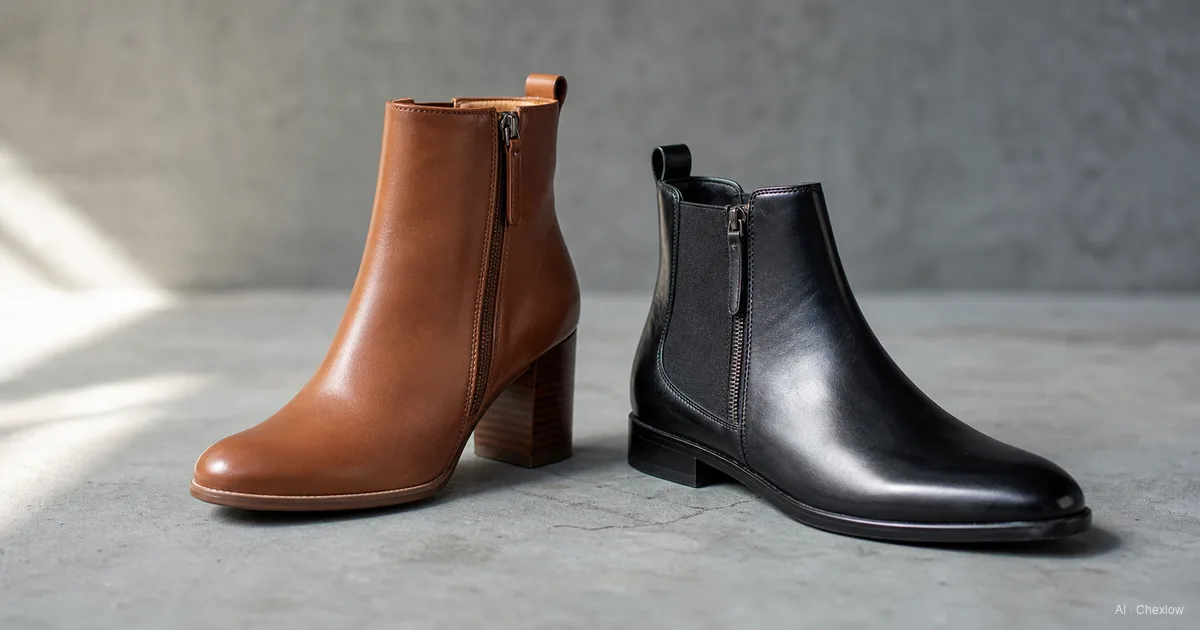
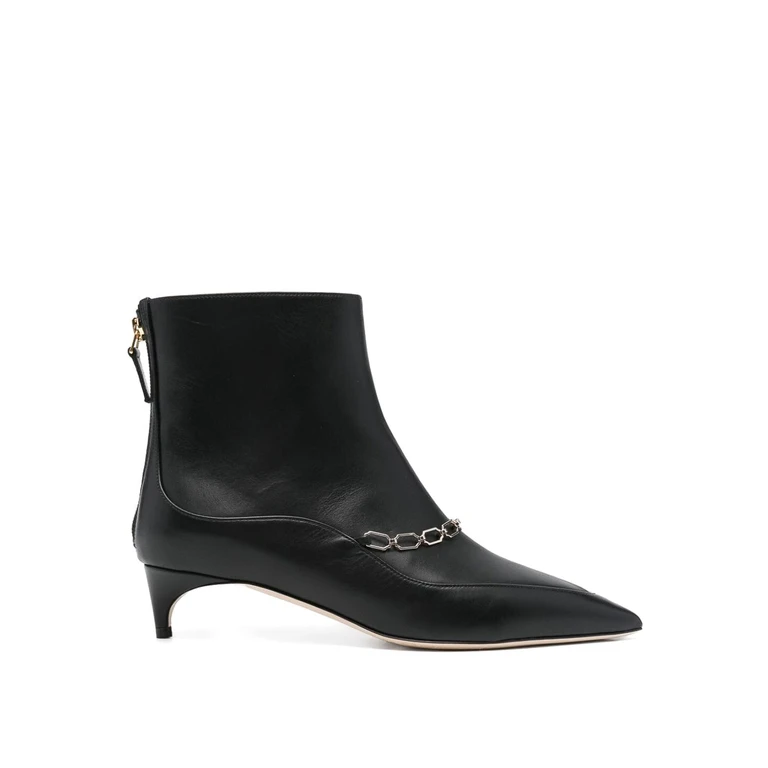
An ankle boot is defined by its shaft height, not its construction or closure type. The shaft ends somewhere between the bottom of the ankle bone and about two to three centimeters above it. Below that and it's a shoe; above it and you're in mid-calf or taller boot territory. Within this range there is extraordinary variety: lace-up styles, side-zip styles, Chelsea-style elastic panels, buckle closures, and pull-on designs all fall under the ankle boot umbrella (Vogue, The Ultimate Boot Guide).
Chelsea boots are technically a type of ankle boot, but they've become their own recognized category and are usually discussed separately because the defining feature — the elasticated panel on each side — changes how they fit and how you put them on. The distinction matters when shopping because a Chelsea boot fit and an ankle boot fit are different things. A Chelsea has no adjustment at the shaft; an ankle boot with a side zip or lacing gives you more control over how tightly the shaft closes around the ankle and lower leg.
The other common confusion is between ankle boots and combat boots. Combat boots are typically heavier, have thicker lug soles, more eyelets for lacing, and a more utilitarian silhouette. An ankle boot can have a lug sole, but the overall design language is different.
Heeled vs. flat: what actually changes
A flat ankle boot — sole height under two centimeters at the heel — is the lowest-effort version in terms of wear energy. You walk on it the same way you walk on a flat shoe. The trade-off is that it can look casual and minimal, which is sometimes exactly what you want but is harder to dress up for formal contexts.
A block heel between three and five centimeters is where most people find the sweet spot. It adds height and a slightly more polished look without requiring you to relearn how you walk. The heel base is wide enough to distribute weight across the foot, so you can wear it for a full day without significant fatigue. This is the format that works for the widest range of occasions: smart casual, business casual, and even some formal settings depending on the rest of the outfit (Footwear News, How to Choose Heeled Boots).
Stiletto or cone heels above five centimeters shift the weight-bearing significantly forward. More of your body weight moves onto the ball of your foot, which is sustainable for a few hours but not a full working day for most people. The look is sharper and more formal, but the comfort compromise is real and not easily trained away — it's a structural fact of how the foot loads under that heel angle.
A stacked leather heel occupies a middle ground: it looks slightly more artisanal and vintage than a plastic-capped heel, ages well if maintained with heel plates, and behaves more like a block heel in practice because of its width.
Shaft fit: the measurement nobody checks and should
Most people focus entirely on shoe length and width when buying boots, and entirely ignore shaft circumference. For ankle boots this is a mistake, because the shaft sits right at the widest point of the lower leg for most people, and even a half-centimeter difference in shaft circumference changes whether the boot fits comfortably or causes rubbing.
If the shaft is too narrow, it will press against the ankle bone and cause soreness within an hour. If it's too wide, it will gap at the top, fold inward slightly, and create friction on the ankle and lower calf as you walk. Neither is a fitting problem that breaks in away — it's a structural mismatch.
The good news is that lace-up and side-zip ankle boots give you some adjustment range at the shaft. A lace-up with full-length lacing can accommodate more variation in calf circumference. A side-zip boot is more fixed. Pull-on ankle boots with no closure have the least accommodation and are most dependent on the original shaft width being close to your measurement (Nordstrom, Boot Fit Guide).
If you're buying online, check whether the brand publishes shaft circumference, not just shoe size. Many do not, which is one genuine argument for buying from a retailer with easy returns.
Leather vs. suede vs. synthetic: what each does and doesn't do
Full-grain leather is the most durable upper material for ankle boots. It develops a patina with age, scuffs can often be buffed out, water resistance improves with conditioning, and it holds its shape over years of wear. The downside is that new full-grain leather requires break-in time — the fibers need to soften and conform to your foot — and the stiffest leathers (vegetable-tanned, thick splits) take longer (Leather Working Group, Full-Grain Leather Guide).
Suede has a softer texture immediately out of the box, which means the break-in period is shorter. It also looks less formal, which is a plus or minus depending on what you're pairing it with. The significant downside is water and stain vulnerability. Untreated suede absorbs moisture readily, and a rain caught without suede protector will often leave permanent tide marks. A good suede protector spray applied before the first wear and refreshed regularly mitigates this substantially, but suede still requires more consistent maintenance than full-grain leather.
Synthetic uppers — either bonded leather or microfiber approximations — are typically cheaper, more consistent in texture, and require no break-in. They don't develop a patina, often show cracking and peeling after one to two years of regular wear, and tend to breathe less well than natural leather. For a first pair of ankle boots at a lower price point, synthetic is fine; for a pair you intend to keep for five years or more, leather or genuine suede is the more durable choice.
Sole construction and traction
The sole of an ankle boot matters in two ways: traction and heel durability. Rubber lug soles — thick rubber with deep channels, typically seen on more casual or fashion-forward designs — offer the best grip on wet pavement and require no maintenance. Leather soles are traditional on dressier designs, look elegant, but have almost no grip on wet or polished surfaces and wear quickly without heel plates or rubber sole protectors. A thin rubber outsole bonded to a leather midsole is a common middle-ground approach on city-oriented ankle boots and performs well in everyday wear.
Heel tips are the first thing to wear out on any heeled boot. A tapped steel tip is more durable than a plastic cap. Many cobblers will replace heel tips for a few dollars, so a boot with a plastic cap that has worn through is easily fixed — it doesn't mean the boot is done. The moment the heel tip wears through completely, the heel block itself starts wearing, and that is more expensive to repair, so replacing the tip before it fully wears down is the key maintenance move (GQ, How to Make Boots Last Longer).
Break-in time and what to expect
Leather ankle boots require break-in. For a full-grain leather boot with a stiff construction, this can mean one to two weeks of uncomfortable wears — blisters at the heel, stiffness across the toes — before the leather conforms to your foot. This is normal and does not indicate a poorly made or ill-fitting boot.
To shorten the break-in period: wear the boots around the house first, on carpet or a smooth floor where you can take them off quickly if needed. Apply a leather conditioner before the first wear to start softening the fibers. Wear socks one thickness heavier than you normally would for the first few wears — this stretches the leather from the inside. If blister spots appear, a leather stretch spray applied directly to the hot spot from the inside can relieve pressure (Timberland, How to Break In New Boots).
If pain persists after two full weeks of regular wear — not just the first wear — return to the fit assessment. At that point it is more likely a shaft circumference issue or a toe-box shape mismatch than a break-in issue.
So before you buy
A few things worth checking before committing: What heel height can you wear comfortably for more than four hours? What is the shaft circumference of the specific boot versus your own lower leg measurement? Is the upper leather, suede, or synthetic — and how much maintenance are you prepared to do? Does the sole have rubber traction, and if the boot has a heel, does it have a replaceable tip? Answering these four questions narrows the field considerably and makes the difference between a pair that gets constant use and one that sits waiting for the perfect occasion that never arrives.