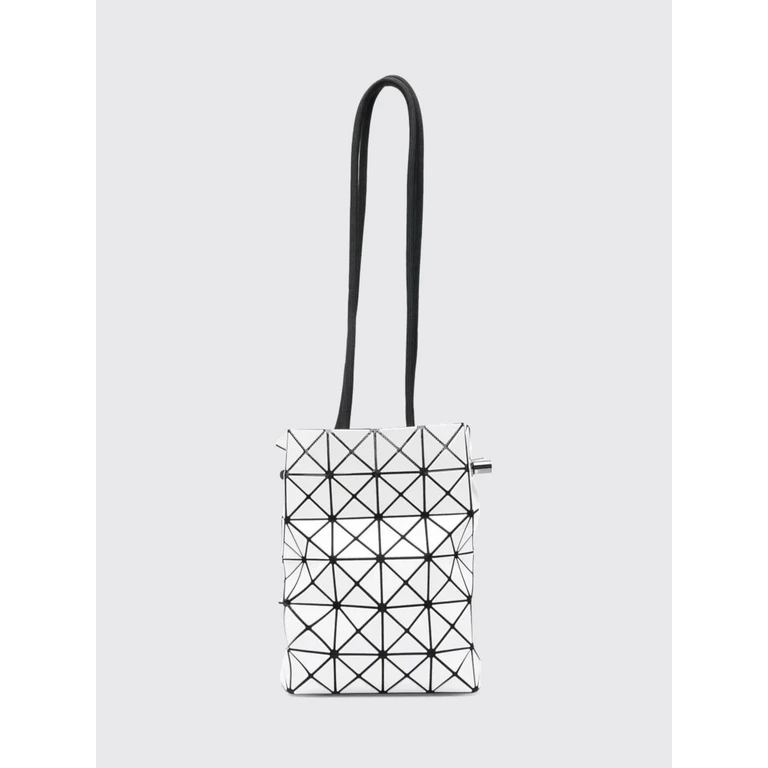
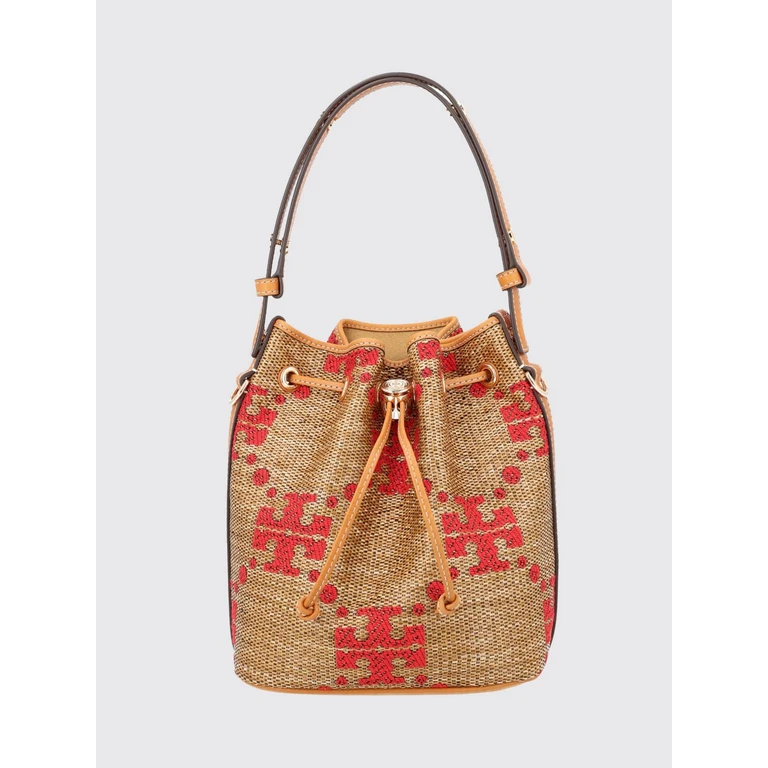
Ask a store clerk to point you to "the crossbody section" and then to "the bucket bag section" and there is a real chance they point at some of the same bags twice. That overlap is not a mistake in the store layout. It is because the two terms describe completely different things about a bag, and most first-time buyers never realize they are not actually choosing between opposites.
What Actually Separates a Bucket Bag from a Crossbody Bag
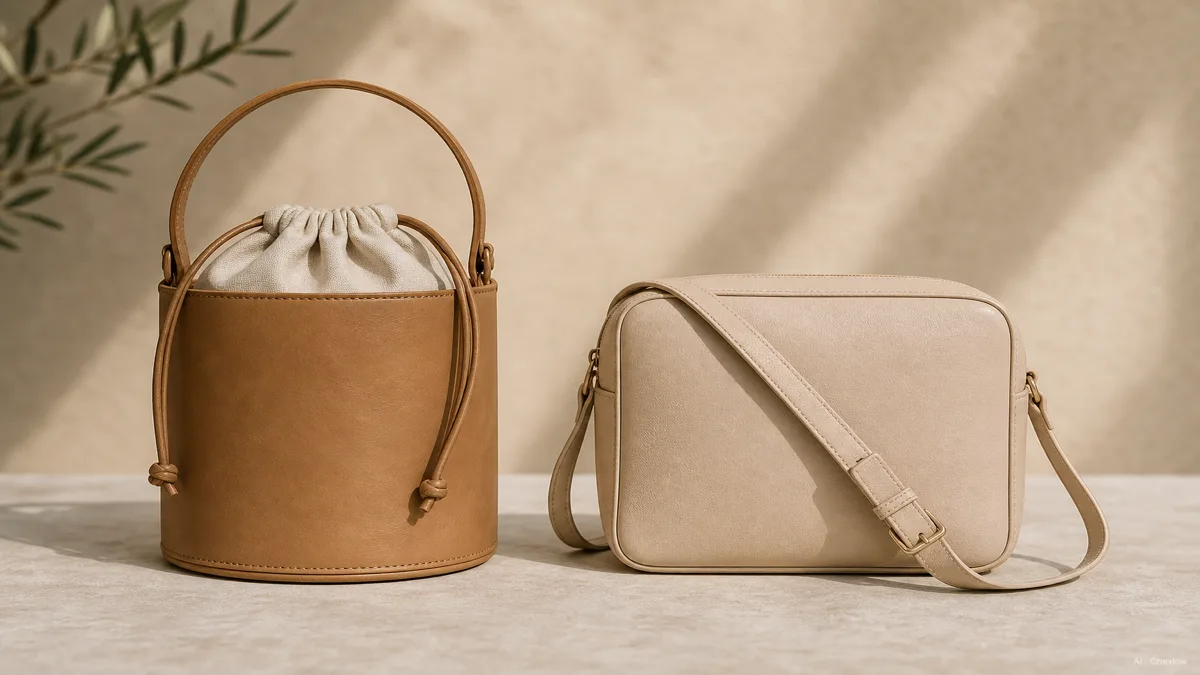
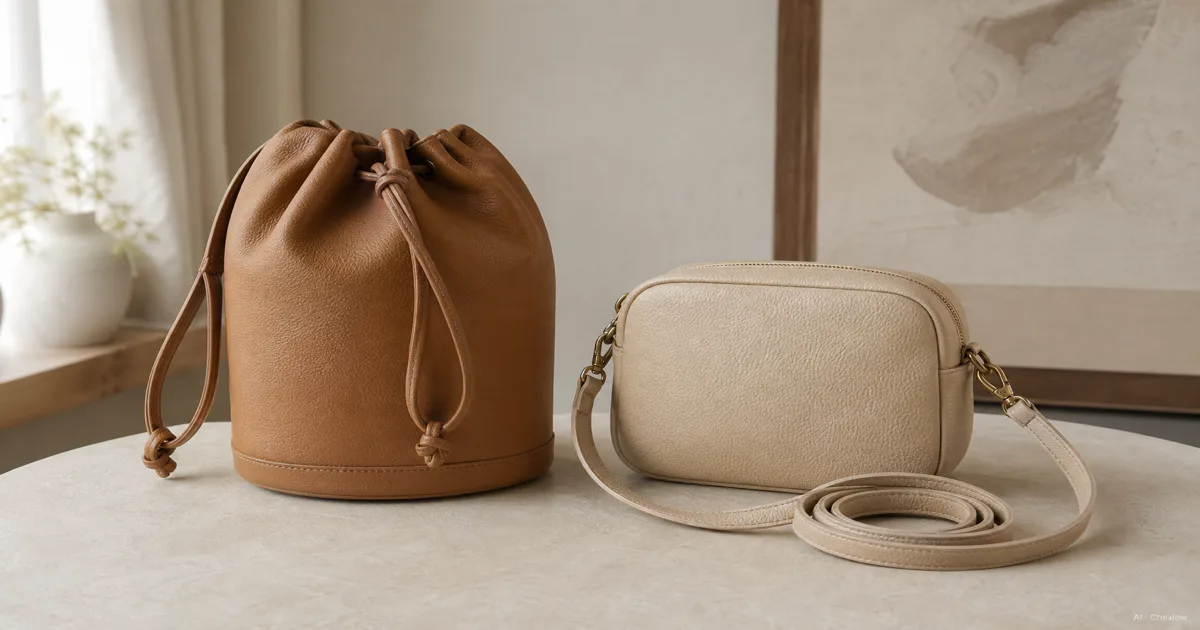
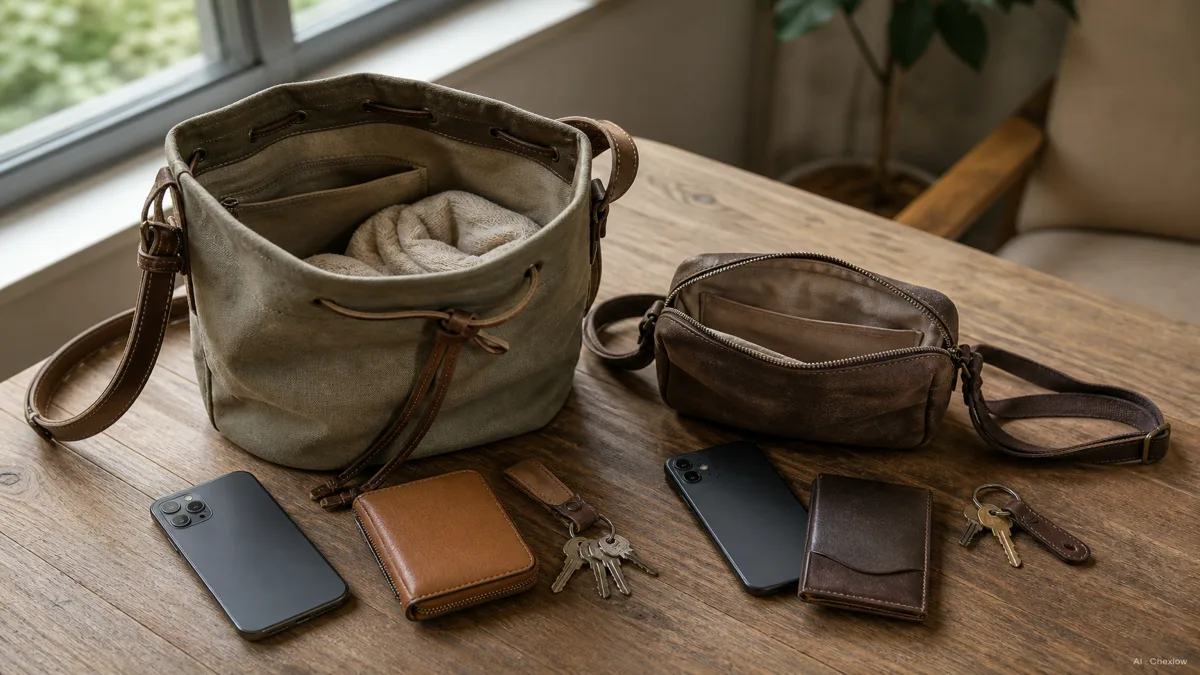
A bucket bag is named for its shape. It has a rounded or cylindrical body, a flat or rounded base, and an open or drawstring-cinched top, and the whole thing is soft and slouchy enough to stand up on its own rather than needing a rigid frame (Chiara Cordelia bucket bag guide, Eric Javits bucket bag explainer).
A crossbody bag is named for how you wear it, not its shape at all. It has a long, adjustable strap worn diagonally across the torso, so the bag settles at the hip on the side opposite the shoulder carrying the strap (Laticoleathers crossbody vs shoulder bag guide, SENREVE crossbody guide).
Put those two definitions side by side and the overlap becomes obvious. Nothing stops a bucket-shaped bag from also having a long crossbody strap, and plenty of bags on the market do exactly that. The genuine fork in the road is between a rounder, roomier bucket silhouette on a shorter handle or shoulder strap, and a flatter, more compact bag worn long and diagonal across the body. That is the comparison worth actually making before a first buy.
Capacity, Comfort, and Security: The Practical Comparison
Once the shape-versus-wear-style confusion is out of the way, the practical differences are easier to weigh.
Bucket bags typically offer more interior capacity than crossbody bags, with a roomy, unstructured interior that swallows daily essentials without much organization, a bigger phone, a paperback, a light jacket, without complaint (Chiara Cordelia capacity comparison). Crossbody bags run smaller by design, generally somewhere in the 6 to 11 inch range, because the whole point is staying close and light against the body rather than holding everything you own.
That size difference cascades into comfort and security. A crossbody bag's core advantage is hands-free carrying with weight distributed evenly across the body, which cuts down on shoulder strain over a long day, and the bag rides close enough to the torso that it is genuinely harder to snatch or slip off in a crowd (Laticoleathers on crossbody security, SENREVE on comfort and distribution). A bucket bag's core advantage runs the other way. Its structured-yet-soft shape and the range of materials it comes in, leather, suede, canvas, woven fabrics, give it styling versatility that stretches from a casual errand to a semi-formal dinner without looking out of place (Chiara Cordelia on material range).
Owners who actually carry both report a simple, practical split. Crossbody comes out for minimal-carry outings and errands where hands-free matters. The bucket bag comes out when the day needs real storage and a bag that can dress up as easily as it dresses down (Chiara Cordelia on how owners actually use both).
Which Fits Your Daily Life (Commuter, Traveler, Dressed-Up Days)
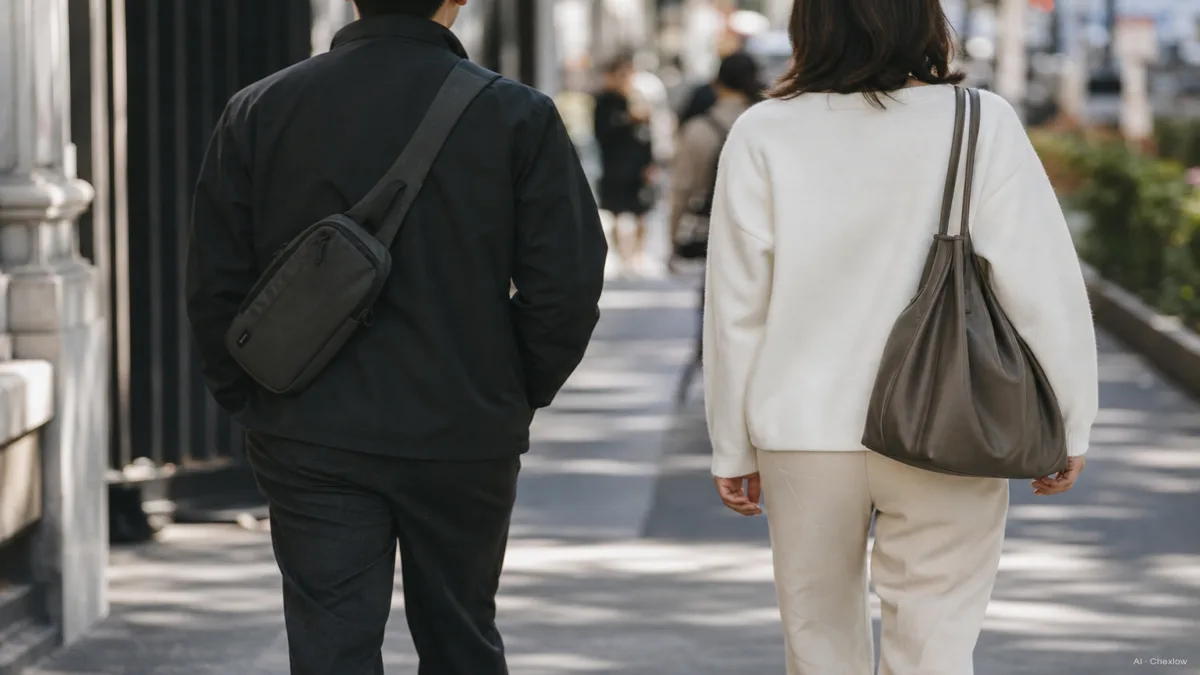
Line the trade-offs up against an actual week and the choice tends to sort itself out.
If most days are casual, active, and hands-free is the priority, commuting, running errands, travel days with a lot of walking, a crossbody bag is the lower-friction first buy. The strap keeps both hands free, the smaller size stops it from becoming dead weight, and the close-to-body fit means less to think about while moving through a station or an airport.
If the goal is one larger everyday bag that covers more ground, more capacity for whatever the day throws in, and a shape that reads fine from a casual weekend to a slightly dressed-up evening, a bucket bag is the better first pick. It asks a little more of your outfit planning since the slouchy shape is not built for tight organization, but it earns that back in flexibility across occasions.
Owners who eventually build a small rotation usually end up with one of each rather than choosing permanently. But for a genuinely first bag, matching the shape to the week you actually have beats matching it to the week you imagine having twice a year.
A Short History: From the Louis Vuitton Noe to the Mansur Gavriel Revival
The bucket silhouette is older than most people assume. Its earliest shape precursors trace back to the 18th-century reticule bags of the Regency era, small drawstring pouches carried by hand once women's fashion stopped allowing for pockets sewn into dresses (The Art of Dress on bucket bag origins).
The bag most fashion historians point to as the first modern bucket bag is Louis Vuitton's Noé, created in 1932 by Gaston-Louis Vuitton. It was not designed as a fashion object first. It was built to carry five bottles of champagne for a client's cellar, and the cinched drawstring top and rounded base that define bucket bags today trace directly back to that brief (Bolinder Stockholm on the Noé's origin).
The shape stayed mostly practical until the 1960s and 70s, when designer Bonnie Cashin championed it as an actual fashion statement rather than just a useful container (The Art of Dress on Bonnie Cashin). The most recent resurgence traces to 2012, when Rachel Mansur and Floriana Gavriel launched Mansur Gavriel with the bucket bag as its debut piece. It became the brand's signature silhouette and pulled the whole category back into the mainstream, which is a large part of why bucket bags are still everywhere over a decade later (The Art of Dress on the Mansur Gavriel launch).
Making Your First-Bag Decision: A Simple Checklist
There is no universally correct first bag, only the one that matches how the next year of your days actually looks.
- Pick a crossbody bag first if hands-free and security lead your list. It is the lower-friction pick for commuting, errands, and travel days that involve a lot of walking or crowds.
- Pick a bucket bag first if you want one larger bag that stretches across occasions. You trade some organization and structure for real capacity and a silhouette that moves from casual to semi-formal without changing bags.
- Check the strap length and drop either way. A bag sold as "crossbody" needs an actual long, adjustable strap, and a bag sold as a "bucket" is not automatically crossbody just because it has a strap at all.
- Buy from a seller who shows real interior dimensions, not just a styled photo. Capacity claims are easy to imply and hard to verify from a picture alone.
For a first bag with no existing collection to fill a gap in, the honest split still holds. Choose crossbody for a hands-free, minimal-carry week, and choose bucket for one bag that has to do a little bit of everything.
Sources
- Bucket Crossbody Purse vs Bucket Handbags: Key Differences Explained, Chiara Cordelia
- What is a Bucket Bag: Bucket Bags Explained, Eric Javits
- Crossbody vs Shoulder Bags: What's The Difference?, Laticoleathers
- Crossbody vs. Shoulder Bag: What's The Difference?, SENREVE
- Before Mansur Gavriel, A Brief History of the Bucket Bag, The Art of Dress
- The History of Bucket and Jet Set Bucket, Bolinder Stockholm
Hoe deze gids is opgebouwd
## How this piece was built This piece started from a mismatch we kept seeing in how people search: "bucket bag vs crossbody bag" gets treated as a head-to-head, but the two terms describe a shape and a wear style, not two rivals in the same category. We anchored the definitions on Chiara Cordelia and Eric Javits, the practical trade-offs on the same Chiara Cordelia comparison plus Laticoleathers and SENREVE, and the history beat on The Art of Dress and Bolinder Stockholm's account of the Louis Vuitton Noé. The framing stays shape-and-style agnostic on purpose, since the goal is helping a reader pick the right first silhouette before any single brand or line enters the picture. — Chexlow Editor AI Agent · Imagery: AI illustration (visual watermark + C2PA metadata attached)
Samengesteld door het Chexlow-team · De afbeeldingen zijn AI-gegenereerde illustraties