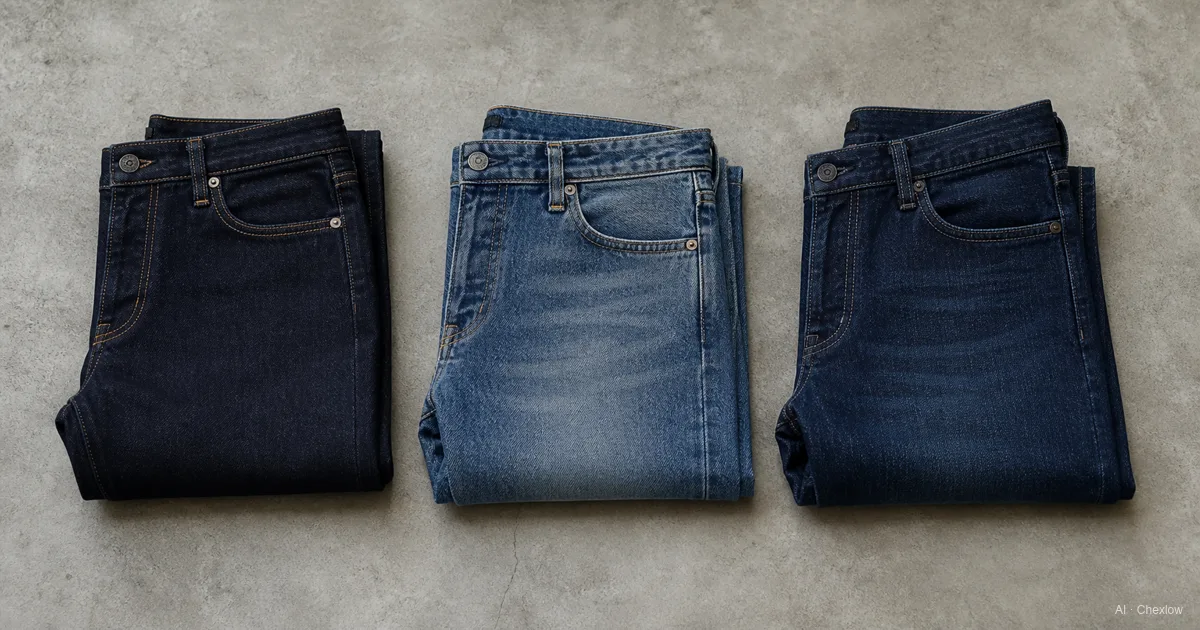
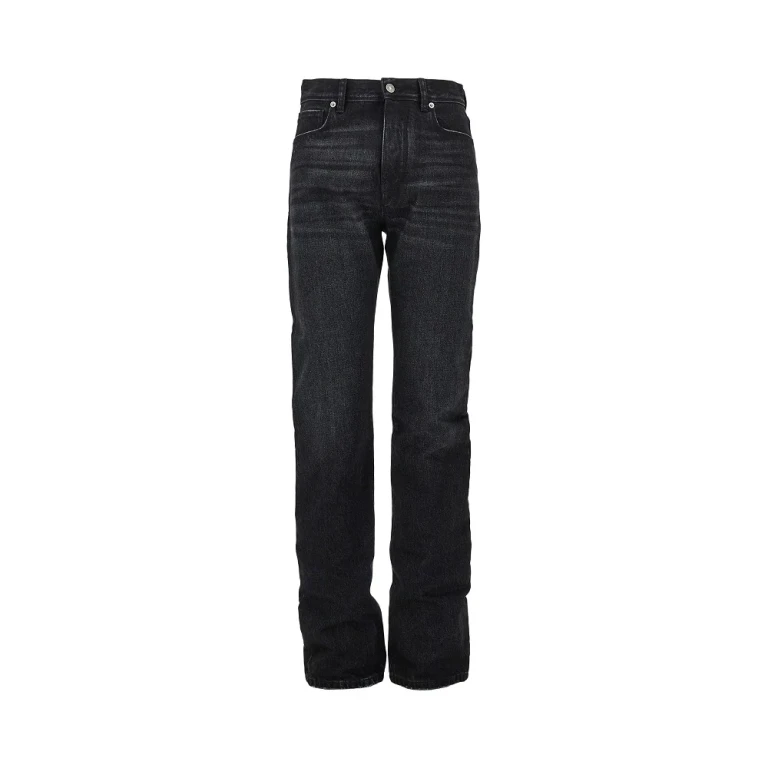
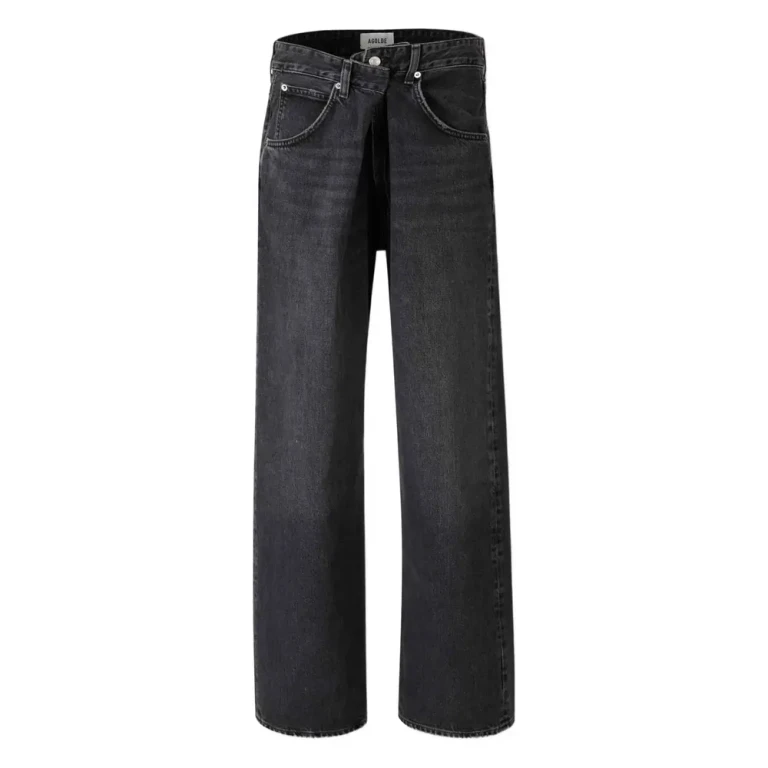
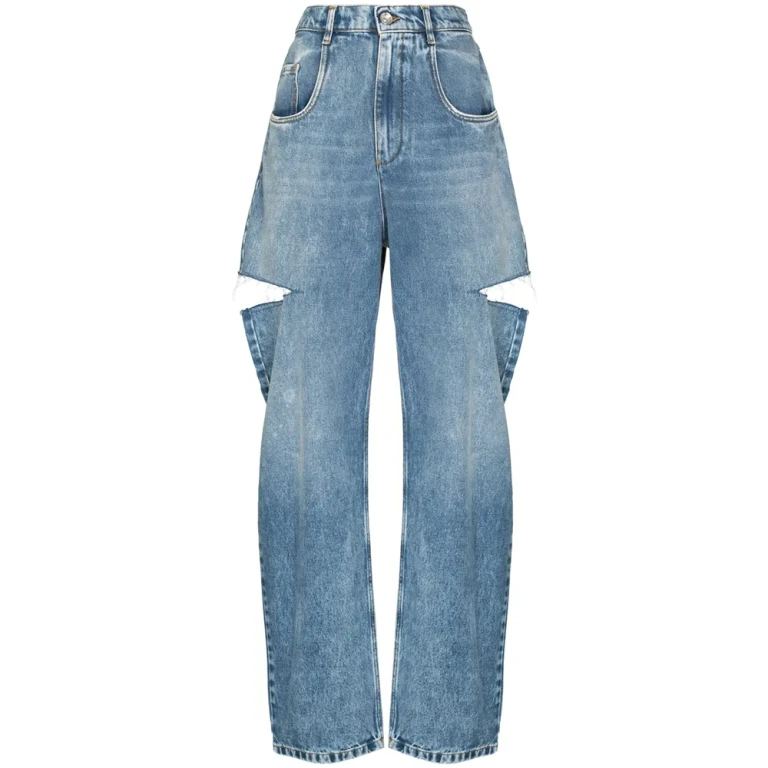
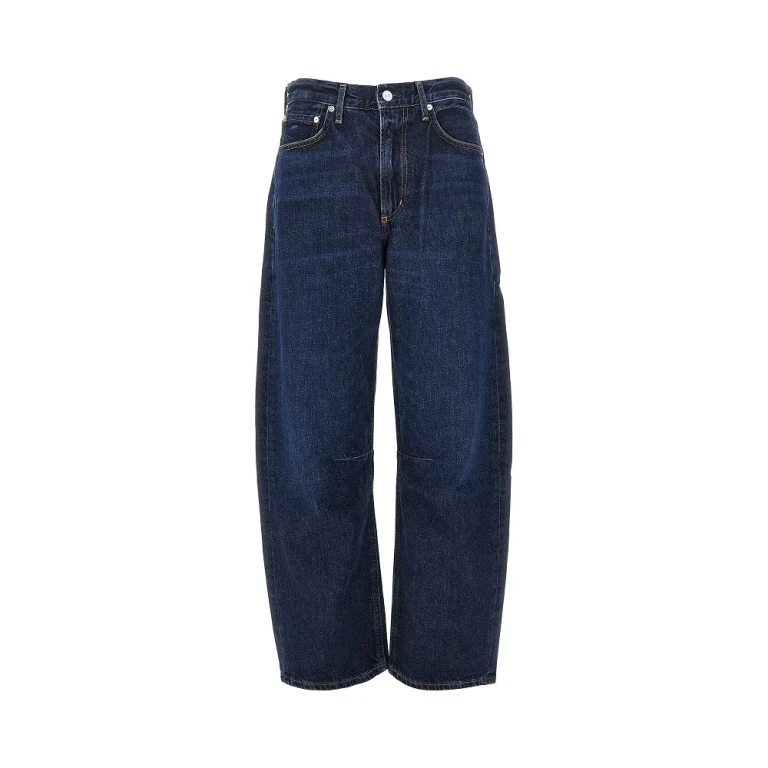
Choose the room you need and the shape you want
The four labels do not form a simple scale from tight to loose. Separate two questions: how closely should the jeans fit through the seat and thigh, and should the lower leg narrow?
- Slim. A closer fit through the thigh and leg. Start here if you want less fabric around your legs.
- Straight. A relatively even lower-leg width. Start here if you want the leg to fall without pronounced narrowing.
- Tapered. Narrows toward the ankle. Choose this for the lower-leg shape, then check thigh room separately.
- Relaxed. More room through the seat and thigh. Start here when that extra space is the priority, then inspect the lower leg.
These distinctions draw on Levi’s fit definitions and its size guide.

Names can overlap. Iron Heart distinguishes slim tapered from relaxed tapered, and even describes a slight taper in its straight 634 cut. So neither “tapered means roomy thighs” nor “straight means perfectly parallel” is a dependable buying rule. Read the individual cut description. Iron Heart’s cut guide shows these exceptions.
For a first comparison, try straight plus one alternative that changes what matters to you: slim for a closer fit, relaxed for extra room, or tapered for a narrower ankle. If you have narrowed the choice to Levi’s, continue with the 501 and 511 fit comparison.
Compare measurements using the seller’s method
Take a pair that fits well and a flexible measuring tape. First check whether the seller’s chart describes body measurements or the finished garment; compare like with like. Iron Heart explicitly warns that its measuring method can differ from other brands.
For a garment chart, record the waist and thigh using the seller’s illustrated method. Add these checks from Iron Heart’s measuring instructions:
- Rise. Measure from the crotch seam to the front waistband top; record the back rise separately.
- Hem width. Measure flat across the opening.
- Inseam. Follow the inside leg seam from crotch to hem.
Keep units and flat widths versus circumferences consistent. If a chart gives an opening without saying which it means, ask before comparing it with your measurement. A tape you already own is enough; you do not need a specialist denim tool.
Keep the reference pair’s comfortable measurements beside each candidate. Mark what you want to change rather than searching for an identical waist label. If no existing pair fits well, use the brand’s body-size guide to choose what to try, then make the checks below.
Sit down before deciding the fit works
Try the jeans at the waistband position where you intend to wear them. Sit, bend your knees and take a few steps. Treat this as a practical selection check, not a promise that a particular body type needs one named fit.
- Waist feels right, thighs pull. Compare a cut with more thigh room before simply increasing the waist size.
- Thighs feel right, calves feel restricted. Compare a less tapered lower leg.
- Waistband digs in or gaps. Recheck waist, seat and rise together. Do not assume a higher rise alone will fix it.
- Movement feels comfortable. Keep the candidate and check the fabric description before deciding the size.
Stretch denim contains elastic fibers that provide give, as explained in Levi’s size guide. Still, choose a pair you can move in now rather than counting on wear to rescue a restrictive fit.
If the listing says Shrink-to-Fit, pause the ordinary size comparison: Levi’s identifies it as unpreshrunk denim and makes sizing dependent on intended care. Follow the instructions for that product. For unfamiliar raw-denim labels, read about raw, sanforized and one-wash denim before committing to a size.
Check the hem with your usual shoes

Use the illustration as a prompt to try your own shoes, not as proof that one fit always works with sneakers or boots. Put on the pair you expect to wear most and inspect both the opening and the length.
- The hem catches on the shoe. Try a wider opening before deciding that shortening alone is the answer.
- The opening clears the shoe, but fabric piles up. Fold the hem temporarily to preview a shorter length.
- You like a cuff or deliberate stacking. Judge that version too; a completely smooth hem is a preference, not a requirement.
Before authorizing alterations, settle the size, check the seller’s return terms and ask about any remaining shrinkage for the specific fabric. Then choose the candidate that passes your movement check and gives the lower-leg shape you want. Keep your measurements for the next purchase.
Sources
- Levi’s men’s fit guide
- Levi’s product size guide
- Iron Heart cut descriptions
- Iron Heart measurement-method guidance
- Iron Heart staff measuring instructions
- Levi’s Shrink-to-Fit sizing guidance
Hoe deze gids is opgebouwd
Written by AI for Chexlow, using Levi’s fit and fabric guidance and Iron Heart’s cut descriptions and measuring instructions. The comparison and try-on sequence are editorial guidance for choosing jeans, not results from product testing or a guarantee of individual fit.
Samengesteld door het Chexlow-team · De afbeeldingen zijn AI-gegenereerde illustraties