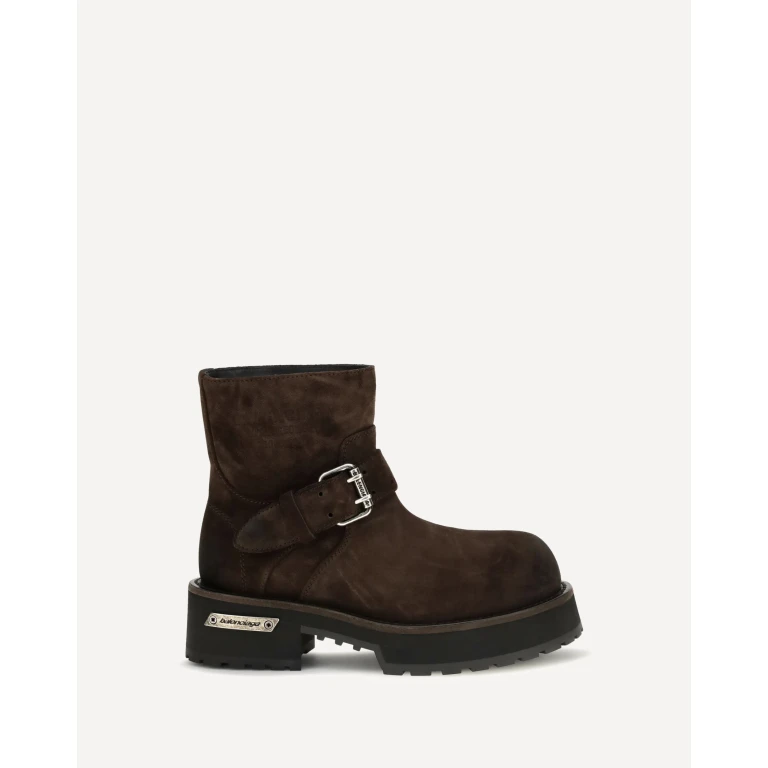
What "waxed leather" actually means
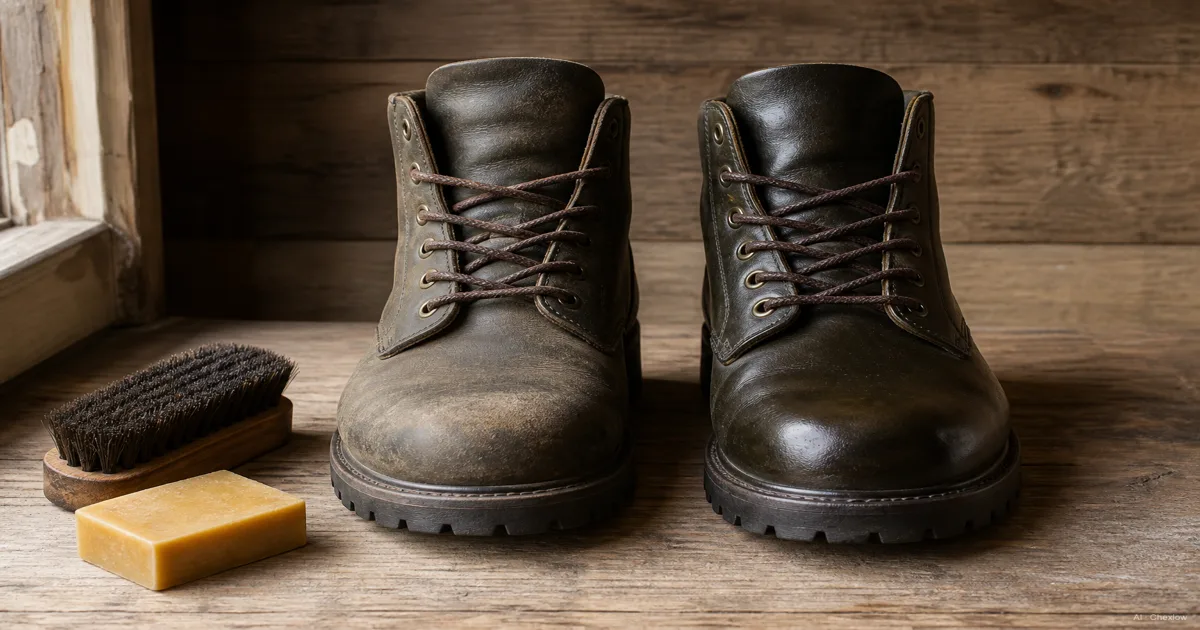
Regular smooth leather — the kind you'd find on dress shoes or most casual leather sneakers — has an open grain surface that absorbs conditioner directly. Waxed leather starts the same way, but the tannery applies a blend of waxes and oils during finishing, sealing the surface. The result is a matte, slightly rough texture that repels water naturally and develops a rugged patina over time.
Boots like Blundstone's waxed leather range, Danner's Tachyon, and Red Wing's Moc Toe in waxed versions all use this construction. So do a lot of work boots sold as "oiled leather" or "rough-out leather." The surface looks almost weathered from day one — that's intentional.
Why regular leather conditioner is a problem
Here's the thing: most standard leather creams and conditioners are formulated for smooth grain leather. They contain solvents, emollients, or silicone compounds that are absorbed through the open grain. On waxed leather, those same solvents can soften or partially dissolve the existing wax layer — causing uneven blotching, colour change, or a greasy film that's hard to remove.
Worse, once you soften that wax layer with the wrong product, the water resistance drops and the leather's surface becomes more vulnerable. The patch you "conditioned" can end up looking different from the rest of the boot within a few weeks. It's not irreversible, but it's an annoying cycle to fix.
The rule of thumb: if the product says "for smooth leather" or is marketed primarily for dress shoes, skip it. Look for products explicitly made for waxed leather, oiled leather, or work boots — words like "dubbin," "leather wax," or "waxed leather conditioner."
How to tell when your boots actually need rewaxing
You don't need to rewax on a fixed schedule. Look for these signs instead:
- Water is soaking in, not beading off. Run the boot under a tap. If water beads on the surface, the wax is holding. If it darkens the leather and soaks in within seconds, it's time.
- The colour looks faded or chalky. Waxed leather develops a natural bloom — a white haze — as the wax dries out. Visible bloom across the toe or shaft is a reliable signal.
- Cracking or stiffness. Wax protects the leather fibres from drying out. When it depletes, the leather starts to lose flexibility. If your boot feels stiffer than usual, don't wait longer.
- After exposure to heavy rain, salt, or mud. One rough winter weekend can strip enough wax to warrant an immediate rewax. Road salt is especially aggressive.
Most boots worn regularly in outdoors or wet conditions benefit from rewaxing every 3–6 months. Occasional wear in dry conditions can stretch that to once a year.
The rewaxing process, step by step
The process isn't complicated, but order and temperature matter.
1. Clean first. Remove laces and use a medium-stiff horsehair brush to knock off dirt from the surface, welt, and tongue. If there's heavier mud or salt residue, wipe with a damp cloth and let the boot dry completely before continuing. Never apply wax to wet leather.
2. Warm the wax (and ideally the boot). Cold wax is hard and won't penetrate well. Place the tin of wax in a bowl of warm — not boiling — water for a few minutes until it softens into a spreadable consistency. You can also briefly warm the boot surface with a hair dryer on a low setting to open the leather's pores slightly.
3. Apply with fingers or a cloth. Work a modest amount of wax into the leather in circular motions. Use more at the seams, welt, and toe — areas that take the most stress and water exposure. You don't need a thick layer; multiple thin coats absorb better than one heavy application.
4. Let it sit, then brush. Give the wax 10–15 minutes to absorb. Then take a clean horsehair brush and buff in firm strokes — this pushes the wax deeper into the fibres and evens the finish. Avoid applying heat immediately after application.
5. Let it cure overnight. Leave the boots somewhere dry and ventilated, away from direct sun, a radiator, or any heat source. Heat applied at this stage can shrink the leather or cause the wax to crack.
A second light coat applied the next day will improve the result, especially on boots that were heavily depleted.
Choosing the right product
The category breaks down roughly into three options:
- Wax-based dressings (dubbin, boot wax) — the classic choice for waxed leather. Products like Nikwax Waterproofing Wax for Leather and traditional dubbin tins restore the wax layer and add waterproofing. These are the safest pick if you're unsure.
- Lanolin-based or oil-rich conditioners — products that blend wax with natural oils (like mink oil or neatsfoot oil) penetrate well and add suppleness. Good for heavily dried-out boots. Avoid pure mink oil alone, which can over-soften the leather and affect colour.
- Spray-on treatments — Nikwax and similar brands offer spray-on options that are convenient for re-treatment between full rewaxes. Easier to apply but don't replace a thorough wax treatment once or twice a year.
Avoid silicone-based sprays and products not specifically formulated for waxed or oiled leather. They may restore appearance temporarily but don't replenish the wax that protects the leather underneath.
Maintenance between rewaxes
Between full rewaxing sessions: brush off dirt after each use with a dry horsehair brush, let wet boots dry naturally (never force dry near heat), and use boot trees to hold the shape as they dry. If the bloom reappears on the surface before your next rewax is due, a quick buff with a soft cloth is often enough to work the surface wax back into the leather without adding more product.
Sources
- How to Re-Wax Waxed Flesh Leather Boots — Work Wear Command — cleaning and wax application process for waxed flesh leather boots
- Waterproofing Wax for Leather — Nikwax — product instructions and application method for Nikwax leather wax
- Red Wing Shoes: Waterproof, Oiled & Waxed Leather Care Guide — manufacturer guidance on caring for oiled and waxed leather
- Boot Wax vs Boot Conditioner — My Shoe Supplies — differences between wax and conditioner for boot leather
- Waxed leather — Wikipedia — background on wax finishing and surface characteristics