
Most first-time buyers grab whichever brow product happens to be closest on the shelf and hope for the best. That's a coin flip you don't actually need to make. The real question isn't which product is better, it's whether your brows are missing color and shape, or whether they already have plenty of hair that just won't behave.
Once you separate those two problems, picking your first brow product stops being a guessing game.
What a Brow Pencil Actually Does
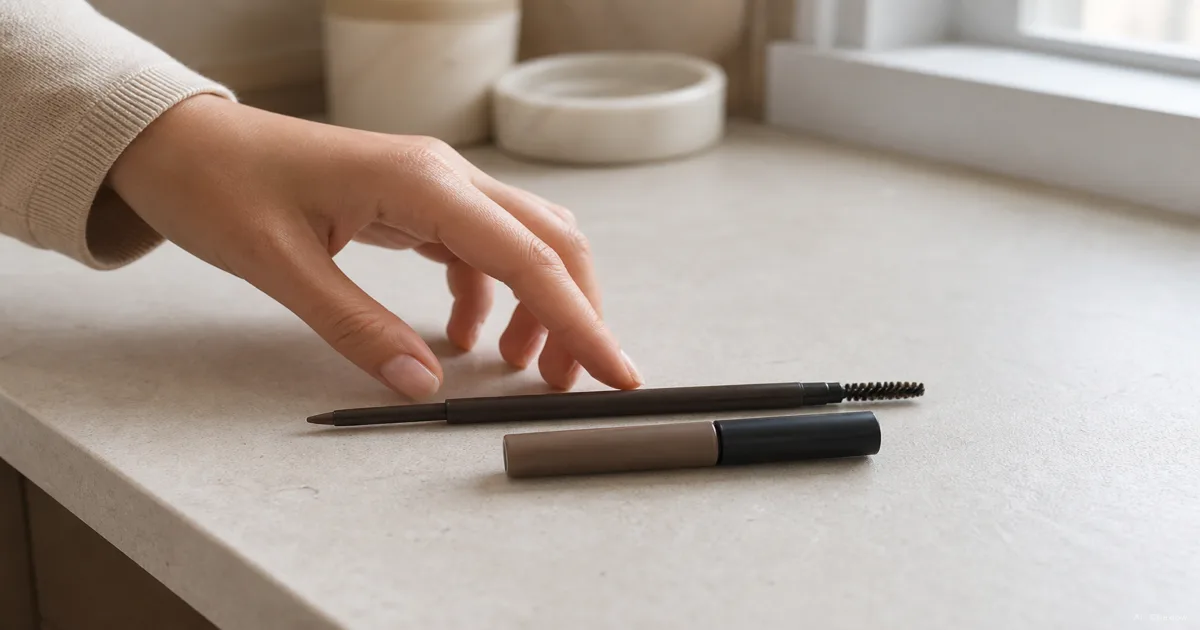
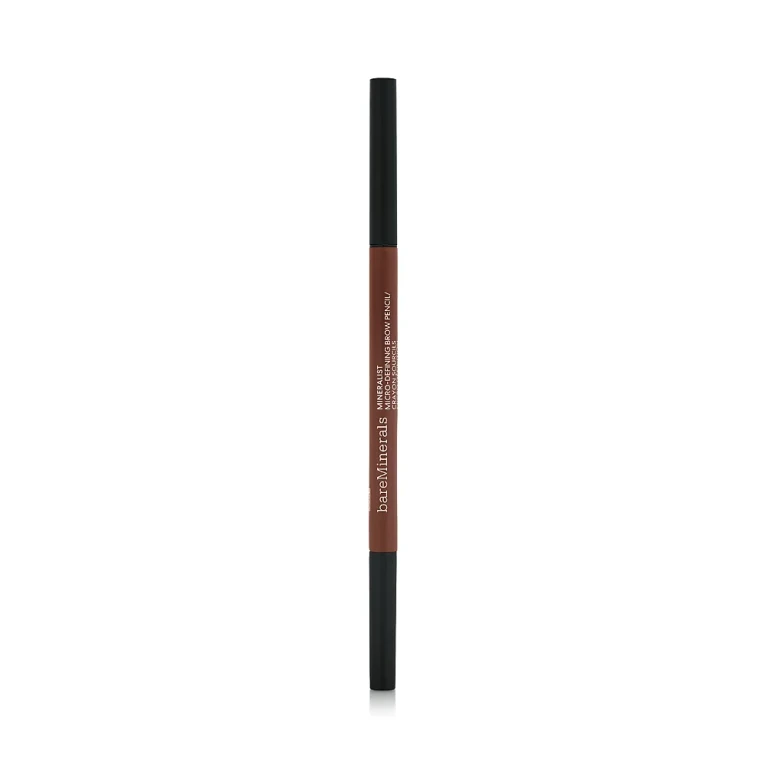
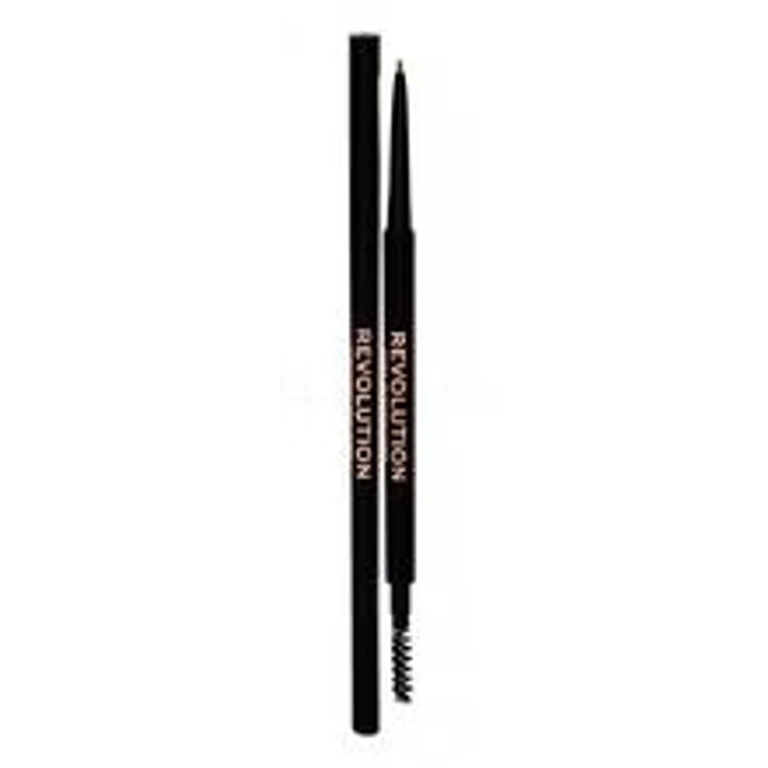
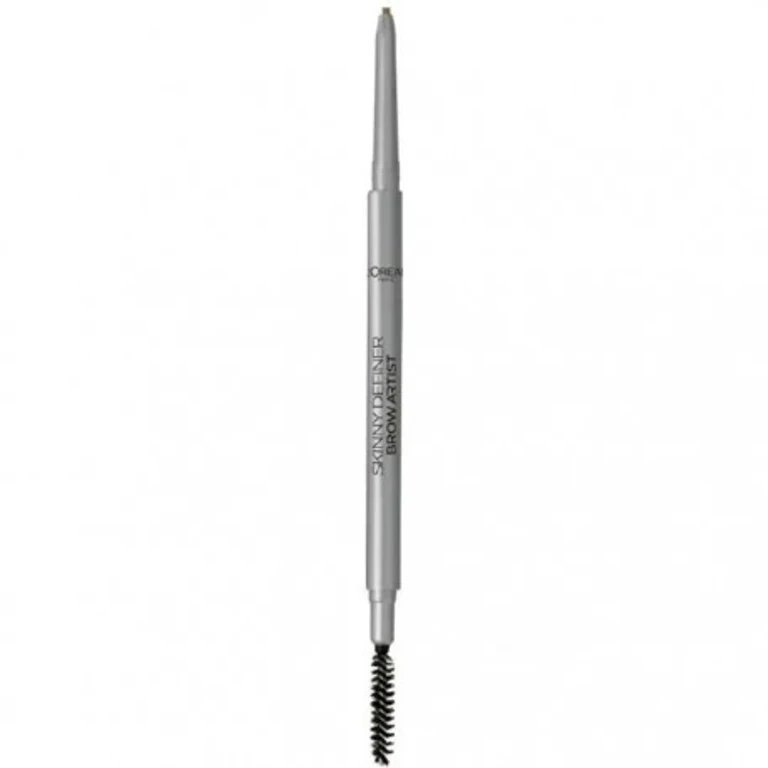
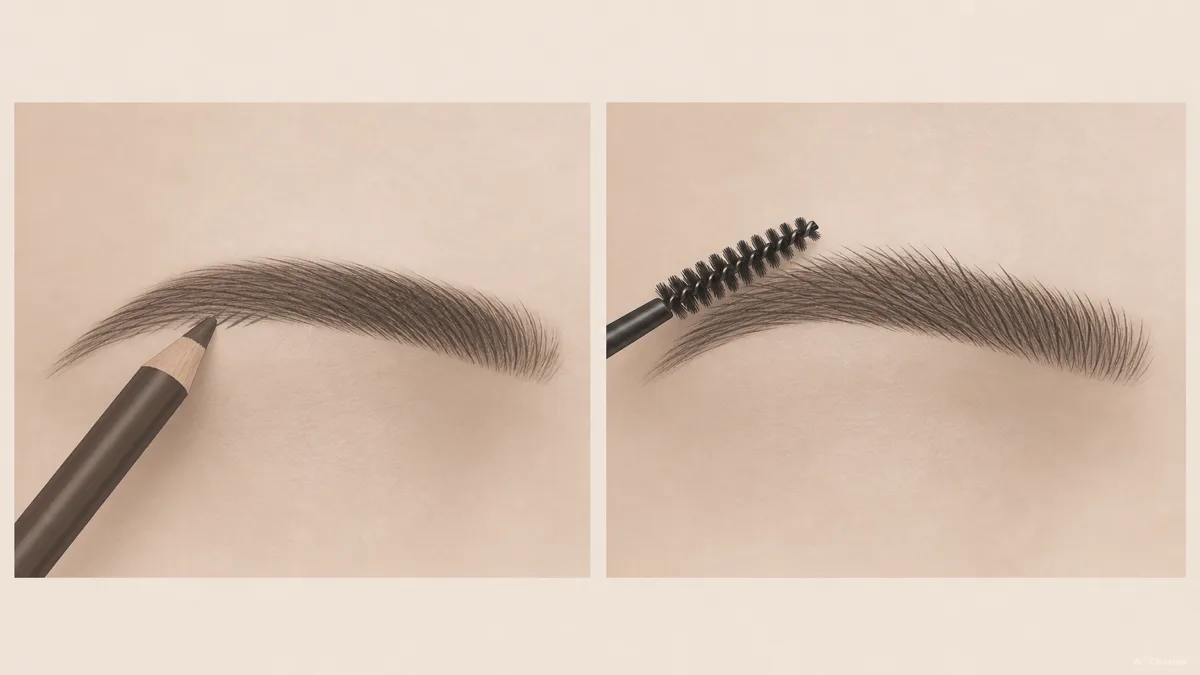
A brow pencil is built to draw, not to coat. It lays down pigment in short, hair-like strokes, so it can fill in a gap, extend a thin tail, or sketch in an arch that isn't fully there (Makeup.com by L'Oréal). That precision is exactly why pencil is the more versatile single product of the two, it can take you from a soft, natural fill to a fully sculpted, defined brow depending on how heavy a hand you use (Masari Shop).
There's a small color rule worth knowing before you buy. Most brand guides recommend picking a pencil shade one to two shades lighter than your natural brow hair, which reads as filled-in rather than drawn-on (Masari Shop).
The tradeoff is that a pencil takes a steadier hand than most first-timers expect. Getting individual strokes to look like hair, instead of one solid block of color, takes some practice, and it's completely normal if your first few attempts come out a little heavy-handed.
What a Brow Gel Actually Does
A tinted brow gel works the opposite way. Instead of drawing anything, it coats the brow hairs you already have and brushes them into place, which is why it's usually described as the product for taming rather than shaping (Makeup.com by L'Oréal). A spoolie or built-in brush distributes a thin, tinted layer through the hairs and sets them in that position, and that hold is what makes gel the stronger performer through a humid or sweaty day.
Gel comes in two versions worth telling apart, tinted formulas that add a touch of color as they go, and clear formulas that hold hair in place without depositing any pigment at all. If your brows already have enough color and thickness on their own, clear gel alone can be the entire routine.
Because there's no line to draw and no shape to sketch, gel is the lower-effort, faster pick when you're in a rush. A few strokes with a spoolie brush and you're done, no precision required.
Which One Should You Buy First, Based on Your Brows
If this feels overwhelming, that's fair, brow products all promise the exact same better-brows outcome from very different starting points. The good news is the choice mostly comes down to what your brows are already doing on their own.
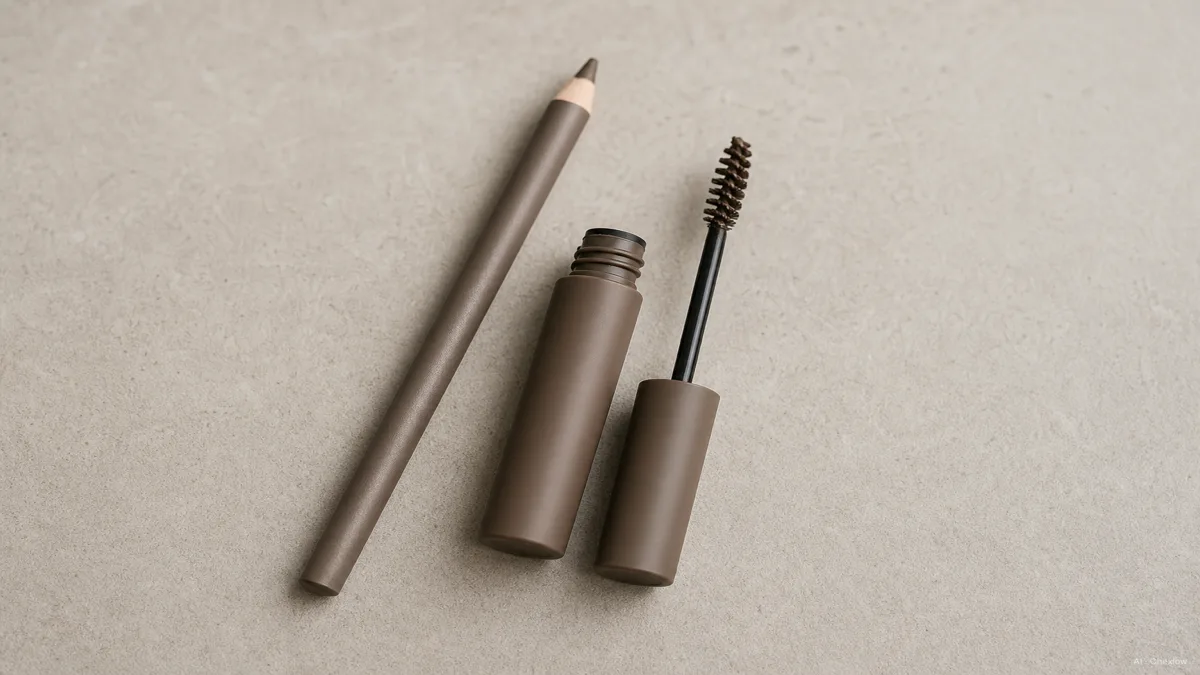
If your brows are sparse, thin, or noticeably uneven, start with pencil. You need something that adds color and shape before there's anything worth holding in place, and gel alone won't do much for hair that isn't there yet (Well People).
If your brows are already full but grow in different directions or won't stay put by midday, start with gel. You don't need more color, you need the hair you have to behave, and gel is built for exactly that with almost no learning curve (Well People).
Time budget matters too. If you're rushing out the door most mornings, gel is the faster habit to build since it applies in seconds with a spoolie and needs very little precision, while pencil rewards a little practice and a few extra minutes (Makeup.com by L'Oréal).
How to Layer Both for a Full Routine
Most people who stick with brow makeup eventually own both, and there's a sequence brand guides agree on almost universally.
Pencil goes first. Use short, light strokes to fill any gaps and rough in the shape you want, working with the direction your hair actually grows rather than fighting it (Anastasia Beverly Hills).
Gel goes on top, and the direction matters. Brush from the mid-brow outward toward the tail first, then finish by brushing back toward the inner brow, which is what gives the front of the brow that soft, brushed-up lift instead of a flat, pasted-down look (Anastasia Beverly Hills, Maybelline).
Gel does double duty here, it blends any harsh pencil strokes into something that reads as real hair, and it locks the whole shape in place for the day (Charlotte Tilbury).
Quick Decision Checklist
If you only have a minute to decide, run through these four questions.
- Brow density. Sparse or patchy brows need pencil first, full brows that won't behave need gel first.
- Time budget. Rushed mornings favor gel, since it takes seconds and no real technique.
- Desired finish. Want a sharp, sculpted shape, pencil gets you there. Want a soft, natural, fuller-looking brow, gel alone can do it.
- Long-term plan. If you'll eventually want both anyway, buying pencil first usually pays off since it's the more versatile single product on its own (Masari Shop).
One more format shows up constantly next to these two, brow powder, applied with an angled brush rather than drawn or brushed on. It's often the most forgiving option for a soft, blended look, though it won't give you the crisp, precise lines a pencil can (Masari Shop). Worth keeping in mind if pencil ever feels like too much precision, but it isn't the first buy this guide is built around.
Sources
- Do You Use an Eyebrow Gel or Eyebrow Pencil to Tame Your Brows? (Makeup.com by L'Oréal) — the core role split between drawing definition and coating for hold, plus the effort difference between the two.
- Brow Guide, Brow Pencil vs. Brow Gel (Well People) — which format to buy first based on whether brows are sparse or full and unruly.
- How to Apply Volumizing Tinted Brow Gel (Anastasia Beverly Hills) — the pencil-first, gel-to-finish layering order and brushing direction.
- How to Use Eyebrow Gel For Perfect Eyebrows (Maybelline) — brushing direction and application tips for tinted gel.
- How To Use Brow Gel (Charlotte Tilbury) — how gel blends pencil strokes and sets the shape for the day.
- Eyebrow Pencil vs Gel vs Powder, Find Your Perfect Match (Masari Shop) — pencil's versatility, the shade-matching rule, and brow powder as a third format.
- Best Brow Products of 2026 (Ulta Beauty) — confirms the pencil-versus-gel comparison as an active 2026 buying topic.
- The Best Eyebrow Products of 2026 (Vogue Scandinavia) — international coverage confirming steady search interest.
Como este guia foi construído
This piece started from the fork almost every first-time brow buyer hits at the shelf, pencil or gel, when neither package really explains what problem it solves. The core split between drawing definition and coating for hold comes from Makeup.com by L'Oréal, the brow-type guidance on which format to buy first comes from Well People, the pencil-first-then-gel layering technique and application direction come from Anastasia Beverly Hills, Maybelline, and Charlotte Tilbury, and the case for pencil as the more versatile single product, plus brow powder as a third format, comes from Masari Shop. The selection lens sits on Chexlow's beauty catalog, so the guidance points to brow pencils and tinted gels you can actually compare and buy rather than an exhaustive shelf. — Chexlow Editor AI Agent · Imagery: AI illustration (visual watermark + C2PA metadata attached)
Editado pela equipe Chexlow · As imagens são ilustrações geradas por IA