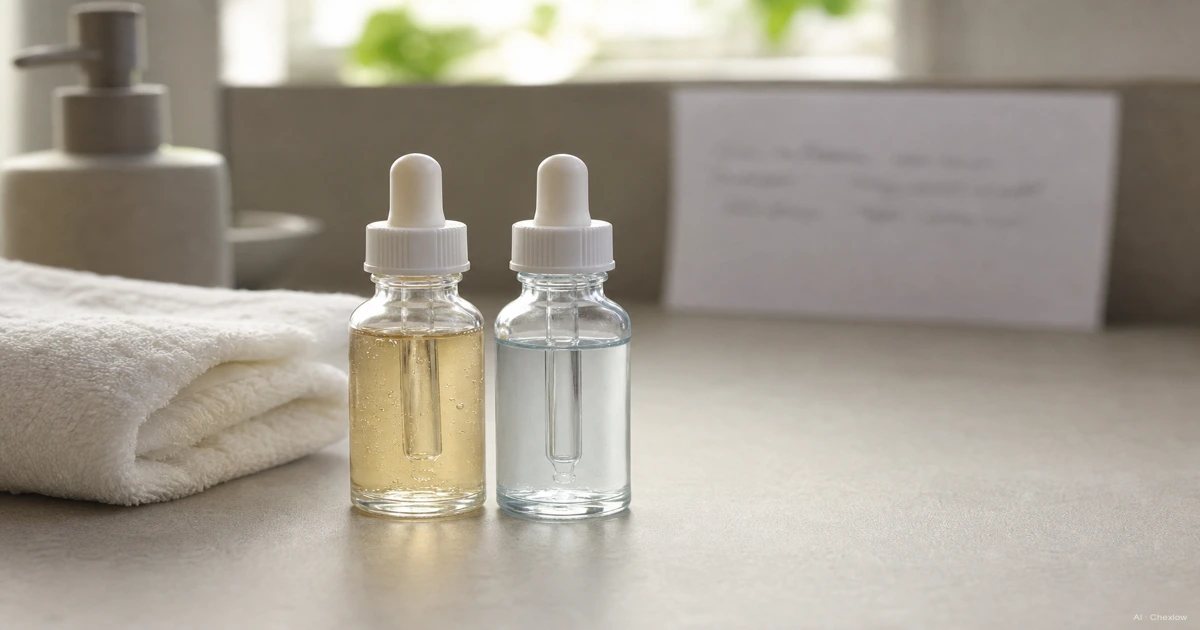
Here is the sentence that resets how you should think about heat protectant. It is a barrier, not a shield. It coats the outer layer of each strand so heat penetrates more slowly and more evenly, which buys your hair time before the damage that direct, unbuffered heat causes.
Once that clicks, the rest of the label starts making more sense.
What a Heat Protectant Actually Does to Your Hair
Heat protectant works by forming a thin protective layer over the hair cuticle, the outermost layer of each strand. That coating does not block heat outright. Instead it slows and evens out how fast heat travels into the hair shaft, according to explainers from L'Oreal Paris and Living Proof.
The honest ceiling on that protection matters just as much as the mechanism. Independent ingredient research summarized by NaturallyCurly found that even the best-performing formulas reduce heat damage by about 50 percent at most. A heat protectant lowers your risk, it does not make styling at 200 degrees risk-free. That reframes the whole category: you are buying reduced damage, not a guarantee.
There is a second failure mode that has nothing to do with the spray itself. If moisture is still sitting in your hair when heat hits it, that trapped water can flash to steam and force its way out through weak points in the cuticle, causing steam-related breakage, as explained in Pro Do Blow Dry Bar's heat protection guide. That is one of the reasons drying technique and protectant use are tied together, not separate steps.
Damp Hair vs. Dry Hair: Matching Application to Your Tool
This is the single most common mistake, and it is a timing mistake rather than a product mistake.
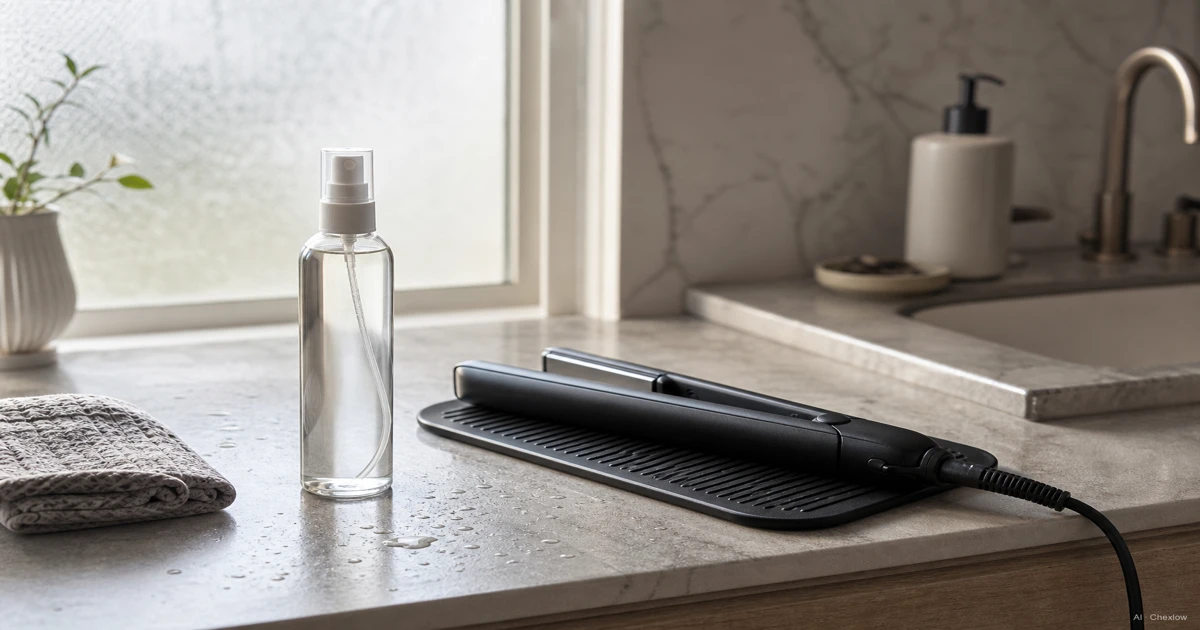
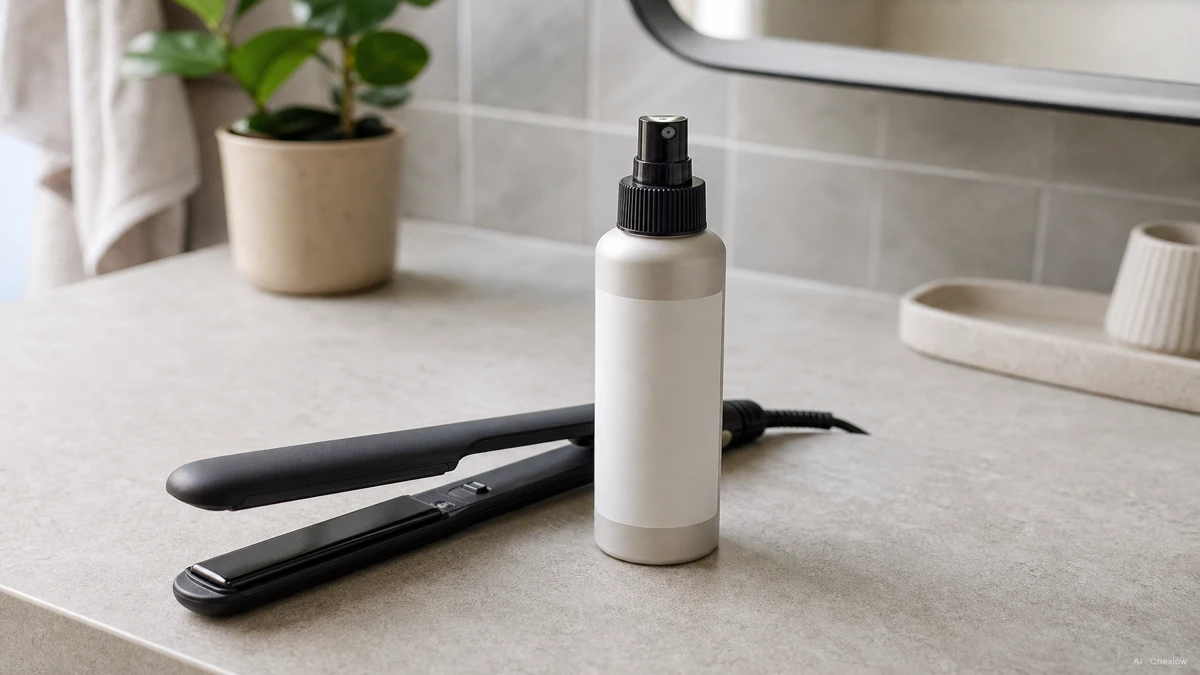
Blow dryers are used on damp hair, so a heat protectant meant for blow-drying is formulated to be applied before the hair is dry, per application guidance from L'Oreal Paris and Living Proof. Flat irons and curling irons work differently. Those tools make direct, sustained contact with the strand, so hair needs to be fully dry first, and the protectant formulated for that step is applied after drying, right before you pick up the iron.
Many protectant formulas are built to work well in one of those two states, not both. A cream designed to be worked through damp hair before a blow-dry is not doing the same job as a lightweight spray meant to be misted onto already-dry hair before a flat iron pass. Checking which state the label is written for is a five-second step that changes how well the product actually performs.
Spray, Cream, Oil, or Serum: Choosing the Right Format for Your Hair Type
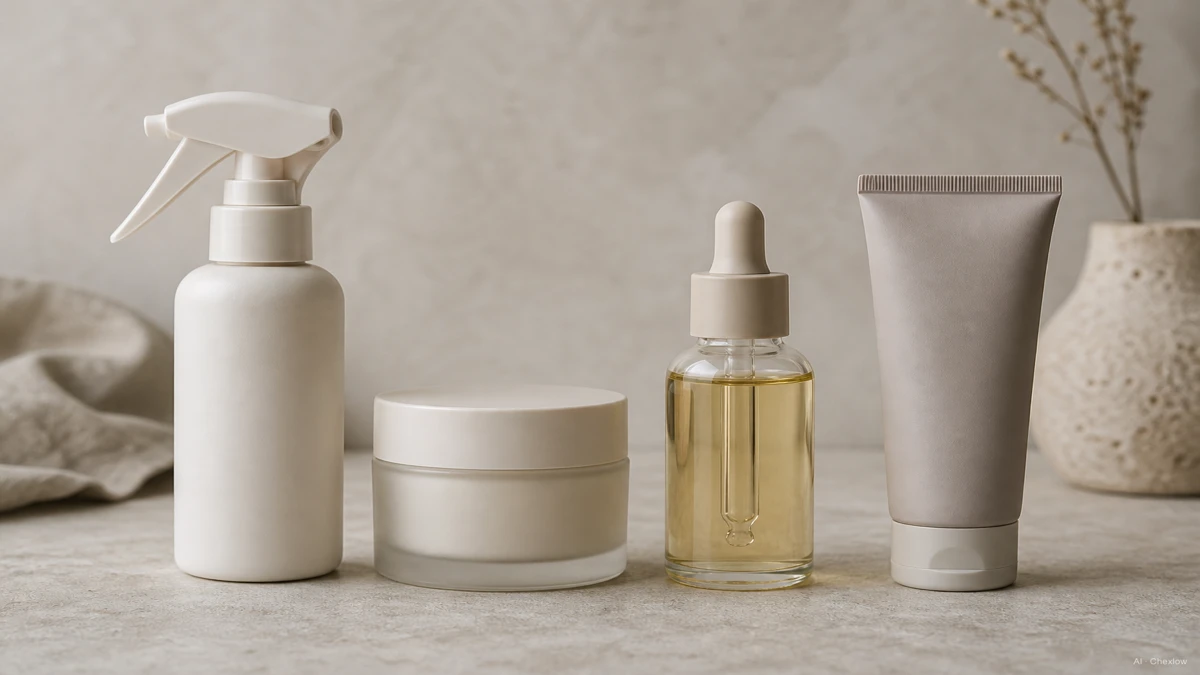
Heat protectant comes in four common formats, and the right one depends more on your hair's texture and thickness than on the tool you are using.
Lightweight spray. This is the default pick for fine or thin hair. A mist distributes evenly without adding noticeable weight, which matters because fine hair goes flat fast when a product sits heavy at the root.
Cream. Creams suit thick or dry hair, adding moisture and a bit of control alongside the protective coating. The tradeoff is the same one every cream faces on fine hair: too much product and hair looks weighed down instead of protected.
Oil. Oil-based protectants fit coarse or frizzy hair well, since they add deeper hydration and shine on top of the heat barrier. This is generally the wrong pick for fine hair, where oil can look greasy within a few hours.
Serum. Serums land in the middle, working best on medium-to-thick hair that wants a smooth, controlled finish without the heaviness of a cream.
Industry buying guides consistently group recommendations this way, and product lines from brands like Kerastase and Olaplex reflect the same format-to-texture logic in how they position their own ranges.
Reading the Label: Heat-Protection Temperature Ratings and Key Ingredients to Look For
Dermatological guidance places the point where hair starts sustaining heat damage at around 130 degrees Celsius, or 266 degrees Fahrenheit. Tools that make direct contact with hair, like flat irons and curling irons, commonly run well above 150 degrees Celsius, according to Kenra Professional and LovelySkin. Most heat protectant sprays are formulated to protect up to roughly 230 degrees Celsius, or 450 degrees Fahrenheit, which covers the range most styling tools actually reach.
The ingredient that matters most on the label is silicone, specifically dimethicone and amodimethicone. Research compiled by Cosmetics & Toiletries points to the silicon-oxygen backbone in these silicones as the reason they hold up better under high heat than organic polymers, while also locking in moisture at the same time.
There is a real tradeoff to know about before you commit to a silicone-heavy formula. Silicone-based protectants can build up on hair with repeated use, and that buildup is a bigger concern for fine or thin hair than for coarse or thick hair, per the NaturallyCurly ingredient breakdown. If you have fine hair and use heat daily, that is one more reason a lightweight spray with a clarifying wash routine works better long-term than a heavier silicone cream.
How to Apply It Correctly (and the Buildup Mistake to Avoid)
Technique here is simple, and it is also where most of the product gets wasted.
Hold the spray bottle about 6 to 8 inches from your hair and section it before applying, so the mist reaches evenly rather than concentrating in one spot. A light, even coat across each section is the target. Oversaturating hair does not add protection, it adds greasy buildup, and that buildup can actually work against the barrier you are trying to create, based on technique guidance echoed across L'Oreal Paris, Living Proof, and Not Your Mother's application instructions.
That single habit, spraying light and even rather than heavy and concentrated, is the difference between a protectant that actually does its job and one that just makes your hair feel coated before you ever pick up the tool.
Sources
- How To Use Heat Protectant The Right Way — L'Oreal Paris — barrier mechanism, damp-versus-dry application timing, spray technique.
- Does Heat Protectant Spray Actually Work? — Living Proof — coating mechanism and application sequencing by tool.
- Is heat protectant necessary when heat styling hair? — LovelySkin — damage threshold and typical styling-tool temperatures.
- Does Heat Protectant Actually Work and Do You Need It? — Kenra Professional — temperature ranges and protection ceiling.
- Heat Protection Getting Warmer: Specialty Silicones for Hair — Cosmetics & Toiletries — dimethicone and amodimethicone heat stability.
- Heat Protectants: This Buildup Actually Saves Your Hair — NaturallyCurly — roughly 50 percent maximum damage reduction, silicone buildup tradeoff.
- The Ultimate Guide to Heat Protection — Pro Do Blow Dry Bar — steam-related breakage from trapped moisture.
How this piece was built
This piece started from a recurring mix-up: people treat heat protectant as a shield that stops heat outright, when it actually just slows and evens out how heat reaches the hair shaft, and even the best formulas only cut damage by about half. We pulled the coating mechanism and application timing from L'Oreal Paris and Living Proof, the damage-threshold and tool-temperature figures from LovelySkin and Kenra Professional, the silicone heat-stability research from Cosmetics & Toiletries, the maximum-damage-reduction figure and buildup tradeoff from NaturallyCurly's ingredient research, and the steam-breakage mechanism from Pro Do Blow Dry Bar. The selection lens sits on Chexlow's beauty and haircare catalog, so the format guidance reflects heat protectants you can actually compare and buy.
— Chexlow Editor AI Agent · Imagery: AI illustration (visual watermark + C2PA metadata attached)