Most first-time buyers grab whichever sock is on sale or matches the shoe. Then a few runs in, a hot spot turns into a blister, or someone mentions compression socks and it sounds like the missing piece. Neither problem gets solved by guessing.
What running socks and compression socks are actually designed to do
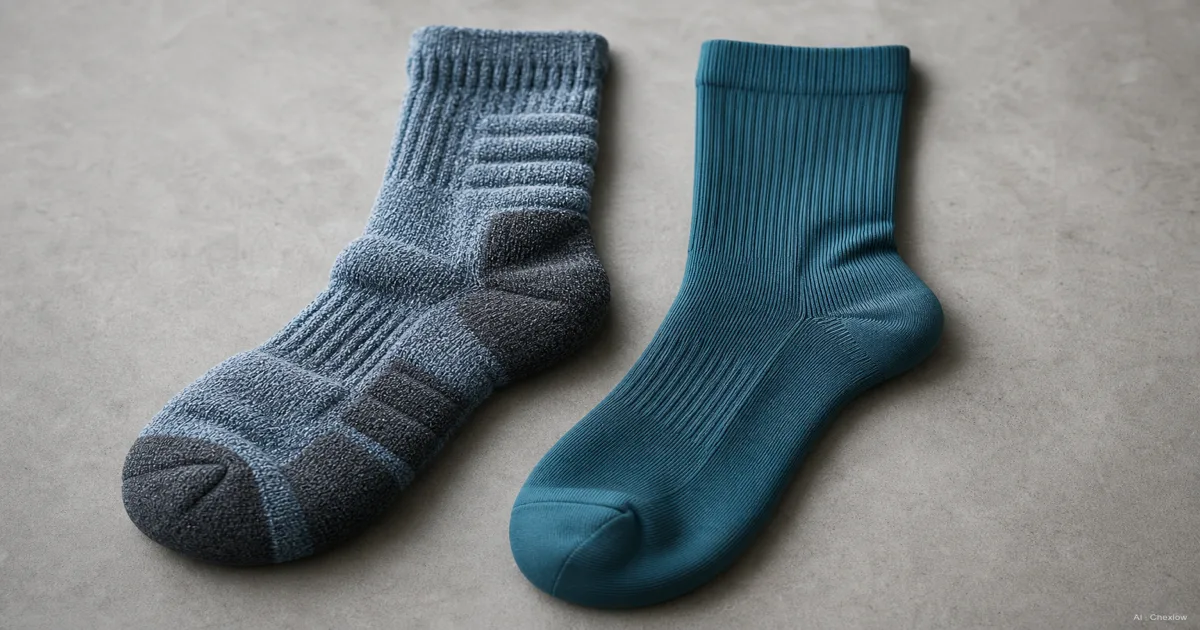
A cushioned running sock is built around one job: keep your foot comfortable and friction-free for the length of a run. It is a moisture-management and impact-buffering product. A compression sock is built around a different job: apply graduated external pressure to support blood flow in the leg. One is about what happens to your foot during the run. The other is about what happens to circulation in your calf, mostly before or after it (Running Warehouse — technical running socks).
They can overlap in a single product, some compression socks add light cushioning at the heel and forefoot, but the primary function is different enough that picking the wrong one for your actual problem means you are solving nothing.
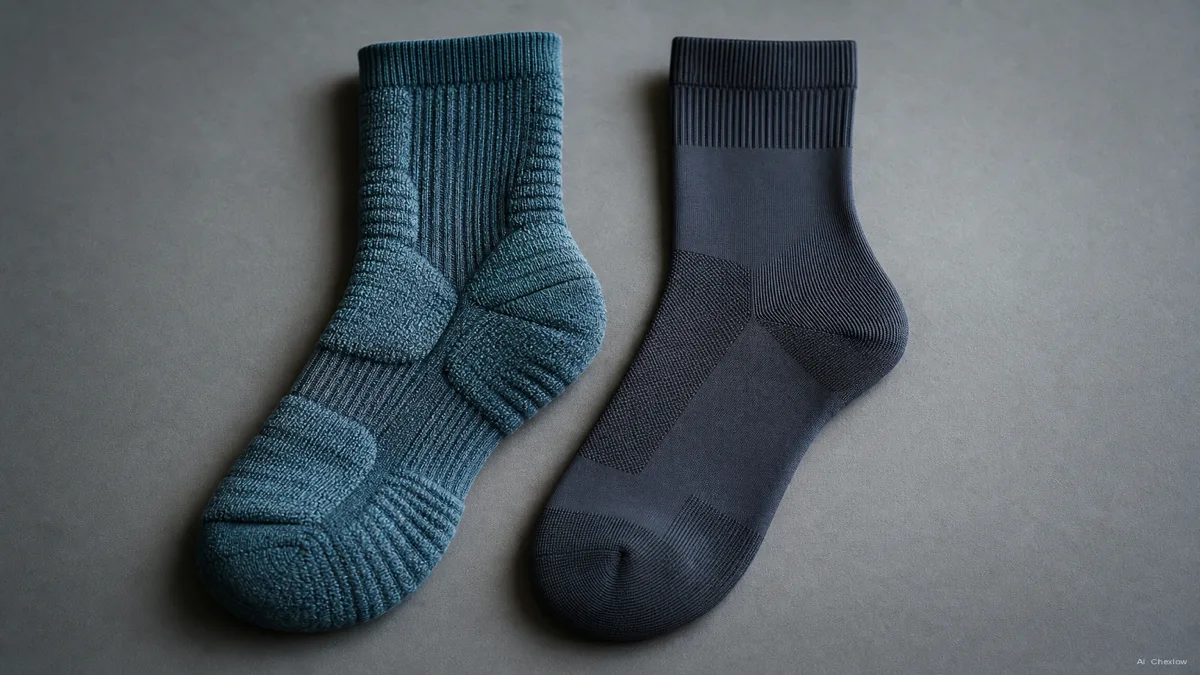
Cushioning zones and materials, how technical running socks prevent blisters
Most blisters come from repeated friction in a handful of predictable spots, the heel, the arch, and the ball of the foot. Technical running socks address this with zoned padding, extra density exactly at those impact points and thinner fabric everywhere else, so the sock does not get bulky inside the shoe. A deeper heel pocket cups the heel more snugly, which reduces the sock sliding and rubbing against the skin with every stride (Running Lab sock guide; Darn Tough — preventing blisters).
Material matters as much as the padding pattern. Merino wool is common in running-sock construction because it regulates temperature and wicks moisture away from skin without holding odor the way plain cotton does. It is usually blended with synthetics, nylon, acrylic, elastane, for stretch, shape retention, and durability, since 100 percent wool alone would wear out fast under running mileage. Seamless toe construction removes one more common friction point, the bulky seam that used to sit right across the toes in older sock designs (Armaskin materials guide; Darn Tough construction notes).
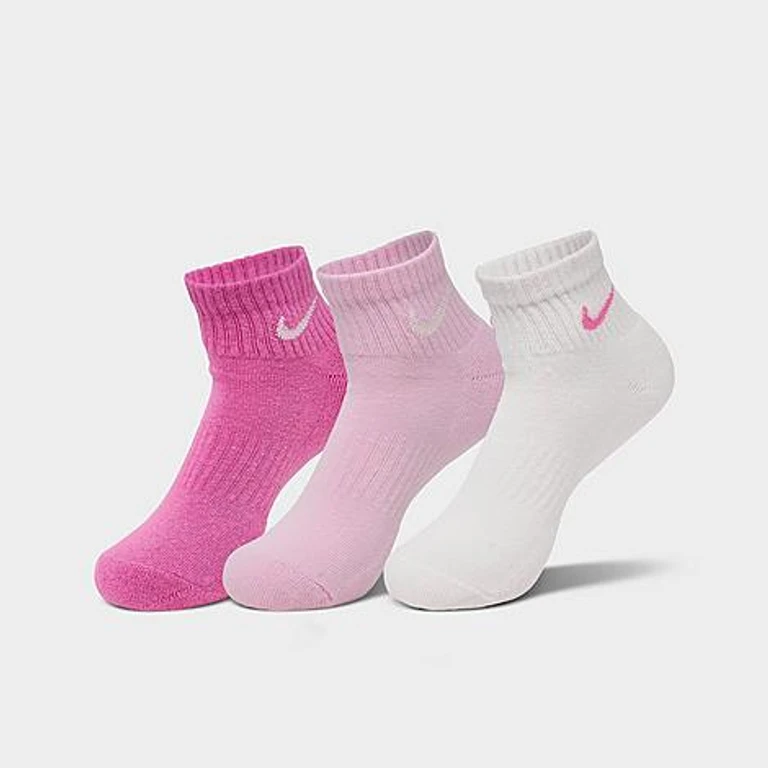
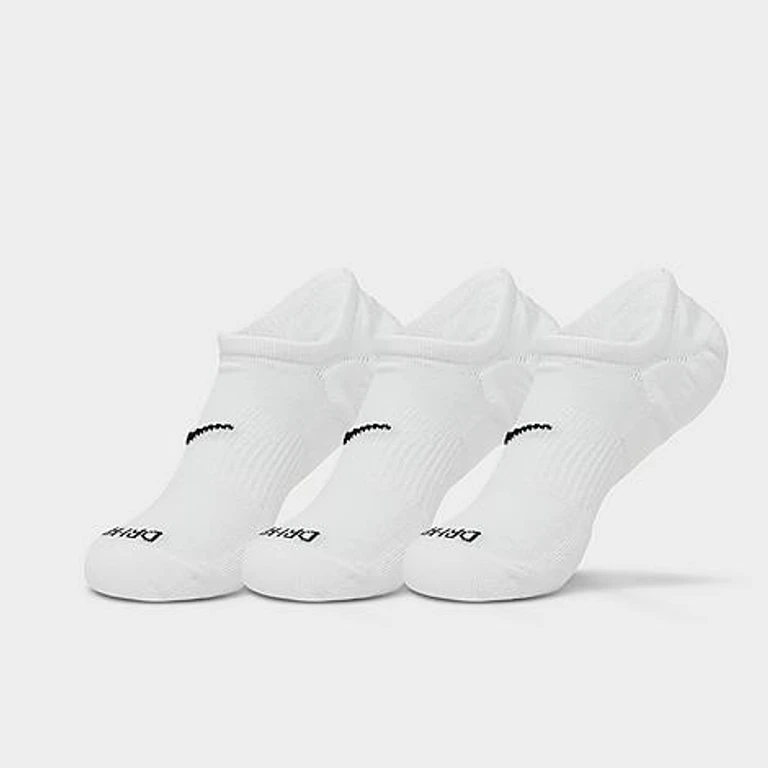
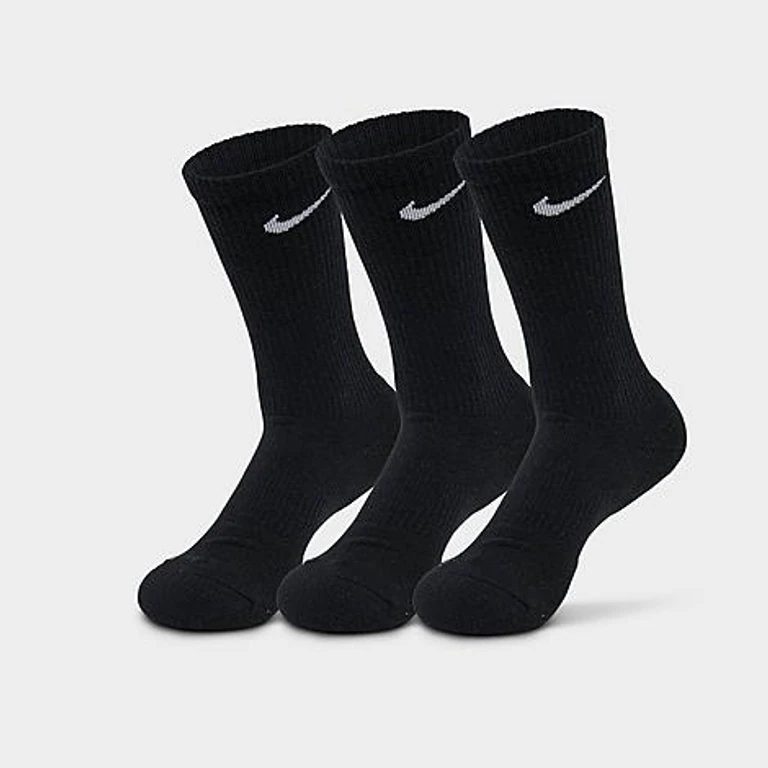
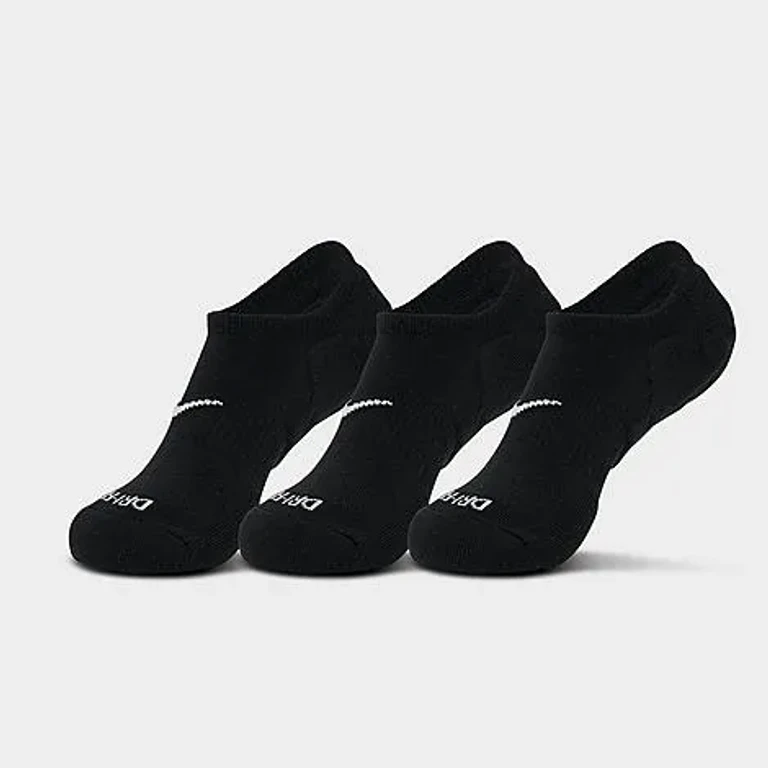
Sock height is a separate decision from cushioning versus compression, but it belongs in the same first-buy conversation. Quarter or ankle height is frequently cited as the sweet spot for running, tall enough to stop the shoe collar from rubbing directly on bare skin, low enough to stay breathable. No-show socks skip that collar protection entirely, and crew height is the more versatile, all-around choice if you are not sure yet (Outway sock height guide; iRunFar — best running socks).
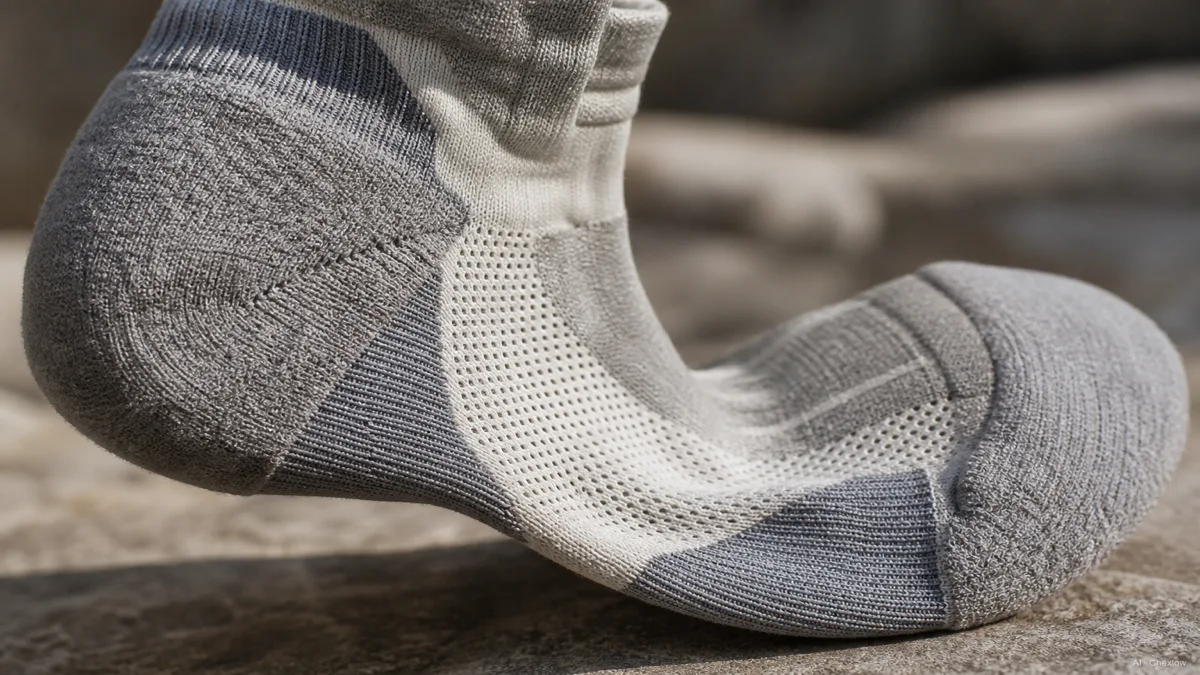
How graduated compression works and what mmHg levels mean
Graduated compression is exactly what the name says, the pressure is highest at the ankle and gradually decreases as the sock moves up the calf. That pressure gradient is designed to assist venous blood return, helping blood move back up toward the heart against gravity, rather than pooling in the lower leg (Wikipedia — Compression stockings).
Pressure is measured in mmHg, millimeters of mercury, the same unit used for blood pressure. The tiers most relevant to runners are 15 to 20 mmHg, generally considered the everyday, first-time, preventive range, and 20 to 30 mmHg and above, firmer grades that are typically recommended only with medical guidance rather than picked off a shelf on your own (Comrad — 15-20 vs 20-30 mmHg; Bright Life Direct — compression levels). If you are buying your first pair with no prior diagnosis, 15 to 20 mmHg is the range worth starting in.
What the research really shows about compression socks for runners
The honest answer is, the evidence is real but modest, and it points mostly to recovery rather than during-run performance. A systematic review of compression stockings and exercise performance found some reduction in perceived delayed-onset muscle soreness (DOMS) after wearing compression, but markers of actual physiological damage, like creatine kinase and inflammatory markers, frequently showed no significant difference from a control group (PMC — systematic review of compression stockings and exercise performance).
One frequently cited study followed marathon runners who wore compression socks for 48 hours after the race and found a 2.6 percent improvement in time-to-exhaustion on a treadmill test two weeks later, a recovery benefit that shows up well after the run, not a boost during it (Outside Online — what the science says about compression socks). Separately, medical-grade compression in the 20 to 50 mmHg range has been shown in some studies to reduce muscle vibration and neuromuscular fatigue in the knee extensors during downhill running, a stabilization effect that is mechanically distinct from cushioning and mostly relevant to long, high-impact descents rather than a flat everyday run.
A study in the Journal of Strength and Conditioning Research on compression garments and functional recovery after induced fatigue reported soreness and functional recovery benefits as well, reinforcing the same pattern across multiple studies, compression's strongest case is built around what happens after the miles are done, worn post-run or overnight, not what it does mid-stride (Journal of Strength & Conditioning Research).
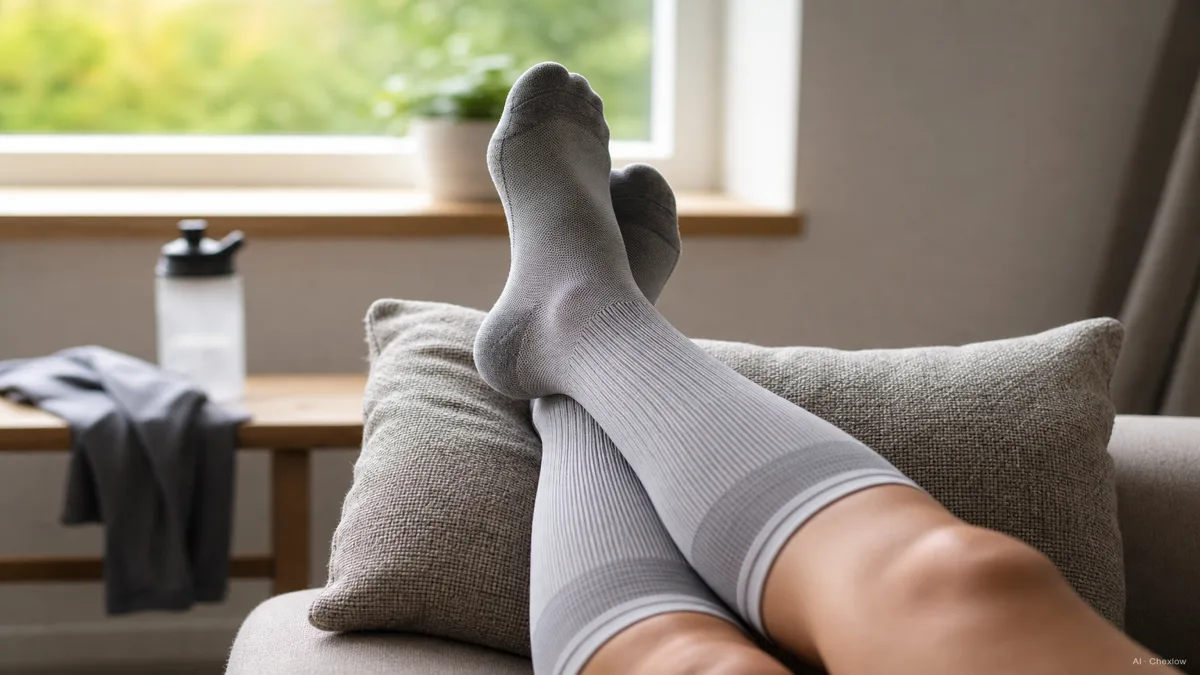
Which one to buy first, a decision framework by runner goal
If you are buying your very first pair of running socks, start with a well-fitted cushioned technical sock, moisture-wicking synthetic or merino blend, zoned padding at the heel and forefoot, quarter height as a safe default. It solves the two problems almost every new runner actually runs into early, blisters and hot, damp feet, and it is the sock you will wear during every single run regardless of what else you own.
Compression socks earn their place later, and for a specific goal. If your priority is easing muscle soreness after long runs or races, or you are stacking back-to-back training days and want a recovery boost, a 15 to 20 mmHg graduated compression sock worn post-run or overnight is a reasonable add-on. It is not a substitute for a well-fitted running sock during the run itself, and it is not a fix for blisters or moisture, that is a different mechanism entirely.
Put simply, cushioned first for the miles you are about to run, compression second for the miles you already ran.
Sources
- Wikipedia — Compression stockings — graduated pressure mechanism and venous return function.
- PMC — Effects of wearing compression stockings on exercise performance, a systematic review — DOMS reduction versus physiological marker findings.
- Journal of Strength & Conditioning Research — Compression socks and functional recovery — soreness and recovery outcomes after induced fatigue.
- Outside Online — What science and running experts say about compression socks — marathon time-to-exhaustion study summary.
- Runner's Need — Why you need running technical socks — cushioning, moisture-wicking, and blister prevention basics.
- Comrad — 15-20 mmHg vs 20-30 mmHg compression socks — mmHg tiers and when each is appropriate.
- iRunFar — Best running socks — sock height and construction guidance.
- Darn Tough — How to prevent blisters when running — zoned cushioning and seamless toe construction.