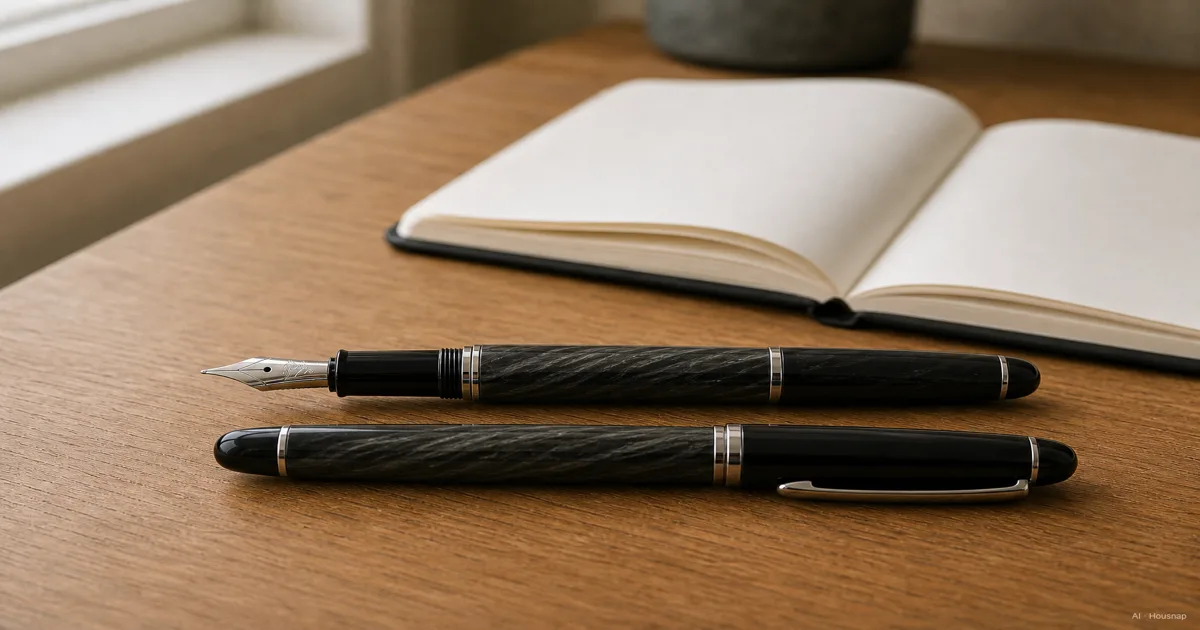
Choose the writing routine you want
The useful difference is at the tip: a fountain pen uses a metal nib, while a rollerball uses a rotating ball. Both can use water-based ink (LAMY). Here, rollerball means the liquid-ink option rather than a separate comparison of gel pens.
- Start with a rollerball if your priority is taking notes and replacing a refill when necessary. Look for a refillable model with an identifiable replacement code.
- Try a fountain pen if the nib itself and the option of filling from a bottle are part of the appeal. Treat learning how to hold it and looking after it as part of the purchase.
- Still undecided? Try one of each on your own notebook before buying a set. A handsome barrel cannot tell you which one you will enjoy using.
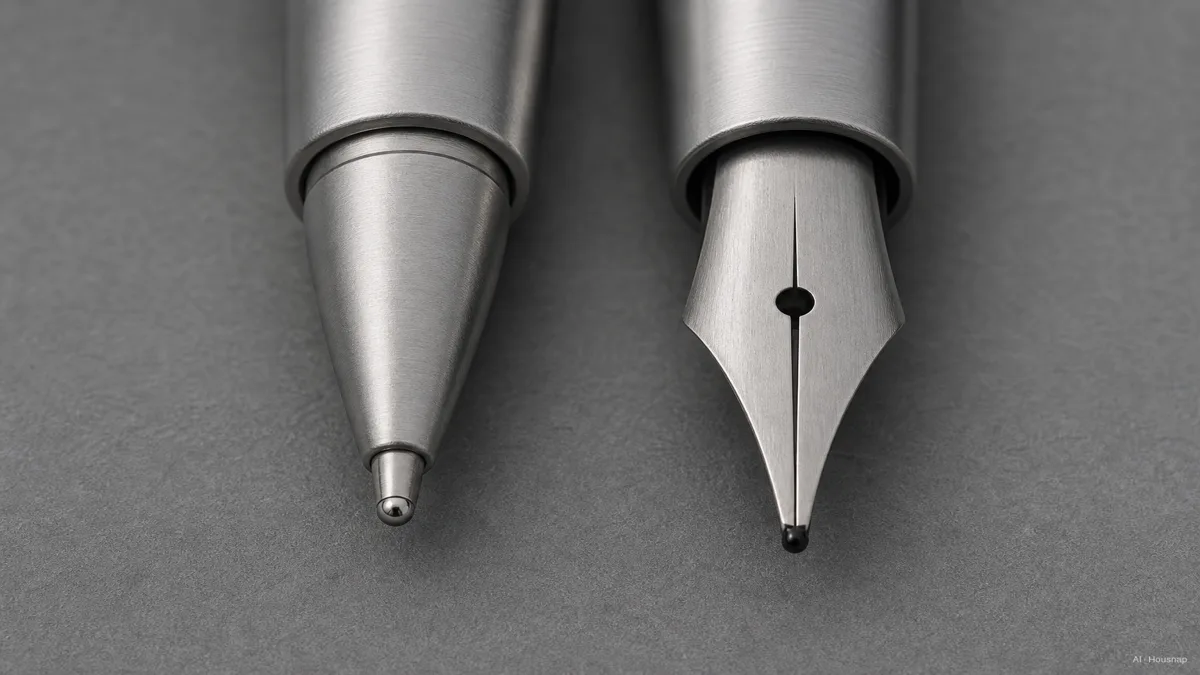
Let your hand and paper make the comparison
Bring the paper you actually use. Both types can bleed through, and rollerball ink can also spread into paper fibres (Goldspot’s comparison). A good result on a shop’s sample pad is only the beginning.
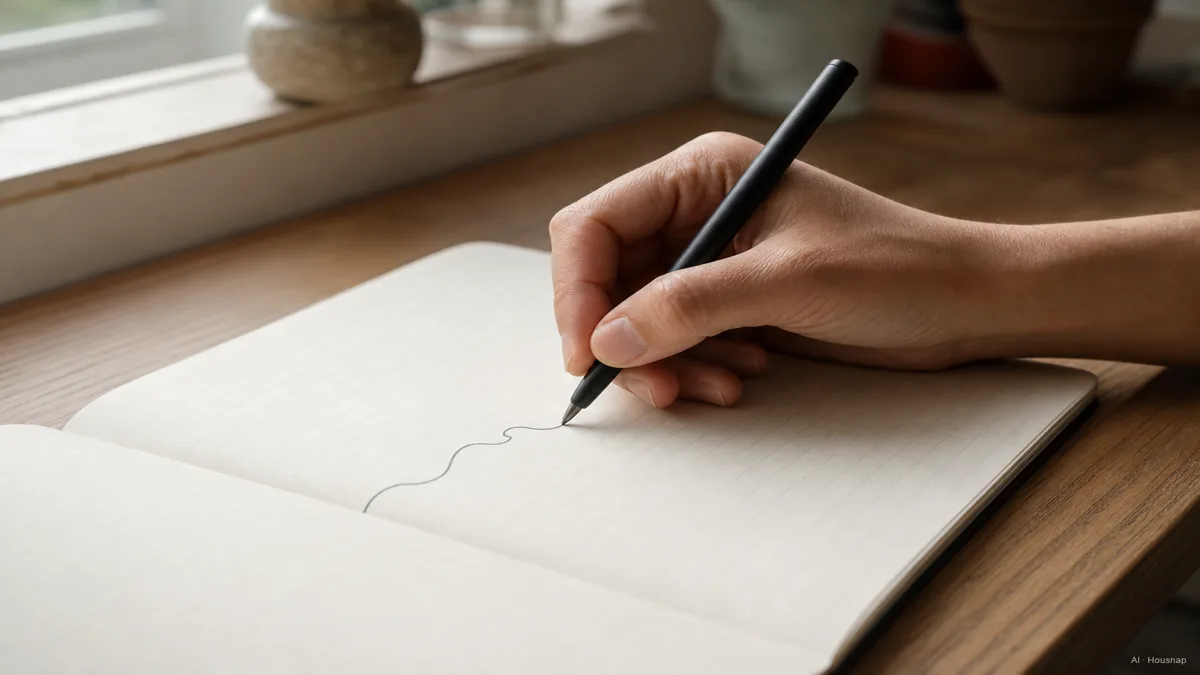
- Write normally. Try a few sentences, small letters and quick notes. Check whether the grip makes you reposition your fingers or squeeze harder than you want to.
- Check both sides. Look for fuzzy edges and ink reaching the back of the sheet. Close the notebook as you normally would and check for transfer.
- Check your hand’s path. Especially if you write left-handed, see whether your hand crosses fresh writing. Choose by that result, rather than assuming either pen type solves smearing.
With a fountain pen, try changing the writing angle before pressing harder. LAMY warns that excessive pressure can damage the nib (LAMY Philippines). If a trial pen keeps catching or skipping, ask the shop to check it instead of forcing it.
If your evening writing setup leaves the page difficult to see, the next question is how to choose a desk lamp’s light colour and controls.
Check what happens when the ink runs out
For a fountain pen, a cartridge is the simple starting point. A compatible converter replaces that cartridge so you can fill from a bottle; LAMY also advises rinsing before changing ink colours (LAMY FAQ). You do not have to buy a converter and several bottles on day one.
Cleaning is a real ownership task. LAMY’s care guide describes rinsing the nib and feed, then flushing the converter with water; it cautions against hot water (cleaning instructions). Read the instructions for the exact pen you are considering and decide whether you want that routine.
For a concrete refill check, the conventional LAMY safari rollerball takes M63, while the Safari fountain pen takes T10 cartridges or a Z28 converter (refill finder). T10 cartridges and M63 refills are useful purchases only for the matching pen, not interchangeable supplies.
Check the full model name too: the Safari roll-ink is a different rollerball version that uses blue T10 cartridges (LAMY’s version comparison). For capped models, put the cap back on between uses.
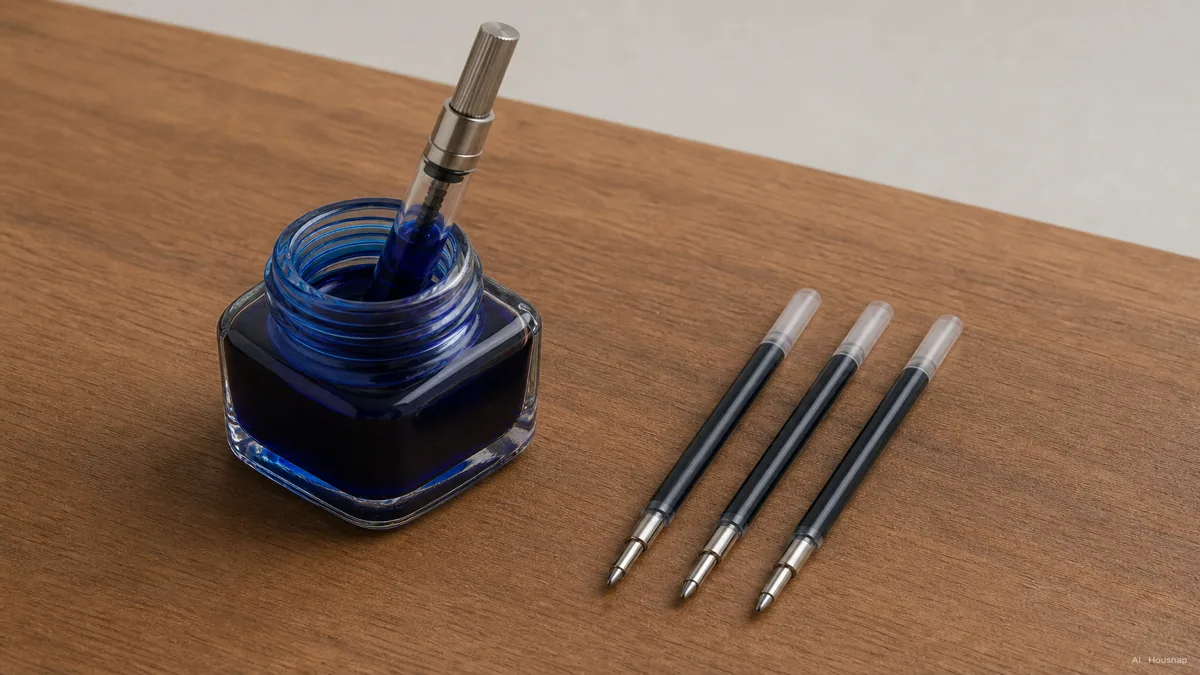
Compare the price of the pen plus the compatible supplies you intend to buy. Skip claims that one type saves a fixed amount per page unless the comparison gives a relevant, verifiable writing yield.
Buy one pen with a clear refill plan
The LAMY safari fountain pen is one concrete candidate to try: its official specification lists a steel nib, shaped grip, a blue T10 cartridge and the Z28 converter as an accessory (product specification). Try the grip before choosing it; its shape is a reason to handle the pen, not a promise of comfort.
Use the conventional Safari rollerball as a refill-based comparison, or apply the same checks to another model. There is no need to restrict the choice to one brand.
- Before paying: confirm the writing type, chosen nib or tip option, included ink and exact replacement code.
- For the first purchase: buy one pen that passed your writing check. Add the matching consumable if you need a spare; leave optional bottles and accessories until you know what you want.
- If both work well: choose the rollerball for the refill routine, or the fountain pen because you want the nib and filling experience. Those are useful reasons to choose, without promising either will improve your handwriting or remove hand discomfort.
How this guide was built
This guide was written by AI for Chexlow, using LAMY’s product, compatibility and care documentation alongside Goldspot’s pen comparison. Its editorial focus is the first purchase: testing your own paper and grip, then checking the refill routine. It does not report hands-on product testing or new human review.
Edited by the Chexlow team · Images are AI-generated illustrations