
Decide what you want the liner to do
Start with one look, not a whole set of pencils. Do you want a clearer outline with gloss, a tidy border for a favorite lipstick, or a deliberately darker contour?
Liner can supply color as well as an edge: e.l.f. describes Cream Glide for both outlining and filling the lips. If your existing lip product already gives you the result you want, a liner can wait.
For lipstick creeping into fine lines, Revlon describes ColorStay Longwear as helping prevent feathering. That claim concerns this formula.
Still choosing the product to wear with it? Compare lipstick, tint and gloss before choosing a matching pencil.
Match the shade to that look
- Subtle definition. Start near your natural lip color. A slightly deeper shade is one option in e.l.f.’s beginner guide, rather than a rule to buy the palest beige.
- A seamless lipstick edge. Choose a close match to that lipstick, including when your everyday shade is red. You do not need to buy a nude pencil first.
- A visible contour. Choose a deeper shade intentionally. Charlotte Tilbury distinguishes close matching from darker contouring.
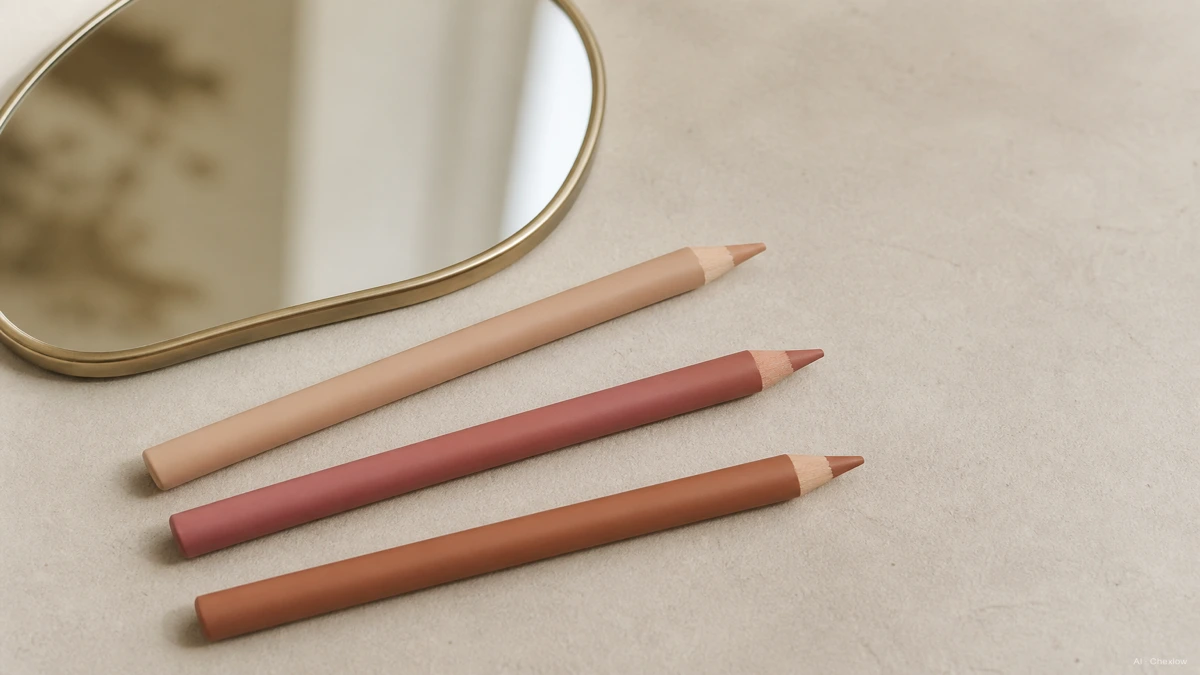
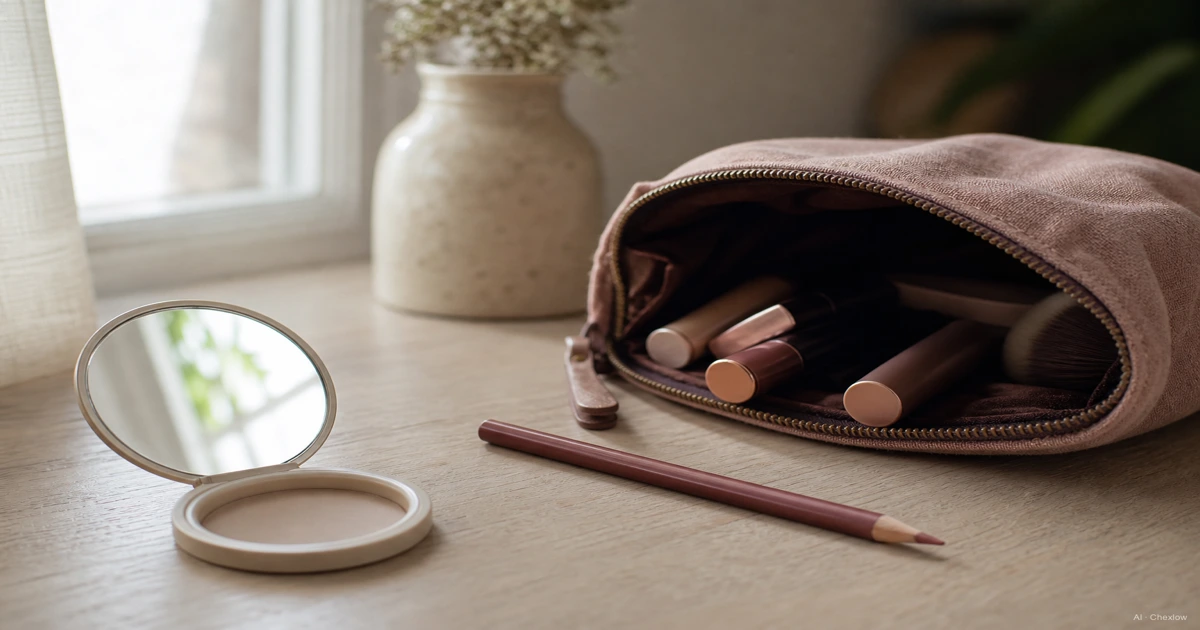
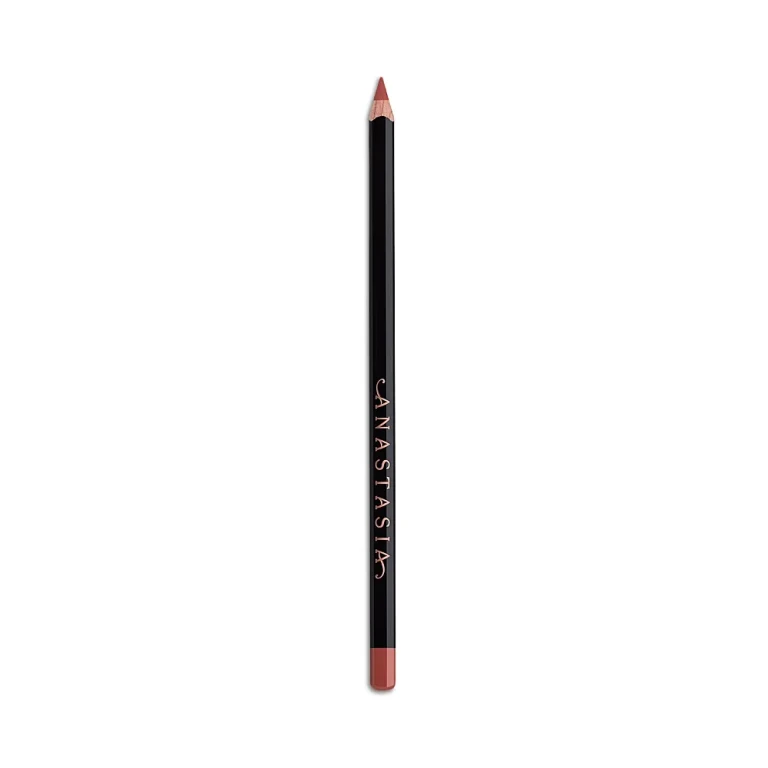
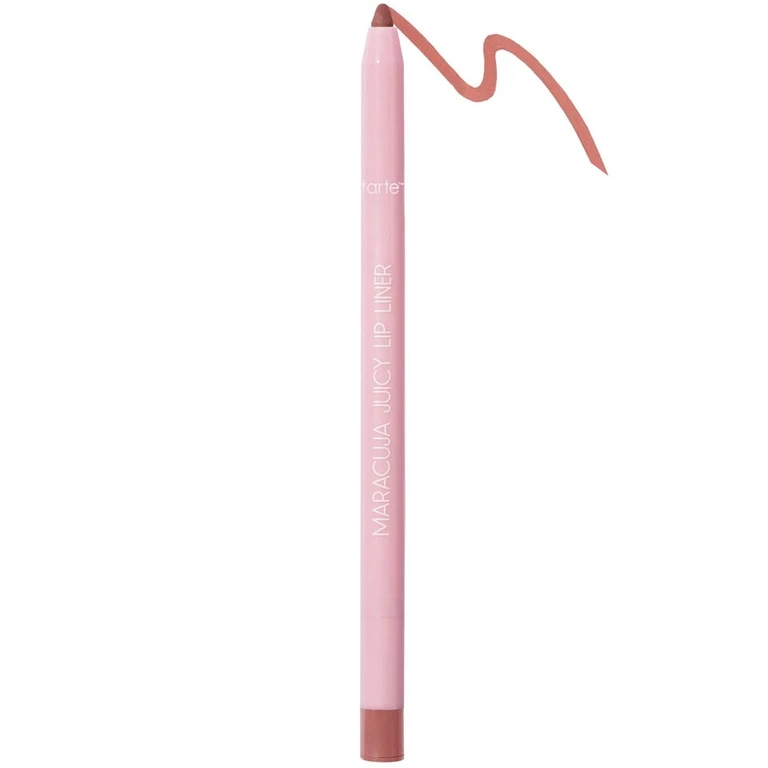
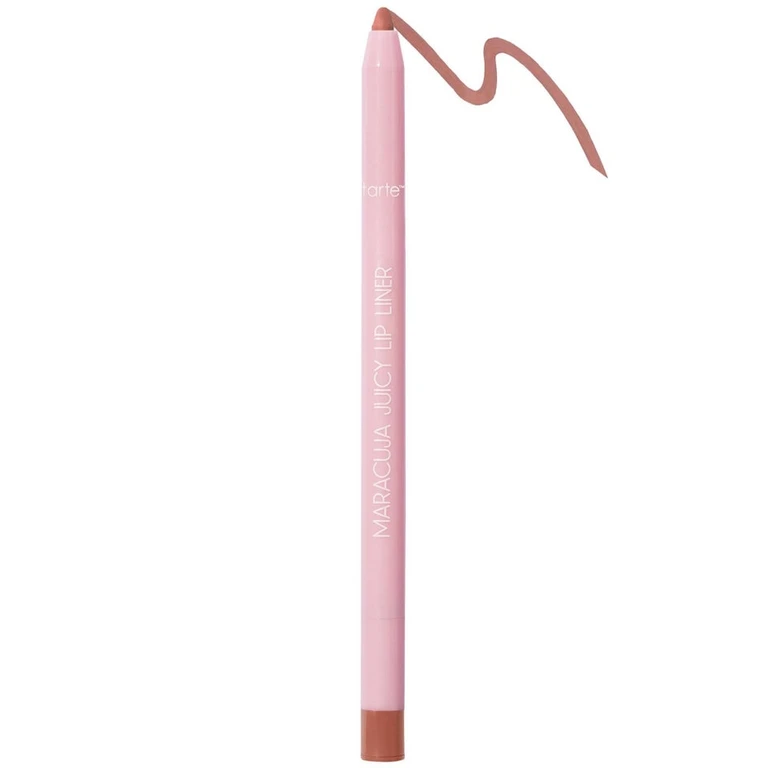
Compare color depth and the pink, peach or brown cast separately. Brown is not automatically warm: e.l.f.’s shade guide includes warm brown, neutral brown and cool taupe-brown. Use the shade description to narrow your options, then judge the combination you intend to wear. The illustration shows color families, not product swatches.
Check the feel, finish and sharpening method
“Creamy” describes application; “matte” describes the look. They are not opposite choices: Cream Glide is described as creamy with a semi-matte finish. Our first-buy checklist is simple: can you draw a controlled line, soften its inner edge, and wear it comfortably? Do not use the finish label alone as a wear-time ranking.
Check the mechanism before adding accessories:
- A pencil that needs sharpening. Make sure you have a suitable cosmetic pencil sharpener. Charlotte Tilbury confirms that Lip Cheat sharpens rather than twists up.
- A pencil with its own sharpener. Revlon ColorStay Longwear includes one. Check the package before buying another.
- A twist-up option. Follow that model’s instructions for extending and shaping the tip; do not assume every pencil works the same way.
Buy a separate sharpener only if your chosen pencil requires one and you do not already have a compatible tool.
Try the combination before buying more shades
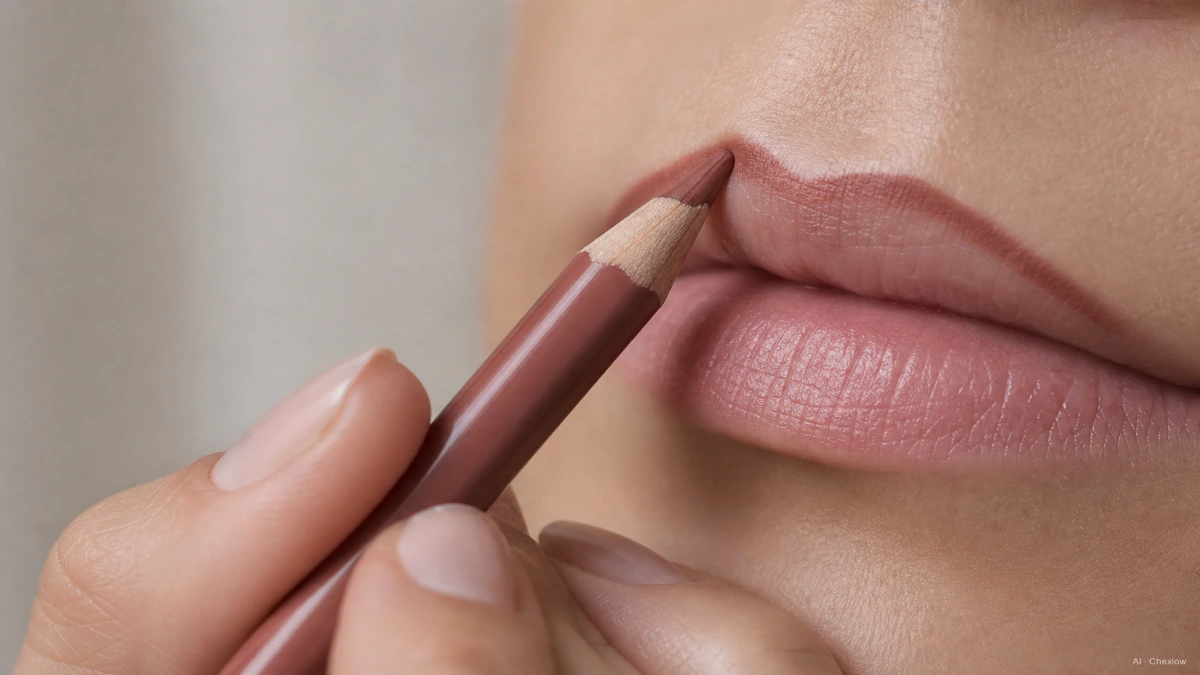
For a first attempt, follow your natural lip border rather than changing the shape at the same time.
- Draw lightly. Connect short strokes instead of pressing harder to make one continuous line.
- Blend the join. When adding lipstick, blend where it meets the liner so the border is as soft or defined as you intended. Both techniques appear in e.l.f.’s application guide.
- Check the result. An unwanted dark rim calls for less contrast or more blending. If the line is hard to control, reassess the tip and application before buying another color.
If your lips are sore or chapped, pause the makeup experiment. Stop any product that burns or stings, as the American Academy of Dermatology advises.
Keep the first purchase focused: one shade for one useful combination, with a tip you can maintain. Add another shade when you can name the different look it will serve.
Sources
- Charlotte Tilbury, shade matching and contouring
- e.l.f., beginner application
- e.l.f., shade examples
- e.l.f., Cream Glide specifications
- Revlon, ColorStay Longwear specifications
- Charlotte Tilbury, sharpening instructions
- American Academy of Dermatology, chapped-lip guidance
How this guide was built
Written by AI for Chexlow, using manufacturer shade, application and pencil-care information from e.l.f., Charlotte Tilbury and Revlon, plus American Academy of Dermatology guidance on irritation. The one-combination starting point is an editorial choice for first-time buyers, not a product test or a promise of wear time.
Edited by the Chexlow team · Images are AI-generated illustrations