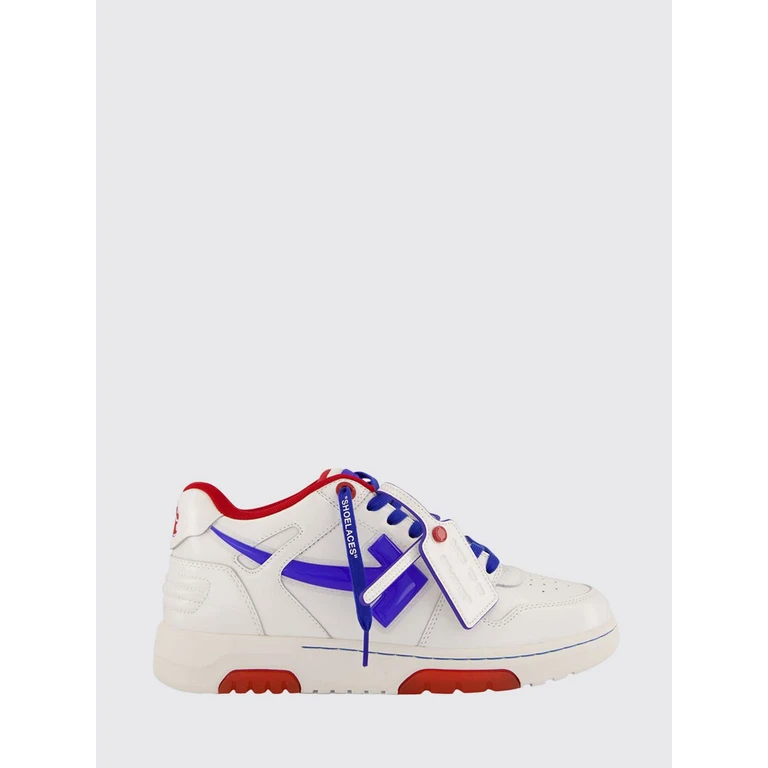
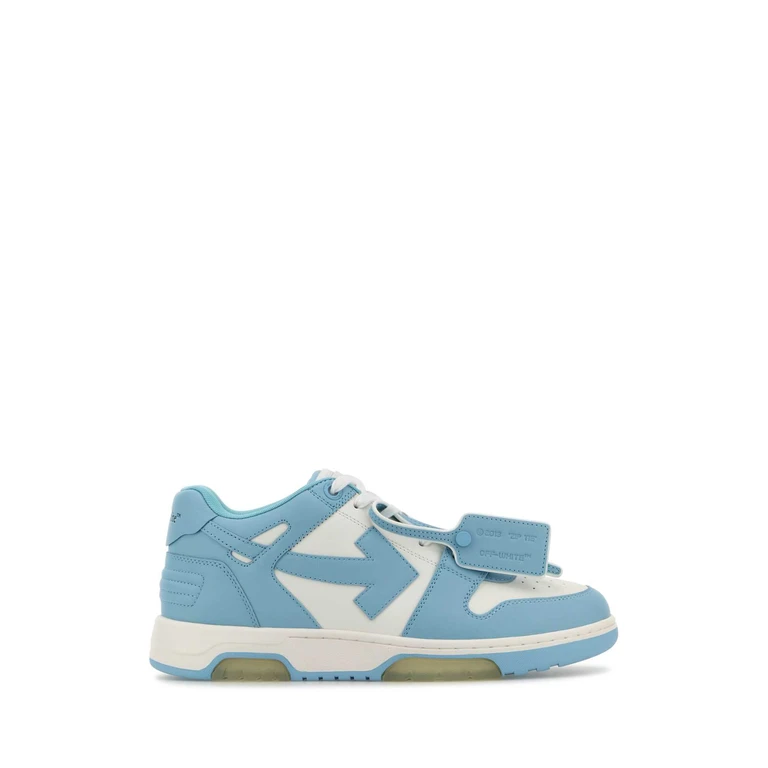
You are scrolling through an online shop, looking at white sneakers. In the thumbnails, they all look almost the same. So you check the star rating, scan the size notes, and move on.
The difference shows up later. Two or three months in.
One pair still looks clean. Another has a grey toe, yellowed sidewalls, and a shape that no longer feels as sharp as it did on the product page. Same price, very different year.
The first things to read are not the logo. They are the leather, the sole, and the toe shape. White sneakers tend to age in predictable places, and once you separate those places, choosing a first pair gets much easier.
Tell sole yellowing apart from leather discolouration
A yellow line along the white sole and a dull grey leather toe can look like one problem. They are usually not.
The sole is often about rubber ageing. Rubber and polymer surfaces can change when they spend time with light, heat, and air; that reaction is part of what polymer photo-oxidation describes (Photo-oxidation of polymers). In shopping terms, the upper can still look fresh while the sole edge turns cream or yellow. A pair left by a sunny window, a pair forgotten in a hot car, a pair put away damp after rain. The sole is where you often see it first.
Leather going grey is a different story. Leather is more sensitive to water than most quick cleaning videos make it seem, and too much moisture can stain or stiffen it (Conservation and restoration of leather objects). If the toe looks dull, think first about street dust, cleaner residue, or a cloth that was too wet. Scrubbing the leather harder will not reverse a yellowed sole. It may only make the upper worse.
There is a practical shopping note here. The brighter the white sole, the sooner a little yellowing will show. If this is going to be an everyday pair and you know storage will be imperfect, a slightly ivory sole can be easier to live with.

Leather finish shows itself in the first crease
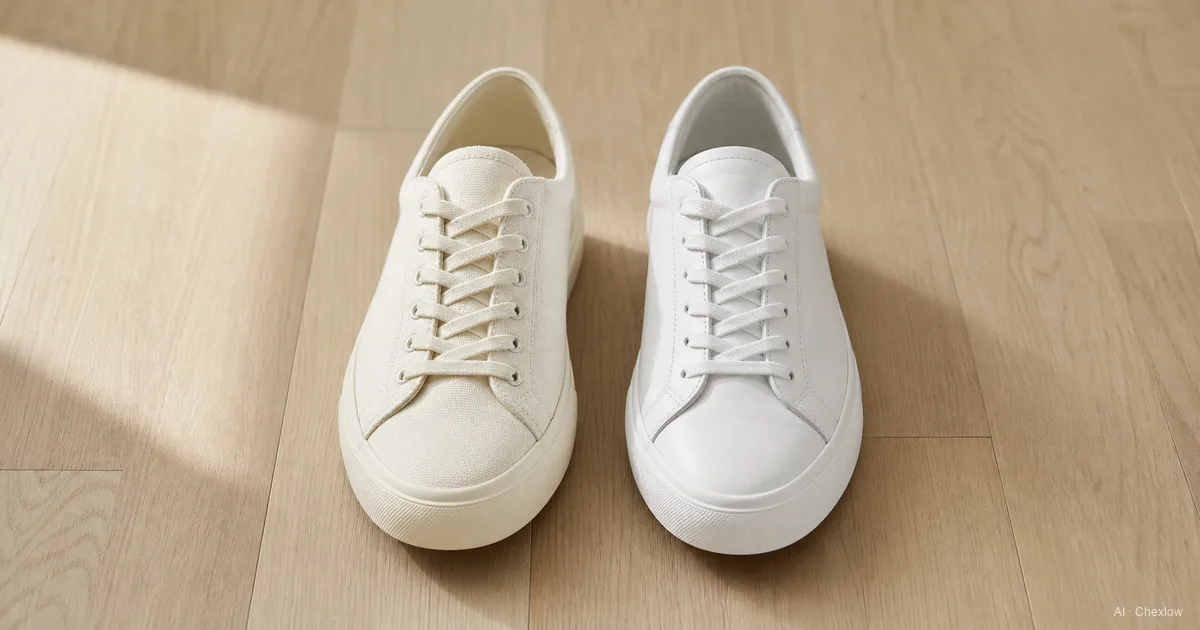
The leather upper on a white sneaker usually falls into two broad camps. One keeps more of the natural outer grain intact. The other has been buffed, sanded, or finished so the surface looks more even (Leather grades). In a product photo, both can look spotless. The difference arrives in the toe crease.
If you like the feeling of a shoe slowly becoming yours, full-grain leather makes sense. It creases, gathers small marks, and loses that stiff new-shoe flatness over time. On a white sneaker, this is subtle. It is not the rich glow of a brown dress shoe; it is more like the upper becoming softer and less box-fresh.
A more corrected or heavily finished leather looks quieter on day one. The surface is more uniform because the grain has been worked before finishing (Leather grades). That can be very useful for a first pair, especially if you do not want every small scuff to announce itself. The trade-off is that the finish is doing more of the visual work. Look closely at the toe crease and the inside of the heel collar, especially in product close-ups or second-hand photos. Those are the places that flex again and again.
The simple version: choose full grain if you like a shoe that breaks in with you. Choose a more finished leather if clean day-one neatness and easier wipe-downs matter more.
The sole changes the walk more than the look
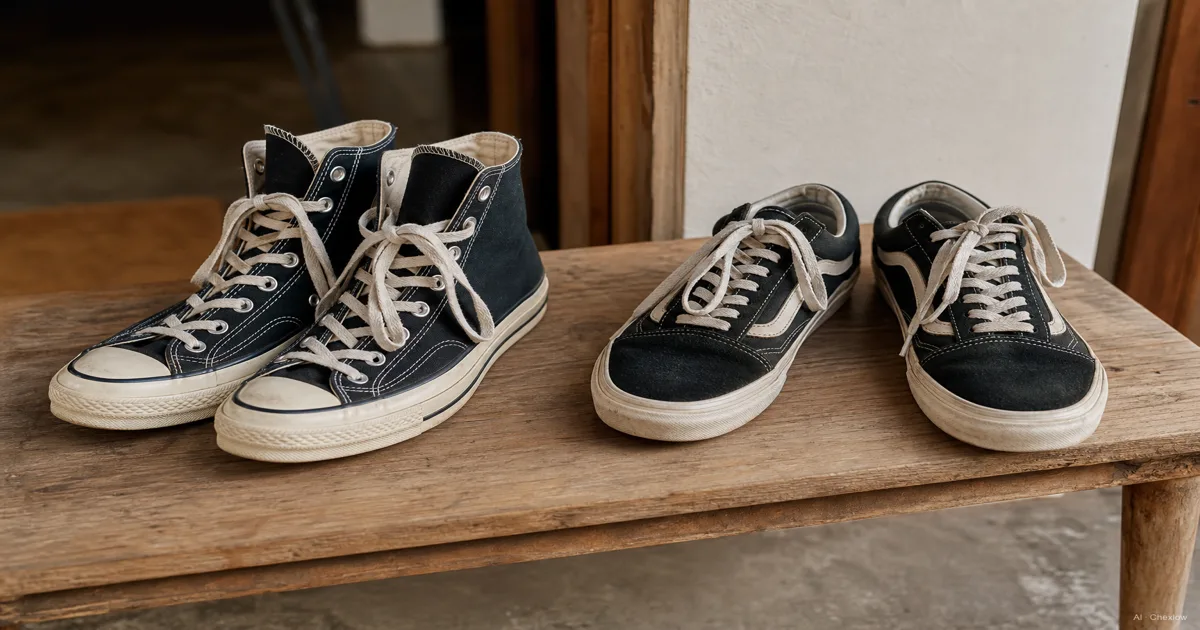
White sneaker soles are easier to understand if you split them in two. One type is a lower, flatter rubber sole often described as vulcanized. Vulcanization uses heat and cross-links to cure rubber, and shoe soles are one of its familiar uses (Vulcanization). On foot, this usually feels flexible and low-profile.
The other is a cup sole. A pre-formed sole unit cups up around the bottom of the shoe, giving the foot more structure underneath. Skate-shoe references make the contrast clear: vulcanized shoes are associated with flexibility, while cupsole models are known for more support and protection (Skate shoe features).
The right choice depends on how you actually wear sneakers. If you want a clean low line under denim or tailored trousers, the flatter profile has its charm. If you walk long days on pavement, tile, and station floors, a cup sole usually feels kinder. One more note: flat white sidewalls put yellowing and scratches on display quickly.
Look at the last before the size
A last is the foot-shaped form a shoe is built around. It sets the toe shape, instep height, and the place where the ball of your foot sits inside the shoe (London College of Fashion, Cordwainers). That is why two sneakers marked with the same size can feel nothing alike.
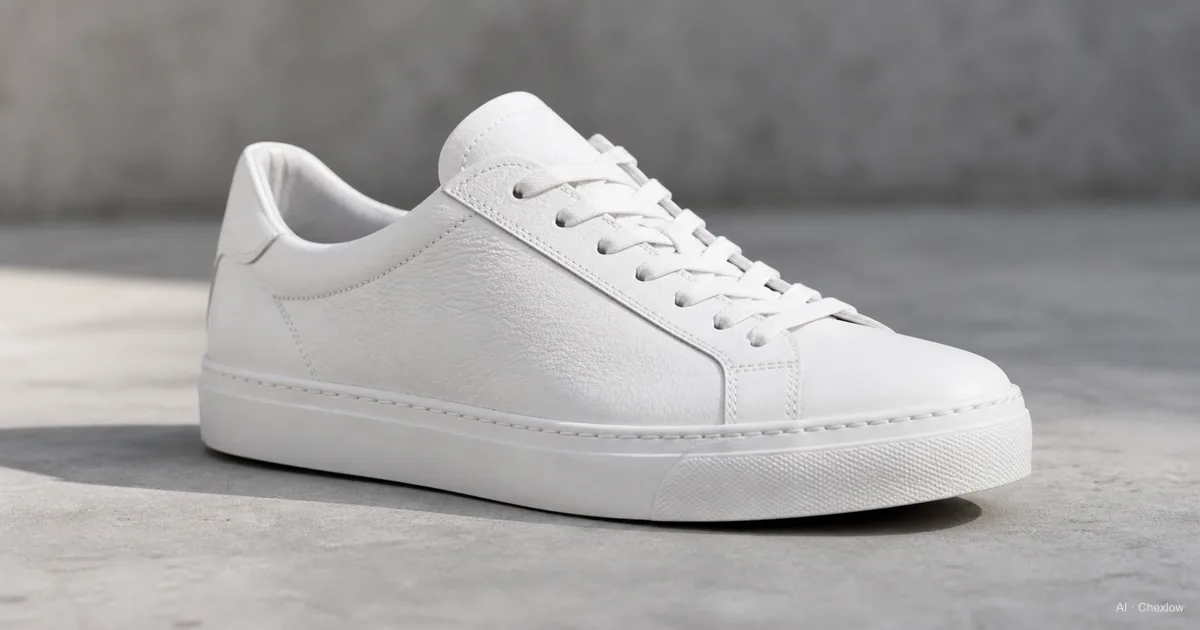
Minimal white sneakers often photograph best with a long, narrow toe. The side view looks clean, but wide forefeet get very little forgiveness. A rounder toe can look less sharp in a product shot and feel much easier across the front of the foot. When reviews say "go half a size up," they are often solving a narrow last with extra length.
If you are buying online, use your current shoes as evidence. If your everyday sneakers already pinch across the ball of the foot, do not fix a narrow white leather sneaker by buying it longer. Look for a rounder toe, visible forefoot width, or a return policy that lets you try the last indoors. If your feet are narrow and you like slim trousers, that long narrow last may be exactly why the shoe works.
Match the care routine to the leather surface
Start dry. Take the laces out, brush away dust, then use a barely damp cloth on smooth leather. Avoid soaking the upper (Conservation and restoration of leather objects). If you rub cleaner over dry grit, a small mark can turn into a dull patch.
Conditioner is not automatic. Use it only when the leather can actually absorb it, and test a hidden area first. A heavily finished white upper may let cream sit on the surface instead of sinking in. In that case, forcing more product onto the shoe is not care. It is just residue.
Storage counts too. Leather does not love heat or moisture, and white shoes show the result quickly. Conservation guidance treats humidity, water, and heat as real ageing factors for leather objects (Conservation and restoration of leather objects). Keep the pair somewhere cool and dry, away from a sunny window. And do not close a rain-damp sneaker in a box.

So which first pair should you buy?
If this is an everyday commuting pair, start with a cup sole and a leather surface that looks easy to wipe down. If it is more of a clean weekend sneaker, a lower sole and a slimmer toe may be the whole appeal.
Just remember one thing. Yellowing is not always the same problem. A yellowed sole is often about rubber ageing or storage. A dull leather toe is more likely about dust, cleaner residue, or moisture. And size is never only the number on the box; the hidden toe shape underneath matters just as much.
Before checkout, separate the sole, the leather, and the toe shape. That one pause gives your first white pair a much better chance of looking intentional next year.
If you have narrowed the choice to a few white leather sneakers, compare more than the prices side by side. Put the sole construction and leather finish next to them too, because that is where the difference usually shows first.
Sources
- Leather grades for full-grain, corrected-grain, and coated leather terminology.
- Photo-oxidation of polymers for light, oxygen, and heat as causes of yellowing in rubber and polymer surfaces.
- Vulcanization and Skate shoe features for vulcanized soles and cupsole construction.
- London College of Fashion, Cordwainers for footwear last and construction context.
- Conservation and restoration of leather objects for cleaning, moisture, heat, and storage guidance.