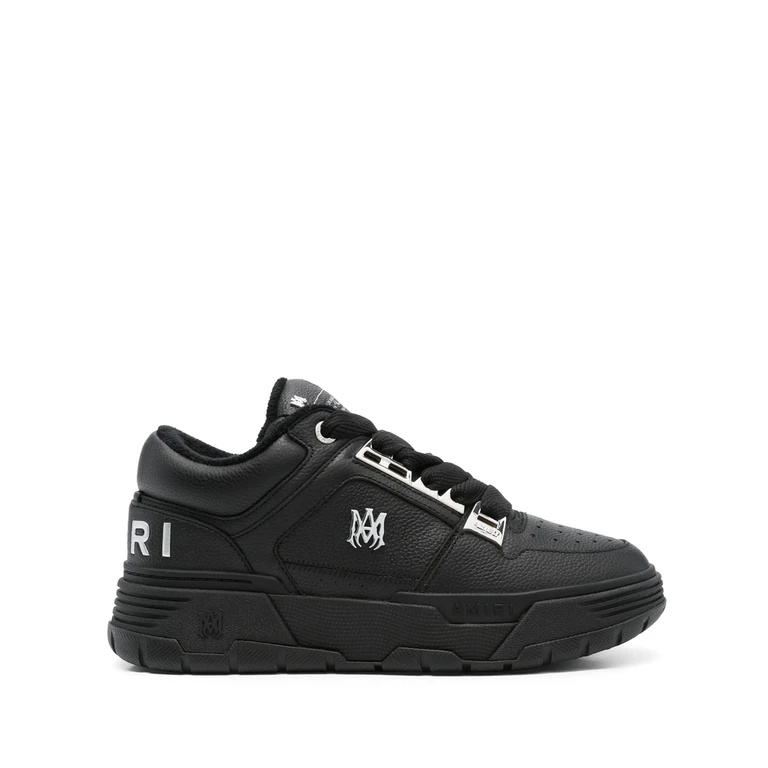
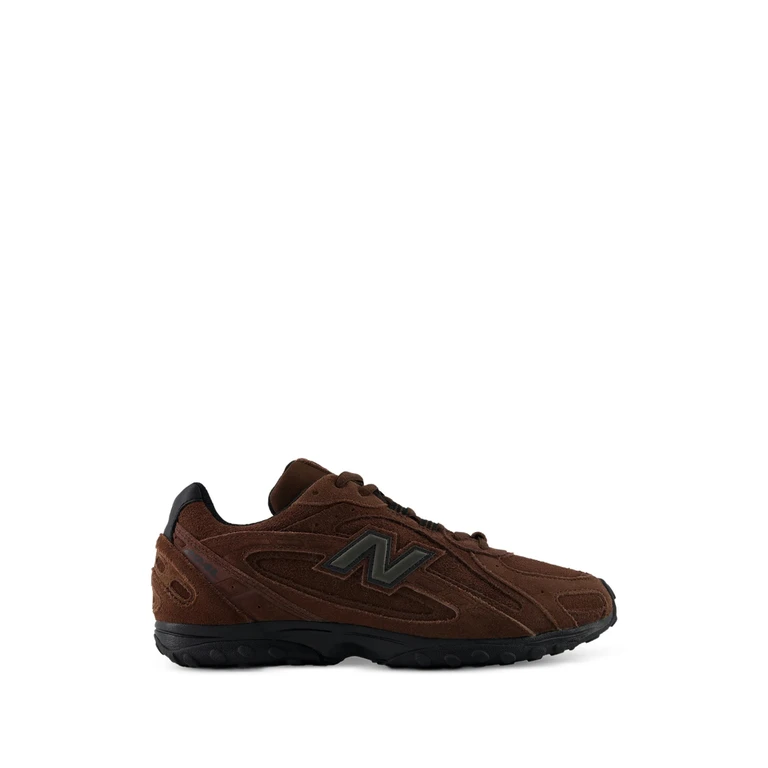
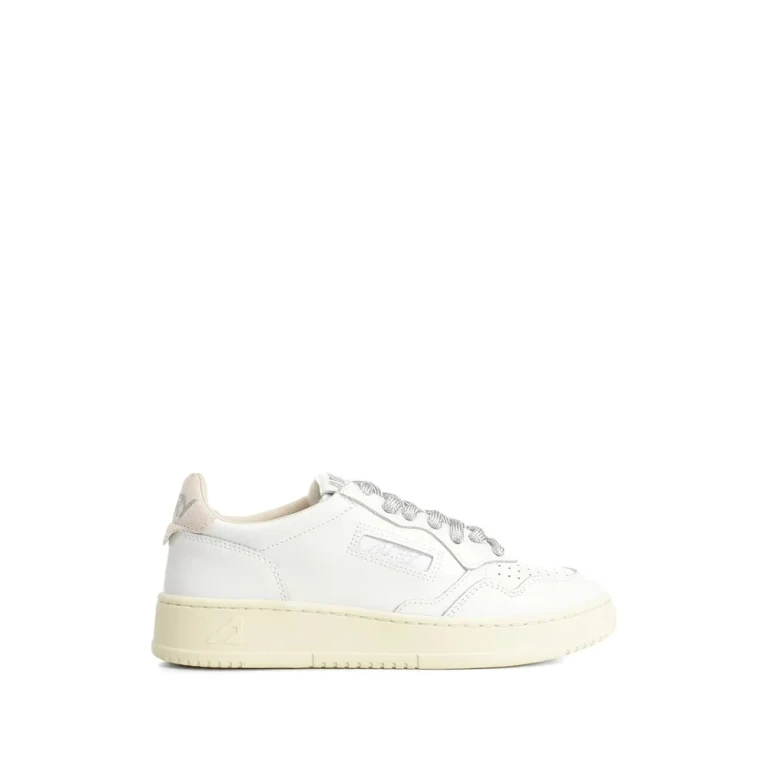
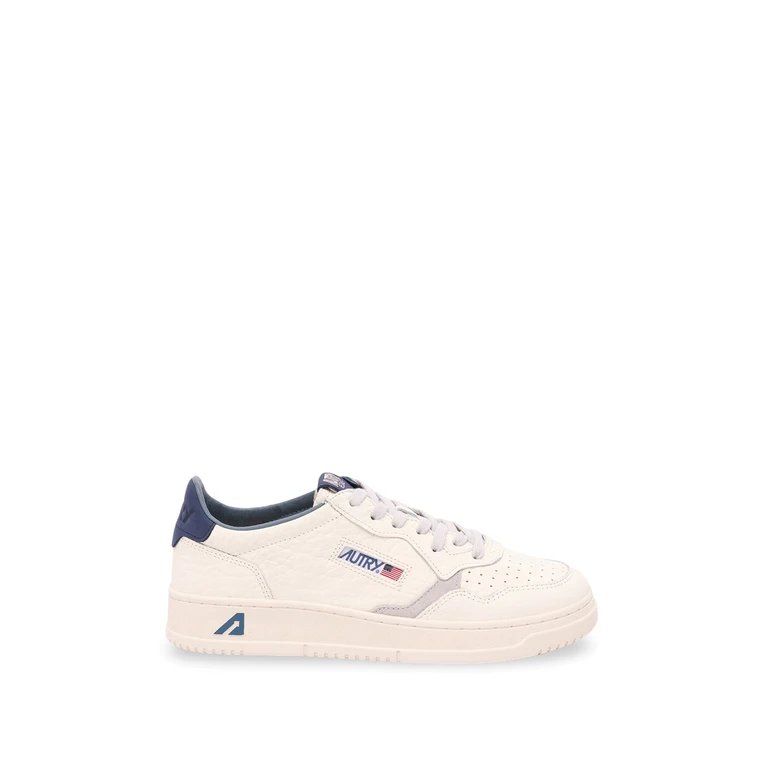
Here is a scene that repeats a lot. You like a low-top sneaker, you check the rating, you find a few reviews that say "true to size," and you order your usual number with some confidence.
It shows up. The length is fine. But the front feels narrow, or your heel slips a little, or the top of your foot presses against the laces. Same size you always wear, and it still does not sit right.
The reviews were not lying. They were just describing a different foot. "True to size" means "true to my size, on my foot, in this one model." It is honest and it is also nearly useless for you, because the part that decides fit is hidden underneath the number.
That hidden part has a name. It is the last.
"True to size" is a review about someone else's foot
Think about what a sizing review actually contains. Someone with a foot you have never measured put on a shoe and reported whether it felt right. If their foot is narrow and yours is wide, "true to size" for them can mean "tight" for you. Same words, opposite outcome.
This is why ten reviews can split down the middle on the same shoe. Half say "runs small, size up," half say "perfect, true to size." Both halves are telling the truth about their own feet. The shoe did not change between them.
So the useful question is not "is this true to size." It is "true to size for which foot." Once you frame it that way, you stop outsourcing the decision to a stranger and start reading the two things that actually decide it: the size number and the last underneath it.
The size number is not your foot length
Most people assume a size number measures their foot. It usually does not. A shoe size can refer to three different things: the length of your bare foot, the length of the empty space inside the shoe, or the length of the last the shoe was built around (shoe size).
Manufacturers lean on the last, because it is the one they actually hold in their hands. As the reference puts it, last length "is the easiest one for the manufacturer to use, because it identifies only the tool used to produce the shoe" (shoe size).
And the last is not the same length as your foot. There has to be room for the foot to flex and move, so makers add an allowance: roughly 15mm gets added to foot length for the inner cavity, and the last itself runs about two size points longer than the foot it is meant to fit (shoe size). Here is the catch. There is no single standard for how much allowance to add. Each maker picks its own. So two sneakers can both say "42," both be built honestly, and still leave your foot in two different amounts of space.
That gap is the whole reason "size up half a size" advice floats around. It is not magic. It is one brand's allowance being smaller than another's, and reviewers patching the difference with extra length.

The last decides where your foot actually sits
Length is only one dimension. The last sets the rest. A last is the foot-shaped form a shoe is built on, and it shapes the toe, the instep, and the right-and-left difference between the pair (last). It is the reason a shoe feels narrow, roomy, low, or high before you ever look at a width letter.
Two spots matter most. The first is the toe. Minimal sneakers often photograph best with a long, slim toe, which looks sharp from the side but leaves wide forefeet pinched. A rounder toe looks softer in a photo and feels far easier across the front. When reviews tell you to size up, they are frequently solving a narrow toe with extra length, which fixes the pinch but leaves your heel swimming.
The second is where the ball of your foot lands. The ball is the padded area under the heads of your metatarsal bones, and it is where your foot naturally bends as you walk (ball of the foot)). A shoe flexes best when its own bend point sits right under yours. This is exactly why a proper foot measurement records not just length but arch length, the distance from heel to the ball of the foot (Brannock Device). If a sneaker's flex point sits behind or ahead of your ball, the shoe fights your stride no matter how clean the length looks on paper.
Read your own foot before you read the size chart
You cannot change the last, but you can match it. That starts with knowing three things about your own foot: its length, its width at the widest point, and roughly where your foot is broad versus narrow.
Width has its own quiet language on the box. The North American system runs by letter, and the default depends on who the shoe was cut for: D is the usual medium for men's and unisex shoes, while B is the common medium in women's, with E and EE running wider from there (shoe size). The steps sit a small fraction of an inch apart and real width still varies by brand, so the letter alone is a hint, not a measurement. Either way, if your everyday shoes already feel tight across the ball of the foot, you are likely wider than the default the brand cut for, and a longer size will not fix that. You will just add length you do not need.
Use the shoes you already own as evidence. Pull out the pair that fits you best and notice where it is generous and where it is snug. A foot that runs wide at the front and narrow at the heel wants a rounder toe with a secure heel, not a bigger overall shoe. A narrow foot that likes slim trousers may be exactly the foot a long, slim last was drawn for. Your current shoes have already run the experiment; you just have to read the result.

So how do you match a sneaker to your foot
Drop "is it true to size" and ask three smaller questions instead. Is the toe round enough for the front of my foot? Does the listed width, or the look of the last, suggest narrow or roomy? And does the length leave my heel held rather than sliding?
If you are between sizes, the safer move depends on the last, not a rule. A roomy round last often takes the smaller size cleanly. A narrow slim last is the one people size up in, and even then you are buying length to solve width, so a return option you can try indoors is worth more than any review.
One honest note to keep. "True to size" only ever describes the writer's foot in that one model. Your length, your width, and the shape of the last underneath are what actually settle the fit. Read those three before you trust the number, and most of your online sizing surprises quietly disappear.
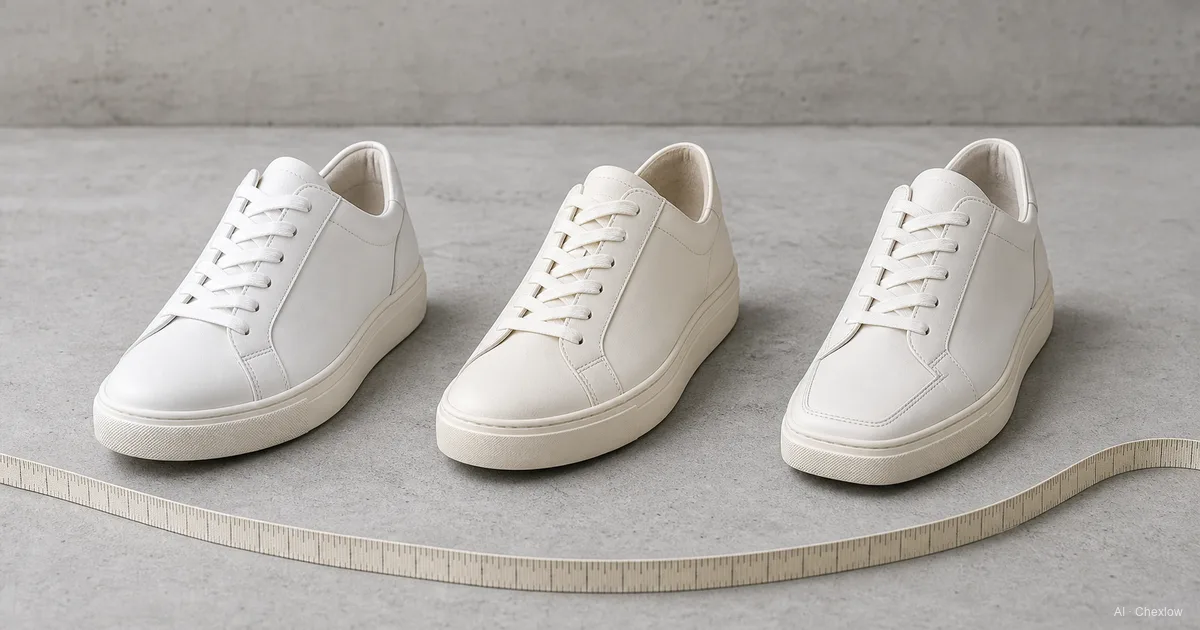
If you have a few sneakers in mind, compare more than the price. Put the toe shape, the listed width, and the look of the last side by side too, because that is where the fit is really decided.
Sources
- Shoe size for foot length vs inner cavity vs last length, manufacturer allowance, and width letter systems.
- Last for the foot-shaped form that sets toe shape, instep, and left/right fit.
- Ball of the foot) for the metatarsal flex point that decides where a shoe should bend.
- Brannock Device for length, width, and arch length as the three measurements that capture a foot.