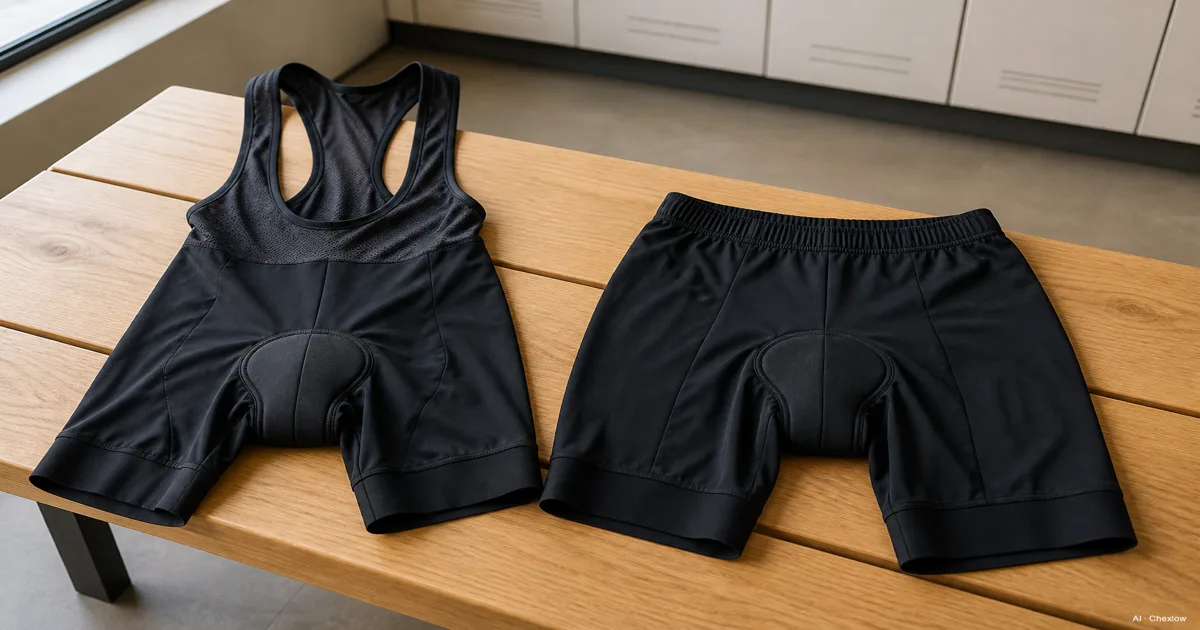
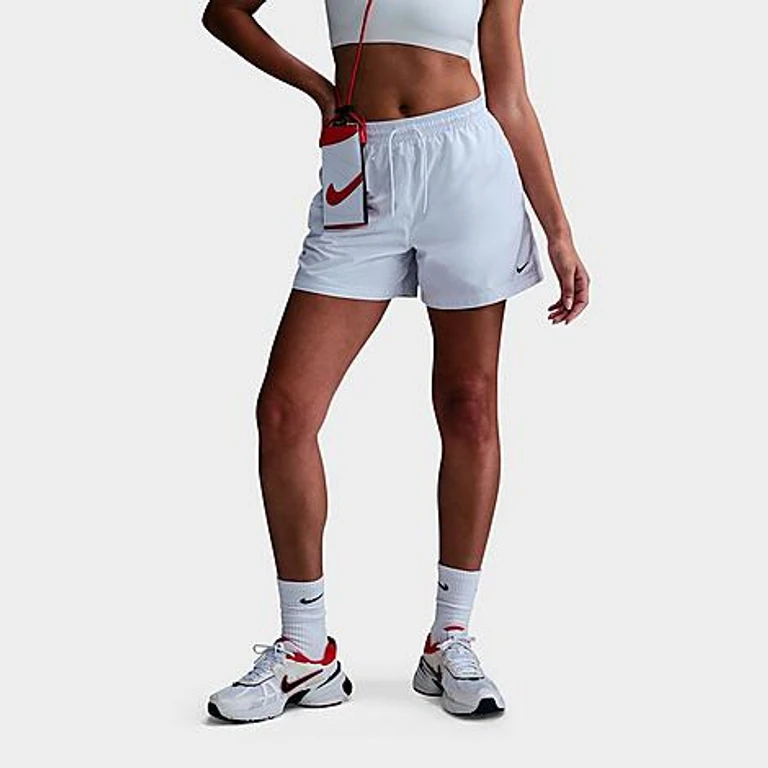
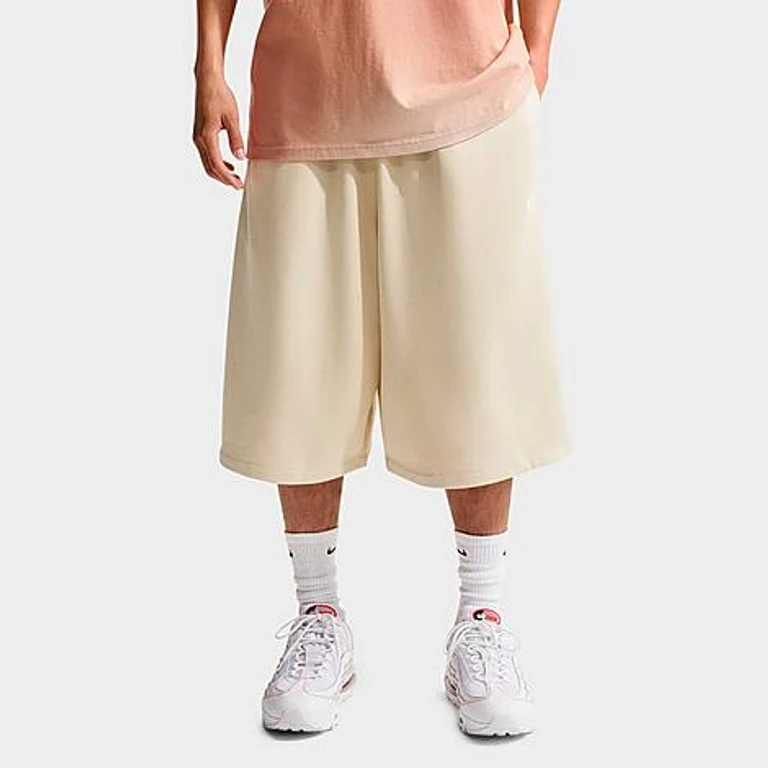
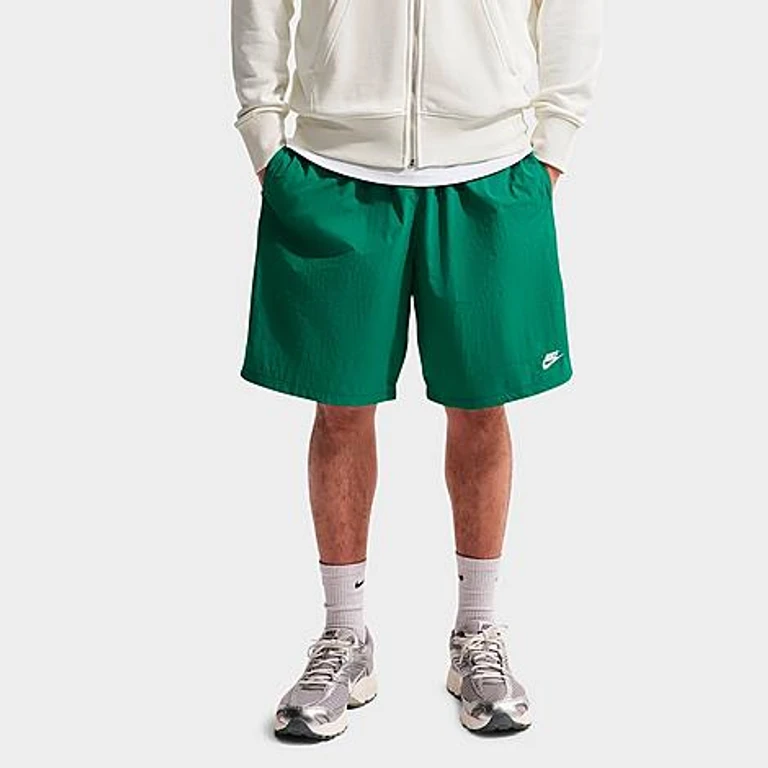
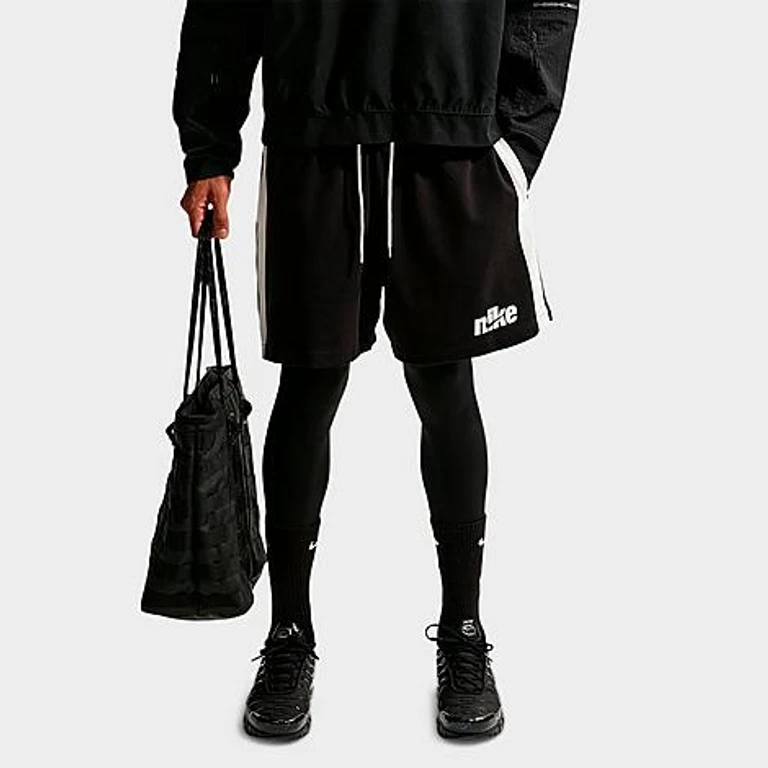
Stand in front of a cycling shorts rack, or scroll a shorts category online, and the split shows up immediately. Shorts with shoulder straps that look almost like a wetsuit top cut short. Shorts that just have a waistband, like a fitted athletic short with a thick cushioned seat. Same padding inside both, wildly different price tags, and nobody at the shop tells you which one you actually need for the riding you're about to do.
Here's the useful part, the confusion clears up fast once you know what's actually different between them. It's not the padding. It's how the garment stays on your body.
Bib Shorts vs. Waist Shorts, What Actually Differs
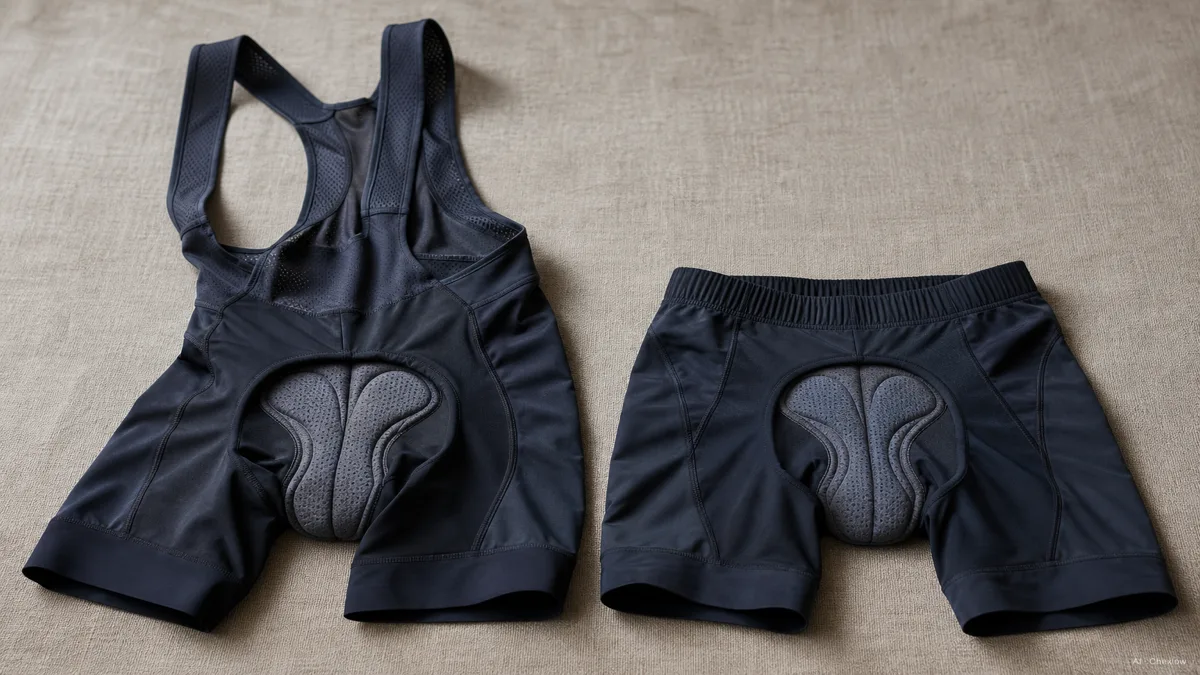
Open up any bib short and any pair of waist shorts side by side and you'll find the same core component in both, a padded insert called a chamois, sitting exactly where your sit bones make contact with the saddle. That padding is doing the same job in both garments, cushioning and reducing friction (Cycling Weekly, Threshold Cycling).
The real difference is how the shorts stay up. Waist shorts use an elastic waistband, the same idea as any athletic short. Bib shorts skip the waistband entirely and use shoulder straps instead, closer to a one-piece swimsuit crossed with cycling shorts.
That single design choice changes more than it looks like it should. Because a bib has no waistband to slide around, the chamois pad stays in constant, stable contact with your body even as your riding position shifts, leaning lower over the bars, standing to climb, twisting to look over your shoulder. Less pad movement means less friction, and less friction means fewer saddle sores over a long ride (Cyclingnews, Threshold Cycling).
There's a second, quieter benefit. Riders who spend a lot of time in a low, forward-leaning position, on a road bike's drop bar, for instance, often find that an elastic waistband digs into the stomach right where the body folds forward. Bibs remove that pressure point entirely, since there's no band there to dig in (Cyclingnews).
None of that makes waist shorts a worse product. It makes them a different trade, and the trade shows up clearly in the price tag. A pair of waist shorts typically costs around two-thirds what an equivalent pair of bib shorts costs, which makes them a genuinely reasonable place for a new rider to start (Cyclingnews, Threshold Cycling).
How the Chamois Pad Works (and Why Fit Matters More Than Brand)
It's easy to get lost comparing brand names and pad shapes online, so here's the part that actually matters more than any logo. The chamois is doing real biomechanical work, and getting the fit and thickness wrong will hurt you regardless of which brand's name is stitched on the waistband.
Chamois pads come in different thicknesses and densities, and the right one depends mostly on how long you're actually going to be in the saddle. A lightweight pad, thinner foam, less bulk, works well for rides up to about two hours. Endurance-grade pads, the thickest and densest option, are built for five-hour-plus days in the saddle, where sustained pressure over time matters more than a light, fast feel (Liv Cycling, Hincapie).
Fit matters just as much as thickness. Cycling shorts and bibs are meant to fit skin-tight, not loose like a regular pair of shorts. A loose fit lets the pad shift side to side as you pedal, and that shifting is exactly what creates the friction you're trying to avoid in the first place. If you're stuck between two sizes, sizing down is usually the safer call (Liv Cycling).
One more thing that trips up a lot of first-time buyers, the pad is designed to sit directly against skin. Wearing underwear underneath adds an extra layer of seams and fabric exactly where you don't want it, and that extra layer is a common, avoidable cause of chafing (Liv Cycling).
Women's-specific chamois pads aren't just a smaller men's pad. They're cut on a different shape entirely, wider at the back to match a wider female sit-bone structure, and shorter at the front to reduce bulk and chafing near the perineal area (Liv Cycling).
Comfort, Cost, and Convenience, Weighing the Trade-offs
So which one actually wins? Honestly, it depends on what you're optimizing for, and the answer changes depending on who you ask and what kind of riding they mean.
Across most major cycling publications, the expert consensus leans toward bib shorts for comfort and stability, especially once a ride stretches past an hour or two. The stable pad, the lack of a waistband pressure point, and the reduced pad movement all add up over distance (BikeRadar, Cycling Weekly).
Waist shorts earn their keep in a different set of situations, short and casual rides, indoor trainer sessions where you're not fighting outdoor conditions, and commuting, where quick changes matter more than marginal comfort gains over three hours (Hincapie).
There's a specific complaint that comes up again and again about waist shorts, the elastic band can bunch up while you're pedaling. That bunching does two things at once, it exposes a strip of lower back skin to sun and wind, and it lets the chamois migrate slightly out of position exactly when you don't want it to (Threshold Cycling).
Convenience swings the other way, though. Waist shorts win decisively on bathroom breaks, you just pull the waistband down and you're done. Classic bib shorts require partially undressing, pulling your jersey or base layer up to release the shoulder straps, before you can use a bathroom at all (Threshold Cycling, Hincapie). For a short commute or an easy weekend spin, that difference genuinely matters.
Which One Fits Your Riding Style, Casual, Commuting, Long-Distance, and Racing
Instead of chasing a universal winner, it helps to match the short to the ride you're actually doing.
Casual weekend rides, under an hour. Waist shorts are genuinely fine here. The comfort gap between bibs and waist shorts barely shows up over 45 minutes, and the lower price means you can try cycling seriously without committing to the more expensive option first.
Commuting. Waist shorts again, mostly for the bathroom-break convenience and the fact that you're changing clothes at both ends of the ride anyway. Quick on, quick off.
Indoor trainer sessions. Waist shorts, or honestly whatever you already own. You're not exposed to wind, road position doesn't shift as much, and nobody's judging the price tag on your indoor setup.
Long rides, anything past two hours. This is where bib shorts start earning their price. The stable pad contact and lack of waistband pressure become genuinely noticeable the longer you're out there, and most riders who move up to century rides or multi-hour group rides switch to bibs and don't switch back.
Racing or aggressive, low riding positions. Bibs, close to unanimously. The forward-leaning position that racing and performance road riding demands is exactly where a waistband digs in hardest, and it's exactly where bibs remove that pressure entirely (Cyclingnews).
Women-Specific Considerations, Sizing, Drop-Tail Designs, and Bathroom Breaks
If you've read this far and are leaning toward bibs but dreading the bathroom-break trade-off, there's good news, that trade-off has mostly been solved.
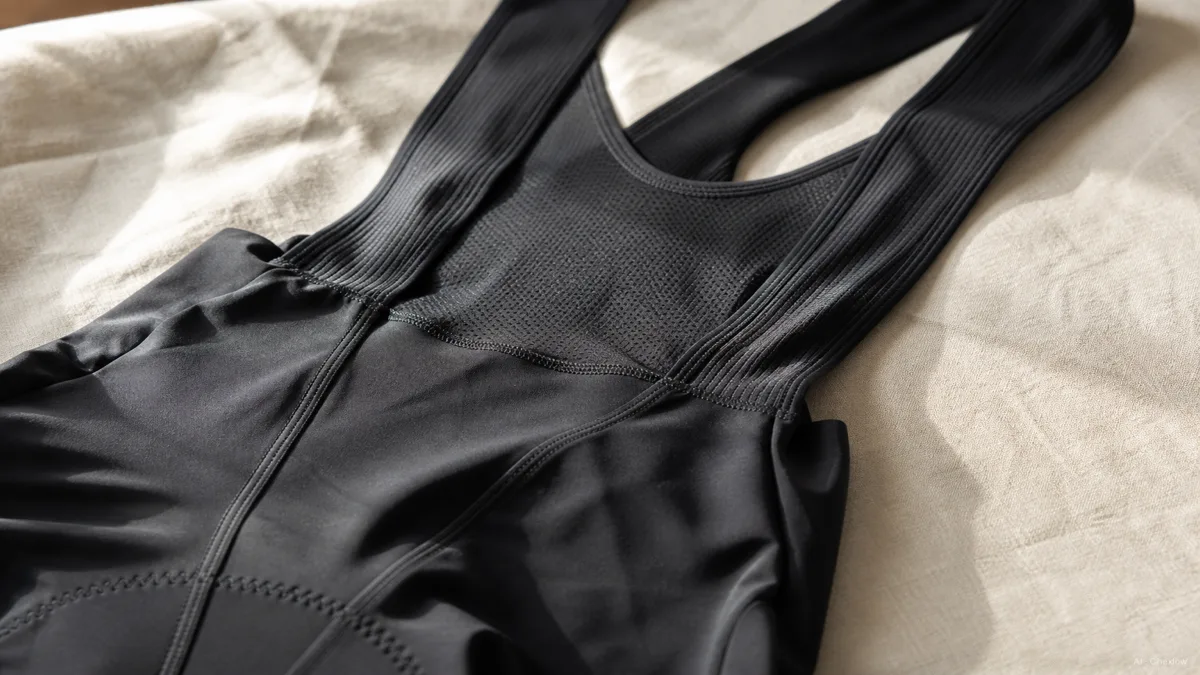
Many women's bib shorts now use what's called a drop-tail design, a stretchy rear panel built into the spot where the shoulder straps meet the shorts. Instead of pulling the whole strap system off your shoulders, you can pull the stretch panel down and out of the way. Some brands go further with fully detachable strap systems that unclip at the waist entirely. Castelli's Prima 2 Drop Tail and Rapha's detachable bib design are two well-documented examples of this approach (Escape Collective).
The fit and sizing advice from earlier applies here too, skin-tight rather than loose, and sizing down if you're between two sizes, since a loose fit lets the pad shift and increases friction regardless of gender (Liv Cycling).
None of this means one gender should default to bibs and the other to waist shorts. It means that if bib comfort appealed to you but the bathroom logistics didn't, drop-tail and detachable designs remove that objection almost entirely, and it's worth trying one on before ruling bibs out.
Sources
- Cyclingnews — Bib shorts vs Waist shorts for cycling — which one to choose and why the pressure-point and price trade-offs matter.
- Cycling Weekly — Which are better, cycling bib shorts or cycling waist shorts — comfort and stability comparison.
- Threshold Cycling — Bib shorts vs cycling shorts — mechanical differences and bathroom-break trade-offs.
- BikeRadar — Best cycling shorts — buyer's guide with hands-on testing across bib and waist shorts.
- Liv Cycling — Chamois design and fit guide — women's-specific pad shaping, fit, and thickness guidance.
- Escape Collective — A wee group test, eight women's drop-tail bib shorts — hands-on review of drop-tail and detachable strap designs.
- Hincapie Sportswear — Bike shorts vs cycling bib shorts — manufacturer perspective on when each style suits.
Cómo se elaboró esta guía
This piece started from a question that trips up a lot of first-time buyers, does a bib short's higher price actually buy you something, or is a waist short with the same padding just as good. We anchored the comfort and mechanics claims on Cyclingnews and Threshold Cycling's side-by-side comparisons, used Liv Cycling's chamois design guide for the fit and pad-thickness framework, and pulled the women's drop-tail detail from Escape Collective's hands-on test of eight bib shorts. The selection lens sits on Chexlow's cycling apparel range, so the framing reflects shorts and bibs you can actually compare here.
Editado por el equipo de Chexlow · Las imágenes son ilustraciones generadas por IA