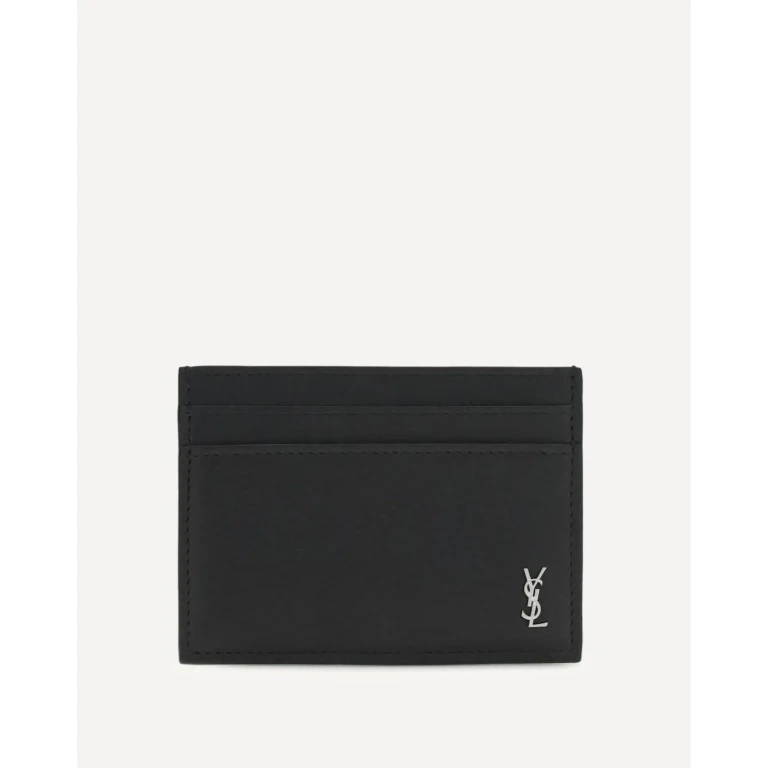
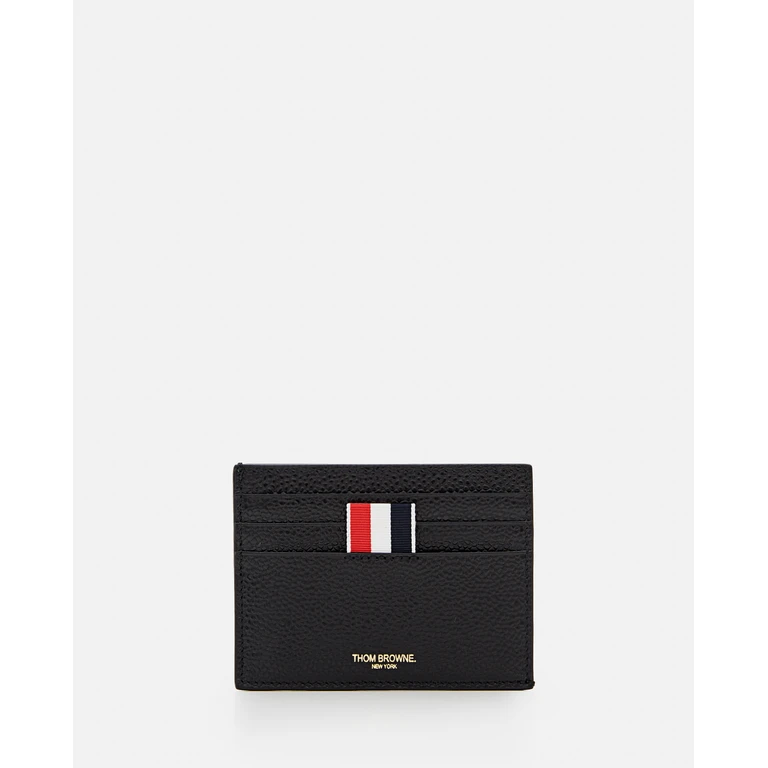
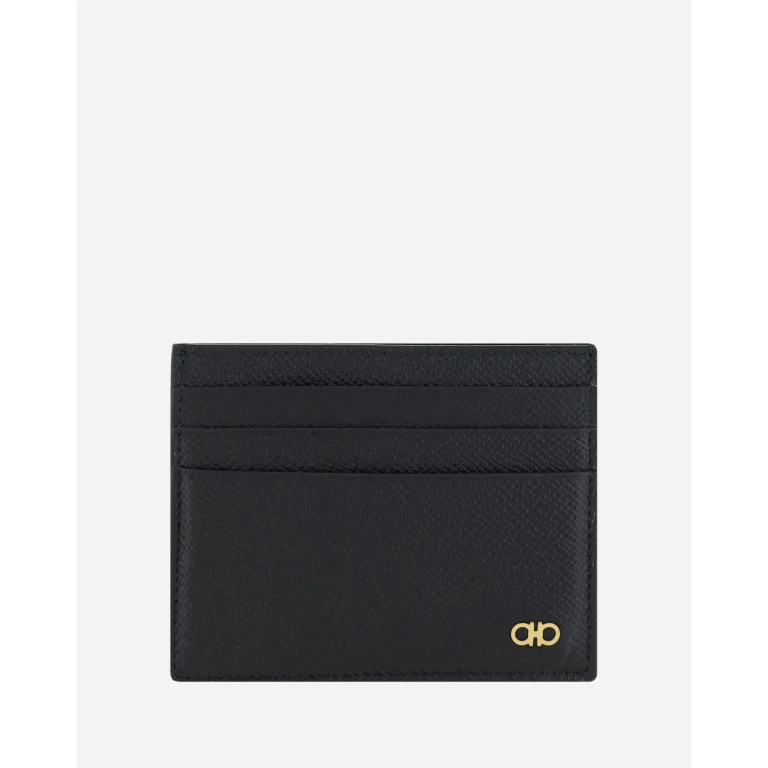
What Is a Card Holder — and Who Is It Actually For?
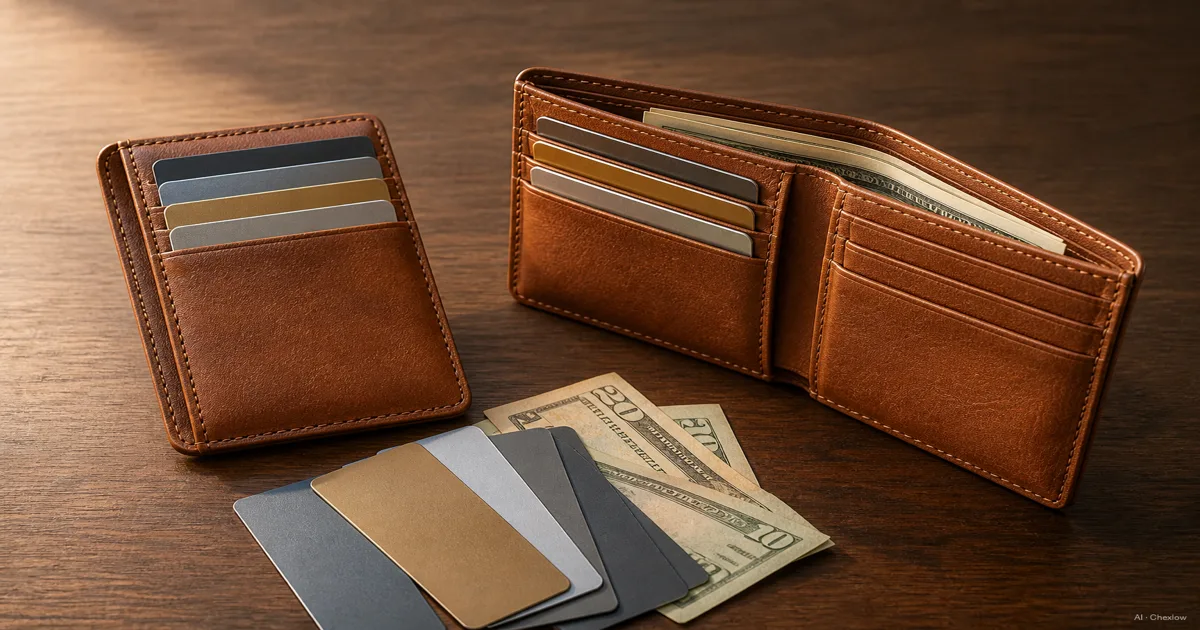
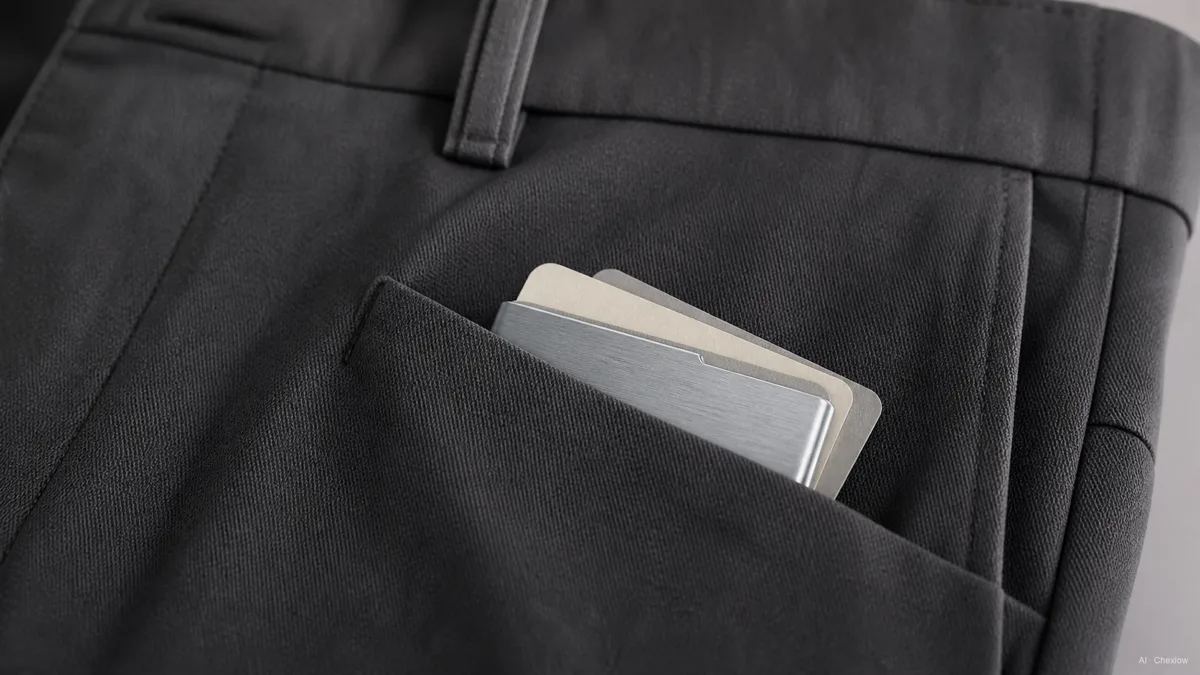
A card holder is a wallet stripped down to one job: carry your cards as flat as physically possible. No bill compartment in the traditional sense, no coin pouch, often no fold at all. Just a few slots and sometimes a single pocket for a folded note or two.
The whole point is the front pocket. A traditional wallet rides in your back pocket, where it creates a visible bulge, makes you sit unevenly, and is easy to lift in a crowd. Card holder brands lean hard on this: front-pocket carry is the ergonomic and security argument, and it's a real one (Ekster).
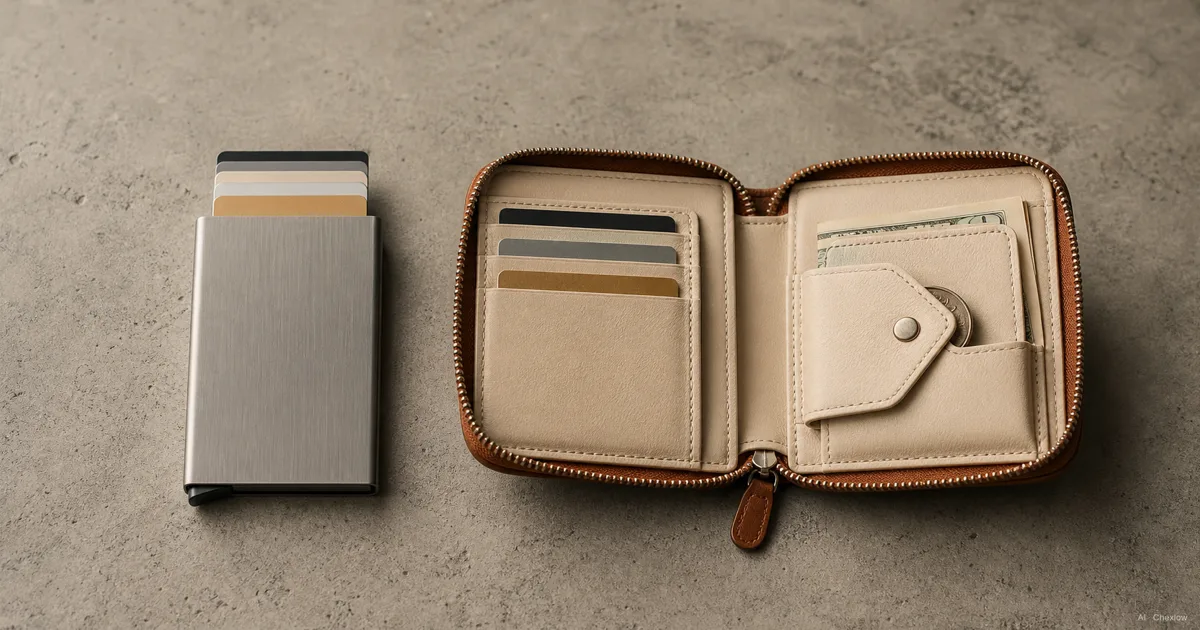
Capacity is where card holders surprise people. The range is huge. The Magpul DAKA is around 0.12 inches thick and holds a handful of cards. An Ekster aluminum holder fits up to fifteen cards and pops them out with a spring-loaded eject button. So "card holder" isn't one capacity, it's a spectrum from absolute minimalist to nearly-a-wallet.
Here's the honest fit test. A card holder suits you if you pay mostly by contactless card or phone, carry somewhere between three and eight cards, and almost never deal in coins. If that's your life, a card holder will feel like taking off a backpack you didn't know you were wearing.
What Is a Zip Wallet — and When Does the Zipper Matter?
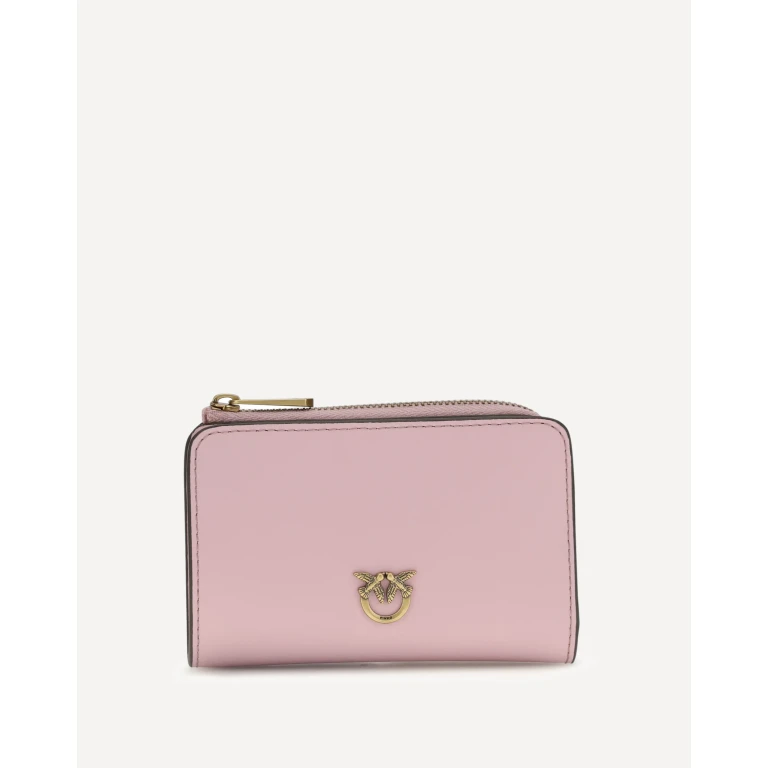
A zip wallet, or zip-around wallet, runs a zipper around three sides so the whole thing seals shut. Open it and it lies flat like a book; everything inside stays put. That single design choice makes it the most secure everyday wallet format you can buy (Vaultskin).
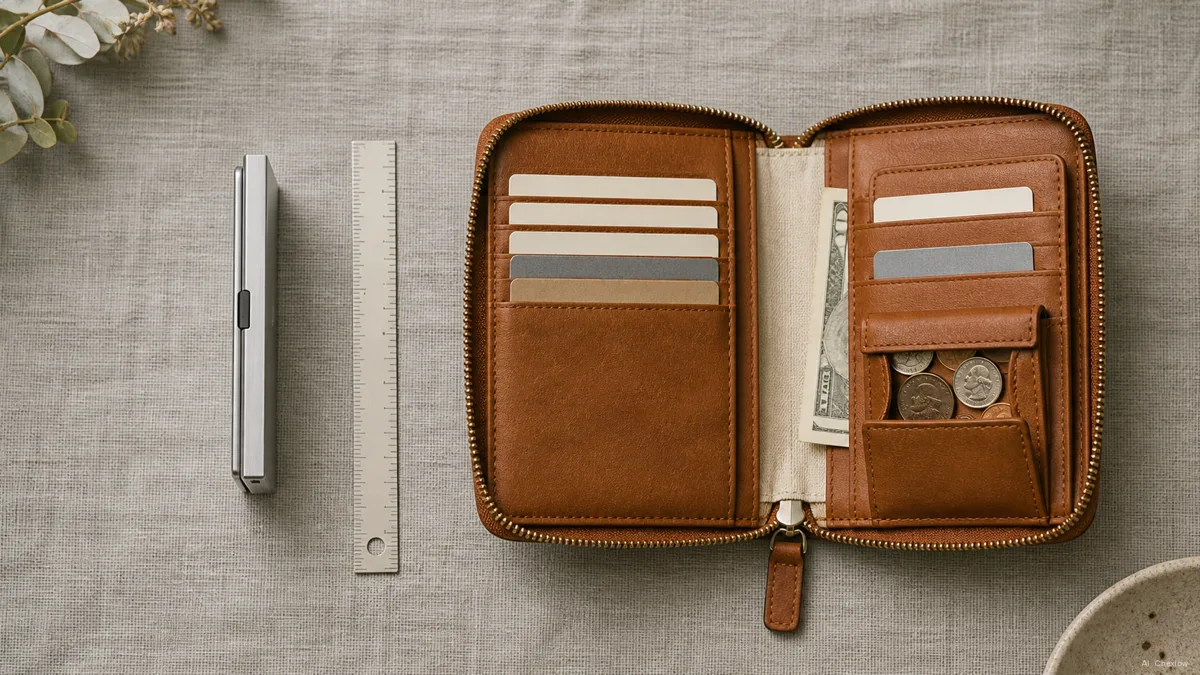
Inside, a zip wallet does a lot. You'll typically find eight to thirteen-plus card slots, a cash compartment, a coin pocket, and an ID window (Leatherology). It's close to a traditional bifold or trifold in function, with one big difference: the zipper. Nothing is accessible, and nothing falls out, until you open it yourself.
That's why zip wallets get loved for travel. Drop one in a bag and you can carry coins from three countries, a passport card, a few receipts, and your boarding pass stub, all in one place, with no fear of change spilling across your luggage (Pacsafe). The zipper turns chaos into a single contained pouch.
The cost is bulk. A zip wallet packed full sits noticeably thicker than a card holder, often in the 15 to 25mm range once it's loaded. That's the trade you're making, and the next section is where it becomes concrete.
Head-to-Head: Size, Capacity, and Daily Friction
The core difference is thickness versus security, and it's worth seeing the numbers side by side.
A card holder is genuinely slim. Many sit under 8mm even when loaded, which is why they disappear into a front pocket. A zip wallet, once you've put cards, cash, and coins inside, climbs to 15 to 25mm. That's not a small gap. In slim trousers or a fitted jacket, you'll feel it.
Capacity. Card holders carry roughly three to fifteen cards depending on the model, with little to no room for cash and none for coins. Zip wallets swallow cards, bills, coins, receipts, even a small key, all at once. If your daily kit includes loose change and paper, the card holder simply can't hold your life.
Security. This is the zip wallet's home turf. Open a card holder and a card can slide out; tip it the wrong way and you've dropped one. A zip wallet stays sealed until you choose to open it. Nothing escapes in a bag, nothing's pickable from a back pocket.
Daily friction. A card holder wins on speed. Tap, slide one card out, done. A zip wallet asks for a zip-open, a zip-close, every single time. For a quick coffee, that's mild friction; over a day of small transactions, some people find it tiring. Match the format to how often you actually reach for it.
Materials and Build Quality: Leather, Aluminum, Carbon Fiber
For a first buy, material decides how the wallet ages, how it protects your cards, and how much it costs.
Full-grain leather is the classic. It looks and feels warmest, and it develops a patina that becomes distinctly yours over time. The catch: leather doesn't block RFID on its own. If a leather holder advertises RFID protection, it has an added foil liner, and the quality of that liner varies (Yukon Bags).
Aluminum and titanium holders are the ultra-slim, modern end. They're rigid, nearly indestructible, and block RFID passively just by being metal, no liner needed. Brands like Ridge built their reputation here, often pairing a metal core with an elastic or leather band and a quick-eject mechanism.
Carbon fiber is the lightweight-but-tough option. It's the lightest of the rigid materials, shrugs off scratches, and reads as distinctly modern. It's a favorite for people who want a metal holder's durability without metal's weight.
Zip wallets, by contrast, are almost always leather or a leather-like material, because the format needs to flex and fold flat. You won't find a rigid metal zip-around; the whole point is the soft, sealing pouch.
A quick word on RFID, since both formats market it heavily. Metal holders block it for free. Leather wallets need a liner. But security experts are blunt that real-world RFID skimming is rare, and that data breaches are the far larger threat to your cards (AARP). Treat RFID as a nice-to-have, not a deciding factor.
Roughly, here's the money. Entry-level card holders start around 20 to 35 dollars (Fossil, budget brands). Mid-range runs 40 to 80 (Distil Union, Vaultskin). Premium climbs to 80 to 200-plus (Ridge, Dango, Ekster Pro). Zip wallets span a similar range, with travel-focused makers like Pacsafe and Bellroy landing around 50 to 120.
How to Choose Your First Wallet: A Three-Question Framework
Forget the spec sheets for a second. Three questions settle this for almost everyone (Vaultskin, Von Baer).
One: do you carry coins? If yes, go zip wallet. A card holder has nowhere to put them, and a coin in a jacket pocket gets lost or jangles. The coin question alone decides most cases.
Two: do you want slim front-pocket carry above all else? If yes, go card holder. Nothing beats it for disappearing into a pocket and reading fast. If you're paying by tap and phone, this is the whole appeal.
Three: do you travel internationally often? A zip wallet edges it for travel, because it corrals foreign coins, a passport card, and boarding stubs into one sealed place. A card holder is built for daily urban carry, where coins are rare and speed matters.
If your answers point in two directions, weight the coin question heaviest, then the travel one. A card holder is the better default for a phone-first, cash-light life. A zip wallet is the better default the moment coins, receipts, or travel enter the picture regularly. Start with the one that matches how you actually move through a normal week, not the one that matches an imagined trip.
Sources
- Vaultskin — Zip Wallet, Card Holder or Bifold: How to Choose — format definitions, thickness and security trade-off, choosing framework
- Von Baer — Card Holder vs Wallet — buyer fit by carry habits, coins and capacity considerations
- Ekster — Card Holder vs Wallet: Which Is Better — front-pocket ergonomic and security rationale, quick-eject capacity
- Leatherology — Every Wallet Style Explained — zip-around internals, slot and compartment counts
- HiConsumption — Best Slim Wallets — card holder spec range, slimmest models, materials
- Paperwallet — Are RFID-Blocking Wallets Worth It — RFID reality check, metal vs lined leather