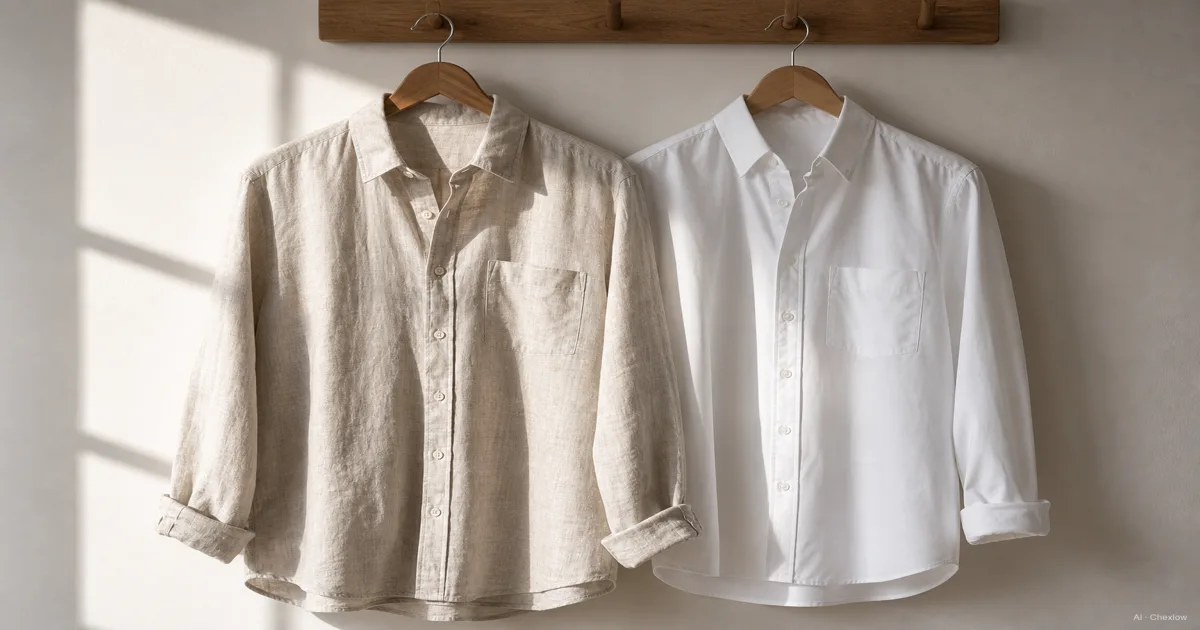
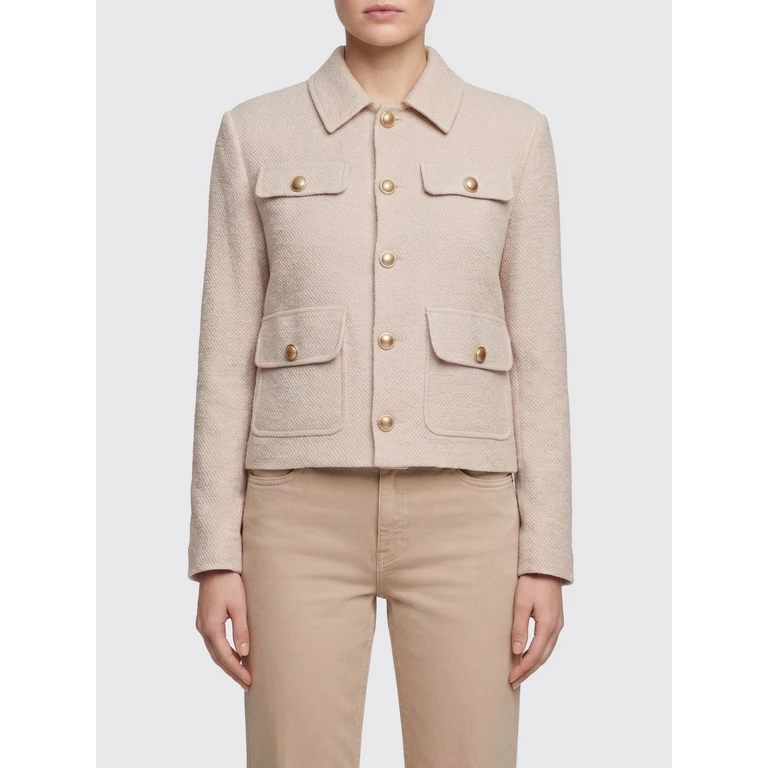
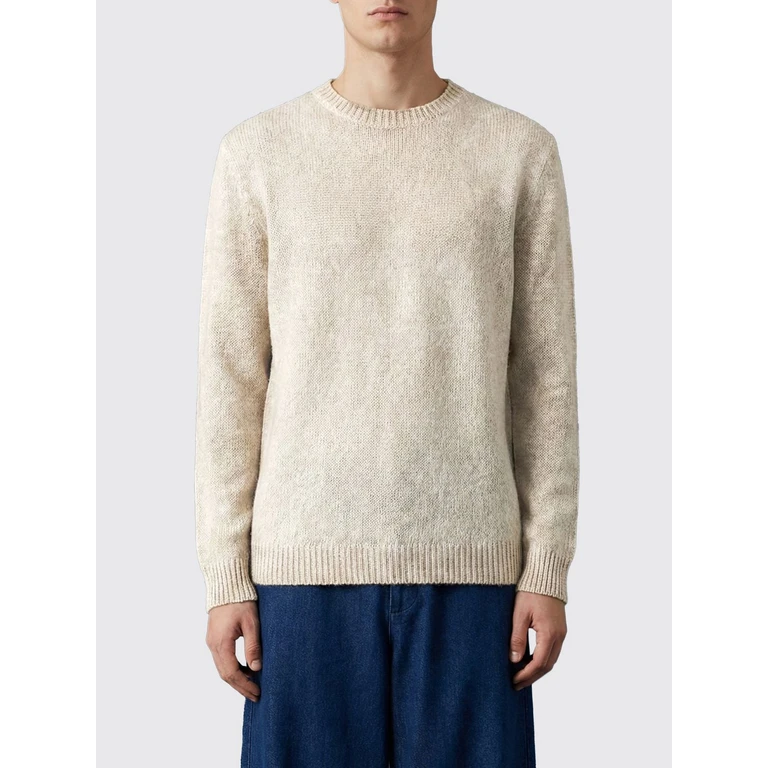
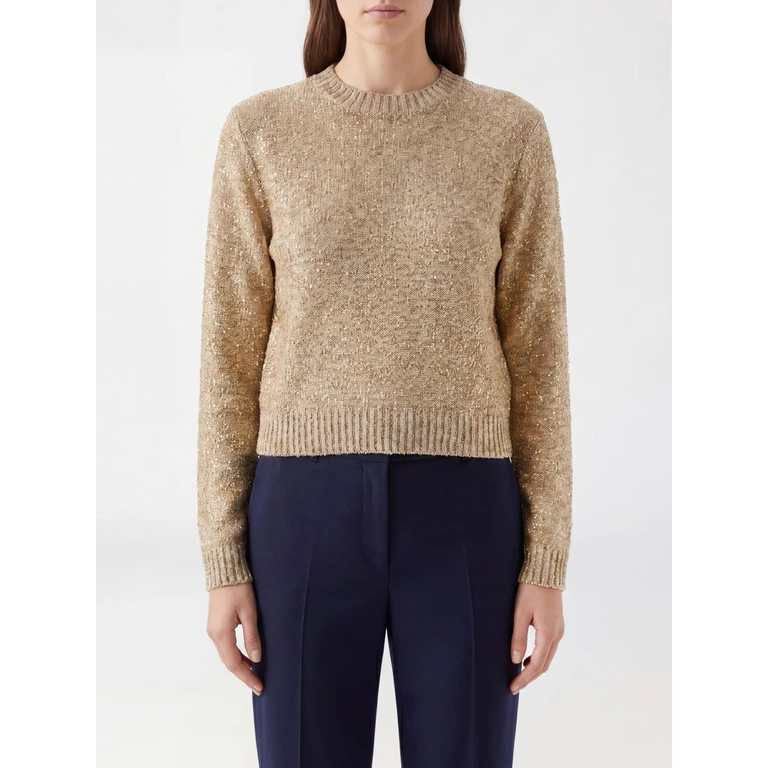
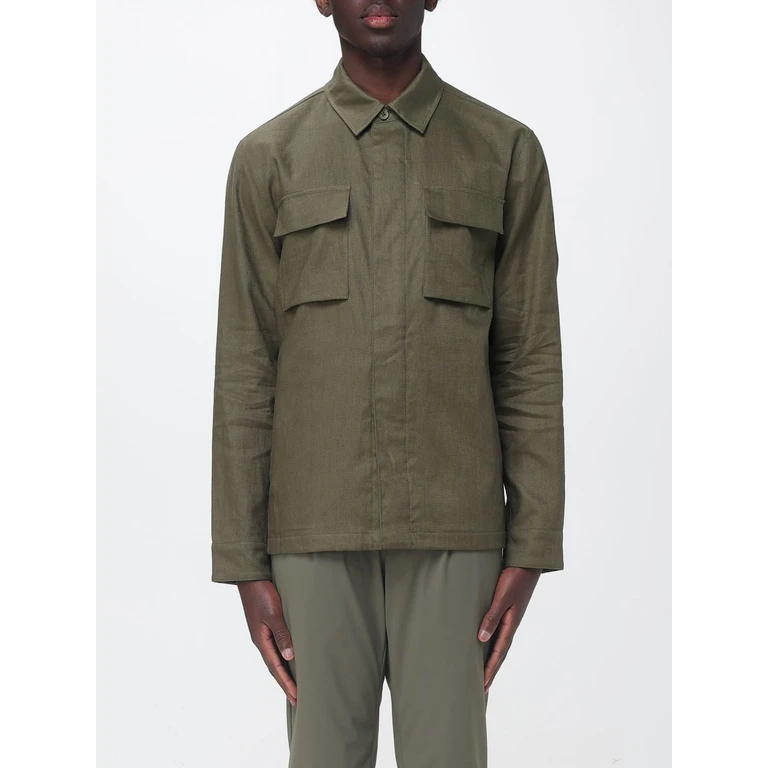
Fold a linen shirt and a cotton shirt next to each other and they can look nearly the same. Pick them up and the illusion ends. One feels crisp and a little stiff, almost papery. The other feels soft and settled, like it has already been worn a few times even when it has not.
That first-touch difference is not random. It comes from how each fiber is built, and it decides how the shirt will feel in August, how it will look by lunchtime, and how much work you will put into keeping it nice.
What Makes Linen and Cotton Different (Fiber, Weave, Feel)
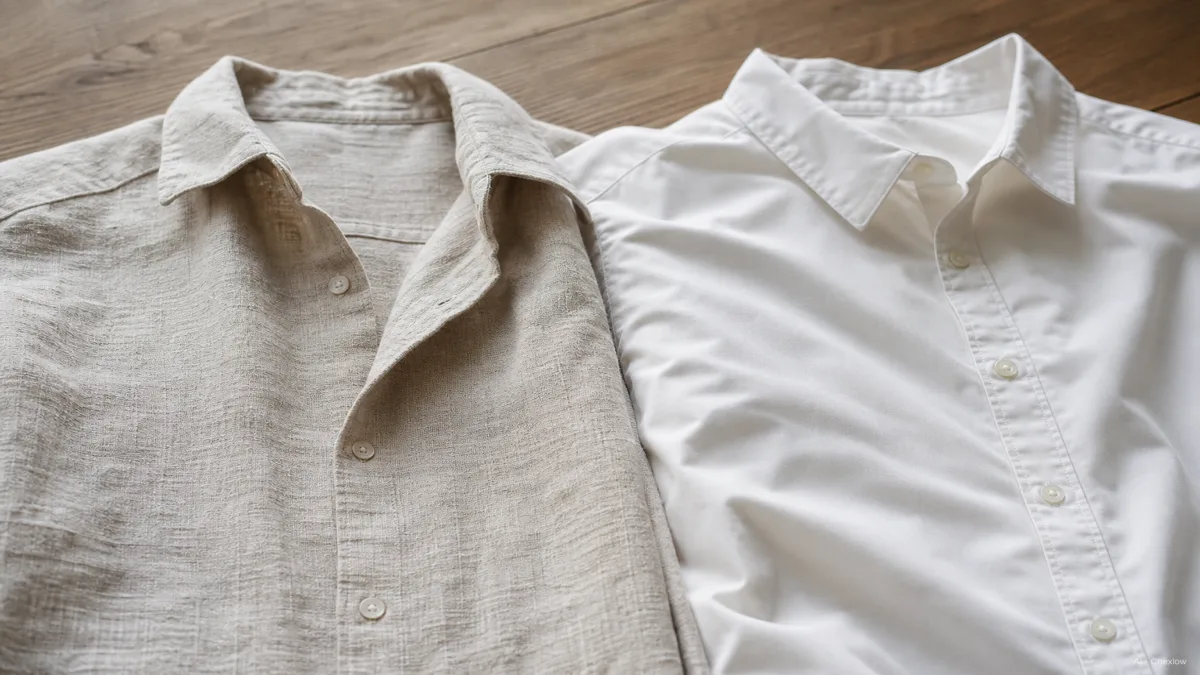
Both fibers start as plants, but the similarity mostly ends there. Linen comes from the flax plant, and its fibers are hollow, long, and tightly bundled, which is also why linen fiber is often cited as two to three times stronger than cotton fiber (Wikipedia, Linen). That strength is a big part of why a well-kept linen shirt can outlast a cotton one by years.
Cotton fiber is also naturally hollow and famously absorbent, capable of holding roughly 24 to 27 times its own weight in water (Textile Learner, Technical Properties of Cotton Fiber). That is part of why cotton feels so soft and forgiving against skin from the very first wear. Almost pure cellulose and hypoallergenic, it is the fabric most people already trust without thinking about it.
The weave finishes the story. Linen's stiffer, less elastic fiber creates a slightly rougher, more textured cloth straight off the shelf. Cotton's fiber flexes more, which is why a cotton shirt already feels broken-in the day you buy it. Neither is a flaw, they are just two different starting points, one that softens over time and one that is soft from day one.
Comfort and Breathability, Which Wins in Heat and Humidity
When the weather turns hot, the hollow structure of linen fiber becomes the whole story. Air moves through it easily and moisture evaporates fast, which is the main reason linen has stayed a warm-climate staple for thousands of years, with archaeological evidence of flax textile use dating back roughly 36,000 years (Wikipedia, Linen).
Cotton is absorbent in a different way. It pulls sweat off your skin efficiently, but it also holds onto that moisture inside the weave rather than releasing it quickly. On a mild day that is barely noticeable. On a genuinely humid one, a cotton shirt can start to feel damp and cling to your back while a linen shirt in the same conditions still feels dry and loose against the skin (Madda Fella, Cotton vs. Linen for Hot Weather).
So the honest answer is climate-specific. If you live somewhere hot and humid for months at a time, linen earns its reputation. If your summers are milder or air-conditioned most of the day, cotton's comfort is close enough that the gap barely matters.
Durability, Wrinkling, and How Each Fabric Ages
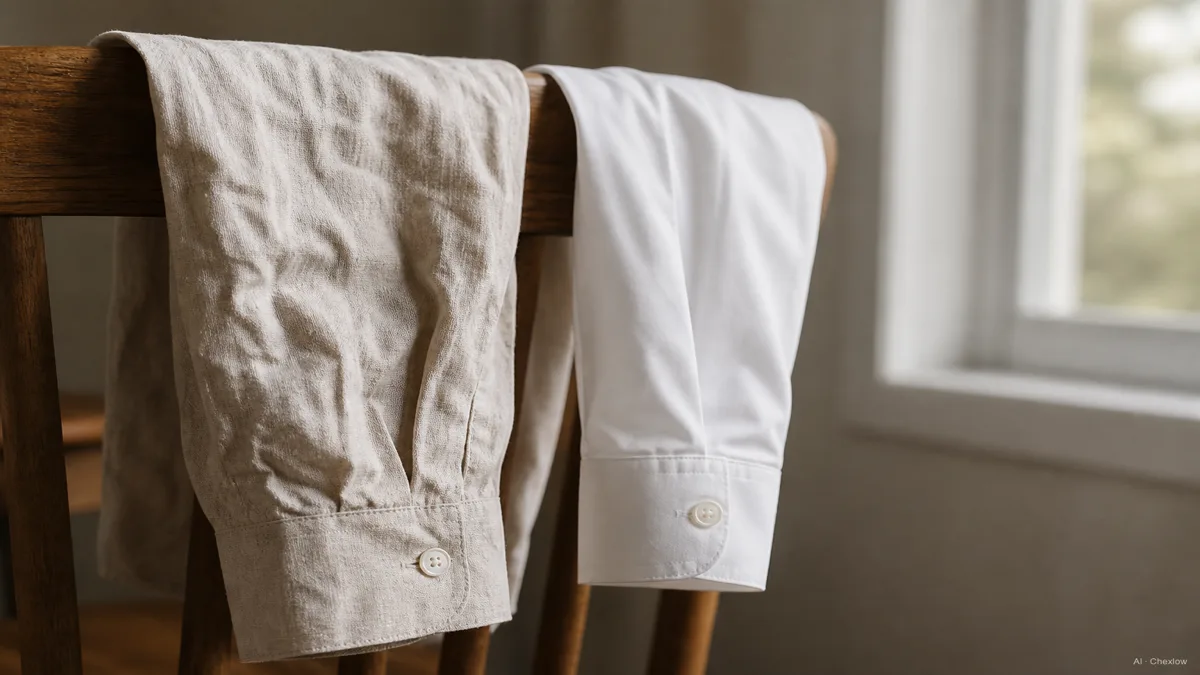
Linen's strength advantage shows up over years, not days. That same fiber toughness means a linen shirt washed and worn correctly can stay in rotation long after a comparable cotton shirt has thinned out or started pilling.
The trade-off is wrinkling. Linen fiber has poor elastic recovery, so it creases the moment you sit down, and those creases stay visible until the next wash or iron. Most style guides now treat this as part of linen's character rather than a defect (MasterClass, What Is Cotton and What Is Linen), but it is worth knowing before your first buy, especially if you need a shirt that still looks sharp after a full day.
Cotton wrinkles too, just less dramatically in most weaves, and it holds its shape a bit longer between washes. What it gives up over the long run is raw durability. Cotton fiber wears thinner and pills faster than linen across repeated laundering cycles, so a cotton shirt you wear constantly may need replacing sooner than a linen one that gets the same rotation.
Care and Washing, What to Expect Day to Day
This is where the two fabrics really part ways in daily life. Linen wants gentle treatment: wash it cool or lukewarm, around 30°C, skip the tumble dryer where possible, and hang or lay it flat to dry in the shade. Tumble drying alone can shrink linen by roughly 10 percent and leaves the fibers more brittle over time, and ironing goes better while the fabric is still slightly damp or with steam rather than a dry, high-heat pass (Asket, Linen Care Guide).
Cotton is far more forgiving. Most cotton shirts handle a normal machine wash and dry cycle without drama, which is exactly why cotton remains the low-maintenance default for people who do not want laundry to become a small research project. It is less prone to shrink-related surprises, even if it eventually shows wear from the same machine cycles that treat it so casually.
If your week does not leave room for shade-drying and steam-ironing, that alone is a reasonable argument for starting with cotton.
Which Should You Buy First? A Simple Decision Guide
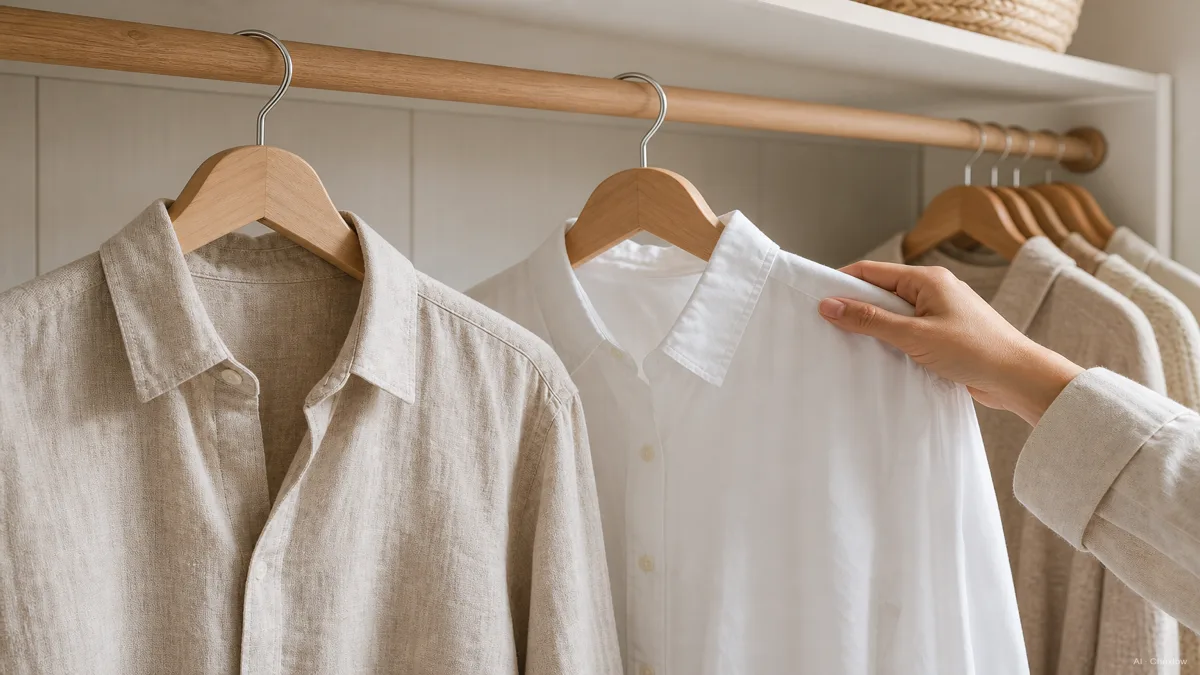
Reach for linen if you live somewhere hot and humid, travel often in warm climates, or want a shirt built to last years of regular wear and do not mind the wrinkled look as part of the deal. Reach for cotton if you want a shirt that feels comfortable on day one, machine-washes without a second thought, and moves easily from casual to smart-casual without any extra care routine. It also remains the more beginner-friendly fabric simply because there is less that can go wrong with it.
There is a practical middle ground too. Linen-cotton blends, often somewhere around 30 to 70 percent linen mixed with cotton, breathe better and wrinkle less than pure linen while staying more affordable and easier to care for, without fully matching pure linen's cooling or pure cotton's softness (MagicLinen, Linen vs. Cotton Shirts). If you are not ready to commit to either extreme, a blend is a fair way to test the waters before buying pure linen.
Whichever you pick first, look at both linen and linen-blend shirts alongside cotton options in the same size and style so the choice comes down to the fabric itself, not what happened to be in stock.
Sources
- Wikipedia, Linen — fiber structure, strength versus cotton, wrinkling, care, history
- Wikipedia, Cotton — fiber composition, absorbency, durability
- MasterClass, What Is Cotton and What Is Linen — fabric comparison, wrinkling as character
- Madda Fella, Cotton vs. Linen for Hot Weather — heat and humidity comfort comparison
- MagicLinen, Linen vs. Cotton Shirts — blend ratios and trade-offs
- Asket, Linen Care Guide — washing temperature, drying, ironing guidance
- Textile Learner, Technical Properties of Cotton Fiber — cotton absorbency and fiber properties
Comment ce guide a été conçu
This piece started from a question that comes up every spring: should a first warm-weather shirt be linen or cotton, and does the answer change once you actually have to wash and iron the thing. We pulled fiber and strength data from Wikipedia's linen and cotton entries and Textile Learner's cotton fiber reference, then checked comfort and care claims against MasterClass, Madda Fella, MagicLinen, and Asket's linen care guide so the trade-offs reflect where those sources broadly agree. The framing stays close to the shirts you can actually compare on Chexlow, in linen, linen blends, and cotton alike.
Rédigé par l’équipe Chexlow · Les images sont des illustrations générées par IA