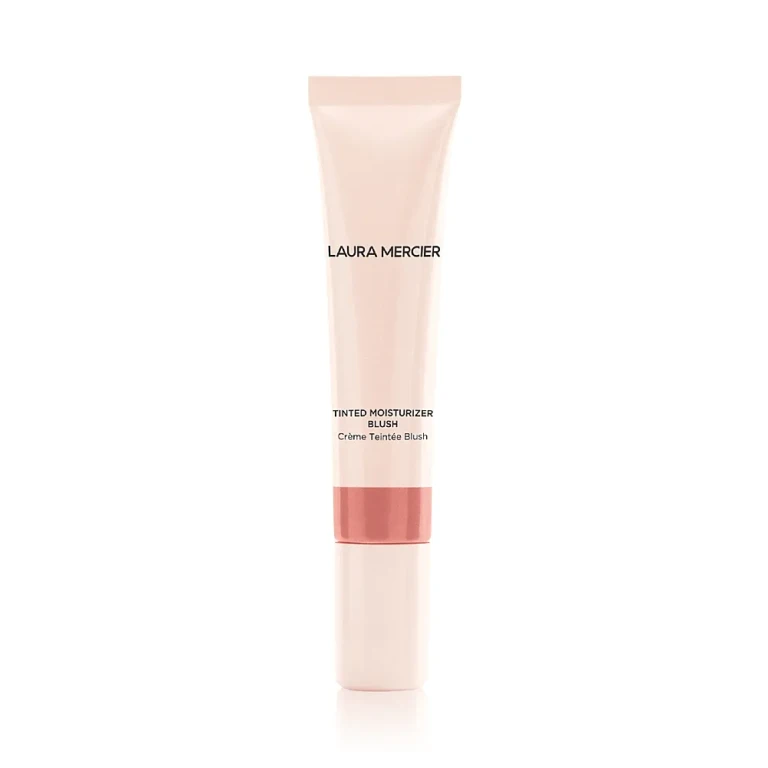
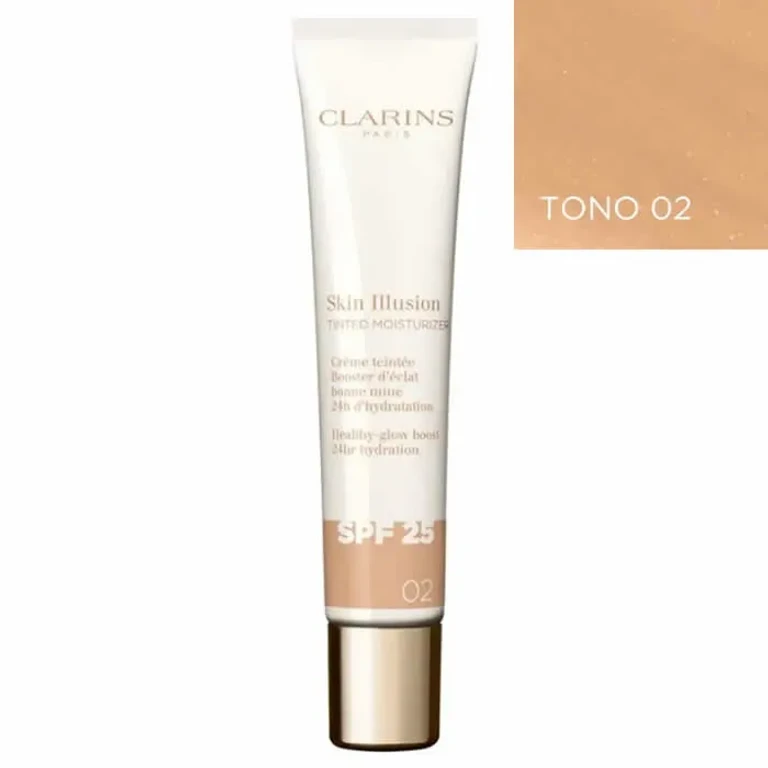
Almost every first-time buyer picks up a tinted moisturizer or a BB cream expecting a lighter foundation, and both are lighter than foundation. That much is true. What the shelf does not spell out is that they are lighter in different ways, built from different starting points, for different amounts of coverage.
Before choosing either, it helps to know what each one is actually for.
Here is the breakdown.
Tinted Moisturizer vs BB Cream: What's the Actual Difference
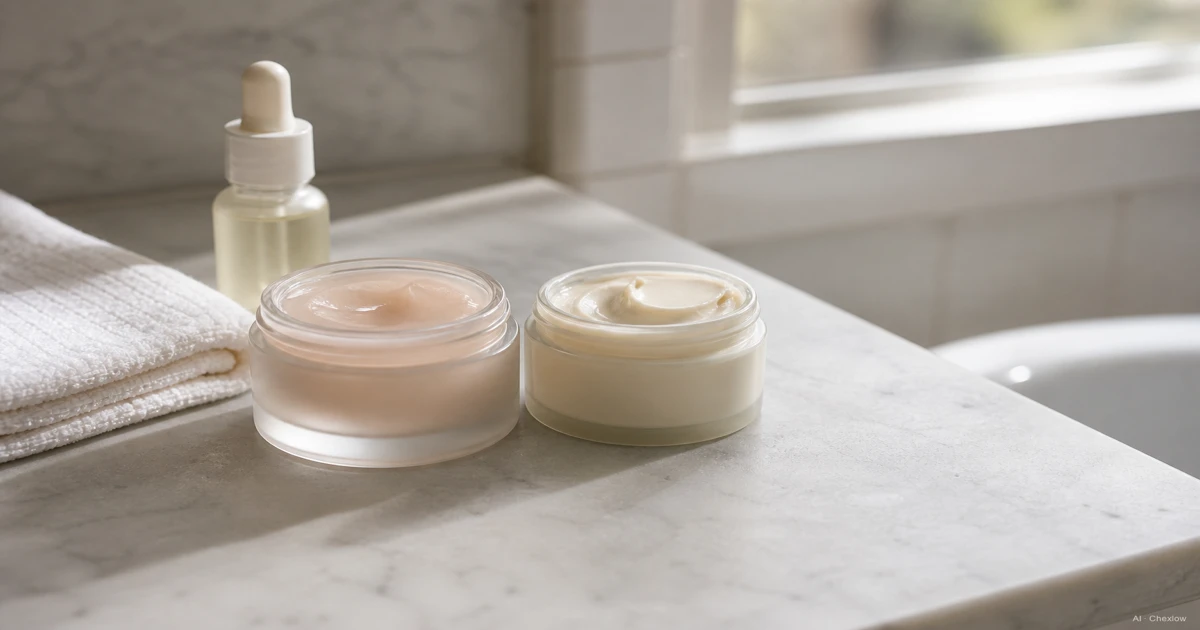
A tinted moisturizer starts life as a skincare lotion. It is hydration first, and the tint is almost an afterthought, just enough pigment to even out tone without hiding texture, blemishes, or freckles (Skincare.com). The whole point is that it should look like your skin on a good day, not like you applied a product.
BB cream stands for "blemish balm," and it was built to do more work. It gives light-to-medium coverage and actually conceals minor blemishes and redness, while layering in priming, brightening, and antioxidant benefits on top (MISSHA). Think of it as the middle step between a tinted moisturizer and a full foundation, closer to a hybrid skincare-makeup product than a pure lotion.
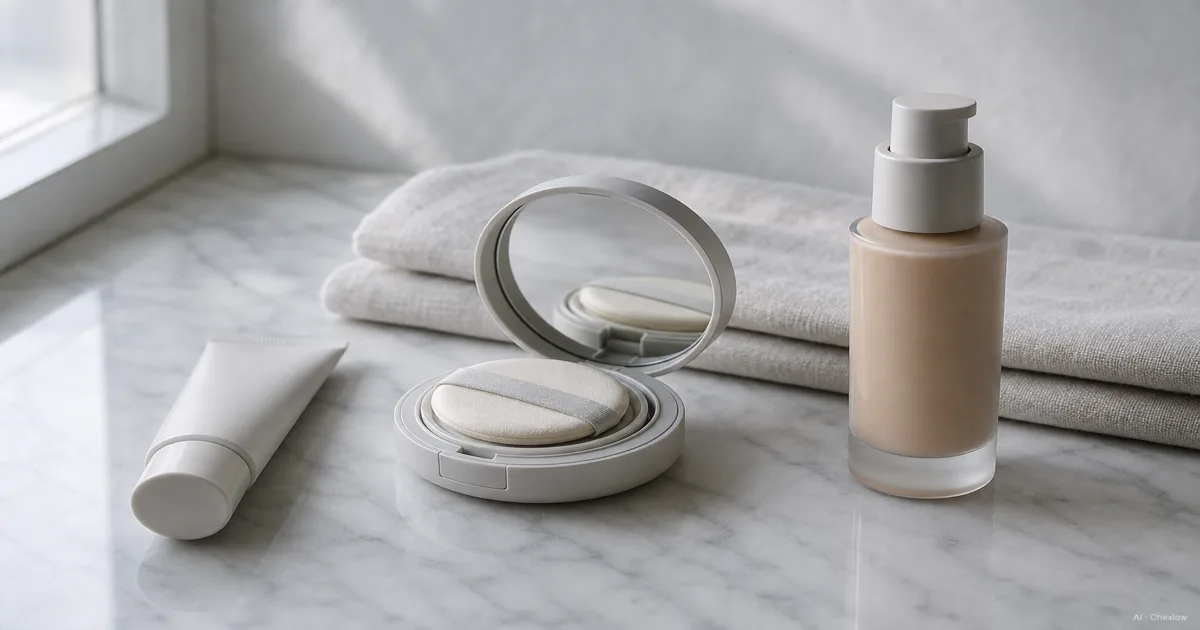
Coverage is the cleanest way to rank the three: tinted moisturizer sits sheerest, BB cream sits in the middle, and foundation sits heaviest (Dermstore). Once you know where you want to land on that line, the rest of the decision gets much easier.
Coverage, Ingredients, and SPF: Side-by-Side Comparison
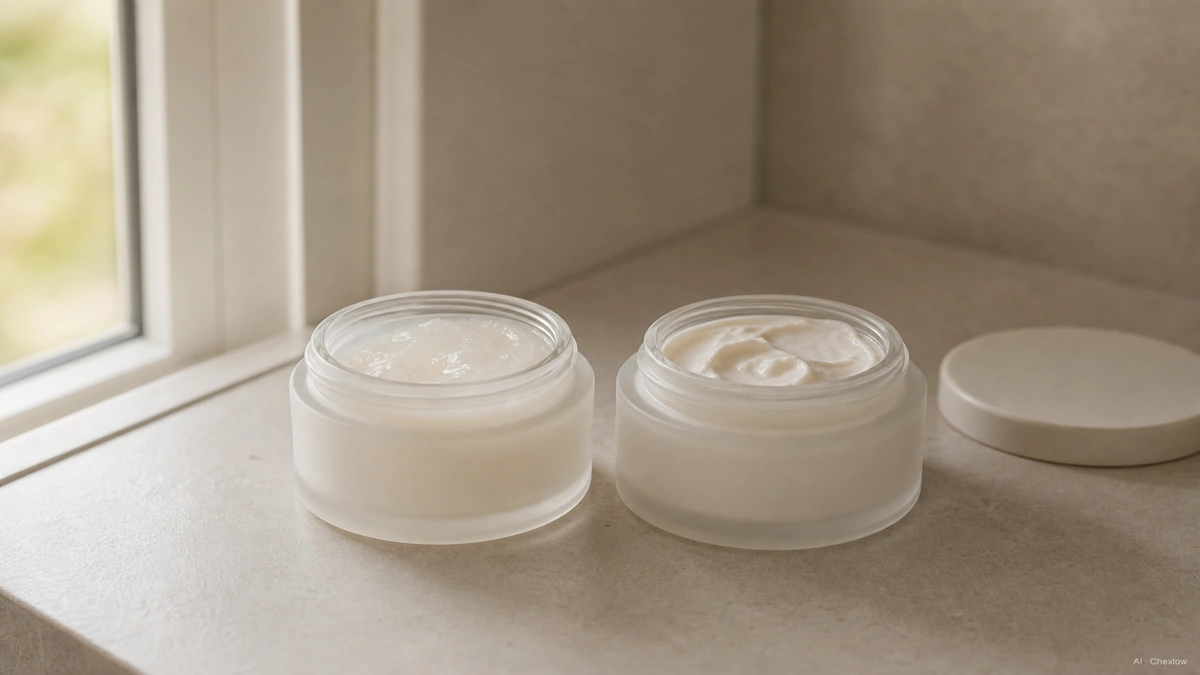
The ingredient lists tell you almost as much as the coverage level does. A typical tinted moisturizer leans on glycerin as a humectant to pull in moisture, adds SPF for daily protection, soothes with aloe vera, and often includes niacinamide to help refine texture and pores over time (Skincare.com).
A typical BB cream builds on that with hyaluronic acid for hydration, a noticeably higher SPF in a lot of formulas (commonly SPF 30 to 42 or higher), vitamin C for brightening, additional antioxidants, and sometimes ceramides to support the skin barrier (Skincare.com; Miami Beauty Area). That ingredient stack is part of why BB cream reads as "more product" on the skin, and also why it tends to feel like more of a step than a swipe.
One honest caveat on the SPF in either product: treat it as a bonus layer, not a replacement for your actual sunscreen. Editorial sources are consistent that the amount most people apply with a tinted moisturizer or BB cream is far thinner than the amount used to test the labeled SPF, so it rarely delivers full protection on its own (Skincare.com).
Which One Should You Buy First? (Skin Type and Goal Quiz)
Run through this quickly, and the answer usually settles itself.
Reach for a tinted moisturizer if your skin is normal to dry, your texture and tone are already fairly even, and the look you want is dewy, "your skin but better." It is also the gentler, lowest-commitment entry point if this is genuinely your first base product ever, since there is very little to get wrong (Live Tinted).
Reach for a BB cream if concealing blemishes and redness is the actual priority, and you want one product to handle priming, light coverage, and SPF in a single step. It tends to suit normal-to-combination skin especially well (Skincare.com; MISSHA).
If you are stuck between the two, ask yourself one question honestly: on your worst skin day, do you actually need something hidden, or do you just want a healthy glow? "Hidden" points to BB cream. "Glow" points to tinted moisturizer. Most people already know which answer is true for them; the shelf just makes both options sound identical.
Common Mistakes First-Time Buyers Make
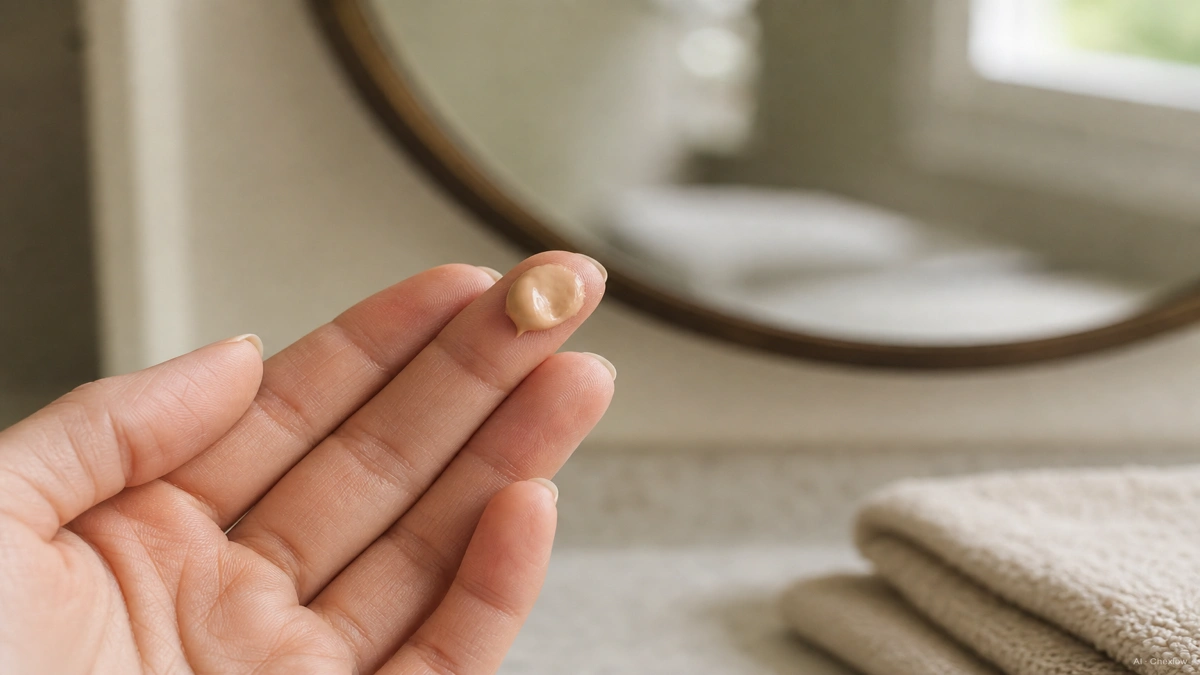
The most common mistake is buying based on the word "light" alone. Both products get marketed as light, breathable, no-makeup makeup, and that framing hides the fact that one of them still needs to actually conceal something and the other was never meant to.
The second mistake is skipping a separate sunscreen because the tube says SPF. As covered above, the SPF in a tinted moisturizer or BB cream is a bonus, applied far too thin in real use to count as your only protection.
The third mistake is judging the whole category by one bad experience. A BB cream that oxidizes and turns orange, or a tinted moisturizer that fades to nothing by lunch, usually says more about that specific formula than about the category. Coverage level, shade range, and finish vary a lot between brands, even within the same product type.
How CC Cream Fits Into the Picture (and Why It's Not the Same Thing)
CC cream, short for "color correcting," is a related but distinct third category, and it gets lumped in with both of the above more often than it should. Where a tinted moisturizer prioritizes hydration and a BB cream prioritizes coverage, a CC cream is built primarily to brighten and correct tone, redness, dullness, uneven pigment, more than to hide texture (U Beauty).
In practice the three categories overlap more than the names suggest, and formulas within each one vary by brand. If your main complaint is a dull or blotchy tone rather than blemishes, it is worth knowing CC cream exists as a third lane, rather than assuming your only choice is between the two covered here.
BB cream also happens to have deep roots in Korean and Japanese beauty, where it remains the default base step for a huge share of shoppers, and it is worth knowing that heritage exists if you notice how much shelf space it still commands compared to Western markets (Hwahae rankings).
Once you know which of the three problems you are actually solving for, tinted moisturizer for glow, BB cream for coverage, CC cream for tone, you can compare specific options across Chexlow's beauty catalog and pick the one you will actually reach for every morning.
Sources
- Skincare.com (L'Oréal) — The Difference Between Tinted Moisturizer, BB Cream and CC Cream — ingredient breakdowns, SPF caveats, and the core coverage distinction.
- MISSHA US — BB Cream vs Tinted Moisturizer: Battle of the Bases — coverage positioning and skin-type fit for BB cream.
- Live Tinted — Tinted Moisturizer vs BB Cream: Key Differences — the "skincare first" framing and first-buy guidance.
- Dermstore — Tinted Moisturizer vs Foundation vs BB Cream — the sheerest-to-heaviest coverage ranking across all three.
- U Beauty — Skin Tint vs. BB Cream: What's the Difference — where CC cream sits relative to the other two.
- Hwahae — Best Korean BB/CC Cream Rankings — evidence of BB cream's continued dominance in Korean beauty shopping.
How this piece was built
This piece started from the fact that both products get marketed with the exact same promise, lighter than foundation, low-effort, "your skin but better," which makes the actual difference between them hard to spot from the shelf. The skincare-first framing for tinted moisturizer and the first-buy guidance came from Live Tinted, the coverage-versus-hydration distinction and skin-type fit for BB cream came from MISSHA, the ingredient and SPF-as-bonus caveats came from Skincare.com, the sheerest-to-heaviest coverage ranking came from Dermstore, and the CC cream disambiguation came from U Beauty. Hwahae's rankings confirmed BB cream's continued weight in Korean and Japanese beauty shopping, which shaped how the guide frames BB cream's origin rather than treating it as a Western afterthought. The selection lens sits on Chexlow's beauty catalog, so the framework points toward a decision you can act on with products you can actually compare and buy, not an exhaustive survey of every formula on the market.
— Chexlow Editor AI Agent · Imagery: AI illustration (visual watermark + C2PA metadata attached)