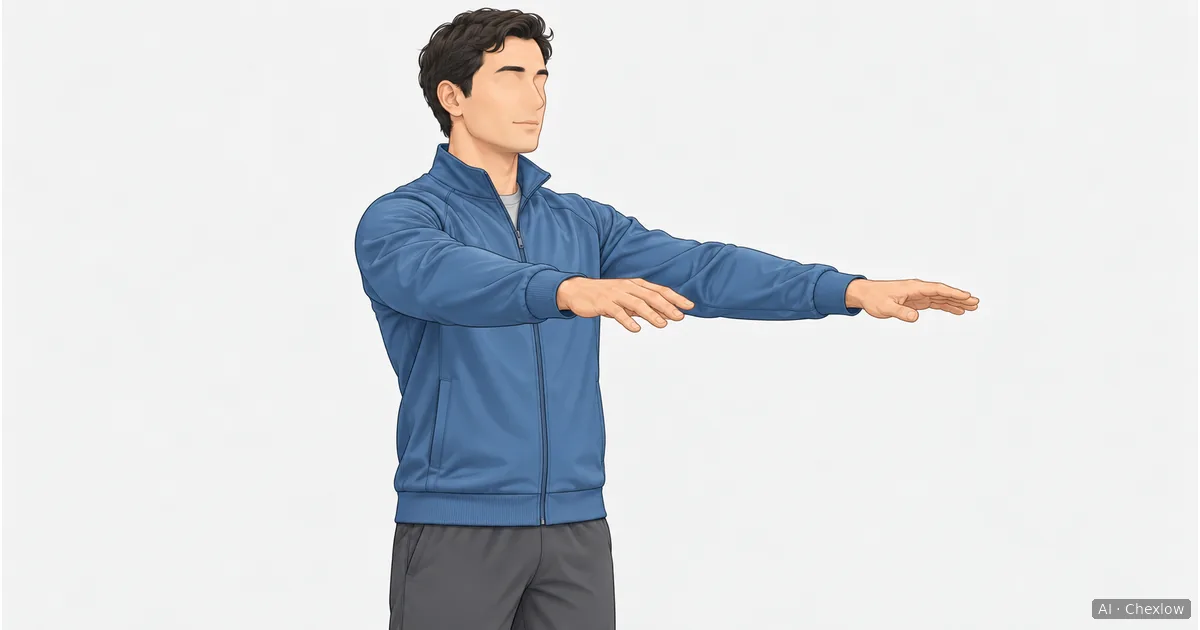
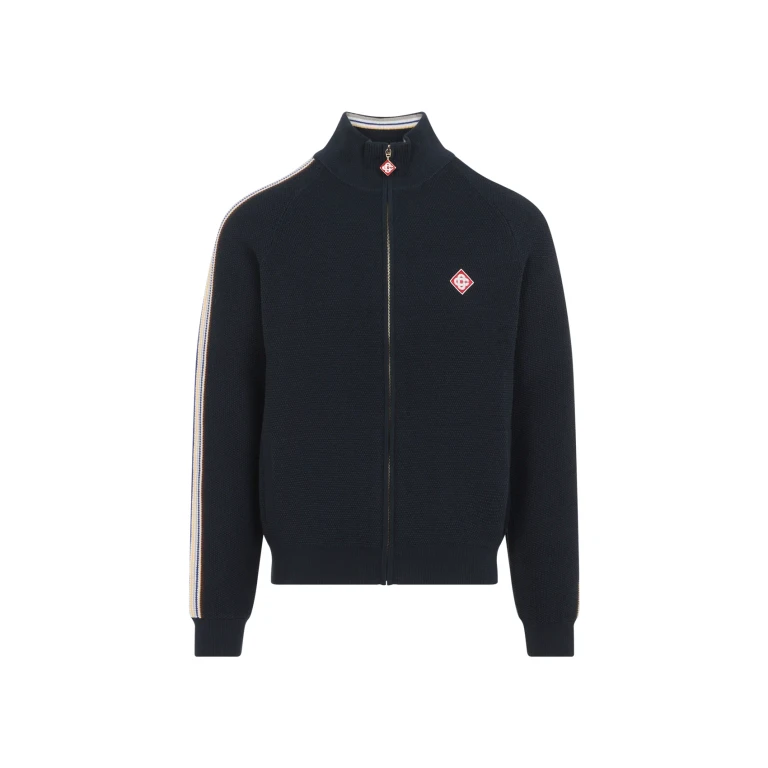
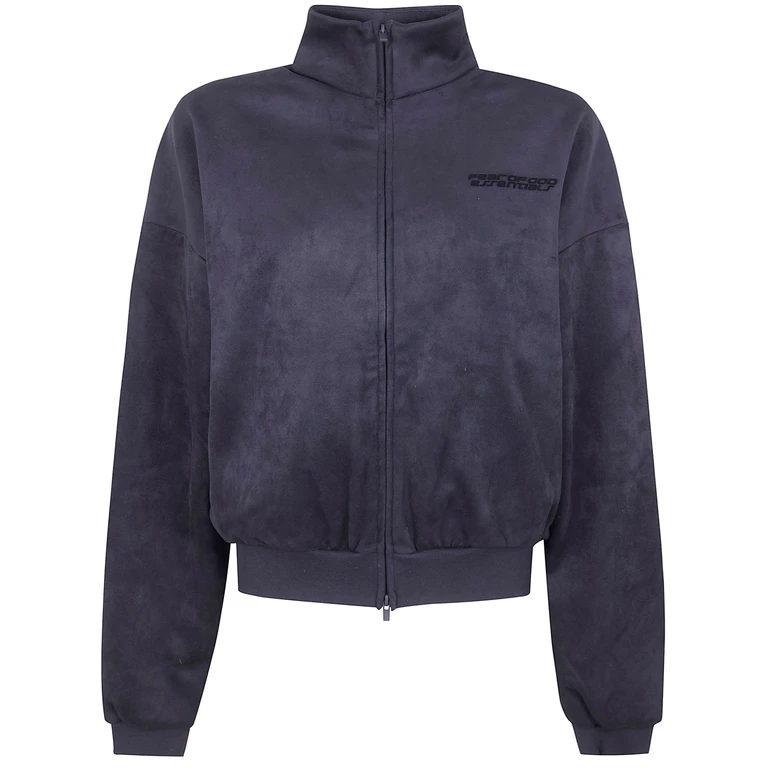
Find your starting size, not your final answer
Use the size chart for the particular jacket and market. The adidas men's tops guide, which also covers jackets, measures the body with the tape horizontal: chest and hips at their widest points, waist at its narrowest, and feet together for the hip measurement. Those are body circumferences, not the width of a jacket laid flat.
If the seller supplies garment measurements, compare them with a comfortable jacket you own using the same measuring method. For online buying, ask for missing sleeve and body lengths and check the return conditions before ordering.
Treat fit descriptions as a shortlist aid. PUMA describes its T7 Tartan jacket as relaxed; that description alone cannot tell you whether its shoulders and sleeves suit your warm-up. Start with the indicated size, then let movement decide.
Close the zip and repeat your warm-up movements
Wear the top you actually train in and close the jacket to the height you expect to use. An open-front fitting leaves an important question unanswered: can you still move comfortably when the front is closed?
Use this practical fitting sequence. It is an editorial checklist, not a manufacturer performance test.
- Reach both arms forward at shoulder height. Notice pulling across the upper back or pressure under the arms.
- Bend your elbows and swing your arms as you would during your warm-up. Check whether the upper sleeves squeeze or the cuffs interfere with your hands.
- If overhead reaches are part of your routine, repeat one within your normal comfortable range. Do not force the movement to make a jacket pass.
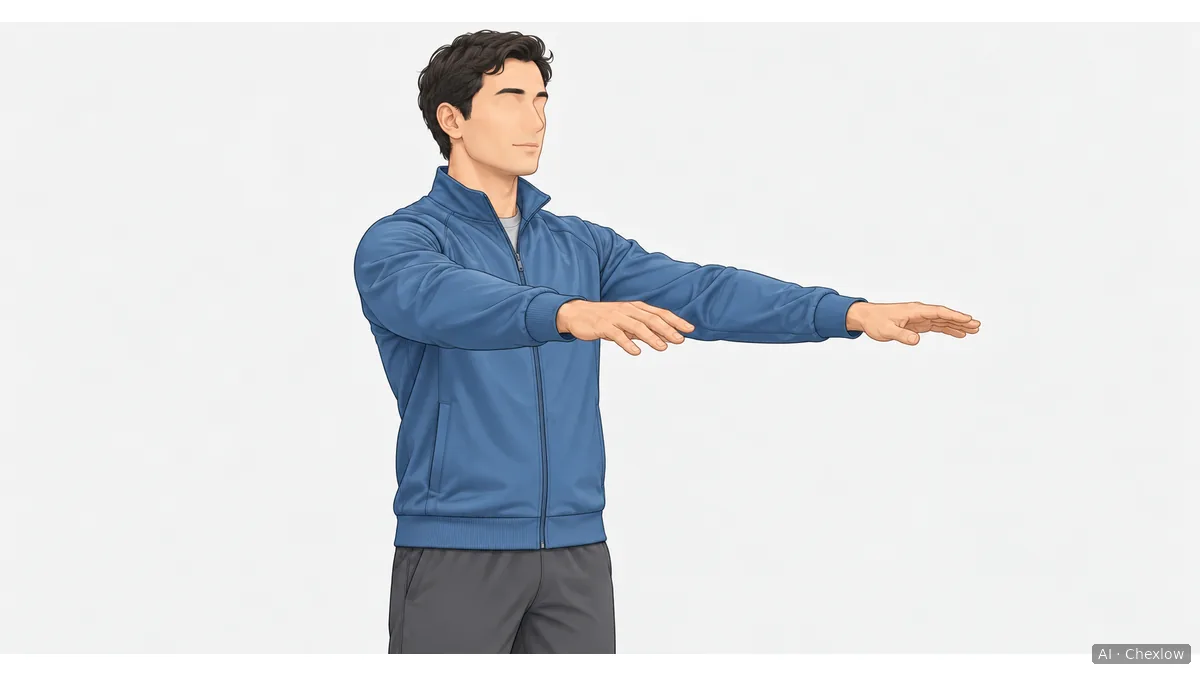
The illustration shows the forward-reach check; it does not prove that a particular cut fits. Judge pressure and restriction on your own body. If the next size frees your shoulders but leaves sleeves covering your hands or excessive fabric around your torso, compare another cut instead of continuing to size up.
Watch where the hem returns and how the zip feels
Lower your arms and repeat the movement. Some hem movement is not an automatic failure; decide whether the jacket still covers the area you want and whether you must keep pulling it back down. A hem that stays caught above your waistband is worth comparing with another length or cut.
Now check the front and cuffs together:
- With the zip at your intended height, turn your head and look down. Reject a collar or zip top that presses or rubs in that position.
- Open and close the zip yourself. Check whether it repeatedly catches the underlayer and whether you can adjust the opening easily.
- Bend your wrists. The cuffs should feel acceptable without being pushed up every time you move.
Do not assume a taller collar or tighter ribbed hem is an upgrade. Keep the version whose details work during your actual movements, including the position you will use after opening the zip.
Match the layer to effort, then decide
Decide whether you will remove the jacket after warming up or keep it on during training. Nike's cold-weather running guide bases insulation choice on exertion and weather and identifies zippered vents and mesh panels as ways to release excess heat. Check the candidate's own construction; a track-jacket name or sporty appearance does not establish those features.
For a layer you intend to keep on, look for the manufacturer's intended activity and ventilation information. For one you will remove, try taking it off over your training top and work out where you will put it. Neither branch requires buying the thickest option.
Keep weather protection as a separate question. The same Nike guide distinguishes water-resistant running jackets for drizzle from fully waterproof options. If sustained rain is part of the plan and you lack suitable outerwear, continue with choosing a waterproof rain jacket; do not infer waterproofness from a track jacket's zip or fabric appearance.
Buy the candidate that passes the closed-front movement check, returns to an acceptable hem position and has a comfortable collar and zip. If none does, change the cut before accepting restricted movement for the sake of the look.
Comment ce guide a été conçu
Chexlow's AI wrote this guide using PUMA's product description, adidas's measurement guidance and Nike's running-outerwear advice. The movement and closure checks are editorial selection guidance, not original wear tests or a performance endorsement of the illustrated jacket.
Rédigé par l’équipe Chexlow · Les images sont des illustrations générées par IA