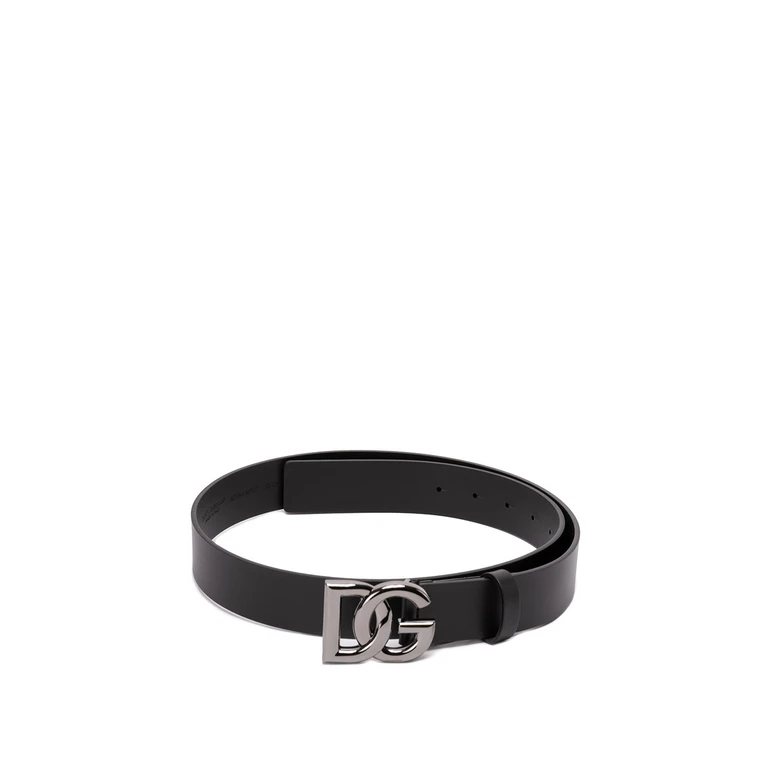
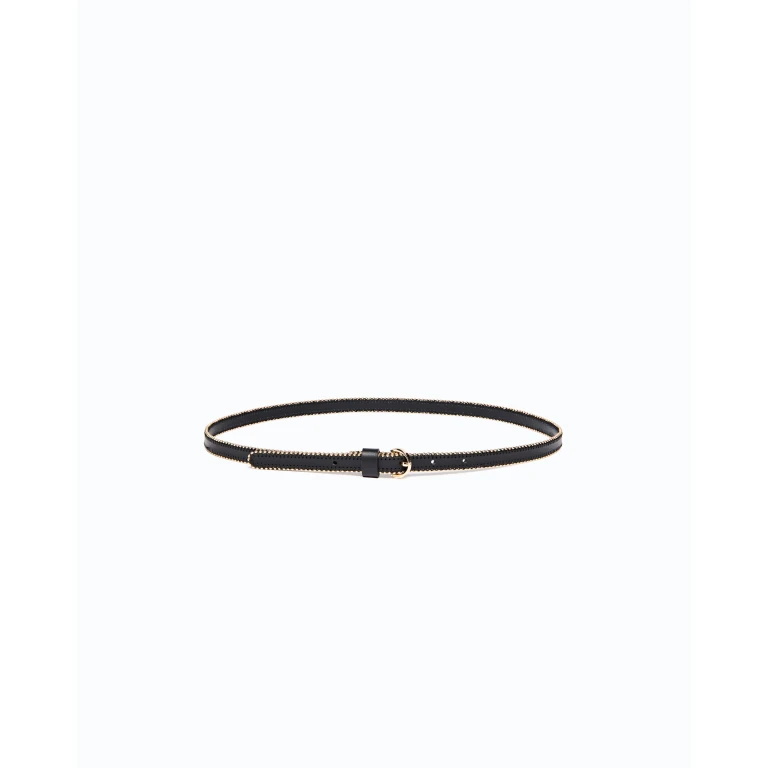
The width rule: dress belts vs casual belts at a glance
Start with the single idea that organizes everything else: as a belt gets narrower, it gets more formal.
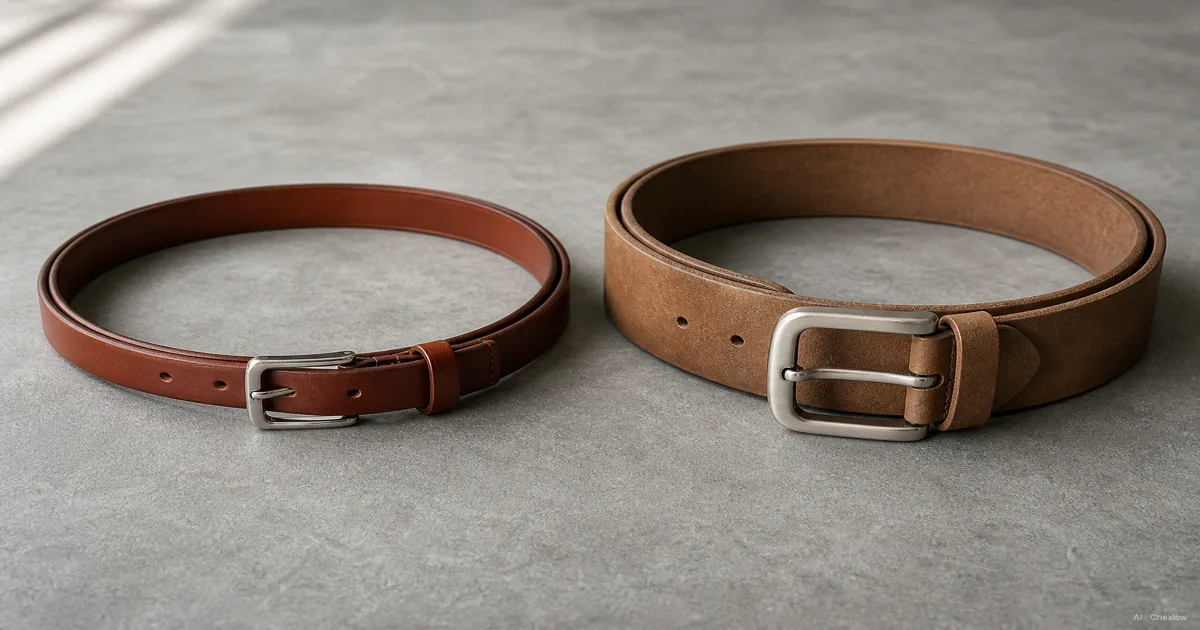
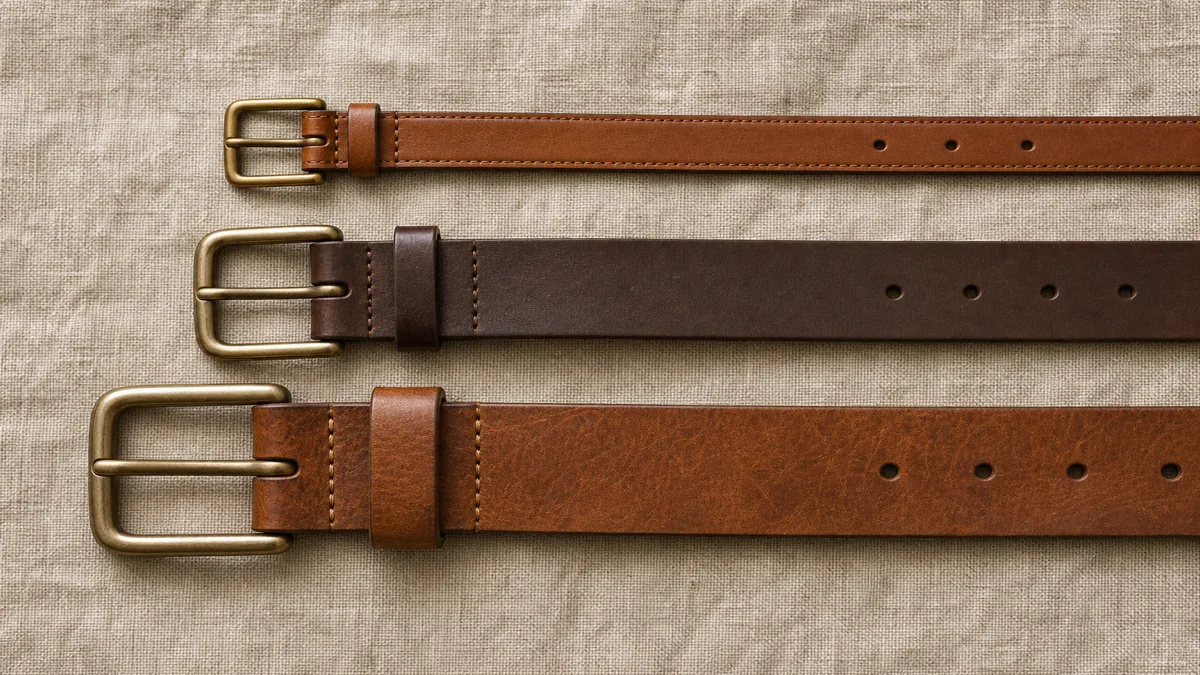
The dress standard sits at 1 to 1.25 inches, which is 25 to 32mm. That narrow strap, paired with a small flat buckle, lies quietly against a dress shirt and trouser. Drop the buckle down to a slim polished single-prong and a 1-inch belt is genuinely the most formal option on the rack, as both Beltley and Art of Manliness frame it.
The casual standard is 1.5 inches, or 38mm. It's wider, it's heavier, and it reads relaxed on purpose. This is the belt that belongs with jeans, chinos, and weekend trousers. Put that same 1.5-inch strap on a tailored suit and the proportions tip the whole outfit toward casual whether you wanted that or not.
So the practical takeaway is short. Going somewhere that asks you to look put together? Go narrower. Heading out in denim and a tee? Go wider. The number itself is just a stand-in for how much the belt is allowed to announce itself.
Belt loop sizing: why your trousers dictate the width
Here's the part that turns a style preference into a hard constraint. Your trousers already decided the width for you when they were sewn.
Dress trousers come with belt loops cut roughly 30 to 35mm wide, which is exactly why a 1 to 1.25 inch dress belt threads through them cleanly and lies flat. Jeans are built differently. Denim loops run around 38 to 42mm and are reinforced to hold a thicker, stiffer strap, which is why a 1.5-inch casual belt feels at home in them. Holdform's width guide lines these numbers up directly.
Force the wrong width and you feel it immediately. A 1.5-inch belt shoved through narrow dress loops bunches the fabric, tugs the loops out of line, and broadcasts "too casual" in a formal room. Beltley and Nimble Made both flag this as the single most common belt-proportion error, and it's the reason this topic exists.
Slim-fit and skinny jeans complicate it slightly, because they're often cut with 1-inch loops. A slimmer belt suits them. Pull the other direction and relaxed or wide-leg denim can carry a 1.75 to 2-inch strap for a more commanding look. The loop is always the honest measurement. Hold a candidate belt up to the loops before you trust the size on the label.
Beyond width: buckle, finish, and material differences
Width sets the baseline, but three more signals decide where a belt lands on the formality scale, and they stack on top of each other.
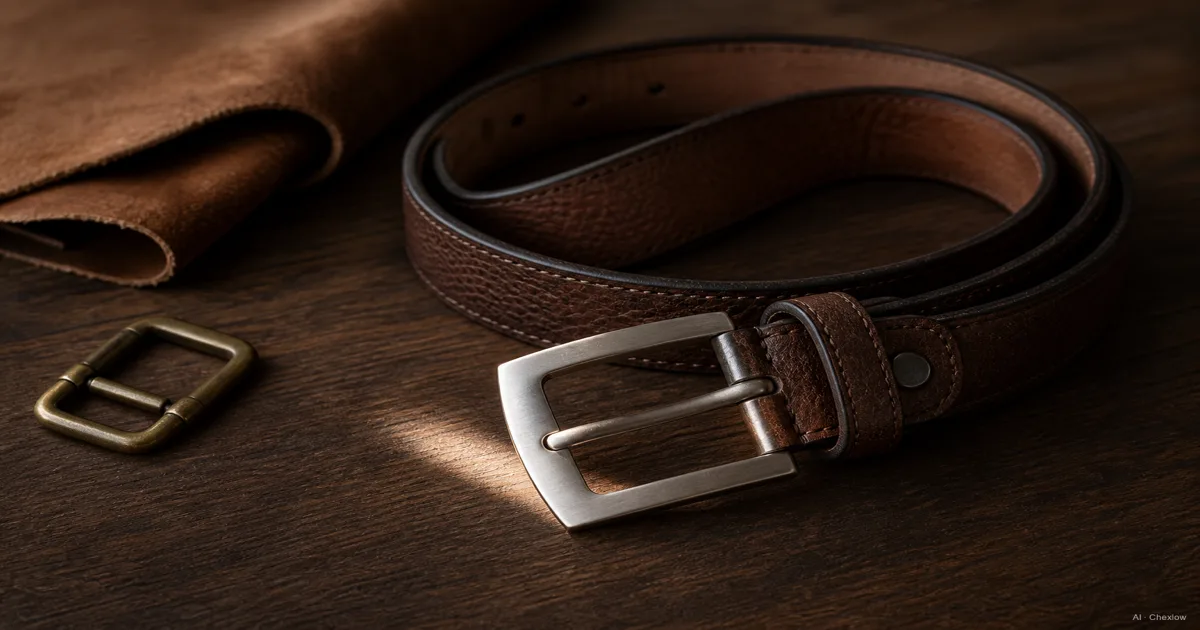
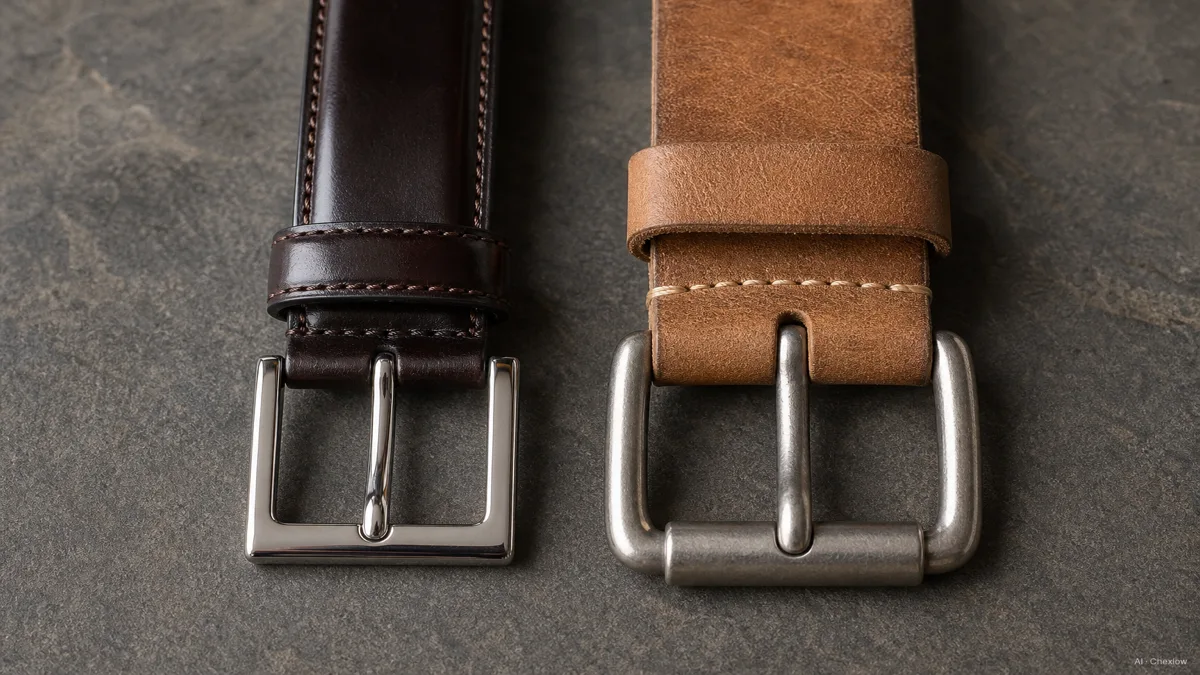
Buckle. A dress buckle stays small, flat, and polished, a single-prong frame in silver or gold that sits flush against the waistband and disappears. Casual buckles get to be chunkier, with matte finishes, roller mechanisms, double prongs, or a bit of decoration, a contrast Real Men Real Style and Hewore both lay out clearly.
Finish. This one does a lot of quiet work. Dress belts carry a high-gloss or polished surface that catches light like a dress shoe. Casual belts lean matte, distressed, or textured, finishes that look deliberately worn-in rather than buffed.
Material. Full-grain calfskin is the dress benchmark, soft and supple with a finish that takes a shine. Casual belts open the field wide, top-grain and genuine leather, but also canvas, nylon, and woven textiles. That range isn't only stylistic. The U.S. military switched belts from cotton canvas to nylon webbing in the 1960s purely for durability in the field, a reminder that material choice often starts with function, not fashion.
The versatile middle: when 1.38 inches covers both worlds
If you only want to buy one belt, there's a width built for exactly that compromise: 1.38 inches, or 35mm.
It's wide enough to look proportional in denim loops and narrow enough to thread through most dress trouser loops without bunching. Beltley calls it the most versatile single width for that reason, and it's a genuinely useful default for anyone who doesn't want a separate belt for every dress code.
The honest caveat is that a do-everything belt is a compromise, not a perfect answer at either end. For a black-tie wedding the 1.38 reads a touch wide, and against raw selvedge denim it can look slightly restrained. But for the broad middle, the dark jeans and a blazer kind of day, it's the one belt that never looks wrong.
There's also a longevity argument worth knowing. A quality full-grain belt around $120 that lasts fifteen years works out to roughly $8 a year. A $20 canvas belt replaced every eighteen months runs closer to $13 a year. Beltley's math makes the case that one well-chosen leather belt is the cheaper habit over time, not the expensive one.
Quick-reference chart: belt width by outfit and occasion
When the reasoning fades and you just need the number, here's the short version.
1 to 1.25 inch (25 to 32mm). The dress range. Suits, dress trousers, anything that asks you to look polished. Pair with a small flat polished buckle and full-grain leather. The 1-inch end is the most formal a belt gets.
1.38 inch (35mm). The versatile middle. The single belt that threads both dress loops and denim. Best pick if you're buying one belt to do most jobs.
1.5 inch (38mm). The casual standard. Jeans, chinos, weekend wear. Matte or textured finish, slightly larger buckle is fine. Reads relaxed by design.
1.75 to 2 inch (44 to 50mm). Statement casual. Wide-leg or relaxed denim, a more commanding presence. Too wide for dress loops, so keep it off tailored trousers.
Two combinations worth remembering from the middle ground. For smart casual, dark-wash jeans with a blazer and leather shoes, go thinner at 1.25 inches. For pure casual, light-wash jeans with a tee and sneakers, go thicker at 1.5 inches or more, a split both Beltley and Doshi describe.
Sources
- Beltley — Belt Width Guide: 1" vs 1.25" vs 1.5" by Outfit — width-by-outfit framework, formality-falls-as-width-rises rule, longevity cost math, smart-casual vs pure-casual split
- Beltley — Standard Belt Width in MM — millimeter standards, the 35mm most-versatile width, nylon webbing history
- Holdform — Belt Width Guide — belt loop dimensions for dress trousers vs denim, width-to-loop matching
- Art of Manliness — Complete Guide to Men's Belts — dress vs casual width standards, the most-formal 1-inch case
- Real Men Real Style — Man's Ultimate Guide to Belts — dress vs casual buckle distinctions, finish signals
- Hewore — Dress Belts vs Casual Belts — buckle, finish, and occasion differences