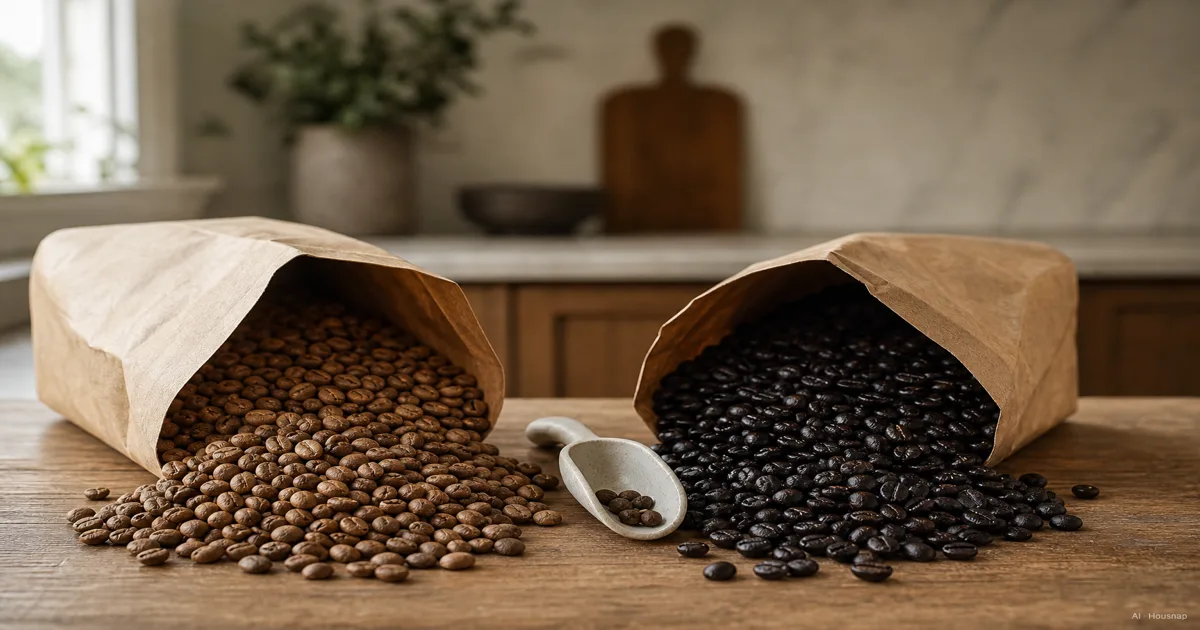
Choose the flavor you want to drink
Think of a coffee you enjoyed, rather than how strong you want the label to sound.
- Light roast. Start here if fruit or floral notes appeal to you. Those are common tendencies, not a promise for every bag.
- Dark roast. Start here if you prefer roasted, bittersweet flavors. It is also a common starting point for coffee with milk. Healthline explains these flavor tendencies.
- Undecided. Try medium roast as your reference point. It combines some acidity with a rounder, caramel-like profile, according to JavaPresse. Starting there is an editorial suggestion, not a rule for beginners.
Choose one direction before comparing bags. You do not need to buy both extremes to discover a preference.
Read beyond the roast name
One roaster's “dark” may differ from another's. “Espresso roast” is not a fixed roast level either, so read the flavor description alongside the name. The National Coffee Association explains the labeling differences.
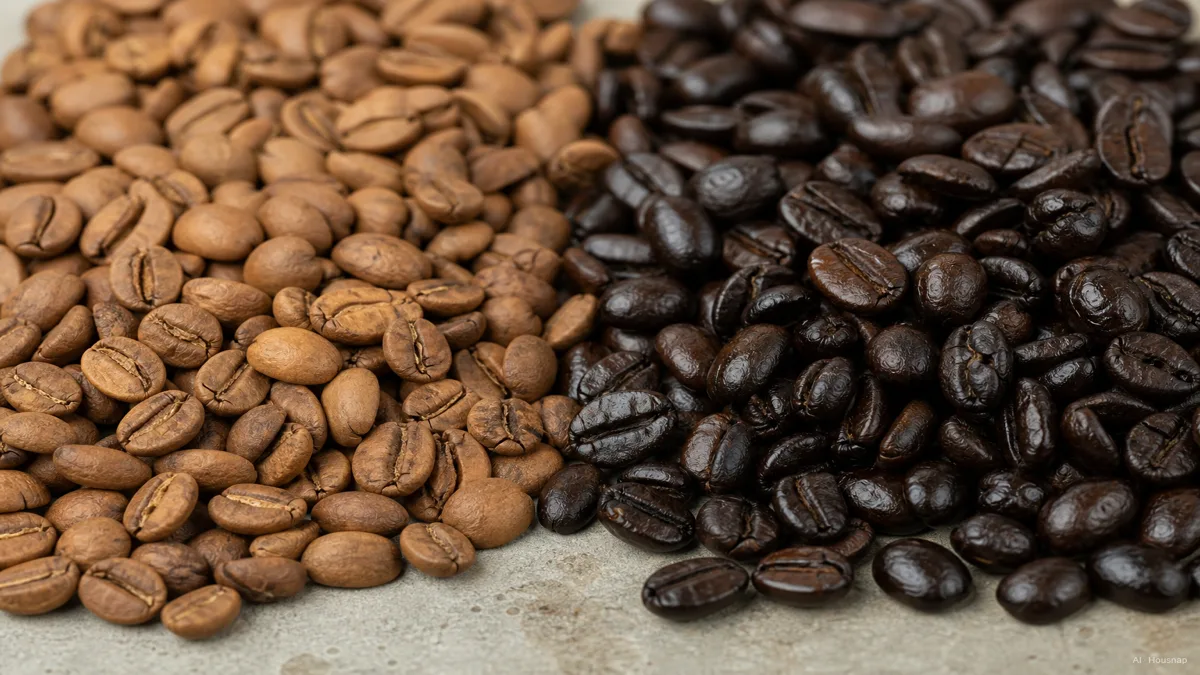
The illustration shows the surface contrast you may encounter. Oiliness is not a quality score; Breville explicitly cautions against that interpretation.
Before ordering, pick one flavor description you want and one you would rather avoid. If smoke sounds unappealing, do not choose a bag described as smoky just because it is dark roast.
Buy a bag you can actually prepare
Check whether you are ordering whole beans or ground coffee. Without a grinder, ask whether the seller can grind for your brewing method. If you want to grind at home, read the burr-versus-blade grinder comparison before choosing equipment.
Start with a small bag. The National Coffee Association recommends smaller purchases and grinding shortly before brewing. For a first purchase, a smaller commitment also leaves you free to change direction.
Write down the brewer you will use and whether you normally add milk. Ask the roaster for a starting recipe for that setup instead of buying a new brewer to match a roast label.
Compare by weight, then decide what to change
Equal scoops are not necessarily equal doses: beans vary in size and density. Stumptown explains why weighing helps.
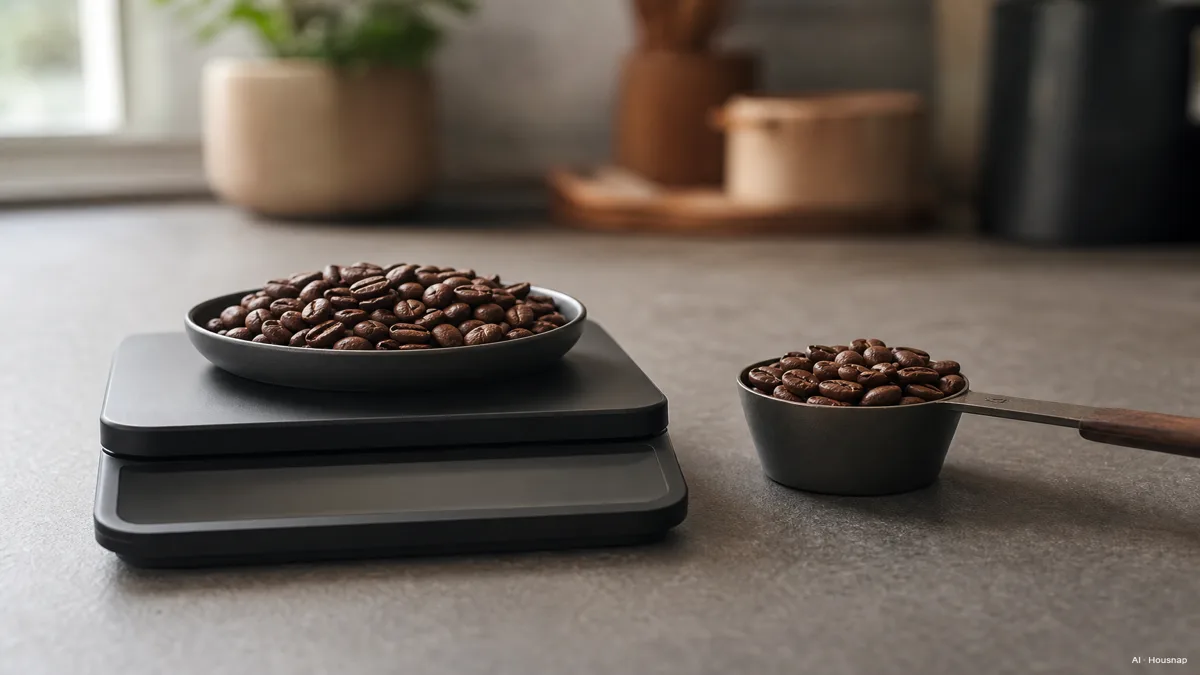
Use a scale you already own if it can measure your recipe's dose. If you need one, the kitchen-scale guide for coffee and baking explains the buying questions.
- Start with a recipe. Follow the roaster's starting recipe and note the coffee and water amounts.
- Record your preference. Note what you want to change: less tartness, less roasted bitterness or a different aroma.
- Adjust, then choose again. Before rejecting the bag, ask about a recipe adjustment. On your next purchase, use that note to request a different flavor profile.
Keep caffeine separate from this taste comparison. Dose, brewing and bean type affect it; a darker flavor is not a reliable caffeine measure. Stumptown's caffeine guidance makes that distinction. Matching grams helps compare recipes, but it does not certify identical caffeine in two cups.
Come è stata costruita questa guida
Written by Chexlow's AI editor using the National Coffee Association, JavaPresse, Breville, Stumptown and Healthline sources linked in the article. The scope is choosing and comparing a first bag; the suggested buying sequence is editorial guidance based on those public sources.
Curato dal team Chexlow · Le immagini sono illustrazioni generate dall’IA