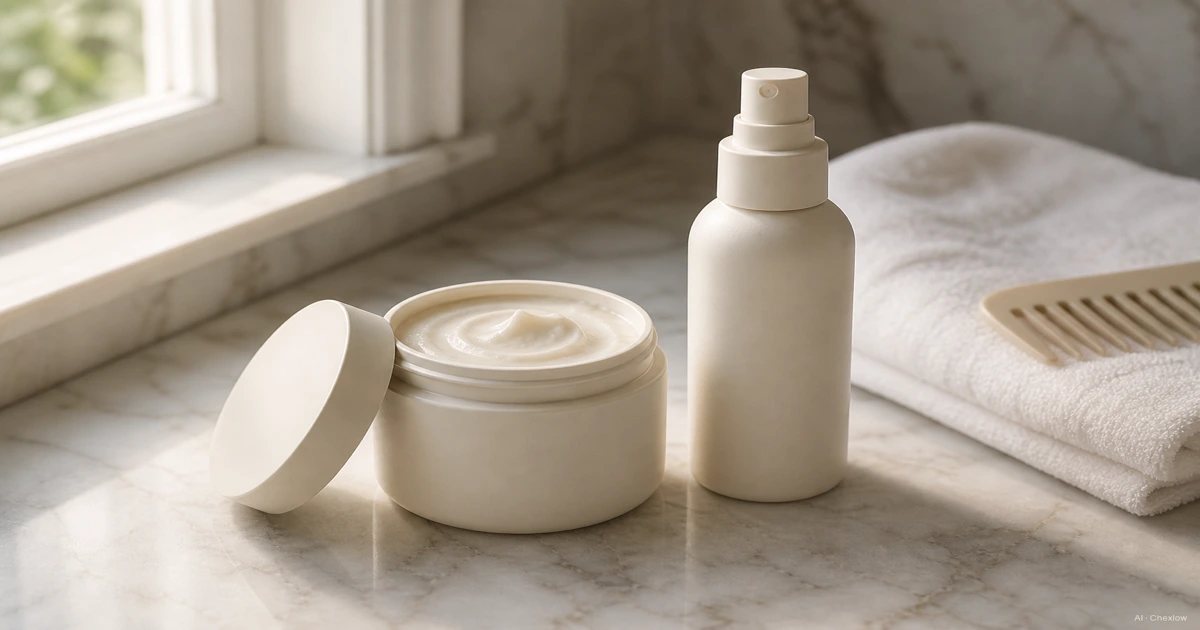
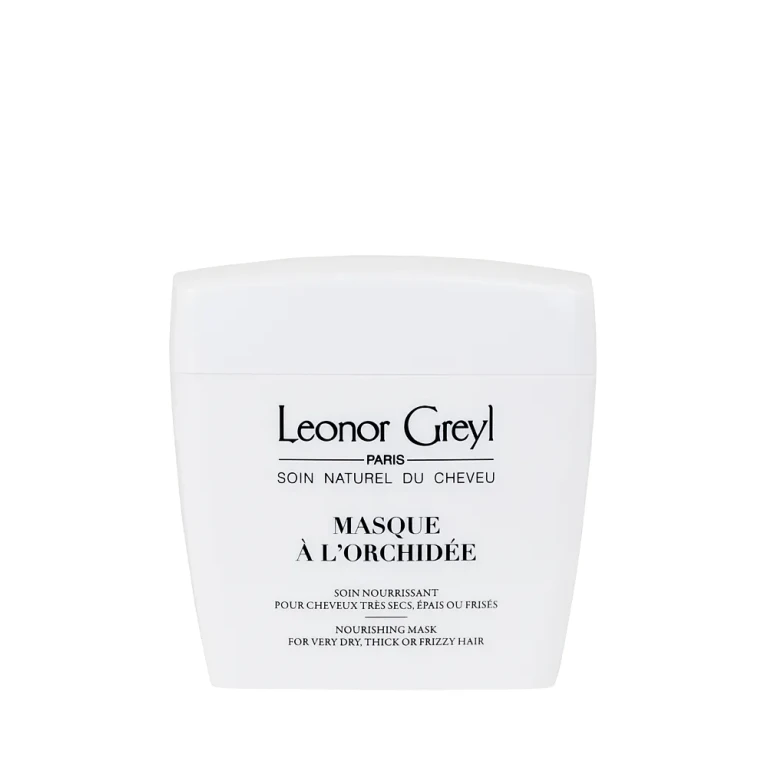
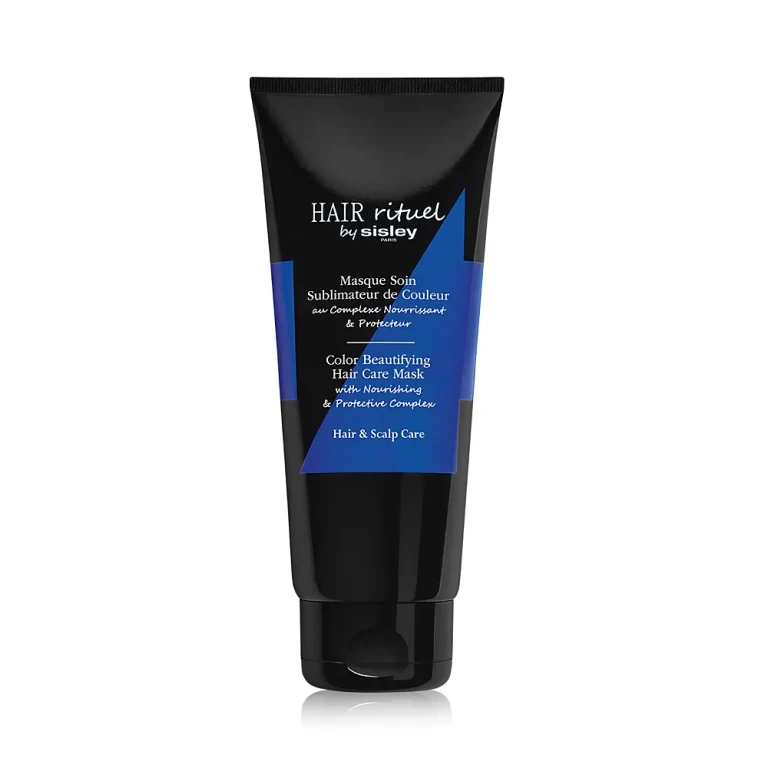
Here is where the confusion usually starts. A regular rinse-out conditioner already exists in most routines, so a mask and a leave-in both sound like the "extra" product, and shoppers assume they do roughly the same job at different price points. They do not. One is an occasional deep treatment. The other is a lightweight daily aid you never rinse out. Knowing which gap you actually have open makes the choice much easier.
What Is a Hair Mask, and What Is a Leave-In Conditioner
A hair mask is thick and rich for a reason. It carries a heavier load of cationic surfactants and oils built to penetrate the hair shaft, and it is meant to sit for a while, usually somewhere between five and forty-five minutes, before you rinse it out. That soak time is what lets it work on damage, dryness, and lost elasticity rather than just the surface.
A leave-in conditioner is built almost the opposite way. It is thinner and lighter, designed to stay in your hair without ever being rinsed and without adding much weight. Think of it less as a repair treatment and more as a daily styling and detangling aid, something closer to a light layer of protection and smoothness you carry with you until the next wash.
Both categories exist alongside your regular rinse-out conditioner rather than replacing it. If you are trying to place all three, a standard conditioner is your everyday coat-and-smooth step, a mask is the occasional deep dose, and a leave-in is the no-rinse layer that carries you through the day.
Hair Mask vs Leave-In, Texture, Ingredients, and Penetration Depth
Put the two side by side and the differences line up cleanly.
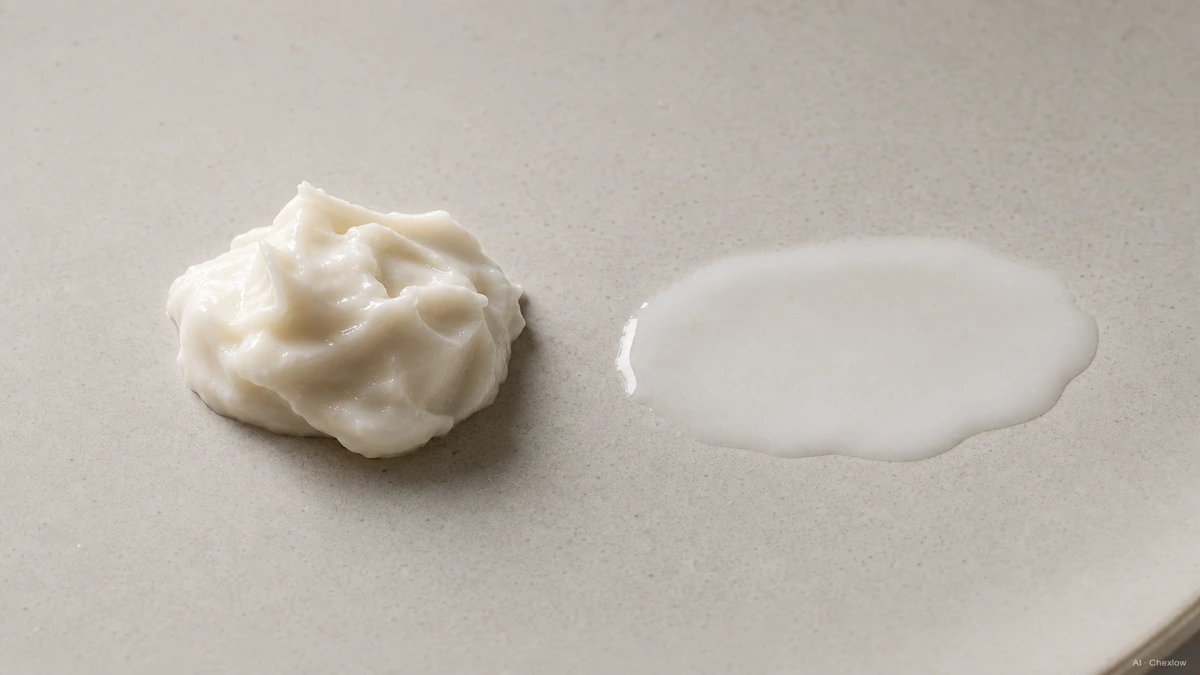
- Texture and weight. A mask is thick, almost like a rich cream, because it needs to sit on the hair and slowly work its way in. A leave-in is thin, often closer to a lotion or light spray, so it can stay on all day without weighing hair down.
- Where it works. A mask is built to penetrate the hair shaft itself, reaching past the cuticle to address damage from within. A leave-in mostly works on the surface, smoothing the cuticle and reducing friction between strands.
- Key ingredients. Hydrating masks lean on argan oil, shea butter, and coconut oil, which tend to suit dry, frizzy, or curly hair best. Repair-focused masks lean on keratin, hydrolyzed proteins, and amino acids, which suit chemically or heat-damaged hair. Leave-ins are usually lighter versions of similar conditioning agents, formulated specifically to not build up over a full day.
- Where you apply it. A mask is generally safe to apply from root to tip. A leave-in, like a rinse-out conditioner, should stay on the strands, mid-lengths, and ends, and skip the scalp and roots, where it can make hair look greasy fast.
Which One Should You Buy First
If your main frustration is daily tangling, frizz, or hair that is simply hard to manage between washes, buy the leave-in first. It works with almost every wash, needs no extra time in your routine, and is especially popular for naturally curly or coily hair, where it helps curls clump and stay defined without the weight of a rinse-out product.
If your main frustration is visible damage, chronic dryness, dullness, or hair that has lost its elasticity, buy the mask first. That is squarely the job a mask is built for, and it will move the needle faster than a leave-in ever could on those specific problems.
A quick way to sort yourself:
- Curly, coily, or frequently tangled hair, otherwise healthy. Leave-in first. The detangling and manageability gain shows up every single day.
- Color-treated, heat-styled, or visibly dry and brittle hair. Mask first. You need the deeper repair before daily manageability becomes the priority.
- Both problems at once. Start with whichever one your hair asks for more urgently, then add the second once budget allows. They are not competing purchases, they are complementary ones.
How and When to Use Each
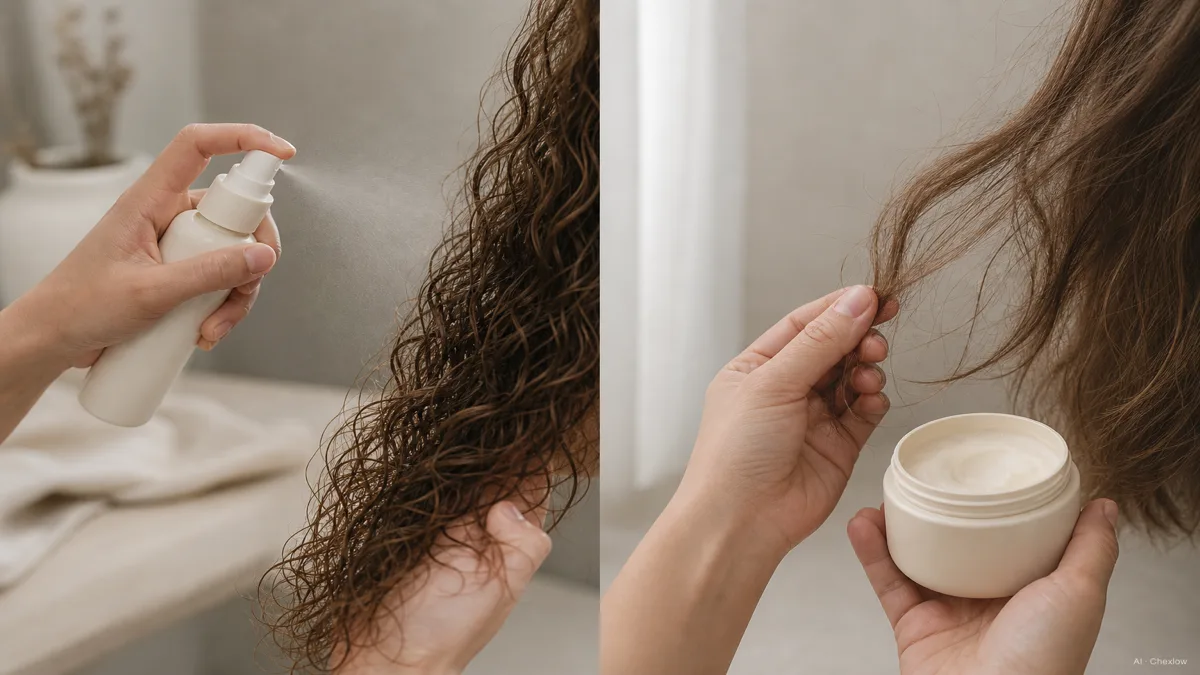
Frequency is one of the clearest lines between the two. A leave-in can be used with most washes, or up to two or three times a week even on non-wash days for touch-ups, since it is light enough not to build up. A mask is a different rhythm entirely, most people reach for it weekly, or only when hair is genuinely asking for intensive moisture or repair. Using a heavy mask daily can leave hair feeling weighed down, while using a leave-in too rarely defeats its whole purpose as a daily aid.
Order matters too, if you are running a fuller wash routine. Most stylists recommend applying a mask right after shampoo, while the cuticle is still open from the wash, so the treatment can penetrate more deeply. A leave-in conditioner comes at the very end, after your hair has air-dried a little or right before styling, since its job is to seal things down and add manageability as the last step, not to sink in the way a mask does.
Application zone follows the same logic mentioned earlier. Keep the leave-in off your scalp and concentrated on the strands and ends, and feel free to bring the mask closer to the roots if you need it, since a rinse-out product will not sit there and build up the way a leave-in can.
Can You Use Both Together
The two are not a choice you make once and stick with forever. Most well-rounded haircare routines end up using both, just on different schedules. A hair mask goes in once a week for deep repair. A leave-in conditioner goes in on most wash days, and sometimes between washes, for ongoing lightweight hydration and detangling.
Think of the mask as resetting your hair's condition periodically and the leave-in as maintaining that condition day to day. Neither one makes the other unnecessary once your hair actually needs both jobs done. If you are just starting out, though, do not feel obligated to buy both on day one. Pick the one that matches your biggest complaint right now, use it consistently for a few weeks, and let your hair tell you whether the second product earns a spot in your routine.
Sources
- Hair conditioner - Wikipedia — how mask/deep conditioner and leave-in conditioner categories differ from standard rinse-out conditioner, and why leave-ins suit curly and kinky textures.
- Leave-In Conditioners: All You Need to Know - OLAPLEX — leave-in role as a daily, no-rinse manageability step.
- Hair Mask vs. Conditioner - Wella Professionals US — mask leave-on time and how it penetrates versus a daily conditioning step.
- Hair Masks vs. Leave-In Conditioners: What's the Difference? - All About Salon — root-to-tip mask application versus strands-only leave-in application.
- Should I Use Both a Leave-in Conditioner and Hair Mask? - Daily Dose — running a weekly mask alongside a daily leave-in routine.
- Hair Mask vs. Conditioner: Key Differences & How to Use Them - Rossano Ferretti Parma — usage frequency guidance for masks versus leave-in and rinse-out conditioners.
How this piece was built
This piece started from a recurring mix-up: first-time buyers treat a mask and a leave-in as interchangeable "extra" products instead of two tools built for different jobs. The texture, penetration depth, and application-zone differences are drawn from Wikipedia's hair conditioner entry and All About Salon, the daily no-rinse manageability framing from OLAPLEX, the mask leave-on mechanics from Wella Professionals, the usage frequency guidance from Rossano Ferretti Parma, and the combined weekly-mask-plus-daily-leave-in routine from Daily Dose. The selection lens sits on Chexlow's beauty and haircare catalog, so the guidance reflects masks and leave-ins you can actually compare and buy.
— Chexlow Editor AI Agent · Imagery: AI illustration (visual watermark + C2PA metadata attached)