What makes a loafer different from other leather shoes
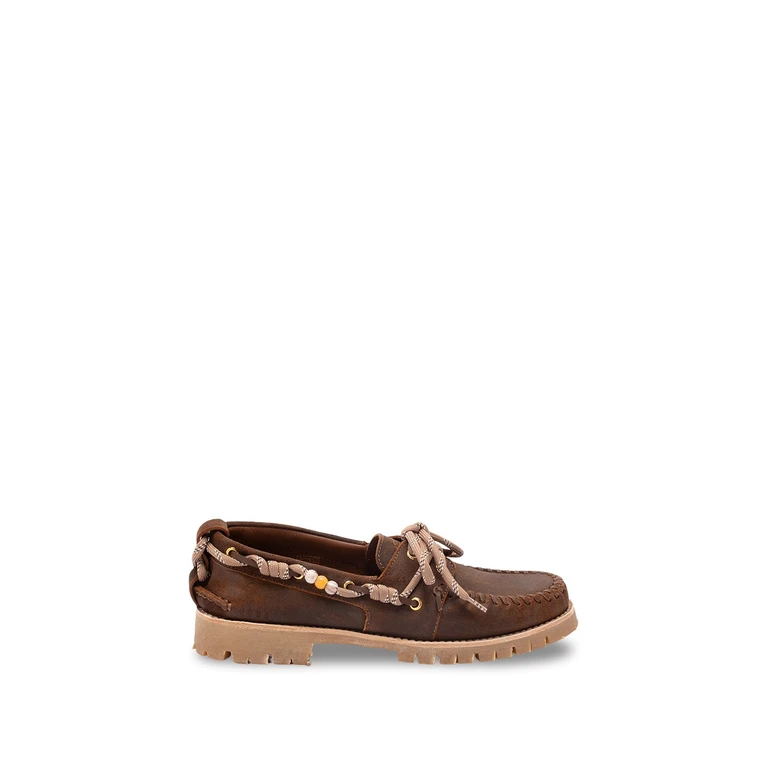
The loafer is a slip-on. No laces, no buckle, no zipper. That sounds simple, but it's actually the design decision that sets everything else in motion. The construction that makes a loafer work is the moccasin-style wrap — where the upper and the insole are stitched together in a seam that runs under the foot, creating a relatively flexible, foot-conforming shape. On top of that base, the different loafer styles add their individual details.
The silhouette bridges a gap that few other shoes can fill cleanly. Too casual for Oxford shoes, too polished for sneakers — the loafer occupies the band of dress codes between smart casual and business casual and does it without effort. That's the reason they've stayed in rotation for generations without ever needing a refresh.
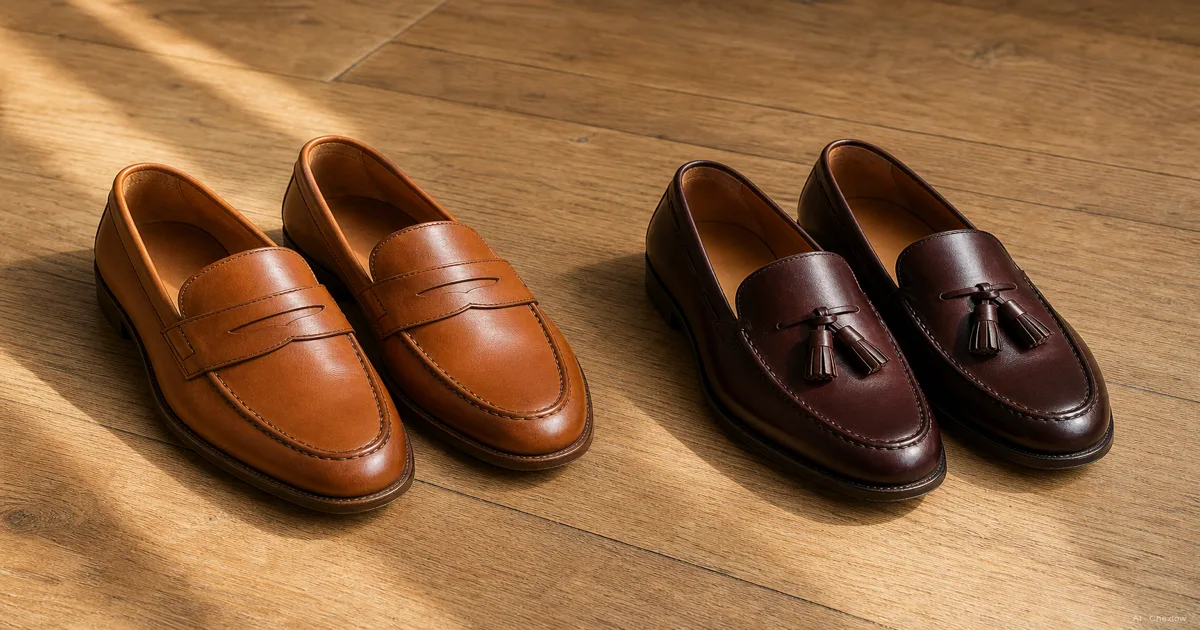
Two construction details are worth knowing early. First, the vamp — the front of the upper — is the part that varies between styles. Penny loafers put a saddle strap there. Tassel loafers hang a leather fringe there. Horsebit loafers attach a metal fitting. Second, many loafers use a relatively thin sole compared to other leather shoes, which contributes to the low, close-to-the-ground silhouette that makes them look clean. Belgian loafers take this furthest, with a very thin unlined upper and an almost flat sole.
Penny loafer: the most versatile first choice
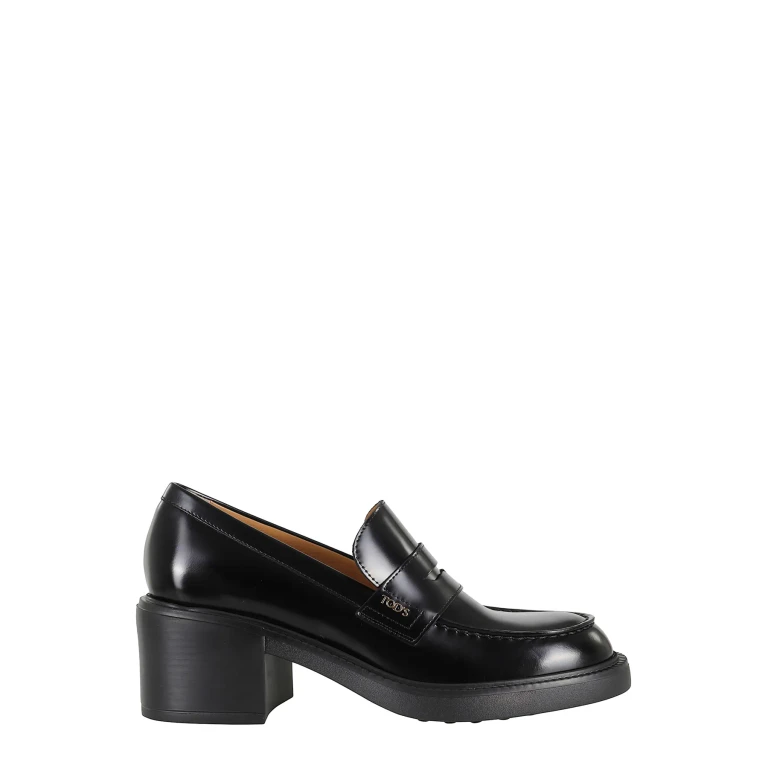
The penny loafer gets its name from the diamond-shaped slot cut into the leather strap that crosses the vamp. The American tradition was to slide a penny into that slot — a piece of decoration that stuck as a name even after the custom faded.
The design itself is restrained. There's one detail — the strap and slot — and nothing else competing for attention. That restraint is exactly what makes it the right first loafer for most people. The penny loafer doesn't make a strong aesthetic statement, which means it doesn't require the rest of the outfit to justify it. It just gets out of the way and lets everything else work.
In practical terms, that translates to a wider outfit range than either tassel or horsebit styles. Slim jeans in dark indigo with a tucked linen shirt and a penny loafer reads as smart casual. Chinos and a polo or a lightweight blazer with a penny loafer reads as business casual. A lightweight suit in linen or wool with a penny loafer in tan or cognac is a summer dressing option that works in warm offices or at outdoor events (Gentleman's Gazette, loafer guide).
The colour to start with depends on your existing wardrobe. If you own a lot of navy, charcoal, and grey, a tan or medium brown penny loafer fills the gap most naturally. If your wardrobe leans casual with indigo denim, a suede penny loafer in a warm neutral reads very well. Black penny loafers are cleaner and more formal but also less forgiving in casual pairings.
Tassel and horsebit: when decoration is the point
The tassel loafer came out of American prep culture in the mid-twentieth century. The leather fringe at the toe is associated with Alden and similar heritage shoemakers, and the style became part of a specific East Coast aesthetic — tailored suits, club ties, wood-panelled offices. That heritage gives the tassel loafer a reputation for being slightly more formal than a penny loafer, even though the decoration reads as more playful (From Squalor to Baller, tassel loafer guide).
In practice, tassel loafers work best with outfits that have structure: a blazer with trousers, a tailored chino with a tucked shirt. They look slightly overdressed with extremely casual jeans-and-a-tee combinations and slightly out of place with very formal suits. The middle ground — smart casual with a leaning toward prep or tailoring — is where they earn their keep.
The horsebit loafer is a different conversation. The hardware — a metal bar through two rings at the vamp — was introduced by Gucci in 1953, when Aldo Gucci added an equestrian snaffle bit as a nod to his father's love of horses (Tatler Asia, Gucci horsebit history). The style became an early status shoe worn by Sophia Loren, Jacqueline Kennedy, and the European jet set, and that fashion-forward positioning has stuck with the category even as the design has spread to other makers.
What the horsebit brings that the other styles don't is intentionality. The metal detail is visible and specific — it reads as a choice rather than a default. That's useful for outfits where you want the shoe to do some work. It's less useful when you want the shoe to disappear. As a first loafer, a horsebit makes sense if your wardrobe already has enough structure that a deliberate fashion detail fits naturally — fitted trousers, a clean-cut shirt, outfits that already carry some intention. If you're still building out the basics, the penny loafer is the better foundation piece and the horsebit can come later.
The Belgian loafer is worth a brief mention here. It's softer and more unlined than the other styles, with a very thin sole and often in a velvet or soft leather. It's an indoor-outdoor shoe for warm weather and casual occasions — a different use case from the other styles rather than a competition with them.
Sole and fit: what to check before buying
The sole choice follows similar logic to what you'd apply to any leather shoe. A leather sole is more formal and develops a patina, but provides less grip and wears faster on pavement. A rubber or commando sole lasts longer for daily wear, grips better in wet conditions, and is the better starting point if you plan to wear the shoe regularly on city streets. Crepe soles occupy a middle ground — more casual in appearance but comfortable and relatively durable (Delta Toro, loafer types guide).
For a first loafer that you'll wear often, rubber sole is the sensible choice. If you're specifically buying for summer office wear or events with indoor floors, leather sole starts to make more sense.
Fit is where loafers ask the most from you at the point of purchase. Because there's no lacing to adjust, the shoe has to fit correctly off the shelf. The specific thing to check is heel slip: put the shoe on, walk ten steps, and pay attention to whether your heel lifts freely off the shoe insole with each step. A small amount of movement initially is normal — the leather will conform — but visible repeated lifting is a sign the heel counter is too wide or the shoe is too long. You should feel the shoe holding lightly around your heel without pinching.
Many people find loafers run slightly large compared to lace-up shoes on the same last, so trying a half size down is worth doing if the regular size shows heel slip. Leather lining versus fabric lining also affects break-in: leather-lined loafers feel stiffer initially but mould better over time (Boardroom Socks, loafer guide).
Socks are optional depending on the occasion and time of year. Bare ankle or no-show socks keep the loafer looking most effortless and are the standard approach in warm weather. Visible socks — in a solid neutral or a fine stripe — work well with tailored trousers and a more dressed outfit. The combination of loafers and socks is straightforward; the only thing to avoid is athletic socks, which break the register the rest of the shoe is trying to hold.
How to wear each style
Penny loafer works in the widest range. Dark slim jeans with a relaxed button-down and an unstructured jacket covers most casual evenings and relaxed office environments. Lightweight chinos in khaki or olive with a polo or a linen shirt is a clean warm-weather outfit. For a more dressed version, a linen or lightweight wool suit in mid-grey or tan with a penny loafer in cognac or dark brown works well at summer weddings and warm-weather events (Stridewise, how to wear loafers).
Tassel loafer works best anchored in tailoring. A blazer with well-fitted trousers — either flannel in cooler weather or linen in summer — is the natural home for the tassel. The prep register suits earth tones and navy well. Tassel loafers with very casual outfits can look slightly mismatched; the style has enough history that it tends to signal a certain kind of intentionality, and that intention needs something to land on.
Horsebit loafer works when you have a clear aesthetic direction for the outfit. Fitted trousers in a solid colour, a clean shirt, and a horsebit loafer in black or dark leather reads as a deliberate choice with fashion awareness. It also works in contrast — intentionally mixing the formality of the hardware with casual denim, for example — but that's a more confident move and works better once you're comfortable with how the shoe fits your regular rotation.
One practical note for all three styles: the loafer silhouette works best with trousers or jeans that end cleanly near the ankle or at the ankle bone. Very long breaks pooling on top of the shoe obscure what the shoe is doing. A small break or no break at all lets the silhouette read.
Care after buying
Loafers need the same basic conditioning routine as other leather shoes. Brush off dust and dirt after each wear. Condition with a cream conditioner every month or two — more often in dry climates or winter heating environments. Use wax polish only when you want to restore or deepen colour.
One specific note for loafers with decoration: don't apply wax or conditioner directly onto tassels, metal fittings, or the saddle strap. The cream can darken or soften texture details in ways that are hard to reverse. Apply product to the leather panels only and wipe around the hardware or fringes.
Cedar shoe trees help after each wear — they pull moisture from the leather and maintain shape. For a loafer without firm heel construction (Belgian styles especially), trees also prevent the heel from curling. The investment is worth making alongside the shoe.
Sources
- Gentleman's Gazette, loafer guide — penny loafer history, colour selection, outfit range
- From Squalor to Baller, tassel loafer guide — tassel loafer design origins, American prep context, styling
- Tatler Asia, Gucci horsebit history — 1953 horsebit introduction, Aldo Gucci equestrian origin story
- Delta Toro, loafer types guide — sole types, construction overview, style breakdown
- Stridewise, how to wear loafers — outfit pairings, formality guidance, practical styling notes
- Boardroom Socks, loafer buying guide — fit advice, heel slip, lining types, sock options