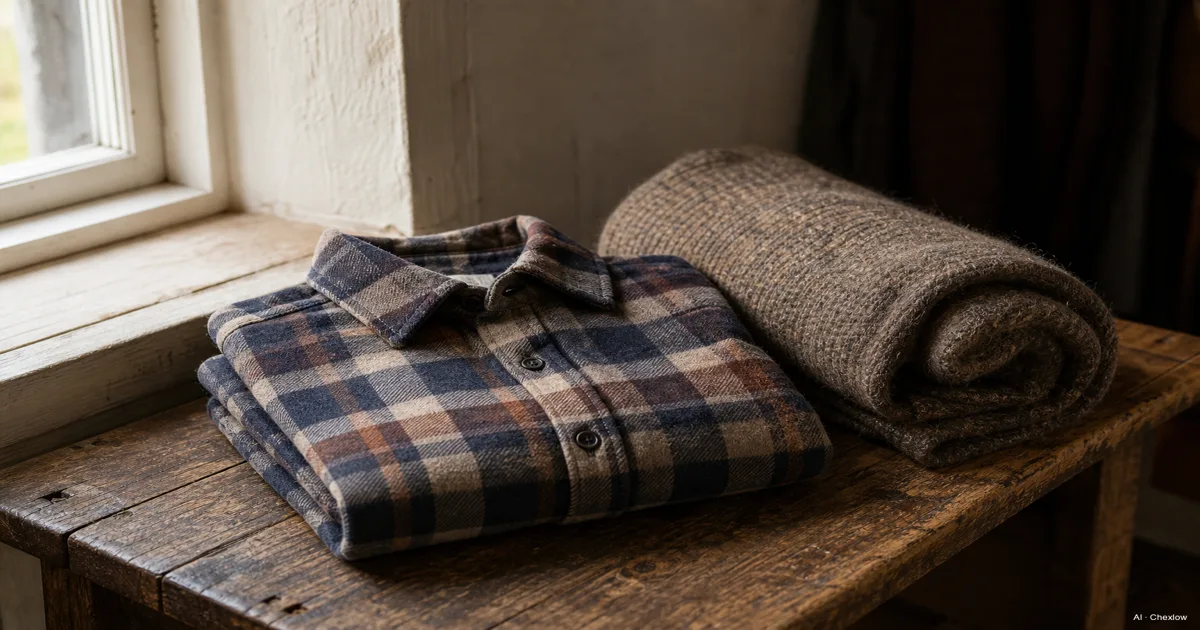
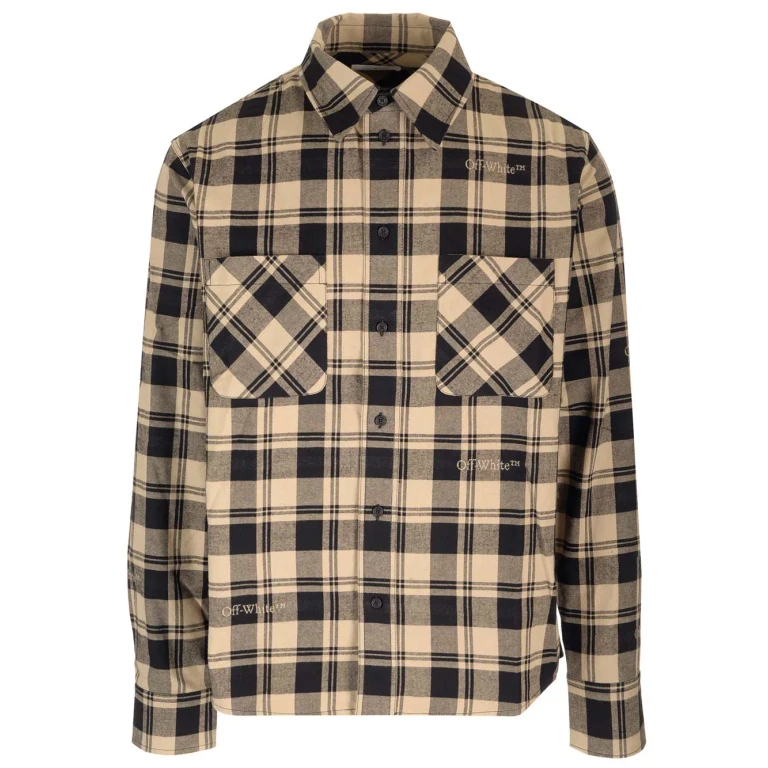
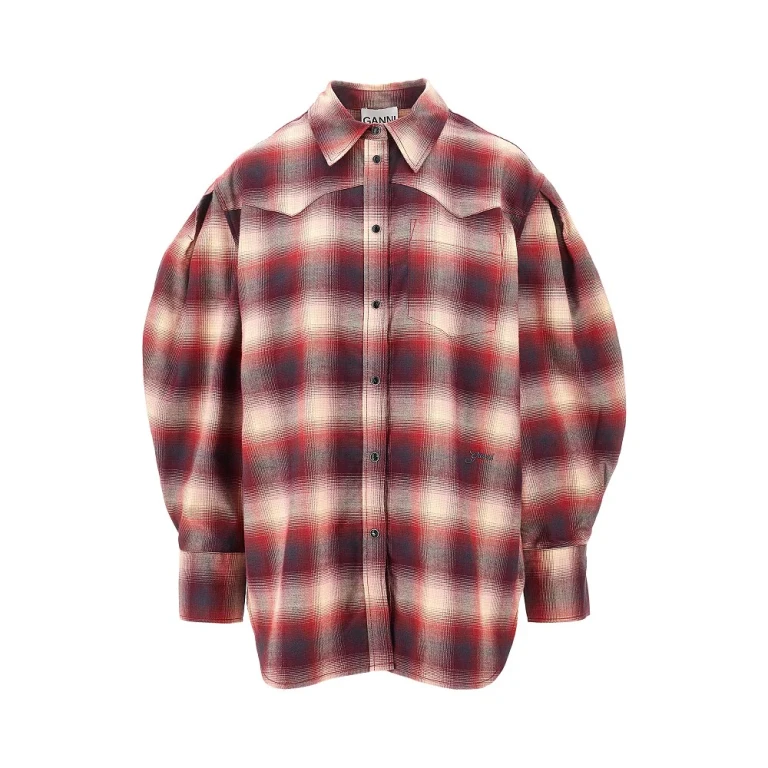
Type "flannel shirt" into search and every thumbnail shows roughly the same red-and-black plaid. Open a few listings and a different problem appears: the spec sheet throws out numbers and words that don't mean much on their own, 5.5 oz, 170 GSM, double-brushed, twill weave, cotton-wool blend. None of it says whether the shirt in the photo will actually feel warm, survive a few winters, or go thin and pilly after one wash.
That gap between the photo and the fabric is why a first flannel purchase feels riskier than it should. The good news is that four things decide almost everything about how a flannel shirt feels and wears: the fiber, the weight, how it was brushed, and the weave hiding underneath the fuzz. None of them require reading a mill spec sheet once they're explained.
What flannel actually is, and where the name comes from
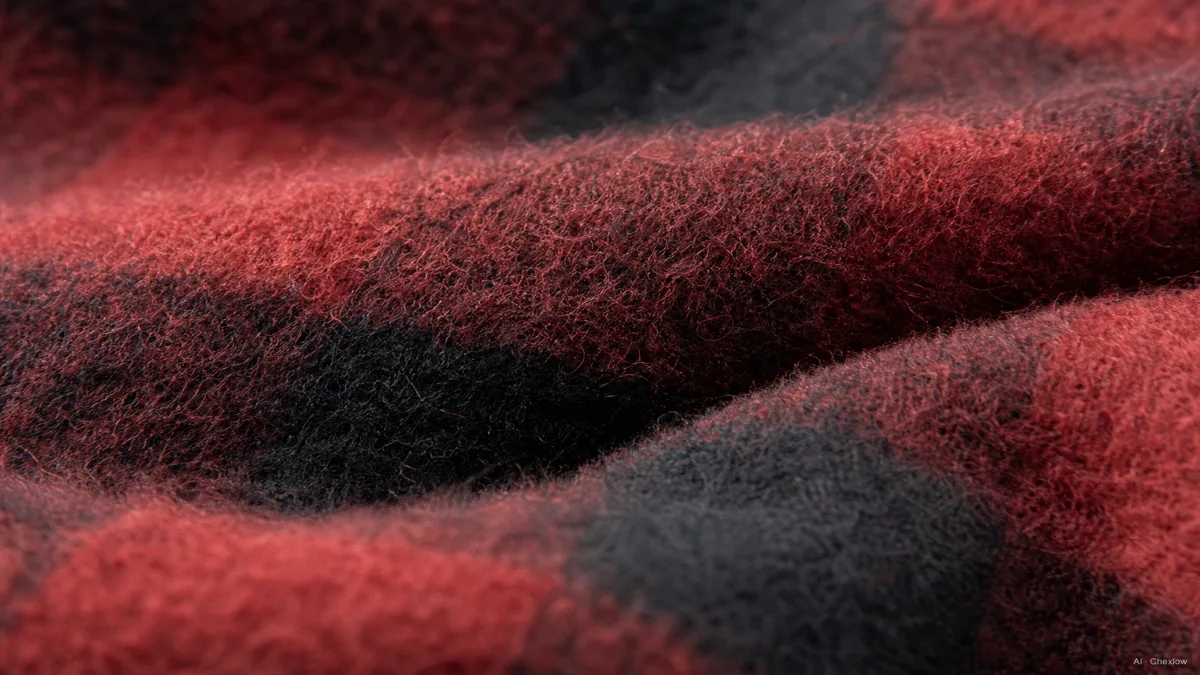
Flannel isn't a fiber. It's a finishing process. The fabric is woven first, in a twill or plain construction, then run through a napping machine that brushes the surface with fine wire teeth to raise a layer of loose fiber ends. That first napping pass happens before the fabric is bleached or dyed; a second pass comes after, which is why finished flannel has that even, soft fuzz on both faces (Wikipedia, Flannel; Sewport, What is Flannel Fabric).
The name gives away where this started. "Flannel" likely comes from the Welsh word gwlanen, meaning wool, by way of an older English form, flannen. The fabric traces back to 17th-century Wales, where wool mills turned surplus sheep fleece into a warm, moisture-wicking cloth so tied to the region that English buyers once called it "Welsh cotton," despite it being wool through and through (Wikipedia, Flannel; Heddels, All About Flannel).
That wool-only history matters less today. Modern flannel is made from cotton, wool, synthetic fiber, or blends of cotton with wool or cashmere, and the base fiber changes what the shirt is actually good for (Wikipedia, Flannel; Britannica, Flannel).
Cotton flannel vs wool flannel, picking the right base
Once you know the fiber isn't fixed, the first real decision is cotton or wool.
Cotton flannel is lighter, breathes better, and works across a wider temperature range, spring mornings, an air-conditioned office, a jacket liner in fall. It's also the easier fabric to wash and wear hard.
Wool flannel trades some of that range for warmth. It holds heat better, insulates in genuinely cold weather, and drapes with more weight and structure than cotton ever will. That's also why wool flannel shows up more in trousers and tailoring than in everyday shirts, and why it's generally reserved for cold-weather pieces rather than something worn from March through November (Sewport, What is Flannel Fabric; Britannica, Flannel).
For a first flannel shirt, cotton is the safer, more versatile buy. Save wool flannel for a second piece once you already know how often you actually reach for the first one.
Flannel weight, lightweight, mid-weight, and heavyweight
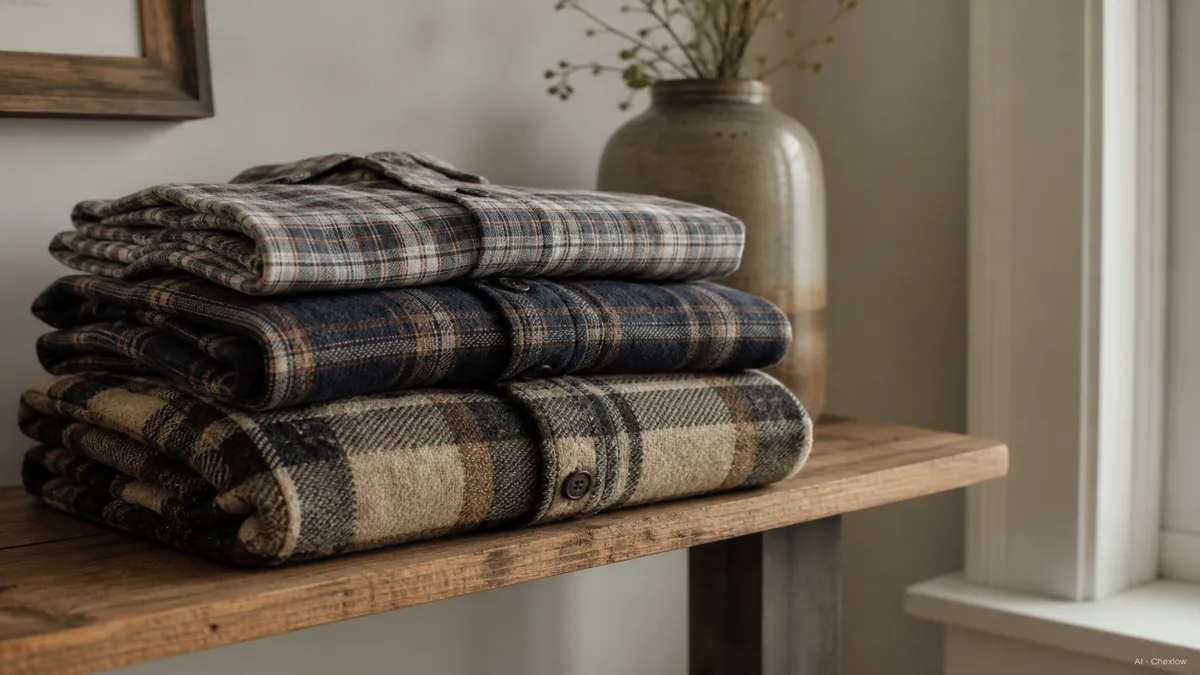
This is the number that matters most and gets explained least. Flannel weight is measured in ounces per square yard or grams per square meter (GSM), and the range is wide enough that "flannel shirt" can mean three very different garments.
- Lightweight, roughly 120 to 140 GSM (3 to 5 oz). Thin enough for a spring or summer shirt, or a flannel-lined blouse. Not much insulation on its own.
- Mid-weight, roughly 150 to 170 GSM. The classic plaid-shirt range. Warm enough to wear alone on a cool day and to layer under a jacket when it drops further.
- Heavyweight, 200 GSM and up (7 oz and up). Built for shackets, the shirt-jacket hybrids meant to work as outerwear on their own (Flannel Weight Guide, fabric-supplier.com).
As a rough quality floor, a cotton flannel under about 5 oz per square yard reads as thin no matter how nice the plaid looks, and anything above roughly 6.5 oz starts to feel like a shirt that will actually survive a winter of wear (Flannel Weight Guide, fabric-supplier.com).
Heavier generally means more durability, more warmth, and more resistance to wear. Lighter means better breathability and an easier shirt to layer or move around in. Neither is the "correct" choice, it depends on whether you're buying a daily layering piece or something to wear on its own through the cold months.
Weave and napping, twill vs plain, single- vs double-brushed
Underneath the fuzz, flannel is woven in one of two structures. Twill weave produces a visible diagonal rib and is generally denser and more hard-wearing. Plain weave is simpler, threads crossing over and under in a basic grid, and it wears a bit thinner over time. Once the napping machine does its job, this weave difference is mostly hidden. You feel it more than see it, twill flannel tends to have a slightly firmer hand under the softness (Sewport, What is Flannel Fabric; PimaCott, Cotton Weave Types).
Brushing intensity is a separate lever from weight, and buyers often confuse the two. A shirt can be double-brushed, napped on both sides, or single-brushed, napped on one. At the same GSM, double-brushed flannel feels noticeably thicker and warmer than single-brushed, because there's simply more raised fiber trapping air near the skin. A lightweight double-brushed flannel can feel as cozy as a heavier single-brushed one, which is why weight alone never tells the whole story.
How to judge quality before you buy, weight, brushing, stitching
Put the fiber, weight, and brushing together and you get a short checklist that works on almost any listing:
- Check the weight number. If it's listed in oz or GSM, use the tiers above. If it isn't listed at all, that omission is itself a signal, sellers of a genuinely heavy flannel tend to advertise the number.
- Look for "double-brushed" or "double-napped" in the description. It's worth calling out because it changes hand-feel more than fiber content does.
- Check the seams, not just the plaid. A flannel shirt gets pulled at the cuffs and across the shoulders more than most shirts, so felled or reinforced seams at the yoke and cuffs are worth a closer look in the product photos.
- Match the fiber to the use. Cotton for range and easy care, wool for real cold and a heavier drape, a cotton-cashmere blend if you want wool's softness without full wool care.
Choosing a fit, classic, slim, or shacket

Fit follows weight almost automatically. Classic and slim cuts run through the lightweight and mid-weight range and behave like any other button-up, classic for room to layer a base layer underneath, slim for a shirt worn on its own. Heavier flannel is a different case. Brands cut their heaviest flannels roomier on purpose, because a 200-plus GSM shirt is meant to go over a t-shirt or thermal, not against skin the way a lightweight cotton flannel is (MuskOx, Flannel Fit Guide).
That's also where the shacket sits. A shacket is a heavyweight flannel cut with a slightly longer body and boxier shoulders, built to be worn open over a shirt rather than buttoned as a shirt itself. If a listing calls something a shacket, expect the roomier cut and size it like outerwear, not the way you'd size a mid-weight plaid shirt.
Two brands get cited again and again in 2026 buying guides as the durability benchmark for flannel, and it's worth knowing why. Pendleton has been milling flannel shirts since just after the American Civil War, in 1863, and L.L.Bean has made its Signature flannel since 1912 (GearJunkie, 15 Best Men's Flannels). Neither is a reason to buy blind, but a shirt that has survived over a century of daily wear is a reasonable weight-and-stitching baseline to compare a new brand against.
Sources
- Flannel, Wikipedia: napping process, Welsh origin, modern fiber composition
- Flannel, Britannica: cotton vs wool warmth and drape
- What is Flannel Fabric, Sewport: napping steps, cotton breathability
- All About Flannel, Heddels: Wales history, "Welsh cotton" nickname
- Cotton Weave Types, PimaCott: twill vs plain weave
- Flannel Weight Guide, fabric-supplier.com: GSM tiers, quality weight thresholds
- 15 Best Men's Flannels of 2026, GearJunkie: Pendleton and L.L.Bean heritage, 2026 model comparisons
- Flannel Shirt and Jacket Fit Guide, MuskOx: fit cuts and heavyweight sizing
Hoe deze gids is opgebouwd
This guide started from a gap that trips up most first-time buyers: two flannel shirts can look identical in a plaid photo and differ completely once you compare the weight and brushing. We cross-checked the napping process and Welsh origin against Wikipedia, Britannica, Sewport, and Heddels, pulled the GSM weight tiers from fabric-supplier.com's flannel guide, and checked fit and heavyweight sizing against MuskOx's own fit guide. The Pendleton and L.L.Bean history points come from GearJunkie's 2026 roundup of flannel shirts. The framing stays on shirts and shackets you can actually compare and buy through Chexlow.
Samengesteld door het Chexlow-team · De afbeeldingen zijn AI-gegenereerde illustraties