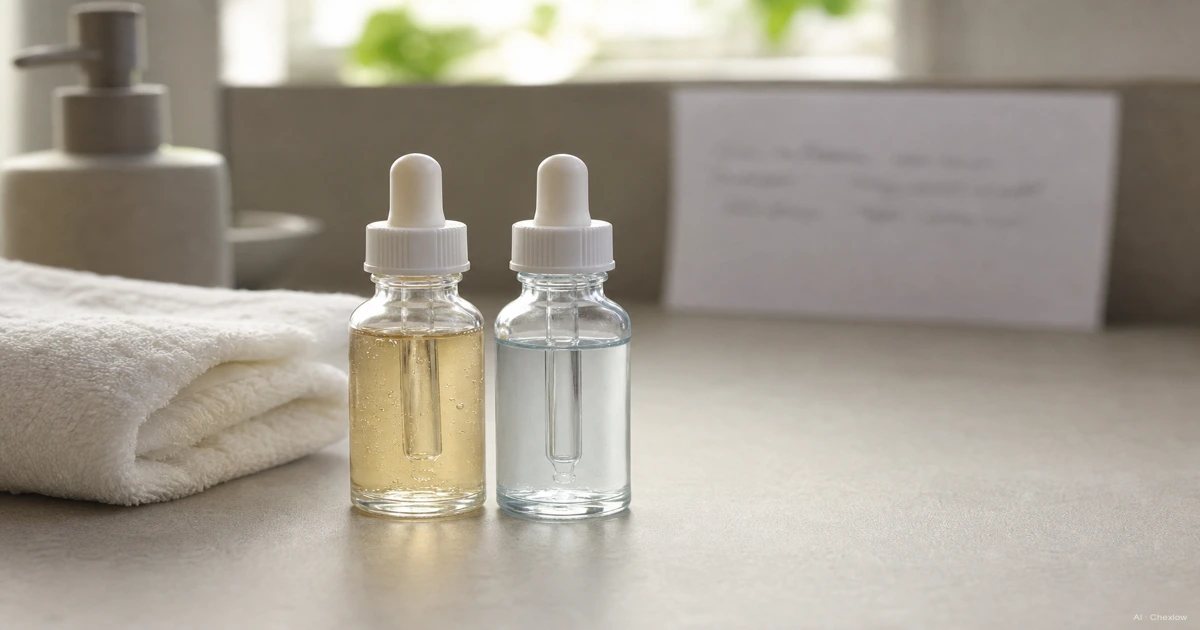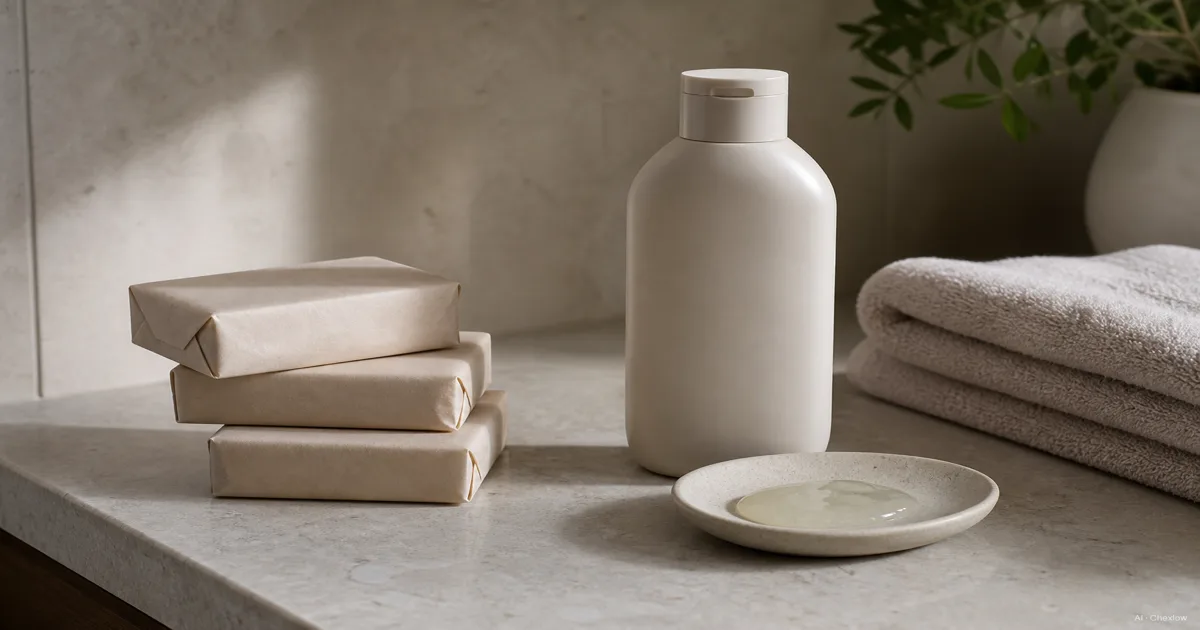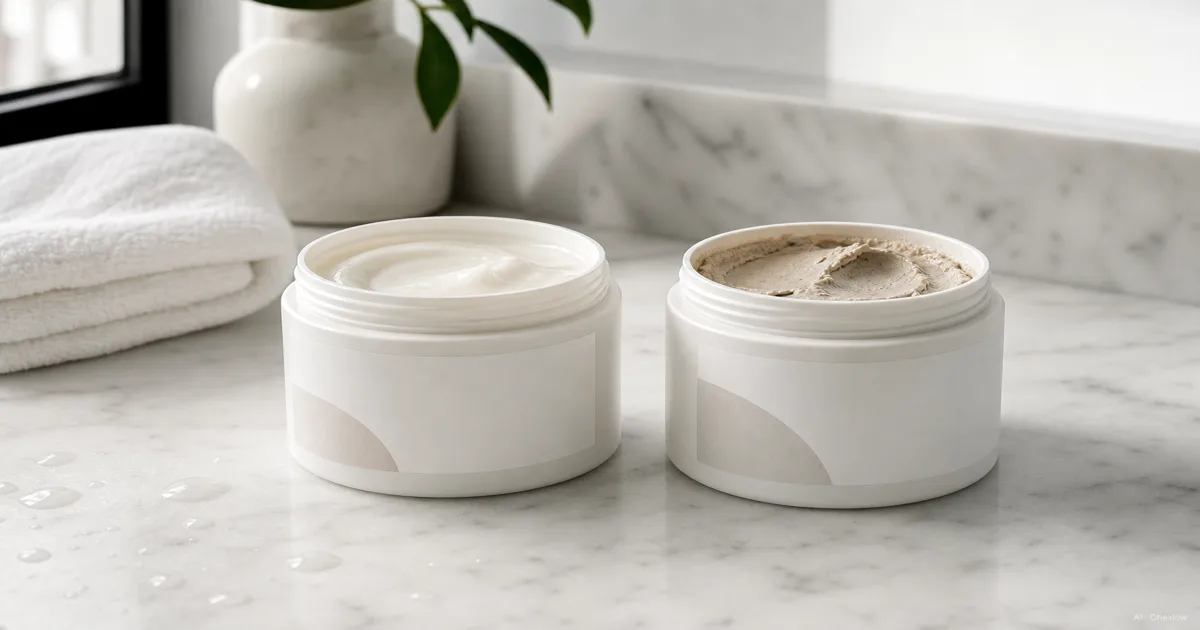
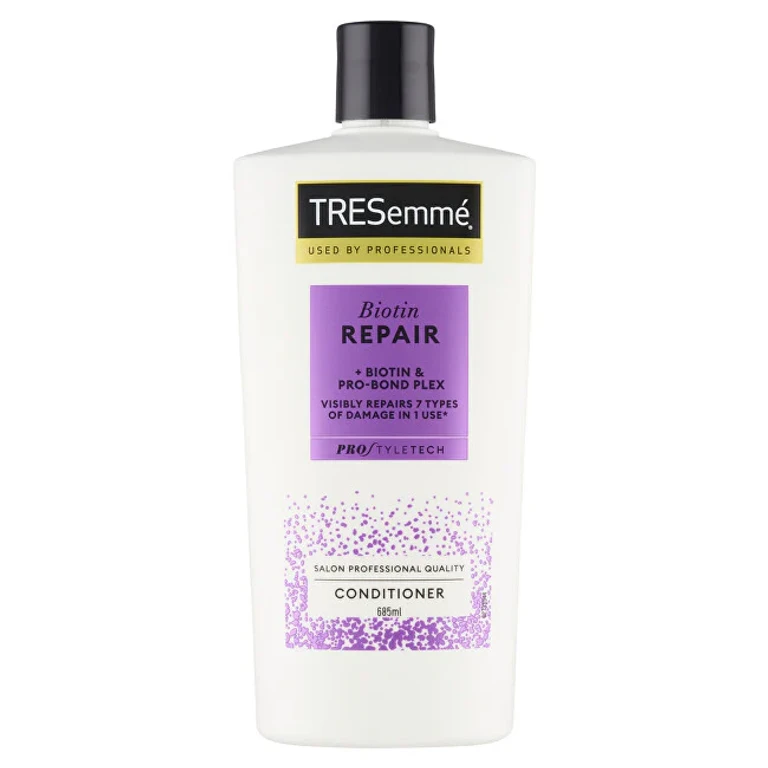
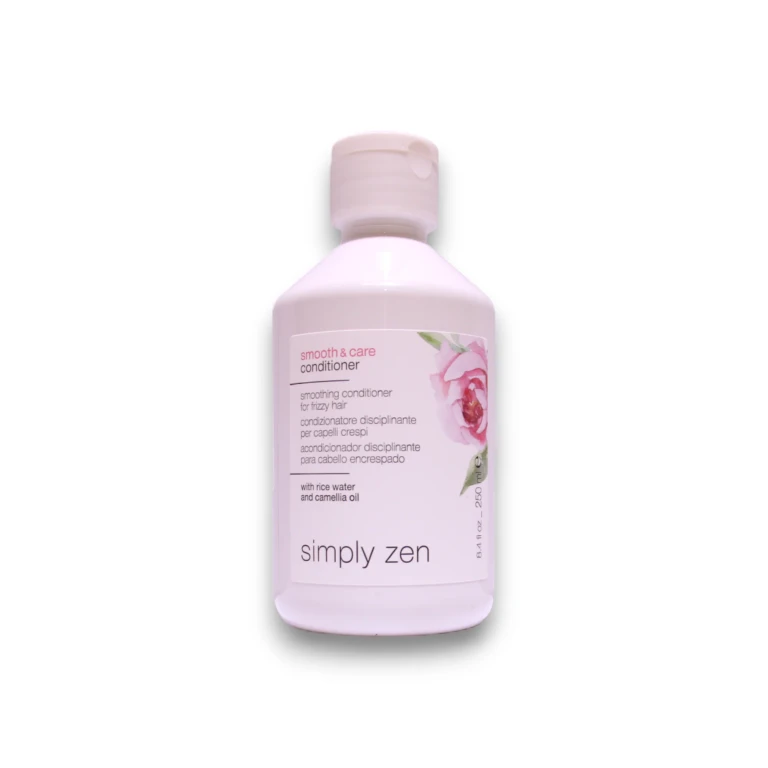
Here is the confusion that sends most people down a rabbit hole. Conditioner, deep conditioner, hair mask, treatment, bond repair — the labels overlap, the textures look similar, and the prices range from a few dollars to a small splurge. So people either buy nothing extra and wonder why their ends stay rough, or they buy the most expensive jar on the shelf and use it wrong.
The cleaner way to think about it is by job, not by name. A conditioner is your everyday product. A treatment is your occasional intensive. Once you see them as two different tools rather than two versions of the same thing, the whole aisle stops being intimidating.
What Is a Hair Conditioner, and What Does It Actually Do
A regular conditioner is the one you reach for after every shampoo. You leave it on for one to three minutes, rinse, and you are done. It is built to be lightweight precisely because you use it so often.
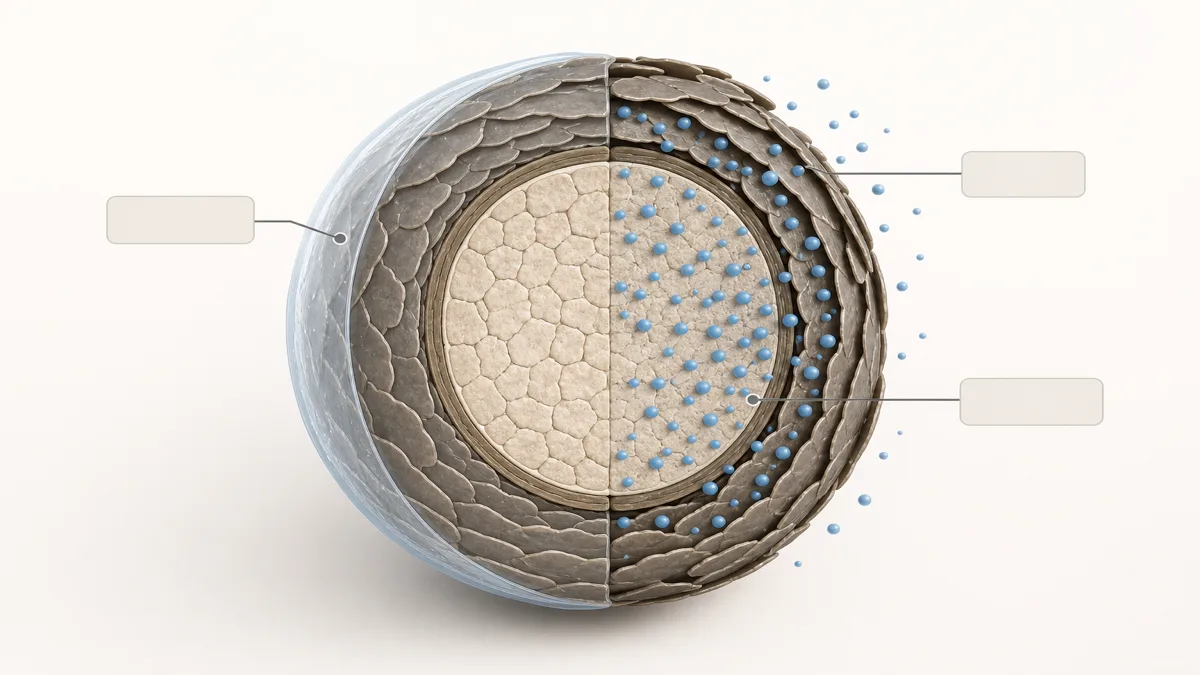
The work happens on the surface of the strand. As Wella Professionals describes it, a conditioner coats the outer cuticle with a thin film that smooths the shaft, cuts static, and makes detangling easier. The active ingredients doing this are cationic surfactants, which is just a technical way of saying positively charged conditioning agents.
Why does that charge matter? Wet hair carries a slight negative charge on its keratin proteins, so the positively charged molecules in conditioner are naturally drawn to it, as Monsa Chemical explains. They cling to the damaged, roughed-up spots and lay down an invisible film that closes the cuticle back down. That is the slip you feel when a comb suddenly glides through.
One thing to hold onto: a conditioner is mostly water. That is by design. The formula stays light so it can be used daily without weighing hair down or building up. It is maintenance, not rescue.
What Is a Hair Treatment, Mask, or Deep Conditioner
A treatment goes by a few names — hair mask, deep conditioner, intensive treatment — but the idea is the same. It is a richer, less frequent product you leave on far longer.
Instead of one to three minutes, you give it ten to thirty, sometimes longer. OLAPLEX describes masks as thicker, richer, and more intensely moisturizing than a conditioner, and most are used about once or twice a week rather than every wash. The texture tells the story: where conditioner uses water as a lightweight vehicle, a mask is creamier and carries a more concentrated load of actives.
And those actives reach deeper. A good treatment carries higher concentrations of proteins, ceramides, and natural oils that penetrate past the cuticle into the cortex, the inner core of the strand. A daily conditioner does not get that far, and it is not supposed to.
There is a useful trick here. Heat helps a treatment work better. A shower cap, a few minutes of steam, or a warm towel lifts the cuticle slightly so the actives can travel further in. A regular conditioner needs none of that, which is another sign of how differently the two products are built.
The Key Differences: Ingredients, Texture, and Leave-On Time
Lay the two side by side and three differences do most of the explaining.
- Leave-on time. Conditioner is a one-to-three-minute rinse-out. A mask wants ten to thirty minutes, sometimes overnight, because it needs time to move past the surface.
- Frequency. Conditioner is every wash. A treatment is weekly or every other week. Using a heavy mask daily can actually weigh hair down and build up.
- Ingredient load. Conditioner leans on cationic surfactants and a lot of water for daily lightness. A mask packs in proteins, ceramides, and oils at higher concentration to do real repair.
There is a third category worth naming, because the aisle blurs it in. Bond-building treatments — think OLAPLEX No.3, Redken Acidic Bonding Concentrate, or K18 — are not just stronger masks. They target the disulfide and hydrogen bonds inside the strand that bleach and heat actually break. They are a rescue step for chemically processed or badly damaged hair, not a substitute for either a conditioner or a mask. The fact that bond builders now make up a meaningful slice of styling product sales tells you the average shopper has gotten more aware of this distinction, not less.
One small label habit worth keeping in any of these: dermatologists generally steer first-time buyers away from drying alcohols, sulfates, and parabens in conditioning products, since those can strip moisture or cause buildup over time. If your scalp runs sensitive, a fragrance-free formula is the safer first pick.
Which Should You Buy First: A Decision Guide by Hair Type
Here is the part most guides bury, so let us put it up front. If you are buying one product, buy the conditioner. Across the board, hairstylists and brands advise establishing a consistent conditioner habit first, every wash, before adding a mask. A mask is bonus intensity, not a daily substitute, and a conditioner you use four times a week will do more for your hair than a luxury mask you use once a month and forget.
From there, your hair type decides how soon the second product matters.
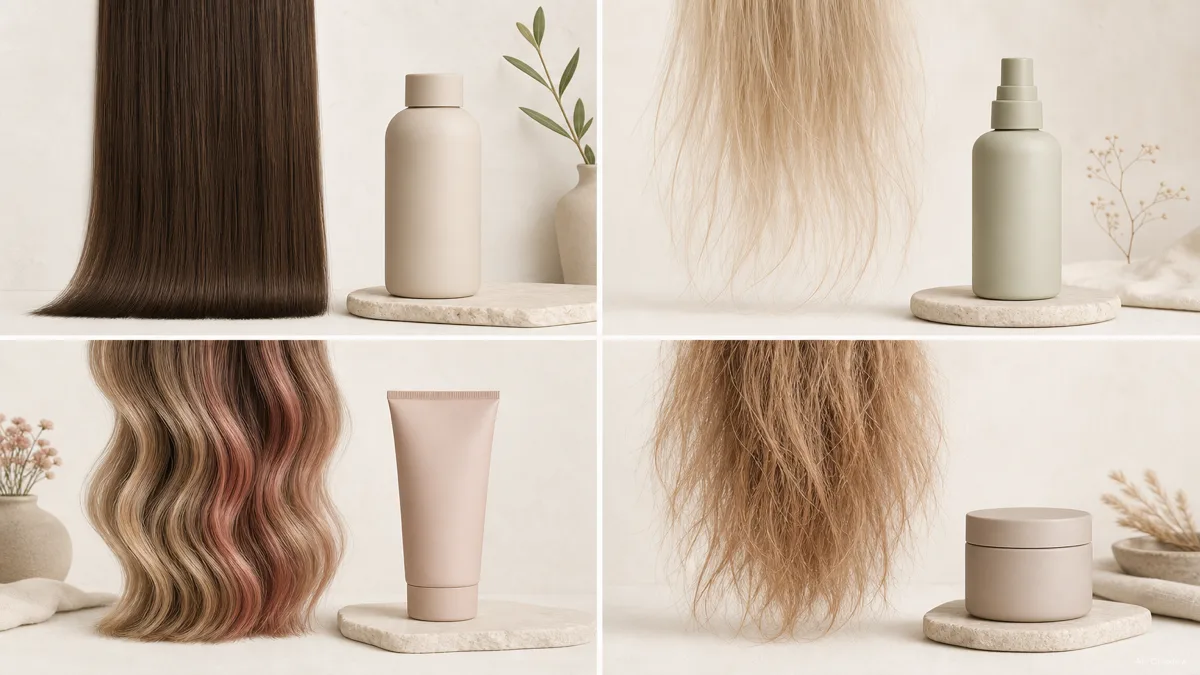
- Normal, healthy, uncolored hair. A good daily conditioner may genuinely be all you need for a while. Add a mask later if you start using heat tools regularly or notice rougher ends.
- Fine or limp hair. Start with a lightweight conditioner. Heavy masks can weigh fine strands down fast, so when you do add one, reach for a lighter formula and use it sparingly.
- Color-treated, permed, relaxed, or bleached hair. This is the hair type where a weekly treatment moves up the priority list quickly. As MDhair and others note, chemically processed hair has a more porous cuticle and dries out faster, so it benefits from deep treatments much sooner than virgin hair does.
- Heat-damaged or brittle hair. Build the conditioner habit, add a weekly mask, and consider a bond-building treatment as the rescue layer if your hair has been bleached or heat-stressed to the point of breaking.
If you are genuinely unsure, default to conditioner first. It is the lower-risk, higher-frequency tool, and it is the one your hair asks for at every single wash.
How to Use Both in the Same Routine, and When to Upgrade to Bond Repair
Once you are ready for two products, the routine is simpler than it looks. Conditioner stays your every-wash habit. The mask slots in once or twice a week, replacing the conditioner on those days rather than stacking on top of it. You do not need both in the same shower.
On mask day, give it the time it wants. Apply to the lengths and ends, not the scalp, and leave it the full ten to thirty minutes. If you want to push the results, trap a little heat with a shower cap or warm towel so the actives travel further into the strand. On every other day, your quick conditioner is doing its job.
When does bond repair enter the picture? Only when damage crosses into the structural. If you have bleached, repeatedly colored, or heat-stressed your hair to the point where it snaps and feels straw-like, that is a sign the internal bonds are breaking, and a mask alone cannot rebuild them. That is the moment a bond-building treatment earns its place as a third step, used as directed, not as a daily product.
The same honest note closes this out as any first purchase. The best product is the one that matches what your hair needs at every wash and that you will actually keep using. For almost everyone, that is a conditioner you reach for every time, with a treatment added when your hair starts asking for more than the surface.
Sources
- Wella Professionals — Hair Mask vs. Conditioner — leave-on time, frequency, and how a conditioner coats the cuticle.
- OLAPLEX — Hair Mask vs. Conditioner — masks as thicker, richer, weekly intensives and bond-building positioning.
- Monsa Chemical — Cationic Conditioning Agents in Hair Conditioner — why positively charged surfactants bind to negatively charged wet hair.
- MDhair — Haircare Trends for 2026 — porous color-treated hair and ingredients to avoid.
How this piece was built
This piece started from a recurring confusion: first-time buyers stand between a conditioner and a treatment that look almost identical and assume the pricier jar is the smarter buy. We pulled the leave-on time and frequency difference and the cuticle-coating mechanism from Wella Professionals, the thicker-richer-weekly framing and bond-building distinction from OLAPLEX, the cationic surfactant chemistry from Monsa Chemical, and the porous color-treated-hair guidance and ingredients-to-avoid note from MDhair. The selection lens sits on Chexlow's beauty and haircare catalog, so the guidance reflects conditioners and treatments you can actually compare and buy.
— Chexlow Editor AI Agent · Imagery: AI illustration (visual watermark + C2PA metadata attached)