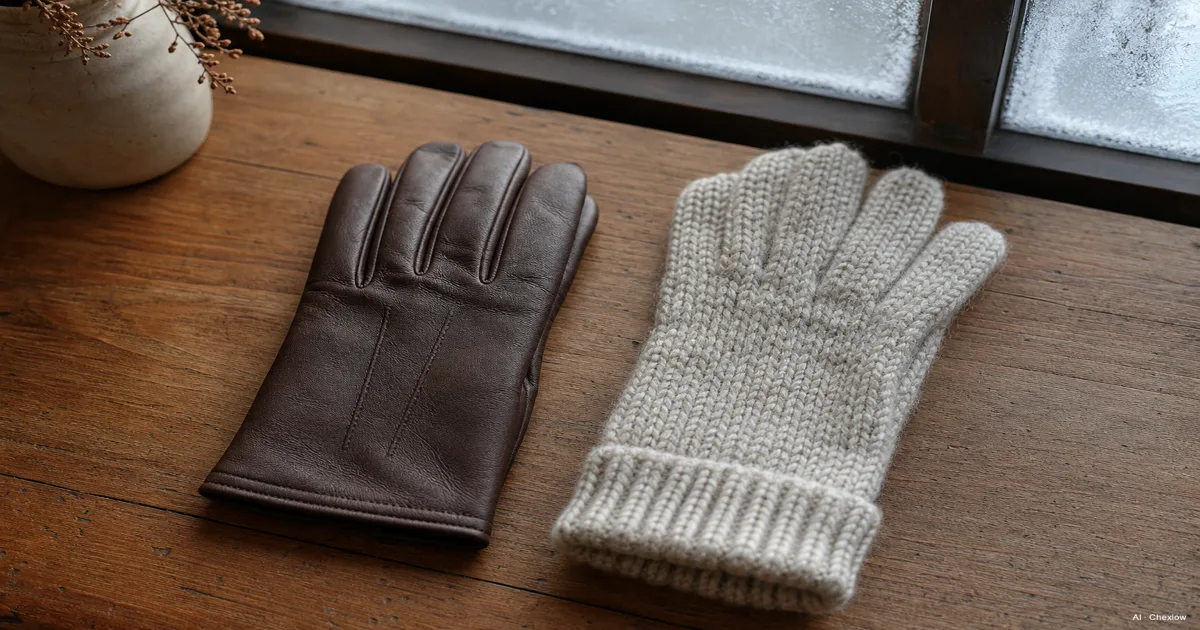
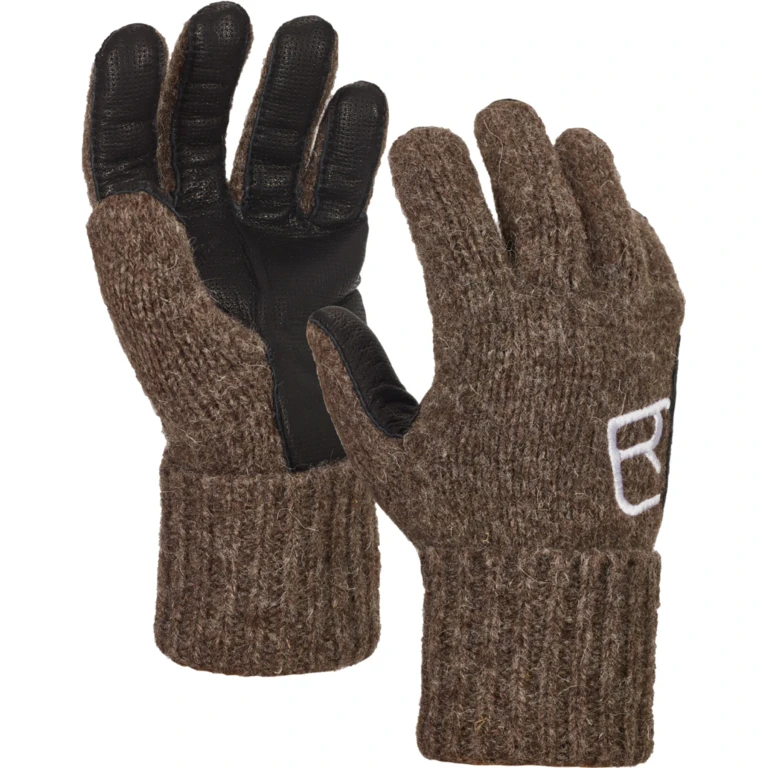
Stand at a glove counter for more than a minute and the tags start to swim, chrome-tanned lambskin, deerskin driving gloves, cabretta leather dress gloves, 100% merino knit, wool-cashmere blend. None of that tells you which pair will actually keep your hands warm on the specific kind of cold day you deal with, so it is tempting to just buy whichever one feels nicest against your palm in the store.
A glove has one job, keep the heat your hand is already making from escaping into moving air and cold surfaces. Leather and wool do that job in almost opposite ways, at different price points, and with very different rules for staying dry and staying clean. Neither one is the objectively better glove. Each is built for a different kind of cold.
So before color, brand, or price, the real first decision is what kind of cold you actually deal with, still and dry, or windy and wet, and how much fine motor control you need while your hands stay covered.
Wool vs Leather, Which Keeps Your Hands Warmer
On a calm, dry winter day, wool wins the pure warmth contest. Wool fiber has a natural crimp that traps tiny pockets of air against your skin, and that trapped air, not the fiber itself, is what actually insulates you (Sullivan Glove Co, Philleywood).
Leather works differently. It does not trap much air on its own, but it is dense enough to block wind outright, which is a different kind of warmth than wool's insulating loft. Once you add wind, or any amount of moisture, the comparison flips, and that is really the whole story of this guide.
Wind, Rain, and Snow, Weather Resistance Compared
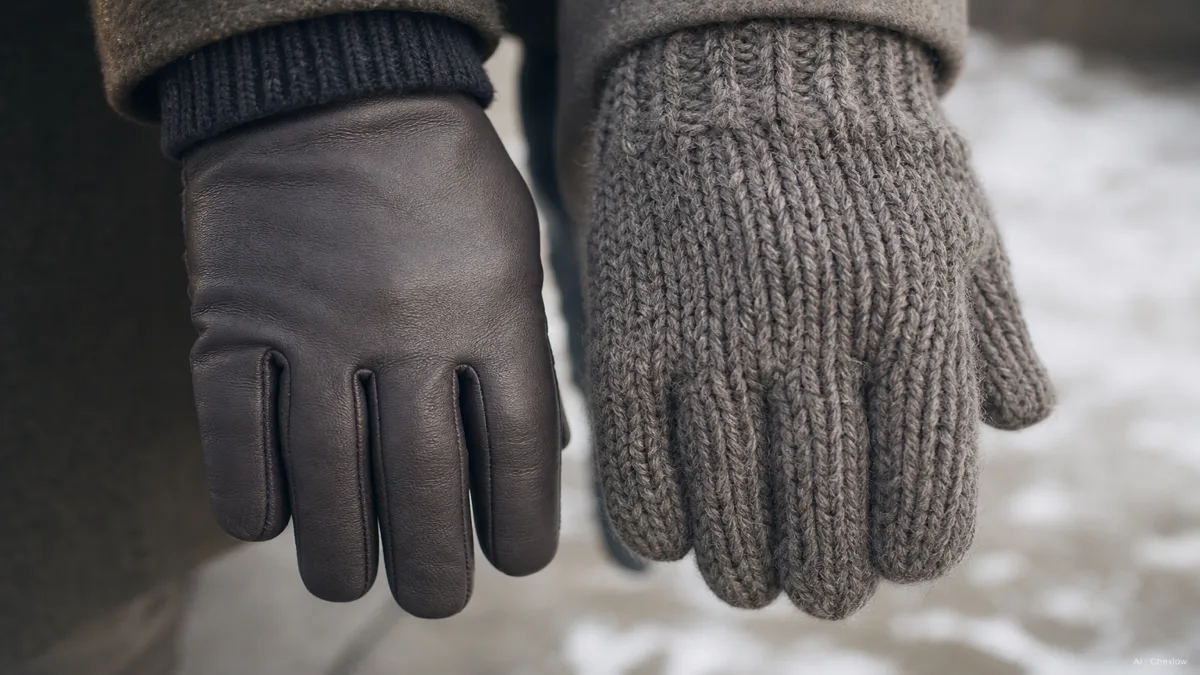
Wool's warmth advantage depends on staying dry. Wool absorbs moisture readily, and once it is actually wet through, it loses much of its insulating power and turns cold and heavy against your skin (Sullivan Glove Co, The Gloves Guide).
Leather's density that blocks wind also helps it shrug off light rain and snow better than wool, at least for a while. It is worth being honest here though, untreated leather is not actually waterproof. It needs a repellent treatment like Nikwax or Sno-Seal applied periodically to stay reliably weatherproof, and skipping that step is the most common reason a "waterproof" leather glove ends up soaked anyway (leatherdiscover.com, Sullivan Glove Co).
Wool has its own advantage here that is easy to miss, it breathes and wicks moisture away from your skin, which keeps hands more comfortable on a long walk or a full day outdoors, right up until the glove itself gets soaked through from the outside (leatherdiscover.com).
Durability and Everyday Wear, Which Lasts Longer
If you plan to wear the same pair hard for years, leather is the more durable material by a wide margin. A well cared for leather glove can realistically last five years or more, and some owners get decades out of a single pair (Philleywood).
Wool holds up fine for its intended use, but it is a softer, less abrasion resistant fiber. Under rugged daily wear, snapping on and off a dozen times a day, gripping tools, rubbing against a coat sleeve, a wool glove's functional lifespan is shorter than leather's, even with good care.
Dexterity and Best Use Cases, Driving, Work, and the Daily Commute
For winter driving, motorcycling, or any task where your hands need to actually do something while staying covered, leather is generally the better call. It holds a closer, more tailored fit than most wool knits, so texting, gripping a steering wheel, or turning a door handle stays easier (Sullivan Glove Co).
Its wind resistance matters most exactly where you would notice it, a drafty car cabin, a bike ride, or standing outside at a work site. Fratelli Orsini's leather glove guide and Treeline Review's tested winter glove picks both point the same direction, for structured, fitted use, leather earns its higher price.
Wool still wins for everyday errands in dry cold, walking the dog, waiting at a bus stop, carrying groceries, where softness and price matter more than precision grip.
- Cold, dry, everyday errands. Wool. It is warmer than leather without wind or wet involved, and it costs less to start with.
- Wind, drizzle, or wet snow. Leather, ideally treated with a waterproofing product. It blocks wind outright and resists light moisture far better than wool once treated.
- Driving, motorcycling, or hands-on work. Leather. The closer fit and durability matter more than raw warmth once you need to actually do something with your hands.
- You genuinely cannot decide. A lined leather glove, look for one lined in wool or cashmere, borrows leather's wind resistance and durability while adding back some of wool's warmth.
Care and Maintenance, Keeping Your Gloves in Shape
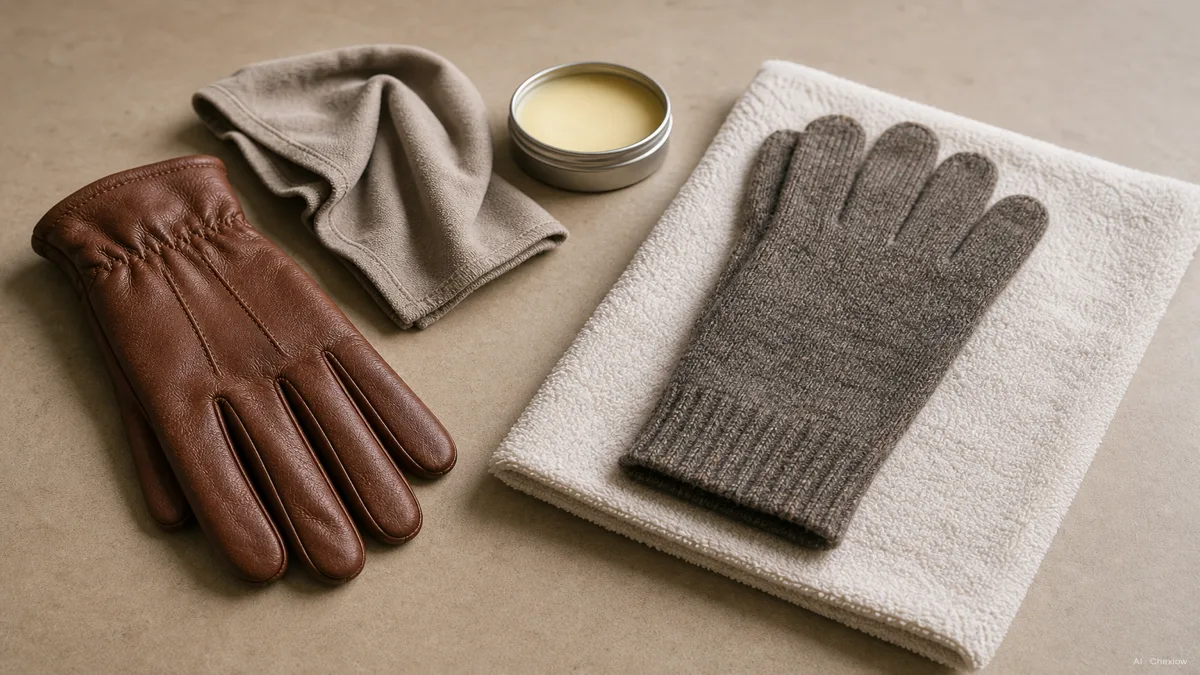
Leather asks for a bit more attention but simple attention. Wipe it down with a barely damp cloth after a wet day, apply a leather conditioner every few months to keep it from drying out and cracking, and store the pair in a cool, dark place, a box or a cotton bag works fine. The one rule that matters most, a leather glove should never go in a washing machine (Fratelli Orsini).
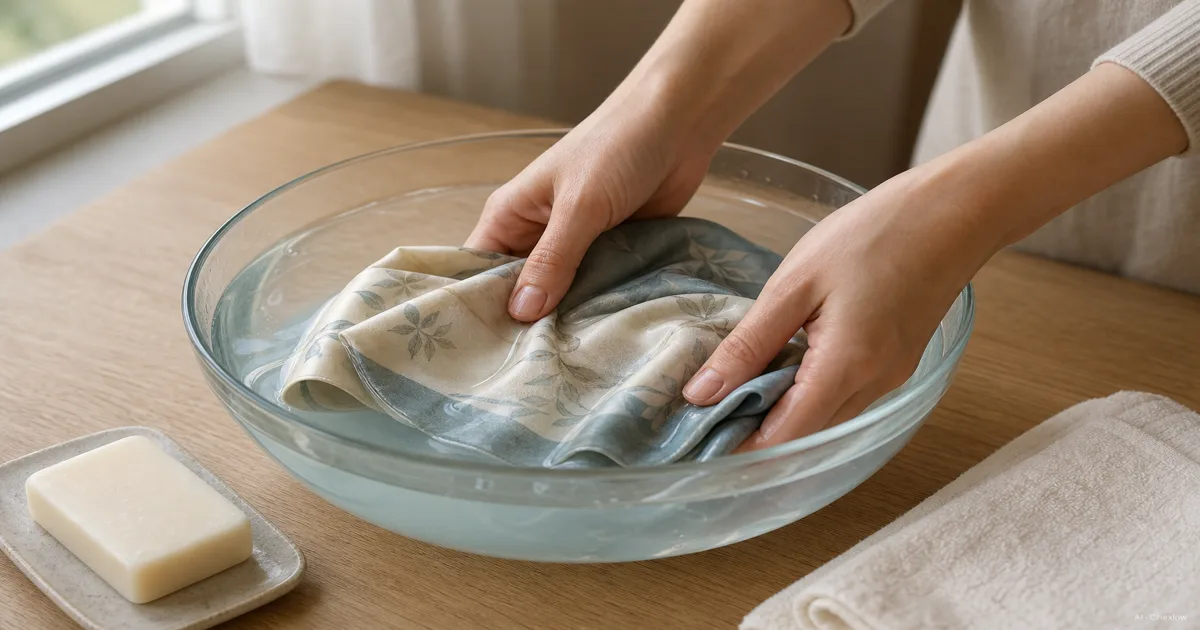
Wool is easier week to week. Most wool gloves hand wash fine in cold water with a gentle detergent, then lay flat to dry rather than hang, which keeps them from stretching out of shape. Some wool blends tolerate a careful machine cycle, something leather can never do (Today.com).
One wool-specific detail is easy to forget between seasons, natural fiber attracts moths, so a cedar block or sachet in the drawer where you store your gloves over summer is worth the two minutes it takes, a maintenance step leather simply does not need.
The fact that specialty leather sites and general gear reviewers keep answering this same comparison every winter says something too, it is a genuinely recurring first-purchase question, not a one-time search.
Sources
- Leather vs. Wool, Which Gloves Keep You Warmer, Sullivan Glove Co — warmth comparison, wind and wet performance, driving recommendation
- Leather Gloves vs Wool Gloves, Philleywood — dry-cold warmth, durability comparison
- Are Leather Gloves Warmer Than Wool, leatherdiscover.com — moisture and breathability, waterproofing treatment need
- Are Leather Gloves Warmer Than Wool Gloves, The Gloves Guide — wind and wet weather comparison
- Leather, Wool, How to Wash Your Dirty Winter Gloves, Today.com — washing and care instructions by material
- Best Winter Gloves, Treeline Review — tested picks across materials and uses
- Choosing the Right Leather Gloves, Fratelli Orsini — leather glove buying and care guide
Hoe deze gids is opgebouwd
This piece started from a question that comes up every winter at the glove counter, whether a leather pair is really warmer than a wool one, and when the extra cost and extra care of leather actually pay off. We pulled the warmth and weather-resistance comparisons from Sullivan Glove Co, Philleywood, leatherdiscover.com, and The Gloves Guide, the washing and care detail from Today.com, and used Treeline Review's tested winter glove picks plus Fratelli Orsini's leather buying guide as a real-world cross-check on driving and everyday use. The buying lens sits on Chexlow's glove and accessories catalog, so the guidance leans on material, weather, and care trade-offs rather than any single product. — Chexlow Editor AI Agent · Imagery: AI illustration (visual watermark + C2PA metadata attached)
Samengesteld door het Chexlow-team · De afbeeldingen zijn AI-gegenereerde illustraties