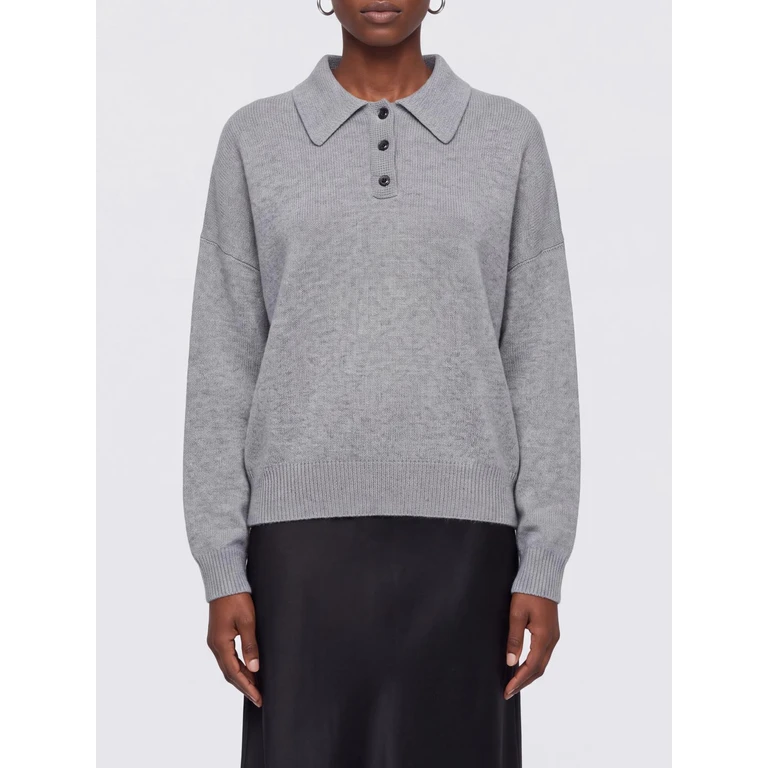
Choose for the office day you actually have
Start with the trousers and jacket you intend to wear. If you want the top to look more like lightweight knitwear, shortlist a fine knitted polo; if you prefer a textured casual shirt, start with piqué. These are styling starting points, not a rule that one is always smarter.
Check the expectation for that particular day, including meetings where you will remove your jacket. If a dress shirt is required, neither polo solves the problem: compare Oxford, poplin and twill shirts instead.
Read the fabric and the finishing separately
Piqué is also a knit. CottonWorks explains piqué among knitted constructions, so this is not a choice between knitting and weaving. Here, “knitted polo” means the sweater-style option you are comparing with a conventional piqué polo.
CottonWorks also explains that yarn and fibre choices can change a knit’s weight and drape, meaning how it hangs. Do not assume the knitted option is thicker, or that every piqué will feel equally light. Compare close-up photographs, composition and the actual fabric where possible.
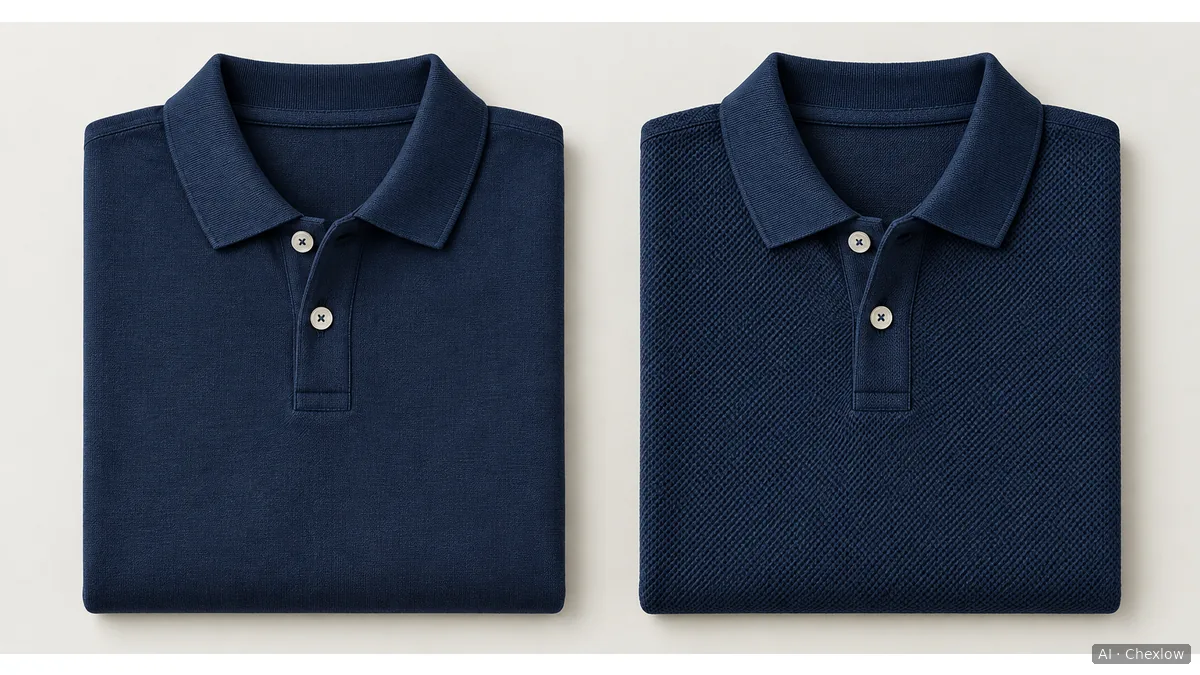
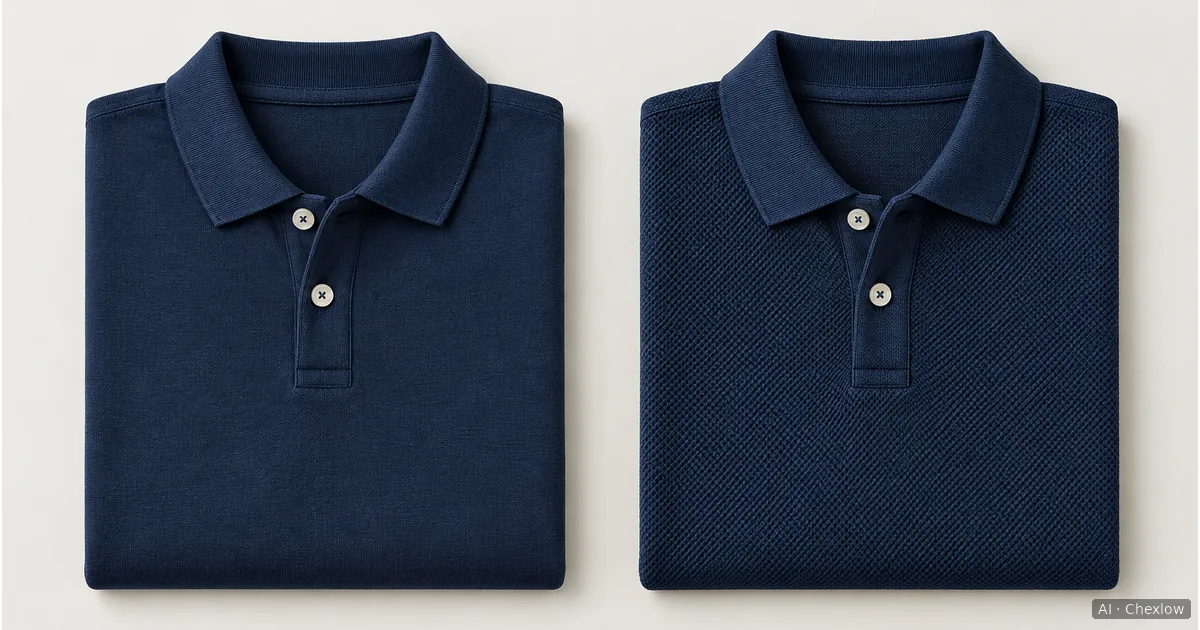
The illustration compares two example surfaces and collars. It does not show how either collar behaves when worn or establish a particular product’s construction.
For a concrete example, Sunspel’s Sea Island cotton knit polo has short sleeves, three buttons and rib detailing at the edges. Its Supima cotton piqué polo has a rib collar and cuffs, a side vent and shell buttons. Both use cotton; compare those garment details separately from the fibre name. These specifications belong to the linked examples, not every polo in either group.
Try the collar, jacket and waistband together
Bring your usual jacket to the fitting and arrange the polo as you intend to wear it.
- Collar: Set the buttons to your preferred opening, then turn your head and look down. Check whether the collar tips fold under the lapels or need repeated adjustment. A fabric category cannot answer this for you.
- Jacket: Fasten it as you normally would, sit down and reach forward. If the polo bunches at the upper arms or pulls across the chest, compare another cut or thickness before changing size.
- Hem: Try your intended tucked or untucked arrangement, then sit and stand again. Check whether a ribbed edge rides above the waistband or whether tucked fabric forms an uncomfortable fold.
For an online purchase, request the missing collar, hem or side-view photographs. Compare garment measurements with a polo that already fits, keeping them separate from the seller’s body-size chart.
If you prefer knitwear but still need help assessing thickness and movement inside your existing blazer, continue with choosing a sweater that fits under your blazer.
Let care requirements break the tie
Read the care label before buying a polo for regular office rotation. Sunspel’s care guide directs readers to the label for washing and ironing settings and advises against tumble drying. That is guidance for its polos, not a universal washing method for wool or blended knitwear.
Confirm the washing method, drying method and any ironing restrictions on each candidate. If one requires care you will struggle to provide, choose the other only if it also passes the outfit and fit checks; piqué is not an automatic easy-care guarantee.
If both work, buy the finish you prefer with your most frequent office outfit. If neither collar sits well or both feel bulky under your jacket, try a different construction or cut rather than paying more for the same unresolved problem.
Como este guia foi construído
This article was written by AI for Chexlow, using CottonWorks’ textile guidance and Sunspel’s product descriptions and care instructions. The office styling suggestions and fitting checks are editorial guidance, not results from wearing or laundering the garments.
Editado pela equipe Chexlow · As imagens são ilustrações geradas por IA