
Decide what your next occasion requires
Check the invitation or workplace guidance before choosing a jacket. If the wording is vague, ask the host or employer whether a matching suit is expected.
- A suit is required. Compare complete suits, including the correct trousers. A discounted jacket alone does not solve this need.
- Separate jacket and trousers are welcome. Start with a standalone blazer, then try it with clothes you already own.
- Both uses matter. Prioritize the confirmed requirement you cannot meet yet. Do not count on one jacket doing everything before trying the combinations.
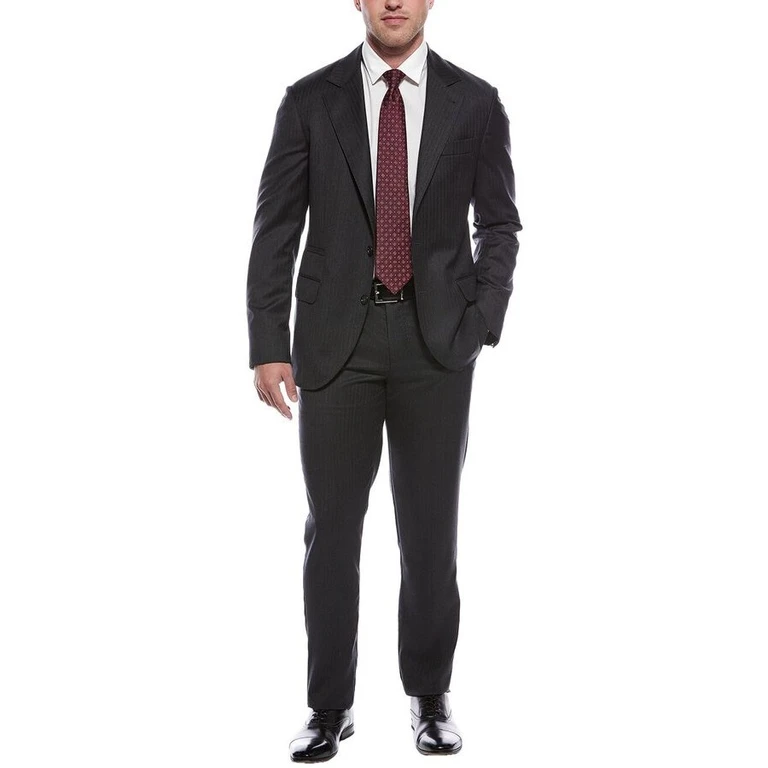
A suit jacket belongs to a matching set; a blazer is designed for different trousers. That distinction is more useful than whether the jacket looks stiff or soft. Lanieri explains the pairing difference.
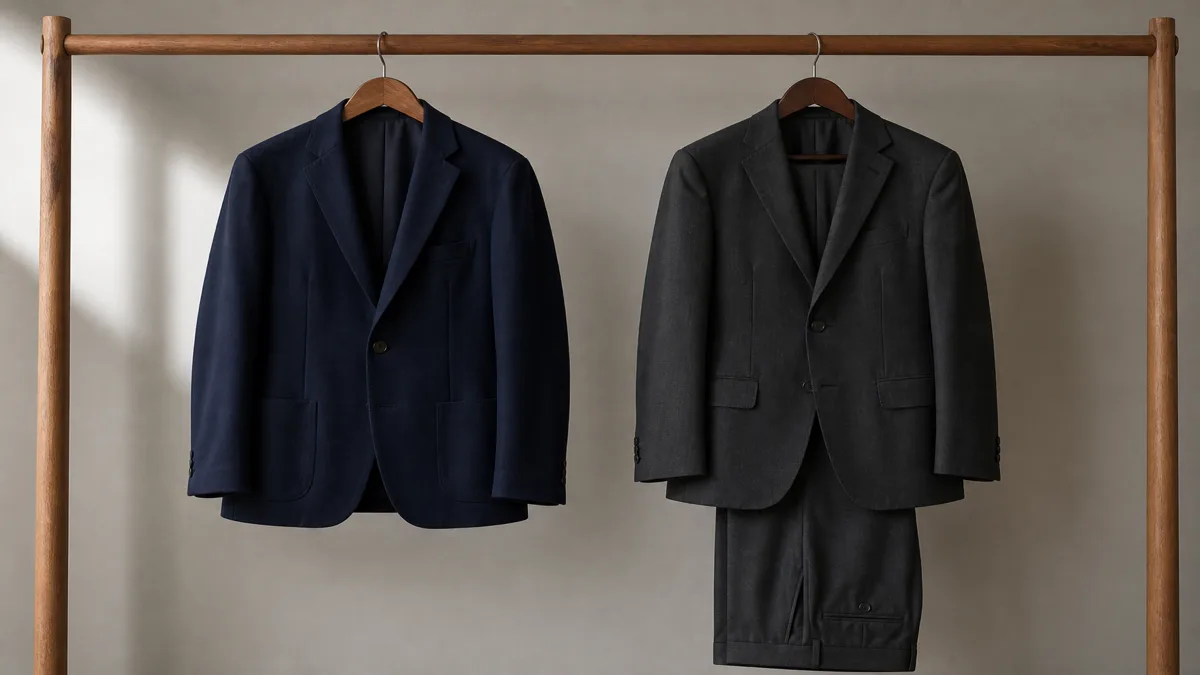
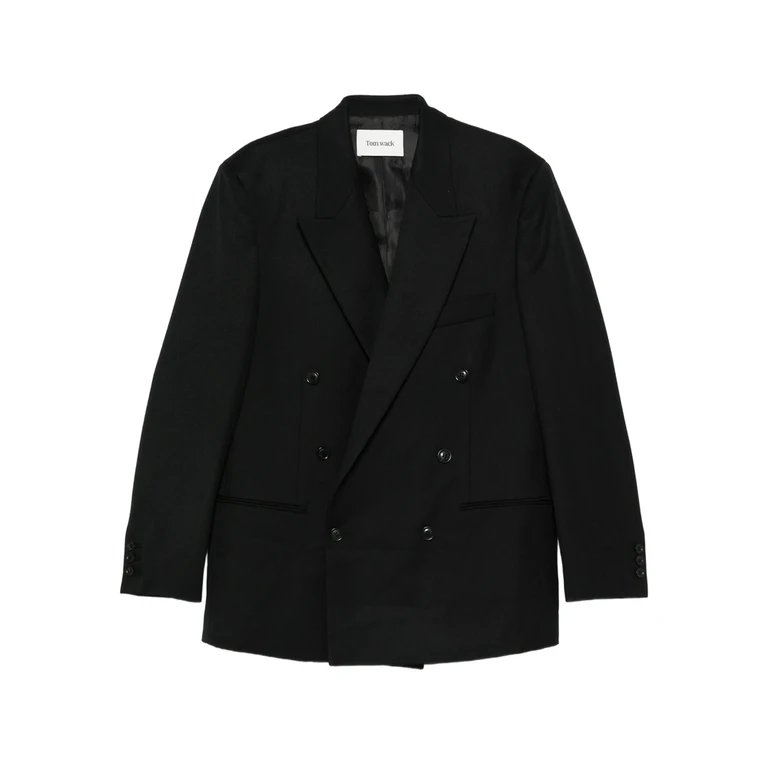
Black tie is a separate requirement: plan for a tuxedo. Black tie optional also allows a dark suit; it does not mean a blazer is equivalent. Emily Post distinguishes the two codes.
Choosing a complete suit? Continue with first-suit fit and fabric choices.
Check the listing before trusting the details
Ask the seller: “Is this designed as a separate jacket, or which trousers belong with it?” If pieces are sold individually, confirm the matching trouser reference and your size before buying the jacket. A shared color name alone is not enough to establish a matching set.
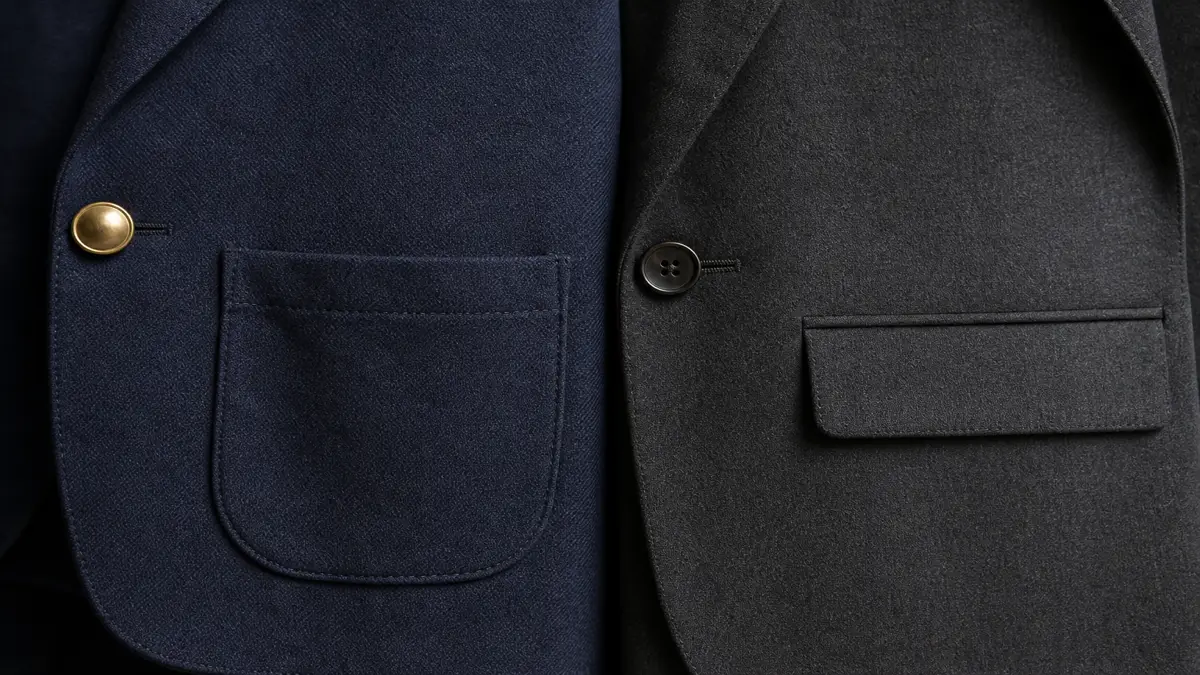
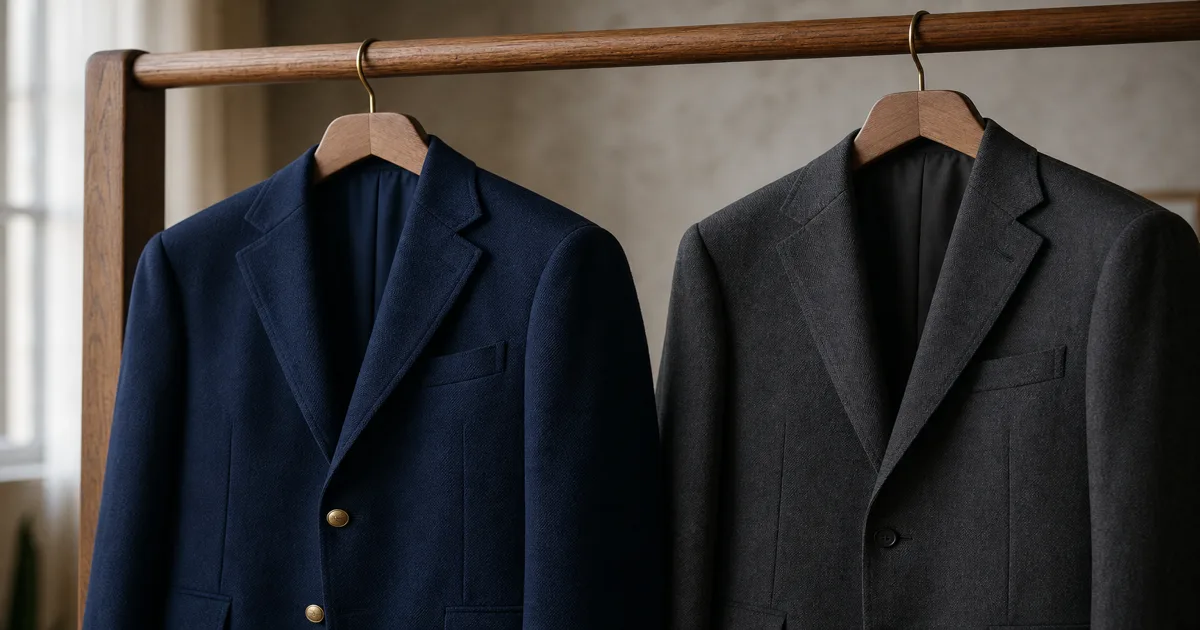
Use the illustration to compare details, not to authenticate a category. The left pocket is sewn onto the outside; the right has a flap. Blazers can use either pocket style, so a flap does not establish that a jacket belongs to a suit. Lanieri shows both blazer options.
Read construction descriptions separately. Lanieri, for example, specifies half-canvas jackets, with an internal shaping layer, and unstructured blazers. Those are its own specifications, not a rule that all suits are fully canvassed. Lanieri’s construction FAQ.
Once a standalone blazer fits your purpose, compare single-breasted and double-breasted styles.
Try the trousers before adding another jacket
Lay out the trousers you actually wear. For a navy blazer, try grey tailored trousers, tan chinos or dark jeans, then check the whole outfit against your destination. These are starting combinations, not permission to wear jeans wherever jackets are expected.
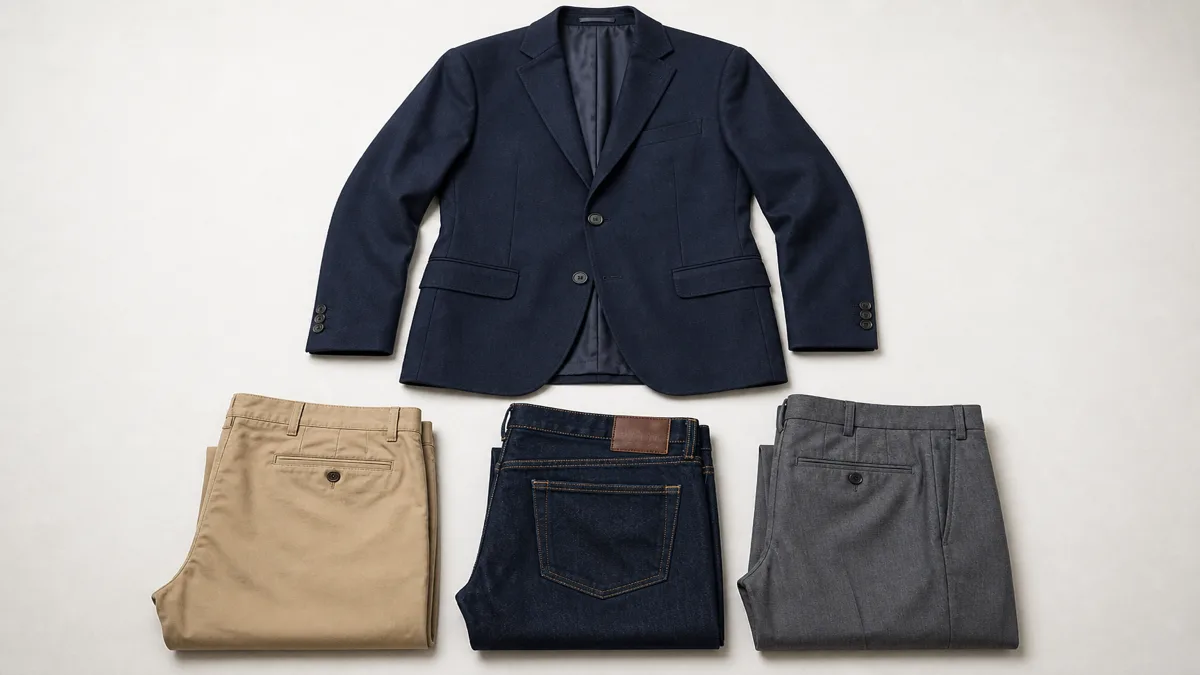
Already own a suit? You may not need another jacket immediately. SuitShop expressly designs its jackets for both matching trousers and separate wear, illustrating why “never split a suit” is too absolute. SuitShop’s jacket guidance.
For other jackets, assess the actual fabric and shape. Texture and softer construction can help; shiny cloth and pinstripes are harder to combine. Try clearly contrasting trousers rather than an almost-matching navy. SuitShop’s guide explains these limits.
If the jacket works but the trousers are the missing piece, compare chinos and dress pants for your routine. If nothing you own works, include the needed trousers in your buying budget before deciding the blazer is the cheaper route.
Make the final choice in the fitting room
Try each candidate over the shirt or light layer you intend to wear. For a conventional tailored fit, look for a smooth shoulder-to-sleeve transition without obvious dents or pulling. Shoulder changes can be difficult, so ask about a different size or cut before assuming alterations will fix it. Proper Cloth’s shoulder guide.
Fasten the intended closure. Lapels should lie flat, the button area should not pull into tension lines, and the sleeves should allow normal movement. Proper Cloth explains these fit checks.
Before paying, make three decisions:
- Keep or reject the fit. Do not accept obvious discomfort because the category or color is right.
- Confirm the outfit. Buy the matching trousers for a suit requirement, or verify a separate combination you will actually wear.
- Confirm the full commitment. Check the return terms and get an alteration estimate before authorizing changes.
A blazer earns the first purchase when it solves your everyday outfit gap. A suit earns it when you need the complete matched outfit. Neither wins simply by being more formal.
How this guide was built
Chexlow’s AI editor wrote this guide using tailoring guidance from Lanieri, SuitShop and Proper Cloth, plus Emily Post’s dress-code definitions. The purchase order and try-on sequence are editorial recommendations for first-time buyers; no garments were personally tested.
Edited by the Chexlow team · Images are AI-generated illustrations