


Choose the step your routine is missing
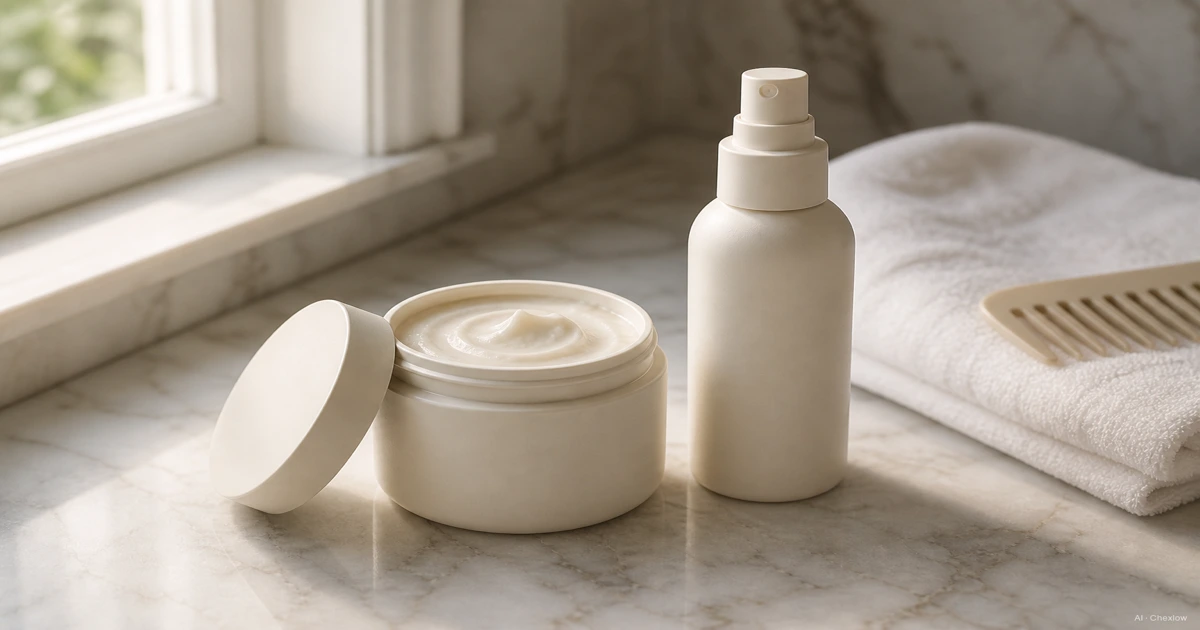
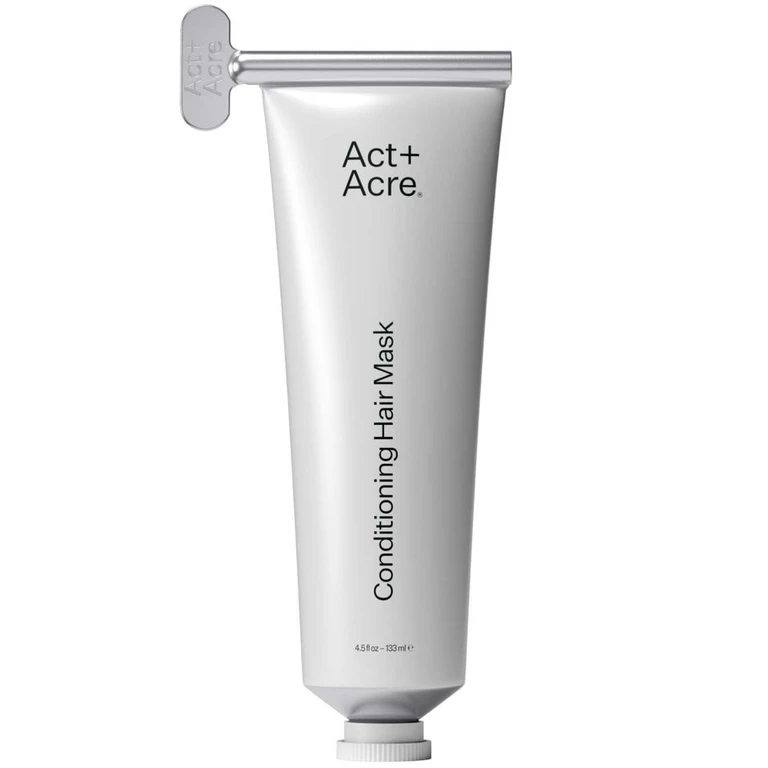
Already using conditioner but still struggling to comb or style your hair? A leave-in is a sensible first addition. Want to try more intensive rinse-out conditioning for dry, rough lengths? Start with a mask. This is a practical buying rule, not a claim that one category repairs hair better: OLAPLEX explains that both can moisturize and detangle.
- Leave-in first. Prioritize help after washing without another rinse. Choose a product explicitly labeled as leave-in conditioner.
- Mask first. Prioritize the conditioning step during washing, provided you will follow its waiting and rinsing instructions.
- Neither yet. If your existing routine already gives you the result you want, an extra product has no clear job.
If you currently use shampoo alone, start with conditioner versus treatment before choosing an extra. AAD recommends conditioning after shampooing.
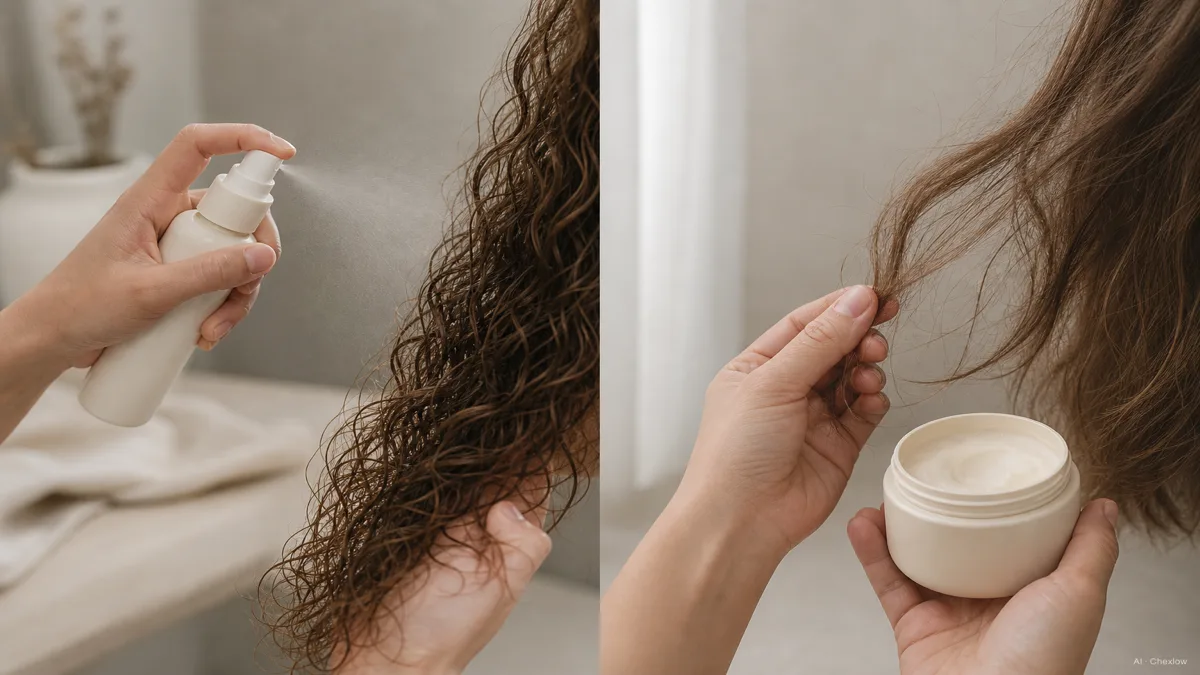
The illustration shows two possible needs, not a rule that curls require only leave-in or damaged hair only a mask.
Read the directions before judging the texture
A thick jar is not a measure of repair depth. Redken's Acidic Bonding Concentrate mask comes in a liquid format, while OLAPLEX's Weightless Nourishing Mask is designed for fine to medium hair. Compare the intended hair type and rinse instructions before deciding that every mask will be too heavy.
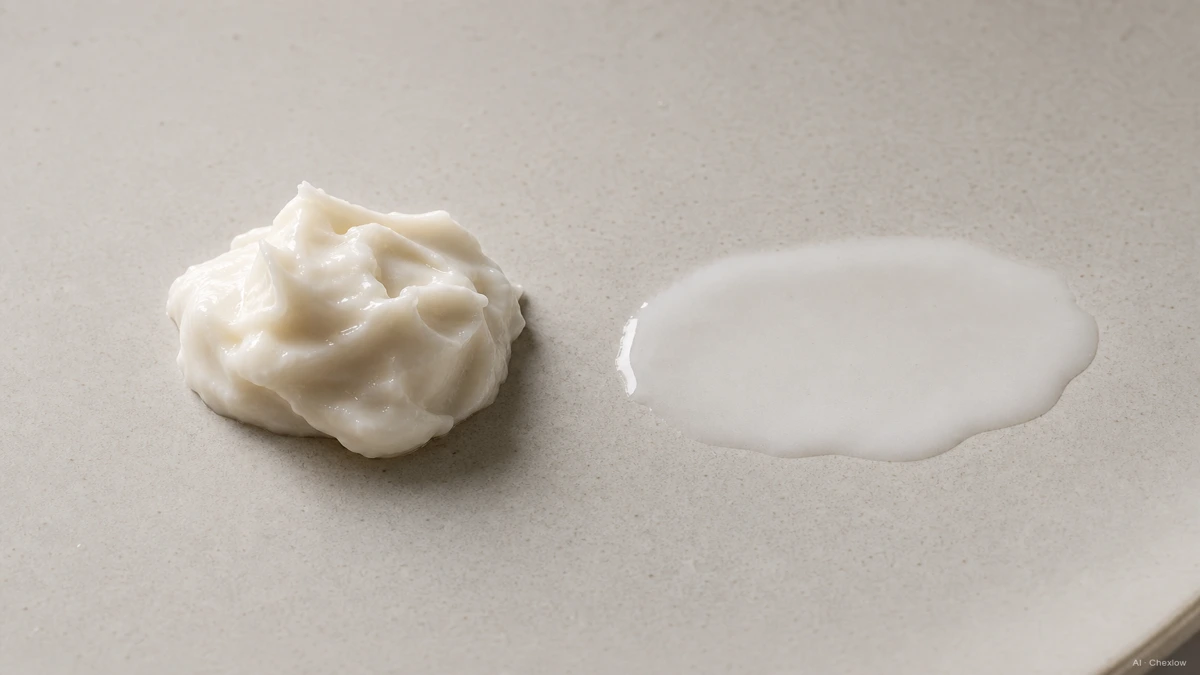
Use the texture illustration as an example, not a universal distinction. On your shortlist, check three things: rinse-out or leave-in, intended hair type, and application instructions.
If you use hot tools, check for an explicit heat-protection claim; not every leave-in provides it. If that claim is missing, read the heat-protectant buying guide before choosing protection separately.
Fit the first purchase into your wash
- For a mask. Follow that product's timing and application area. For example, Wella Ultimate Repair Mask goes on damp lengths and ends for five minutes, then rinses out. Its instructions allow it to replace conditioner on treatment days.
- For a leave-in. After washing and conditioning, use a small amount on damp hair and keep it off the scalp, following AAD's application guidance. Follow your product's directions for the amount and any later reapplication.
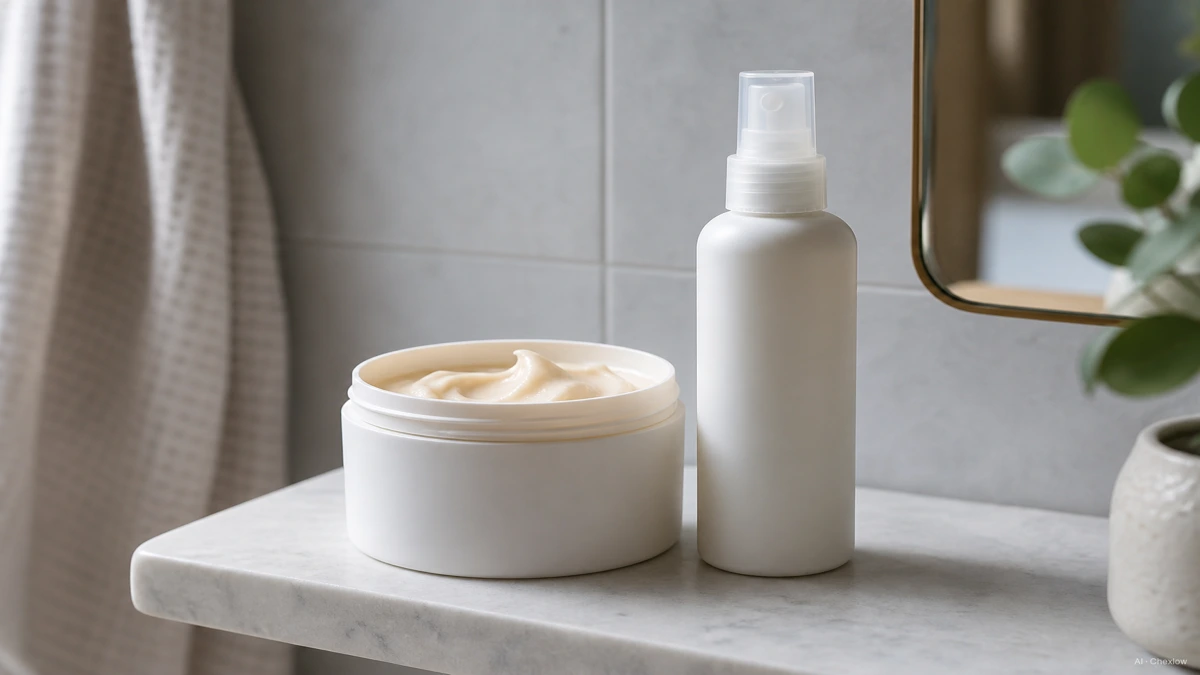
Timing belongs to the formula: OLAPLEX's Weightless Nourishing Mask specifies three to five minutes. Do not turn a rinse-out product into a leave-in by skipping the rinse.
Add the second product only for a remaining need
Evaluate the first purchase against the reason you bought it: easier combing, softer-feeling lengths, or a more manageable finish. Change one product at a time so you can judge what actually helped.
If a mask improves the wash-day result but you still want help afterward, consider a leave-in. If a leave-in helps styling but you still want to try richer rinse-out conditioning, consider a mask. The two can share a routine; owning both is not the goal.
For persistent breakage despite rinse-out and leave-in conditioning, AAD recommends seeing a dermatologist. Buying a stronger-sounding jar is not the next decision to make.
How this guide was built
Written by Chexlow's AI editor using AAD hair-care guidance and product instructions from Wella, OLAPLEX and Redken. The first-purchase priorities are editorial judgments based on the step you need; named products illustrate instructions and formulation differences, not comparative testing.
Edited by the Chexlow team · Images are AI-generated illustrations