Most first-time buyers start with a liter number in mind, and that's the wrong starting point. The number that actually matters first is how many nights you're carrying gear for, because that decides everything else about the pack, capacity, frame, and hip belt included.
Daypack vs Multiday Pack, What Actually Separates Them
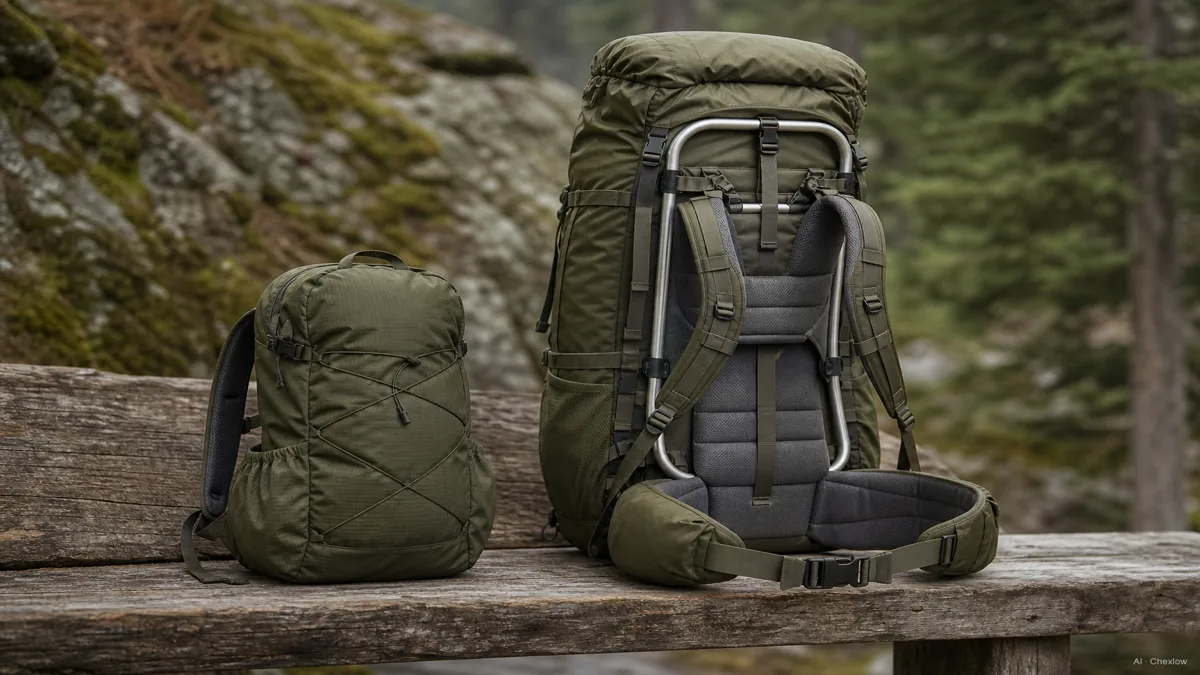
A daypack is built for one thing, carrying what you need between waking up and getting back to your car or bed the same day. That's water, snacks, a layer, maybe a first-aid kit. A multiday pack has a much bigger job, it has to carry an entire mobile shelter system, tent or hammock, sleeping bag and pad, a cook setup, several days of food, and spare clothing.
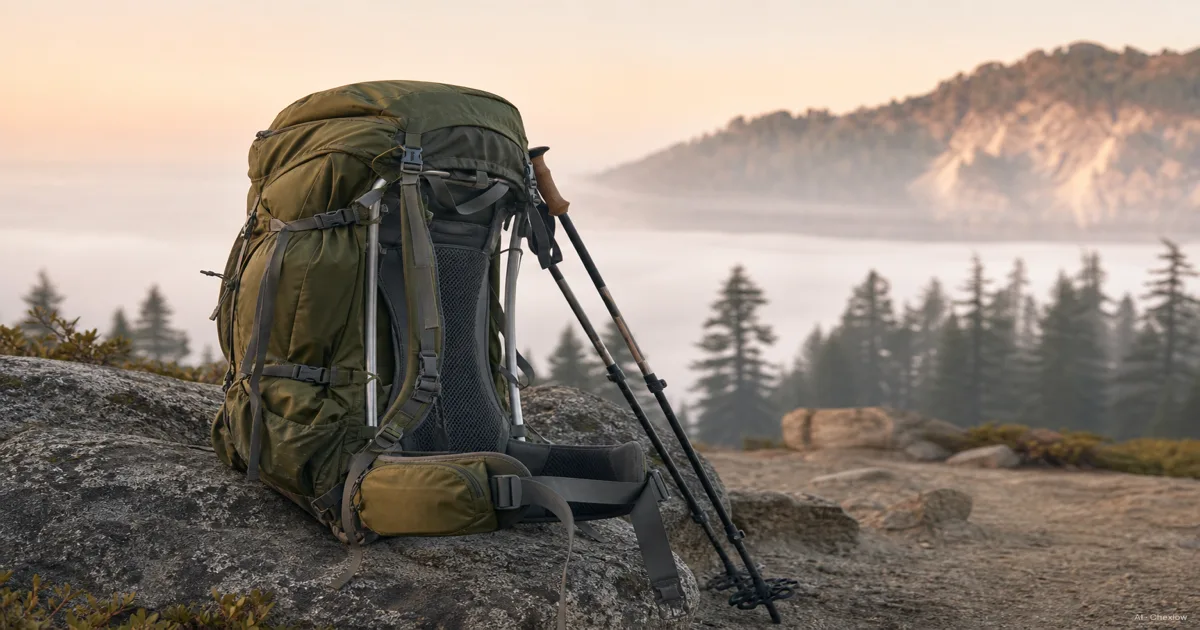
That difference in job shows up in the frame. Daypacks are usually frameless or have a light internal stay, and the hip strap, if there's one at all, is a thin piece of webbing that mostly just steadies the load. Multiday packs are built around a rigid internal frame with a heavily padded hip belt that's meant to actually carry weight, not just hold the pack in place. That's the single biggest structural tell when you're comparing two packs, check the hip belt before you check the liters.
How Many Liters Do You Actually Need? A Trip-Length Guide
Liters are just a proxy for nights, so it helps to map them out.
Under 20L. Short, fair-weather day hikes where you're not carrying much beyond water and a snack.
20 to 35L. Full-day hikes where you need room for extra layers, more water, and a first-aid kit. This is the sweet spot for most day-hiking daypacks, and where some sources stretch the upper end toward 35L for cooler-weather day trips.
30 to 50L. Weekend trips, roughly one to three nights, once you're carrying a sleeping system but keeping the load light.
50 to 70L (up to 80L). Three to five night multiday trips, where food volume and a full shelter system start adding up.
70L and up. Extended trips or winter expeditions, where bulk gear like a four-season tent or extra insulation eats liters fast.
A useful shortcut, each additional 10 liters of capacity roughly buys you one more day of food, a bear canister, or a bulkier sleep system. If you're stuck between two sizes, think in terms of what that extra capacity needs to hold, not just a bigger number.
Frame, Hip Belt, and Torso Fit, Why Structure Matters More Than Size
Here's the number that first-time buyers skip and shouldn't, on a properly fitted overnight pack, 80 percent or more of the load should rest on your hips through the hip belt, not your shoulders. A pack with a flimsy hip strap can't do that no matter how well the liters match your trip length. This is why the frame and hip belt are a buying axis on their own, separate from capacity.
Fit starts with torso length, not your height. It's measured from the C7 vertebra, the bony bump at the base of your neck, down to your iliac crest, the top of your hip bones. Two hikers of the same height can need different pack sizes because their torso lengths differ, and size ranges vary by brand and model, so always check the specific size chart rather than assuming a small, medium, or large translates the same way across brands.
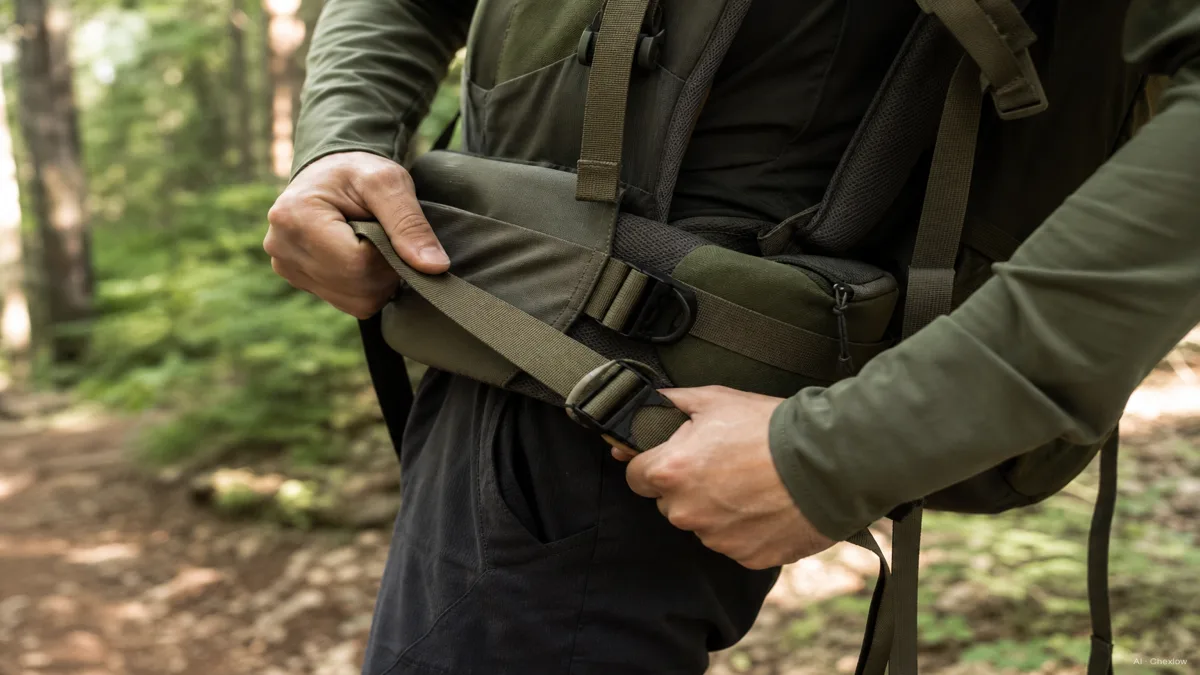
Once you've got the right size, check the hip belt fit directly, the padding should extend slightly past the front of your hip bones, and you want at least an inch of clearance on either side of the center buckle. A hip belt that rides too high, too low, or pinches at the buckle will never carry weight properly no matter how good the pack is on paper.
Which One Should Your First Pack Be?
For most people just getting into hiking, the answer is a daypack first. It's the cheaper, lower-commitment purchase, entry-level daypacks start at roughly $40, and it's also the most versatile buy, the same pack works for day hikes, commuting, and travel. There's no reason to carry a 60-liter frame around a city or a groomed day trail.
Size up to a 50 to 65-liter multiday pack only once an actual overnight or multiday trip is booked. Multiday packs cost more, weigh more, and need more careful fitting, none of which pays off until you're genuinely carrying a full shelter system for multiple nights. Buying the bigger pack "just in case" usually means an expensive, oversized bag for years of day hikes.
One feature worth knowing about, some multiday packs include a removable daypack module, useful if you're planning a base camp with day trips or summit pushes from it. That hybrid feature can be worth checking for if you can already see yourself doing both kinds of trips.
Buying Checklist, Fit, Features, and When to Upgrade
Before you check out, run through this:
Torso length measured, not guessed. Measure C7 to iliac crest and check it against the specific model's size chart.
Hip belt padding extends past your hip bones, with clearance on either side of the buckle, and it's stiff enough to actually bear weight if this is a multiday pack.
Capacity matched to nights, not gear list. Start from how many nights you're carrying for, then pick the liter range, not the other way around.
Breathable back panel if you're buying multiday. Sustained heavier loads over multiple days need more airflow than a daypack ever will.
Upgrade trigger is a booked trip, not a feeling. Move up to a multiday pack when an overnight itinerary is actually on the calendar, not because a bigger pack looks more serious.
Sources
- REI Expert Advice — How to Choose a Backpack — sizing and fit fundamentals across daypacks and multiday packs.
- REI Expert Advice — Daypacks: How to Choose — daypack capacity ranges and use cases.
- REI Expert Advice — Backpacks: Fit & Torso Size Guide — torso length measurement and hip belt fit check.
- REI Co-op — Backpacking Backpacks for Overnight & Multiday — multiday capacity ranges by trip length.
- GearLab — How to Choose a Daypack for Hiking — daypack sizing and feature guidance.
- Light Hiking Gear — Day Hiking Packs vs Multi-Day Packs — sizing without overpacking.
- Washington Trails Association — How to Choose a Backpack — practical selection guidance from a hiking organization.
How this guide was built
This piece started from a question first-time buyers keep running into, why do backpack sizes run from 15 liters to 80 liters with no clear line between categories. We anchored the capacity ranges and terrain framing on REI's Expert Advice for daypacks and backpacking packs, cross-checked the fit mechanics, torso length and the eighty-percent hip-belt load rule, against REI's dedicated fit guide, and pulled sizing philosophy from GearLab, Light Hiking Gear, and Washington Trails Association. The selection lens sits on Chexlow's hiking pack range, so the framing reflects packs you can actually compare here.
Edited by the Chexlow team · Images are AI-generated illustrations