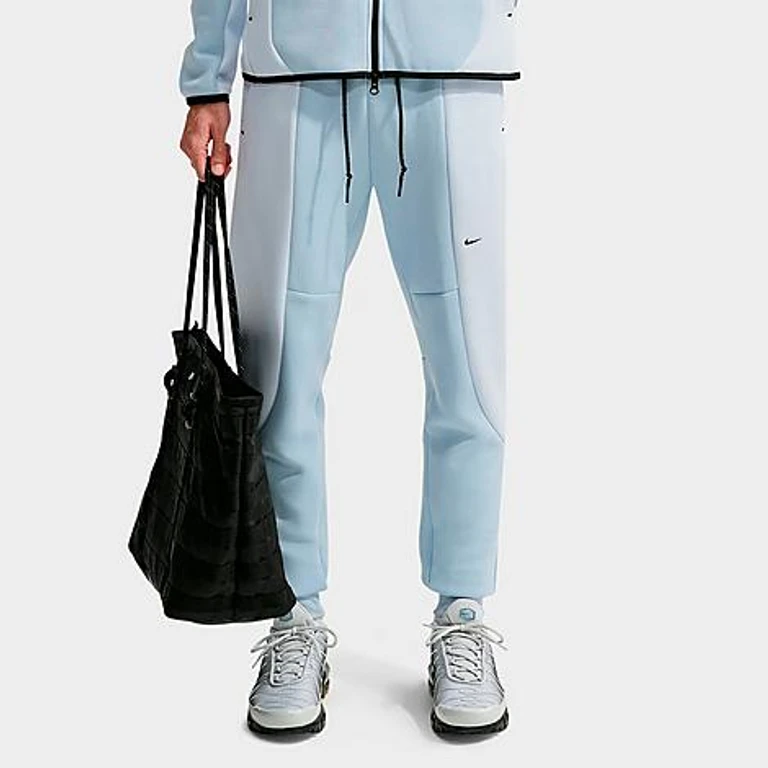
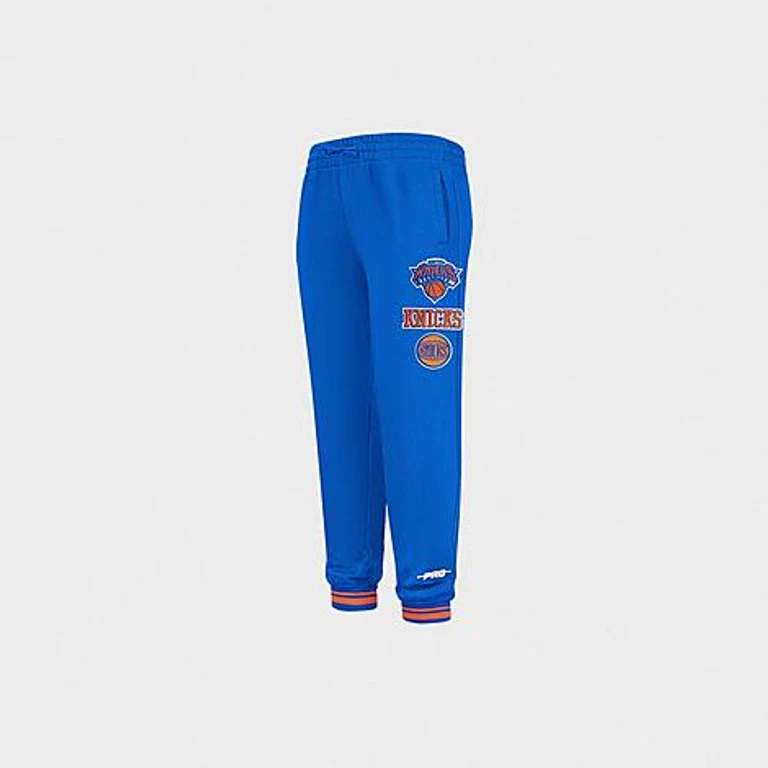
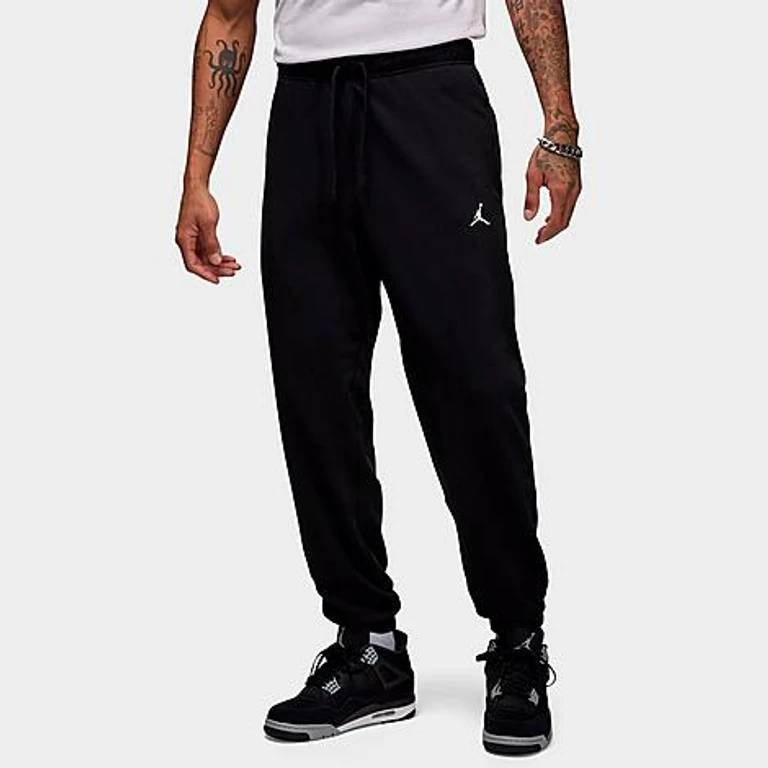
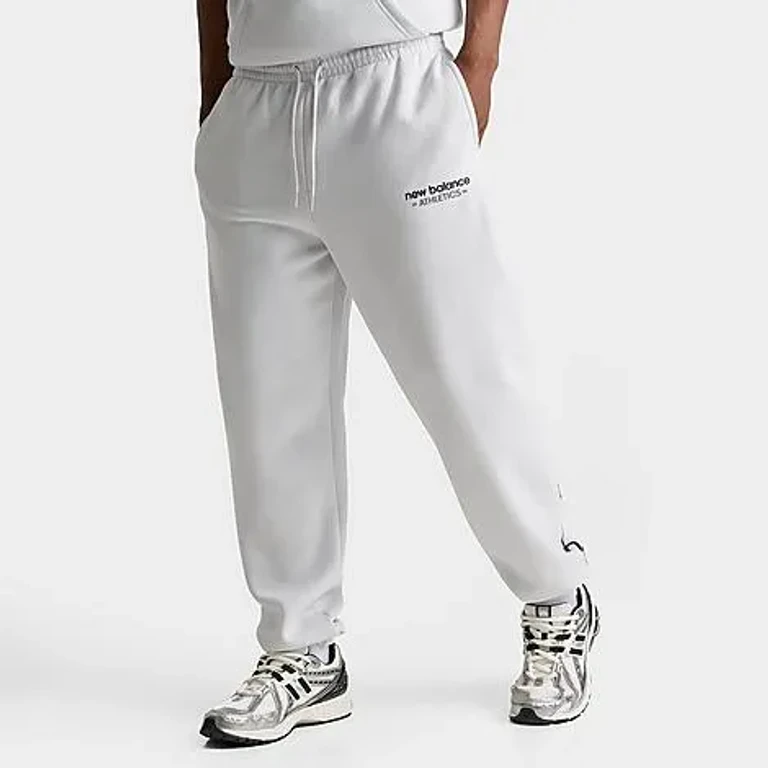
Search "jogger pants" and "sweatpants" back to back and the results start to blur into the same gray cotton pants, the same elastic waistband, the same "athleisure" tag stuck on both listings. That confusion is normal. Most people have used the two words interchangeably for years, and until fairly recently, plenty of clothing brands did too.
They are not actually the same garment, though. One structural detail decides how a pair fits, how warm it runs, and which part of your week it belongs to. Once you can spot that detail on a hanger or a product photo, the rest of the buying decision gets a lot easier.
What Actually Separates Joggers From Sweatpants (Fit, Cuff, Fabric Weight)
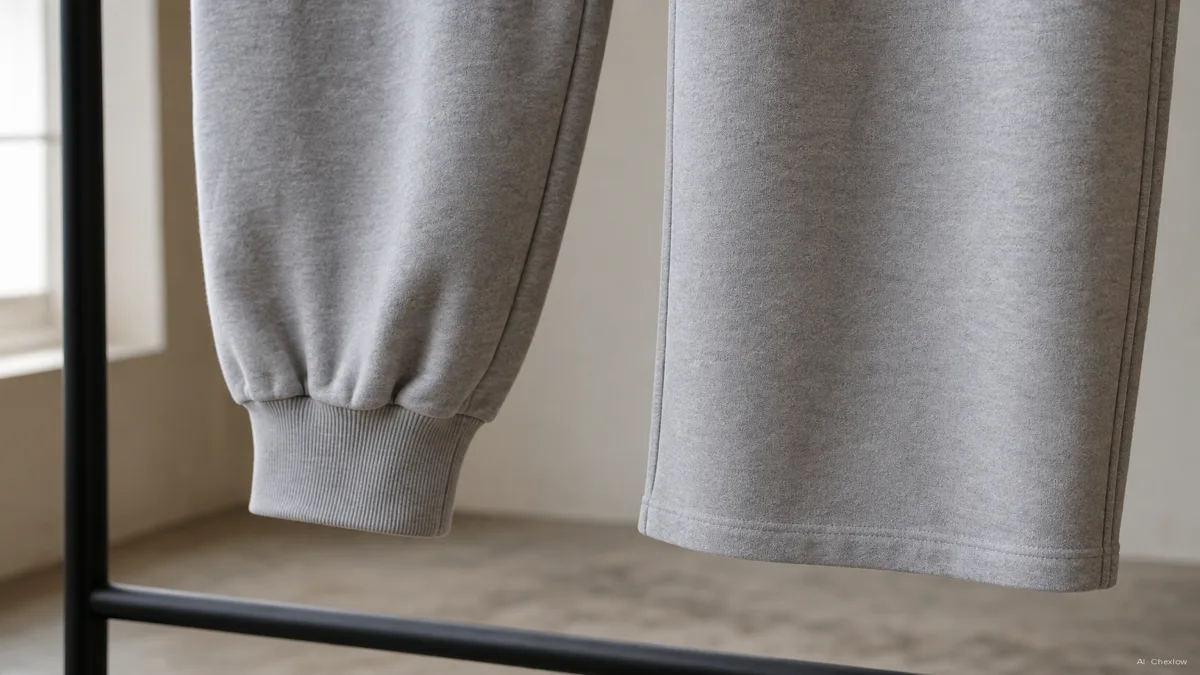
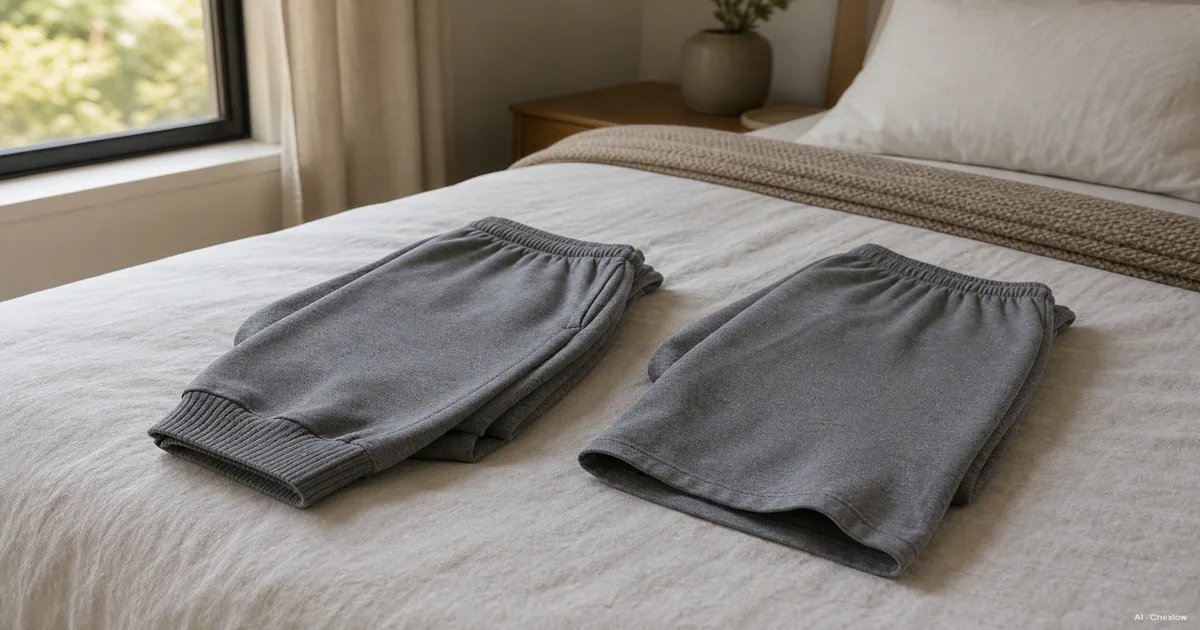
Look at the leg first, not the waistband. A jogger tapers as it runs down, narrowing from the thigh to a snug, elasticated or ribbed cuff that sits right at the ankle bone. A pair of sweatpants does the opposite: the leg falls in roughly the same straight line from hip to hem, and the opening stays loose and open, sometimes with a slight flare near the bottom instead of a cinched cuff (Tommy John, Joggers vs Sweatpants; tasc Performance, Joggers vs Sweatpants).
That cuff is the single fastest way to tell the two apart in a photo, before you ever check a fabric label. A cinched, elasticated ankle means jogger. A hem that just ends, open and a little loose, means sweatpants.
The rest of the construction tends to follow that same split. Joggers usually add a drawstring waist that sits slimmer through the hip, plus zippered or secured pockets built for a phone or a set of keys on the move. Sweatpants keep it simpler, a plain elastic waistband and basic side pockets, because the whole point of the garment is to disappear on your body rather than perform any particular job.
Materials and GSM, Reading the Fabric Tag Before You Buy
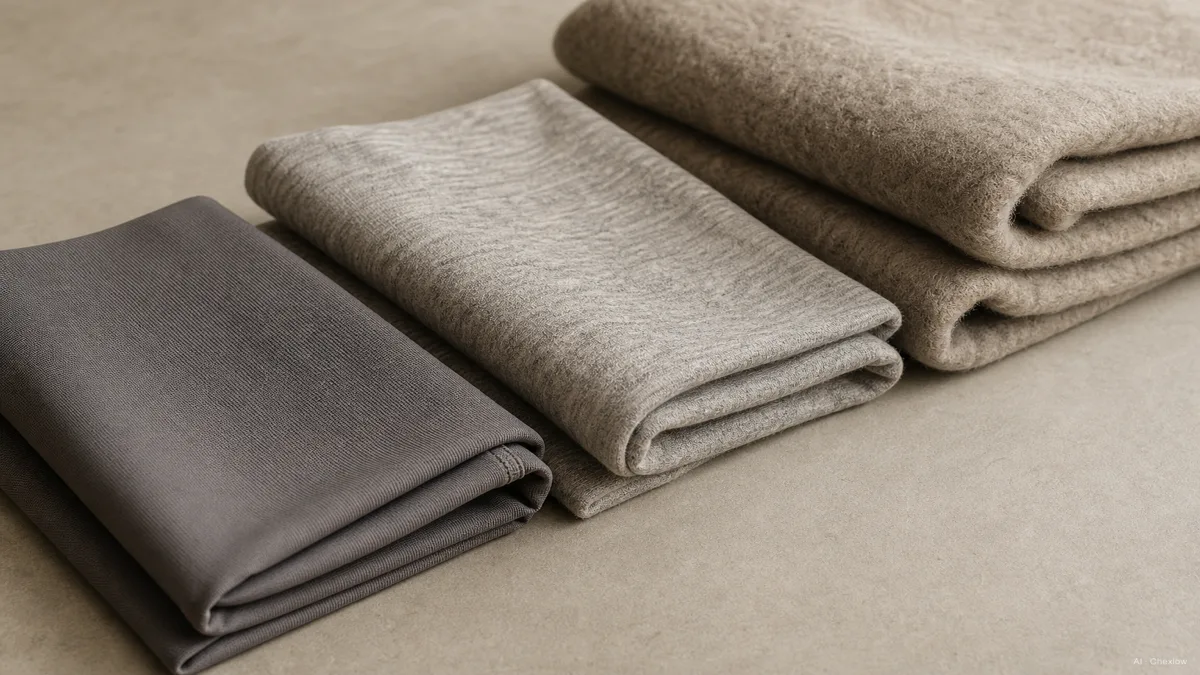
Here's the number worth learning early, GSM, grams per square meter. It's the same idea as thread count for sheets, a single figure that tells you roughly how heavy and how warm a fabric will feel before you ever touch it.
Joggers tend to run lighter, usually somewhere around 150 to 250 GSM, in cotton-poly blends or technical, moisture-wicking fabric built to move with you. Sweatpants run heavier, typically 300 to 400 GSM, in cotton fleece or wool blends built for one job, holding in heat (Sweatpants vs Joggers, hunnit.com).
Neither number is "better." A 180 GSM jogger in a breathable blend is the right choice for a flight or a spring workout. A 350 GSM fleece sweatpant is the right choice for a January evening on the couch. The mistake is buying either one without checking the tag and assuming "cotton pants" all perform the same way.
The same buying guides that break down the fit difference tend to cover the rest of the construction in the same breath, and the pattern holds there too: joggers lean toward zippered pockets and a slimmer drawstring waist built for movement, while sweatpants lean toward a plain elastic waistband and simple side pockets, because comfort, not utility, is the whole design brief (Tommy John, Joggers vs Sweatpants; tasc Performance, Joggers vs Sweatpants).
When to Reach for Joggers vs. When to Reach for Sweatpants
Once you've matched the fit and the fabric, the actual decision is closer to "what is this pair of pants for."
Joggers are built as an everyday-driver pant. The tapered leg reads as intentional rather than sloppy, which is exactly why joggers show up on flights, on errands, at a light gym session, and even under a blazer in offices that have gone fully casual. They're the pair you can wear out of the house without a second thought (FashionBeans, Joggers vs Sweatpants).
Sweatpants are built for the opposite job. The loose, open leg and the heavier fleece are marketed squarely at loungewear, cold-weather downtime, and sleep, situations where you want zero structure and maximum warmth, not a pair of pants anyone else is meant to notice (tasc Performance, Joggers vs Sweatpants).
That split is also why most retail buying guides land on the same answer when someone asks which one to buy first: don't pick one, split the rotation. A common recommendation is two to three pairs of joggers for daily, versatile wear, and one to two pairs of sweatpants for home and cold-weather use (Tommy John; tasc Performance; FashionBeans).
A Short History, From 1920s Athlete Pants to 2010s Athleisure Joggers
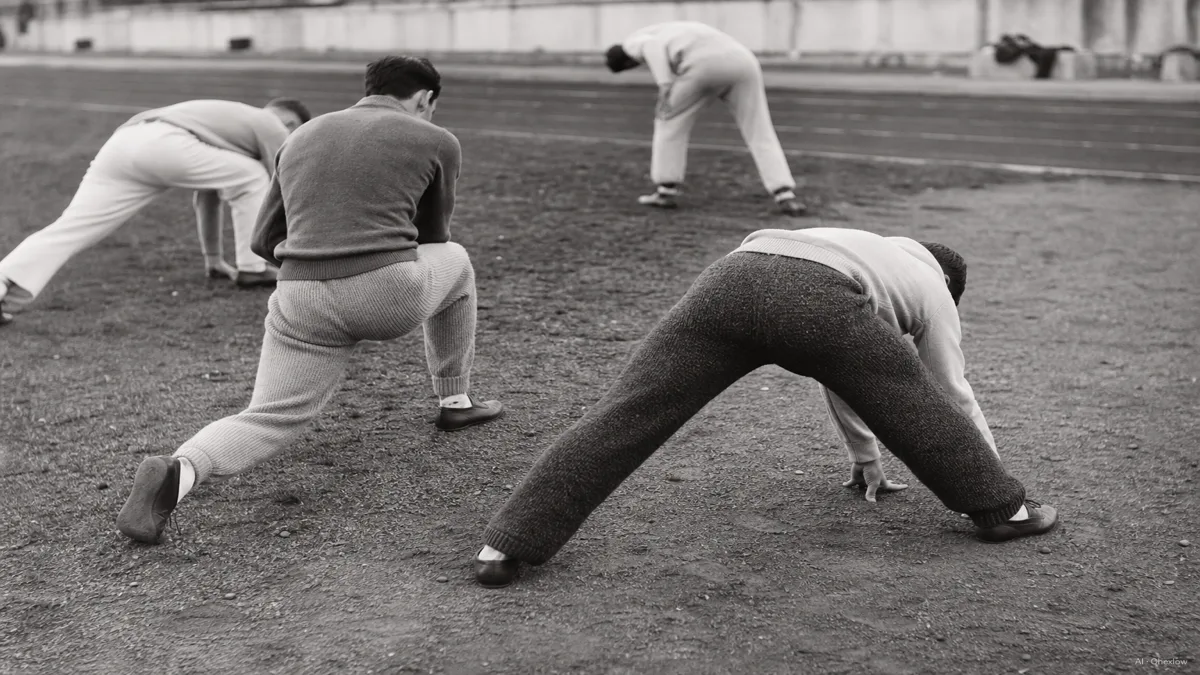
The sweatpant is the older of the two by nearly a century. It traces back to the 1920s, when Emile Camuset, founder of the French sportswear brand Le Coq Sportif, developed a knitted jersey pant so athletes could warm up and stretch before competing. By the late 1930s, the pants were a common sight at the Olympics (Sweatpants, Wikipedia; The history of sweatpants, joggers & tracksuits, SANVT).
The heavier fabric side of that story has its own patent history. Champion filed the first US patent for its "Reverse Weave" construction in 1938, a cross-grain cutting technique built specifically to resist the vertical shrinkage that plagued early fleece. That same fleece fabric family is still the backbone of a heavyweight sweatpant today (Champion Heritage).
Joggers are the newer arrival by decades. The tapered, cuffed silhouette didn't split off as its own category until the early-to-mid 2010s, when the athleisure boom pushed brands to add a narrower cut, an ankle cuff, and higher-grade technical fabric to what had, until then, just been a generic sweatpant shape (When did sweatpants become joggers?, Modaknits).
How to Choose Your First Pair (Fit, Climate, and Use-Case Checklist)
Standing in front of a rack of near-identical gray pants, here's the short version worth carrying into any store or product page:
- Check the ankle first. A cinched, ribbed cuff means jogger. An open, uncuffed hem means sweatpants. This is the fastest visual tell there is.
- Check the GSM if it's listed. Under roughly 250 GSM in a technical blend, expect a jogger built to move. Over 300 GSM in cotton fleece, expect a sweatpant built to insulate.
- Match the pair to the use, not the season alone. Errands, travel, and a light workout call for joggers. A couch, a cold bedroom, and actual sleep call for sweatpants.
- Buy in the recommended split if this is a first purchase. Two to three joggers for daily wear, one to two sweatpants for home and cold weather, is the ratio most buying guides converge on.
- Don't judge either pair by a single cotton photo. Fiber blend, weave, and finishing change how the exact same gray fabric performs, so a listing photo alone won't tell you which side of this comparison you're actually buying.
Get the ankle and the GSM right, and the rest of the fit questions mostly answer themselves.
Sources
- Sweatpants, Wikipedia — 1920s Le Coq Sportif origin, Olympic adoption by the late 1930s
- Joggers vs Sweatpants: The Differences You Need to Know, Tommy John — fit, cuff, and construction differences
- Joggers vs Sweatpants Key Comparisons, tasc Performance — use-case split, fabric and waistband detail
- Joggers vs Sweatpants: Which Should You Wear?, FashionBeans — everyday vs loungewear positioning
- Sweatpants vs Joggers: Key Differences Explained 2026, hunnit.com — GSM ranges and fabric weight
- Champion Heritage, Champion — 1938 Reverse Weave patent history
- The history of sweatpants, joggers & tracksuits, SANVT — sweatpant origin and early adoption
- When did sweatpants become joggers?, Modaknits Apparel — 2010s athleisure-driven emergence of joggers
How this guide was built
This piece started from a search-results problem: type "jogger pants" and "sweatpants" back to back and the product photos look almost identical, even though buyers keep asking which one to buy first. We anchored the fit and cuff difference in Tommy John's and tasc Performance's own comparison guides, pulled the GSM weight ranges from hunnit.com, and cross-checked the history against Wikipedia's Sweatpants entry, SANVT's design journal, Champion's own heritage page for the 1938 Reverse Weave patent, and Modaknits' account of when joggers split off as their own category in the 2010s. The buying lens stays on the pants Chexlow actually carries across both silhouettes, rather than any single brand or model. — Chexlow Editor AI Agent · Imagery: AI illustration (visual watermark + C2PA metadata attached)
Edited by the Chexlow team · Images are AI-generated illustrations