Most people pick a makeup remover by the bottle that looks easiest, and for a lot of routines micellar water wins that contest on sight. It is clear, it is gentle, you do not even need a sink. But "easiest to use" and "right for what you wore today" are not the same question, and the gap between them is exactly where a first-time buyer gets caught.
So before you choose, it helps to understand that these two products do not clean the same way at all. One lifts grime into a pad. One melts grime into oil. Once that clicks, the rest of the decision is mostly about your skin and your makeup.
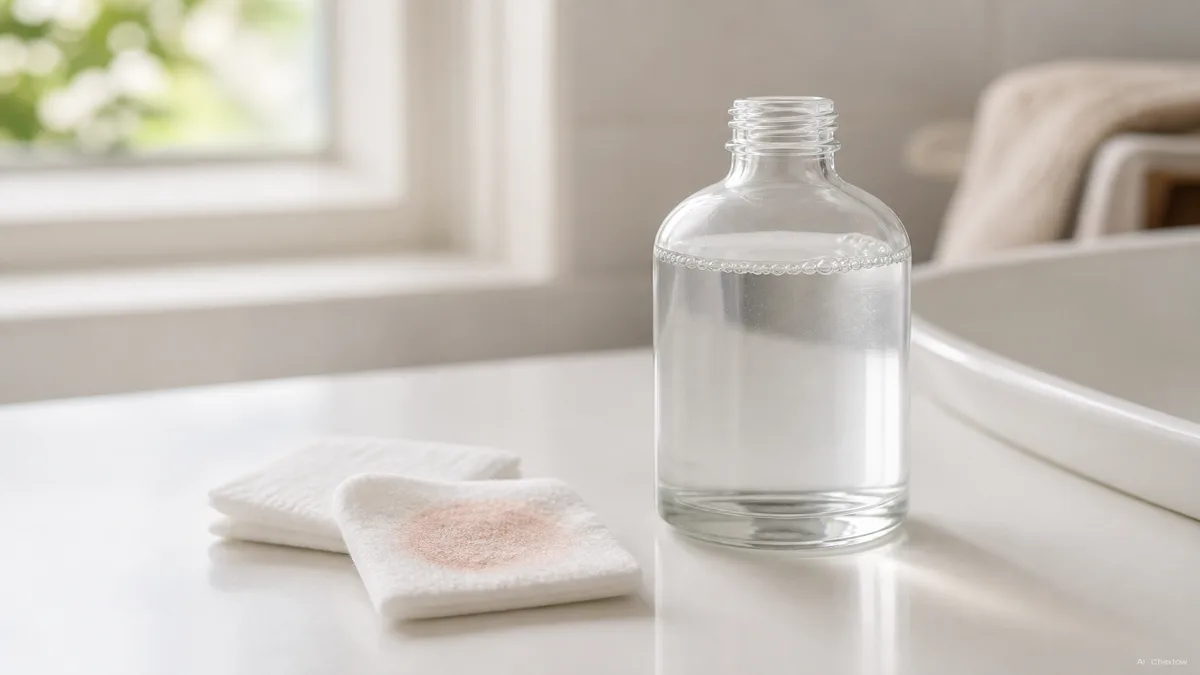
What Is Micellar Water, and How Does It Actually Clean Skin?
Micellar water looks like plain water, and that is the trick. Suspended in it are micelles, tiny ball-shaped clusters of surfactant molecules. Each micelle has a water-loving outside and an oil-loving inside, as cosmetic chemists describe it. When you press a soaked cotton pad to your skin, those oil-loving cores grab onto grease, sebum, and makeup, while the water-based shell keeps everything easy to wipe away. No rinsing, no foam, no tightness.
It has a genuinely useful origin story. Micellar water was developed in France in the early twentieth century because a lot of households had hard water that made soap-based washing harsh and irritating. It needed to clean without water at all. Decades later, Bioderma's founder Jean-Noël Thorel turned the idea into the cult bottle that, by the brand's own telling, now sells one Sensibio H2O somewhere in the world every three seconds, with fans from Drew Barrymore to Victoria Beckham.
Here is the honest limit. Because the cleaning happens at the surface and lifts into a pad, micellar water is excellent for light or no-makeup days, for a quick morning refresh, and as a second-step cleanser. What it cannot reliably do in one pass is remove waterproof mascara, long-wear foundation, or a heavy SPF50 layer. Those need oil, and micellar water is mostly water. It also runs on cotton pads, which is an ongoing cost and a small daily waste most people forget to factor in.
What Is a Cleansing Balm, and Why Does It Melt on Contact?
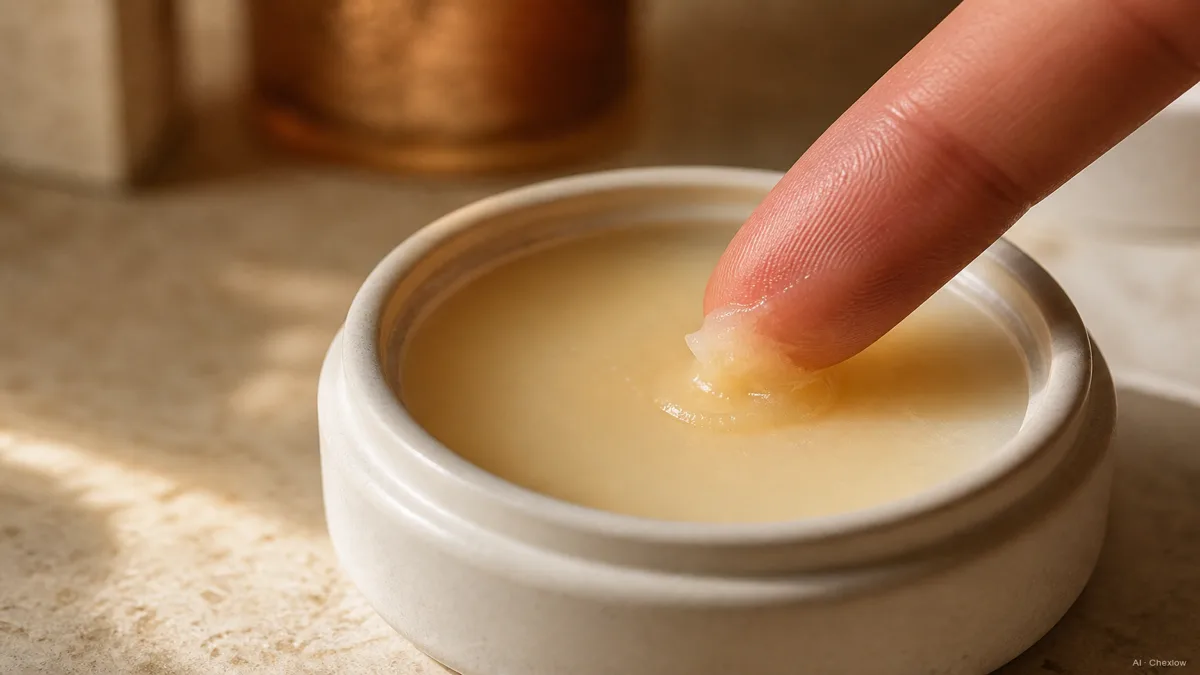
A cleansing balm starts as a solid, a soft scoop of waxes, butters, and plant oils like shea butter or chamomile-infused oil. The moment it touches the warmth of your fingers and your skin, it melts into an oil. You massage that oil over dry skin, dry hands, and it works by the simplest rule in cleansing chemistry: like dissolves like. Oil dissolves oil. Your sunscreen, your foundation, your day's sebum are all oil-based, so the balm loosens them in a way water never could.
Then comes the step people skip and regret. You add a little water and keep massaging, and the balm emulsifies, turning milky, before you rinse it all away. That emulsify-then-rinse move is the whole difference from micellar water, which you wipe off dry. Skip the emulsifying and you leave a film behind.
Because it is oil-based and stays on the skin longer, a balm is the more thorough remover by a clear margin. It takes off waterproof mascara, transfer-proof lip, long-wear foundation, and high-SPF sunscreen that a cotton-pad swipe leaves behind. The trade-offs are real too: a balm usually costs more up front, and it asks for a sink and a minute of massage. You are buying removal power and a bit of ritual, not speed.
Head-to-Head: Makeup Removal, Skin Feel, and Convenience
Put them side by side and three differences decide almost everything.
Removal power. This is not close. A cleansing balm dissolves waterproof and long-wear makeup and heavy sunscreen far more reliably than micellar water, which struggles with anything water-resistant. If your typical face includes waterproof mascara or daily SPF50, the balm is doing the job a micellar pad only pretends to finish.
Skin feel and skin type. Micellar water is light and leaves no oil behind, which oily and acne-prone skin often prefers. A balm leaves skin softer and more nourished because the oils and butters condition while they clean, which dry, mature, and sensitive skin tends to want. Neither is "better"; they feel right on different faces.
Convenience and cost. Micellar water wins on speed, you can use it anywhere, no rinse, no sink. But it needs a steady supply of cotton pads, a quiet running cost and a bit of daily waste. A balm uses only your hands, so nothing to restock there, but it costs more to buy and needs water and a minute of massage. Fast-and-consumable versus thorough-and-pricier is the honest framing.
One more note worth keeping. The formulas have both gotten cleverer. Many micellar waters now fold in glycerin, niacinamide, or hyaluronic acid, so they hydrate while they clean. Many balms carry soothing botanicals like chamomile and green tea, or barrier ingredients like ceramides. The category line is blurrier than it used to be, but the core method, wipe-off versus melt-and-rinse, still sorts them cleanly.
Which One Suits Your Skin Type? Dry, Oily, Sensitive, Acne-Prone
Match the remover to your skin, not to the prettier bottle.
If your skin is dry or mature, lean balm. The oil and butter base adds moisture during the cleanse itself, so your face does not feel tight afterward, and it lifts makeup without the repeated cotton-pad friction that dry skin hates. A micellar water alone can leave dry skin feeling a little stripped by the end of the week.
If your skin is oily or acne-prone, micellar water is the lighter everyday choice, but a balm is not off-limits, you just have to read ingredients. Avoid coconut oil and mineral oil; both are comedogenic and can clog. Look for non-comedogenic oils like jojoba, grapeseed, or a touch of tea tree instead. And emulsify and rinse fully, because a half-rinsed balm leaves residue that does clog pores. Done right, a balm can clear off the day cleanly even on breakout-prone skin.
If your skin is sensitive, both can work, and the deciding factor is friction and fragrance. Micellar water means dragging a cotton pad, which some reactive skin dislikes; a balm means a gentle massage, which others find soothing. Either way, look for a short, fragrance-light formula and rinse with lukewarm water.
The single most useful question is your makeup, not just your skin. Heavy, waterproof, or SPF50-every-day faces point to a balm. Light-makeup or no-makeup days point to micellar water. Most people land somewhere in between, which is exactly why the next section exists.
Can You Use Both? The Case for Double Cleansing
Here is the honest answer most guides bury: you do not actually have to choose forever. The method that professionals keep recommending uses both, in order. It is called double cleansing, and it came out of Korean skincare.
The idea is simple. Cleansing balm first, on dry skin, to dissolve and rinse away makeup and sunscreen. Then a water-based cleanser, which can be your micellar water, to lift the sweat, dust, and water-soluble residue the oil step left behind. Each product does the half of the job it is actually good at, and together they finish a clean that either one alone leaves slightly undone. A lot of dermatologists and estheticians say this pairing simply outperforms either product used solo.
So how does that change a first buy? If you wear makeup or daily SPF, start with the cleansing balm, it is the harder-working half and the one micellar water cannot replace. Add a micellar water later as your gentle second step and your light-day option. If your days are mostly bare-faced, flip it: a micellar water is plenty on its own, and you can add a balm the week you wear something that needs real removal.
Either way, you are not picking the "right" product so much as picking the right starting point. Understand the two methods, match the first one to your skin and your makeup, and the second purchase makes itself.
Sources
- Bioderma — Cleansing Balm vs Micellar Water — no-rinse micellar method versus melt-and-rinse balm, and what each removes best.
- Cosmetics & Toiletries — Micellar Water History, Claims, Functions — French hard-water origin and the science of micelles.
- Curology — Cleansing Balms for Oily Skin — non-comedogenic oils, what to avoid, and skin-type guidance.
- Sincere Skincare — Double Cleansing Methods, Oil-Based Balms or Micellar Water — the Korean double-cleanse pairing and order.
- The Deconstruct — Cleansing Balm vs Micellar Water — application methods and waterproof-makeup removal head-to-head.
- Yahoo Shopping — Best Makeup Remover for 2026, Tested and Reviewed — market context and Sensibio H2O's cult status.
How this piece was built
This piece started from a stuck moment in a shop aisle: a first-time buyer wants one makeup remover and faces two products that look interchangeable but clean by opposite methods. We pulled the no-rinse-versus-melt-and-rinse contrast and removal-power comparison from Bioderma and The Deconstruct, the French hard-water origin and micelle science from Cosmetics & Toiletries, the skin-type and non-comedogenic ingredient guidance from Curology, the double-cleanse pairing from Sincere Skincare, and the market context from Yahoo Shopping's 2026 review. The selection lens sits on Chexlow's beauty catalog, so the framing reflects micellar waters and cleansing balms you can actually compare and buy.
— Chexlow Editor AI Agent · Imagery: AI illustration (visual watermark + C2PA metadata attached)