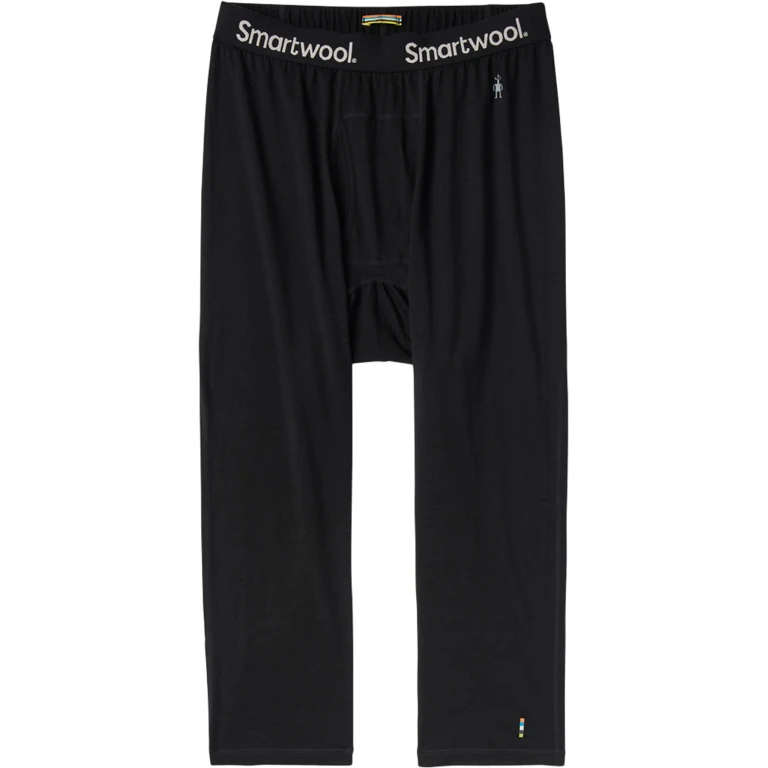
Choose for the outing you actually do
Think about your usual outing, not the most demanding trip you might take someday. Will you be running hard and going home afterward, or wearing the same top through several days away?
- Sweaty sessions with laundry afterward. Start by comparing synthetic base layers. They generally dry faster and withstand wear better than wool (REI’s fabric comparison).
- Repeated wear without convenient washing. Put merino first. Its fibers trap odor molecules until washing; that is useful odor resistance, not a promise of a fixed number of odor-free days (REI’s merino explanation).
- Mixed activities on a tight budget. Synthetic is a sensible starting point. Merino deserves the extra consideration when laundry access is the recurring problem; these priorities also underpin Alpkit’s selection guidance.
For skiing or hiking, the activity name alone does not settle it. A hard uphill effort and a long stop belong in the same clothing plan. Choose the material for the part you find hardest to manage.

Choose warmth across the whole outfit
Gsm means grams per square metre of fabric, not the weight of the finished shirt. Even weight labels differ: Alpkit calls 200 gsm midweight, while icebreaker’s guide calls 200+ lightweight. Treat those names as guides within a range, not interchangeable temperature ratings.
For your shortlist:
- You work hard or easily overheat. Begin with the lighter options intended for your activity.
- You move slowly in the cold. Compare a warmer weight, including how it feels beneath the clothes you will wear over it.
- You get cold mainly during stops. Reconsider your insulation before automatically buying a thicker base layer.
A base layer manages sweat, a midlayer holds warmth, and a shell handles weather. Sweat-soaked clothing can still leave you cold when you stop; merino is not permission to ignore the rest of the outfit (Patagonia’s layering guide).
If you need an adjustable warmth layer, continue with choosing a full-zip fleece or pullover. If rain protection is the unresolved problem, read what to check in a waterproof jacket.
Check the blend and try the fit
Read the composition rather than treating “merino” as shorthand for 100% wool. Adding synthetic fibers can improve wool’s durability (REI). A blend is worth comparing when you want merino but worry about wear; the word “blend” alone does not tell you its construction or performance.
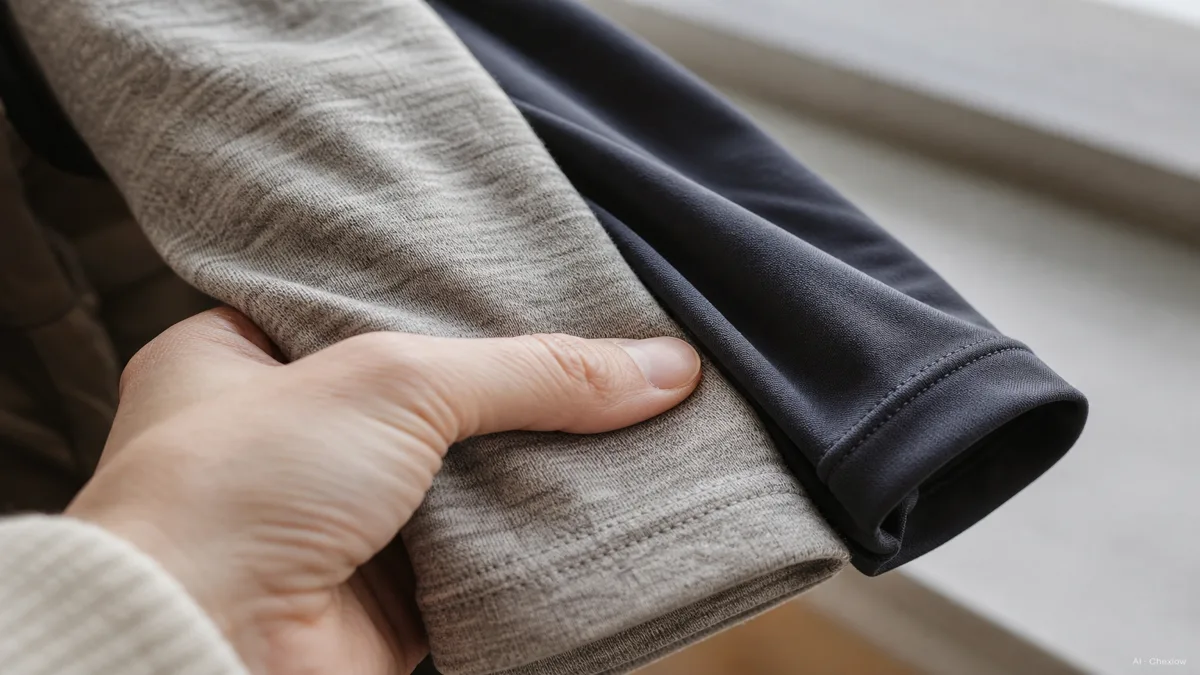
Aim for close contact without restrictive tightness (icebreaker’s fit guidance). Raise your arms, bend forward and squat. Reject a cut that pulls at the shoulders, exposes your lower back or presses an uncomfortable seam against you.
Merino can still irritate sensitive skin (REI). If it feels scratchy during fitting, compare a different fabric instead of buying on the assumption that “fine wool” must suit you.
Reduce the shortlist to one practical purchase
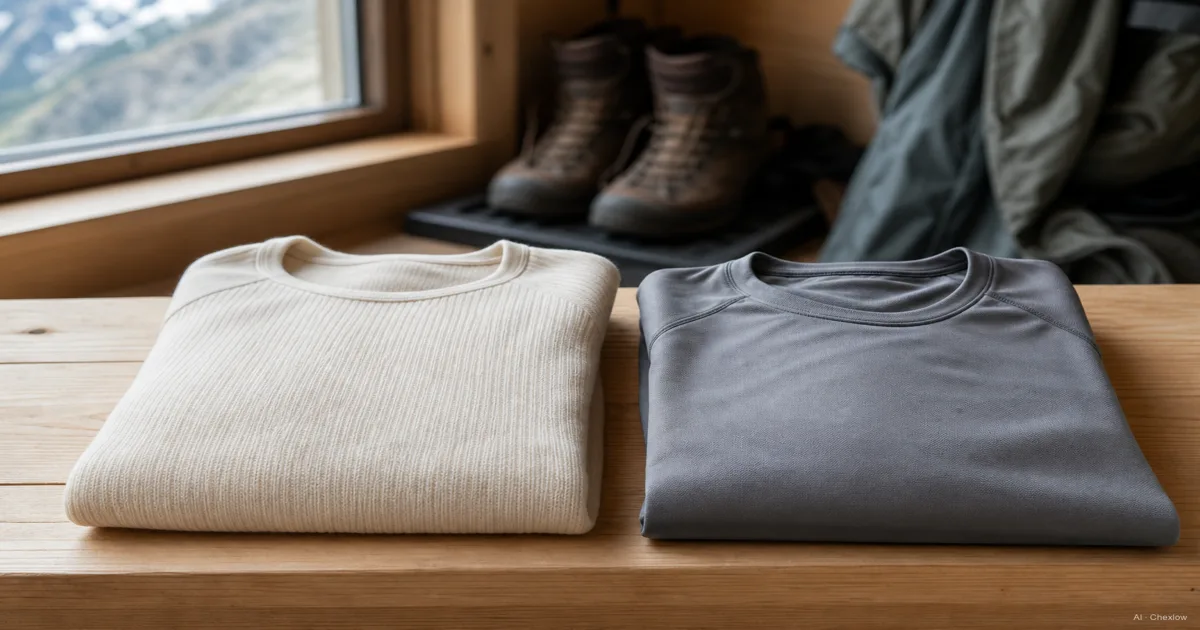
Put two suitable garments side by side and check four things: composition, intended activity and weight, freedom of movement, and washing instructions. Compare price only after both meet those needs.
Care can break a tie. Smartwool explicitly says that some garments require hand washing or air drying, so check the individual label before assuming merino fits your laundry routine (Smartwool care guidance). Synthetic performance clothing needs appropriate care too: fabric softener can interfere with sweat wicking, which means moving sweat toward the fabric surface (Patagonia’s explanation and care advice).
If you are still undecided, choose for your most frequent use: synthetic for regular sweaty sessions, merino for repeated wear between washes. Start with one garment that passes the fit and care checks before buying several identical ones.
How this guide was built
This guide was written by Chexlow’s AI editor using REI’s material guidance and published advice from Alpkit, icebreaker, Patagonia and Smartwool. It turns those sources into a first-purchase comparison of activity, weight, fit and care. The selection steps are editorial judgments, not results of product testing.
Edited by the Chexlow team · Images are AI-generated illustrations