What makes a parka — length, hood, and weather design
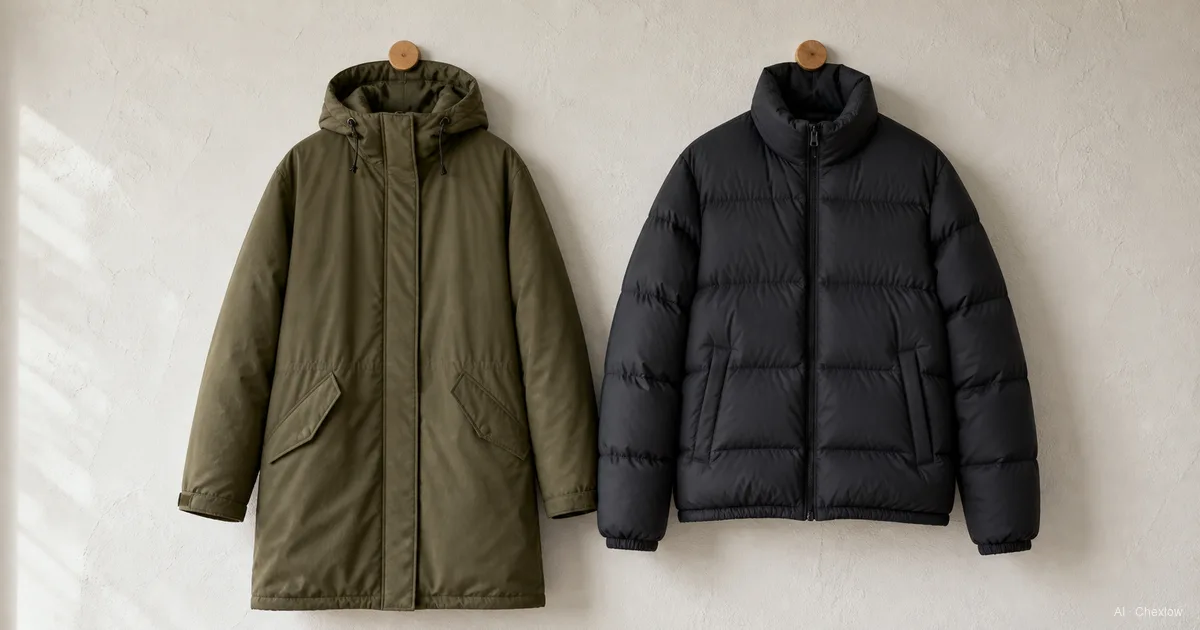
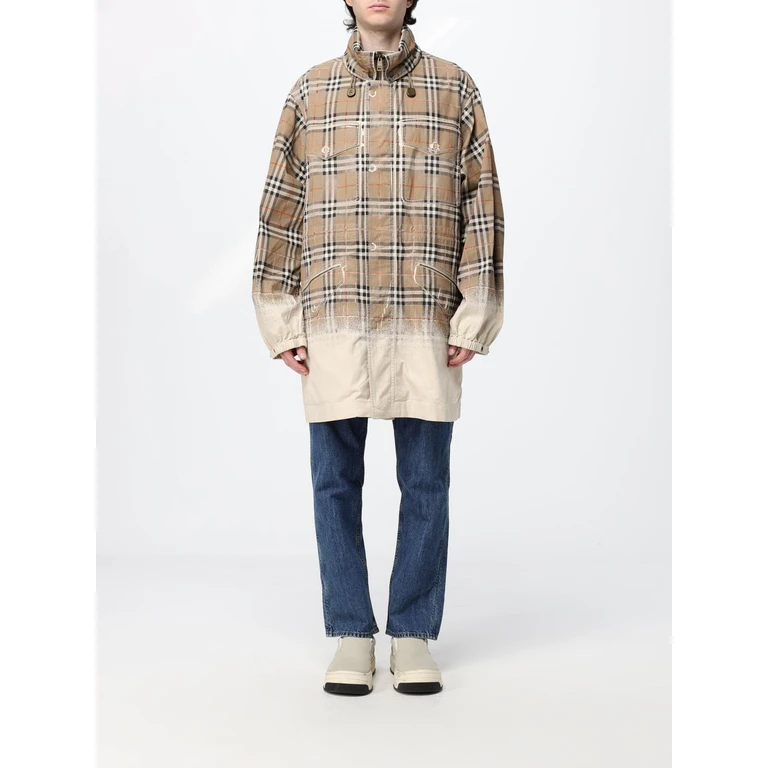
The term "parka" historically refers to a hooded garment from Arctic indigenous traditions — a long, heavily insulated coat designed for the most extreme cold (Wikipedia, Parka). In modern outdoor and fashion retail, "parka" has loosened to describe any insulated coat that reaches mid-thigh or below with a hood. The hood is nearly always part of the definition; a long insulated coat without a hood is typically called a coat or overcoat rather than a parka.
Length is the functional story. A parka that falls to mid-thigh or below covers the body core, the hip joints, and the upper legs. In cold, wet, or windy conditions, these are the body areas where heat loss accelerates when left exposed — particularly the hip flexors and the area around the kidneys, which are cold-sensitive and not well covered by a hip-length puffer (Wirecutter, Best Parka). A parka also protects the thighs from wind chill during walking, which a hip-length puffer does not.
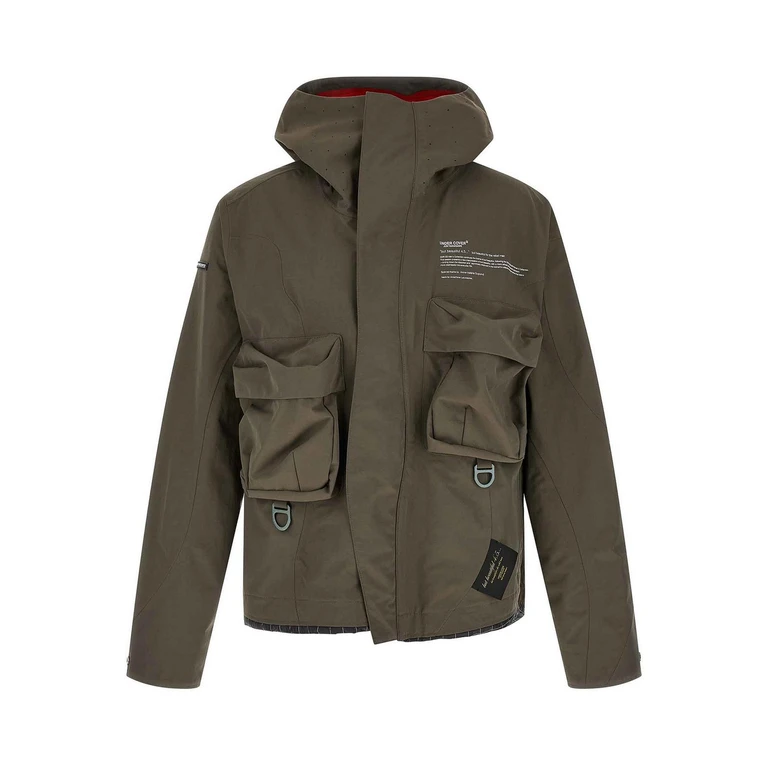
Parkas typically feature: a longer-than-hip hem, a hood with a drawcord or fur trim for face protection, a wind-resistant or waterproof shell, and multiple interior and exterior pockets. Many parkas are insulated with down — which provides the best warmth-to-weight ratio — but heavyweight synthetic fill (like PrimaLoft) and even heavy wool or fleece linings are used in fashion-oriented parkas where packability is not a priority.
The tradeoff: a warm, long parka is heavy and does not compress well. It is not the jacket you pack on a business trip or carry in a day pack. It is the jacket that lives in your closet and comes out for the coldest days of the year.
What makes a puffer — baffle construction and fill efficiency
A puffer (also called a down jacket, quilted jacket, or padded jacket) is defined by its quilted baffle construction: rows of insulation channels sewn into the jacket's shell fabric, each filled with loose insulation. The baffle creates a loft structure that traps air and retains heat, and it can be compressed and spring back because the fill (down or synthetic) has elasticity (REI Co-op, Down vs. Synthetic Insulation).
There are two main baffle construction types:
- Sewn-through baffles (the outer shell and inner lining are stitched together through the fill) are thinner, lighter, and pack more easily. They create cold spots along the stitch lines, which reduces overall thermal efficiency compared to box baffles. Most lightweight puffers use sewn-through construction.
- Box baffles (separate inner and outer fabric with 3D compartments) eliminate the cold spots at stitch lines by creating insulated walls between the channels. Box baffles are warmer for a given fill weight, but the additional fabric makes them heavier and less compressible than sewn-through construction of the same fill weight.
Down fill is the more efficient option: it compresses smaller and springs back to greater loft than synthetic fill of equivalent warmth. It is the preferred fill for puffers where packability is important. Synthetic fill is heavier at equivalent warmth and does not compress as small, but retains some insulation when wet — which down does not — and is generally less expensive.
The puffer's defining advantage is portability. Even a warm 700-fill down jacket can compress to roughly the size of a water bottle. This makes puffers the default choice for travel and for people who need a warm layer that does not dominate their bag.
Warmth vs. length — matching the category to your coldest conditions
The warmth-length tradeoff is the central decision point. A parka provides more total warmth in very cold weather because it covers a larger body surface, but a puffer of equivalent fill-weight can achieve very similar core warmth.
Where a parka clearly wins: sustained exposure to wind and cold below -10°C (14°F), particularly during activities that involve standing or slow walking — waiting for public transit, walking a dog in deep winter, commuting on foot in a northern city. In these conditions, the additional leg and hip coverage a parka provides is functionally significant. The feeling of cold entering from below (through exposed thighs) is the reason most people who have owned both in a genuinely cold climate end up reaching for the parka on the coldest days (Wirecutter, Best Parka).
Where a puffer clearly wins: travel, mild-to-moderate cold (above -5°C / 23°F), any situation requiring a jacket that packs small, and active use (where a parka's extra length becomes a hindrance in stride). A puffer works better as a layering piece under a rain shell and better in conditions where temperatures vary across the day and you need to pack the jacket when warm.
The honest answer for most people living in climates where the temperature rarely drops below -10°C is that a good mid-weight puffer covers 90% of cold-weather situations. For the other 10%, a heavyweight parka is the right tool.
Packability comparison — when the difference matters
A typical high-quality packable puffer (700-fill down, sewn-through baffles, lightweight shell) compresses to a roughly 1-liter volume — small enough to fit in a jacket pocket. A typical expedition parka (800-fill down, knee-length, heavy DWR shell) may compress to 5 to 8 liters or not compress meaningfully at all. Most fashion parkas with thick synthetic fill or fleece linings do not stuff into a pouch and are not intended to.
For daily commuters who carry a bag, packability is less critical than for travelers. But packability also affects how useful a jacket is as a mid-layer under a rainshell or how easily it fits in a locker at work. The flexibility of a compressible puffer is real and extends beyond travel.
If you own only one insulated jacket, a packable puffer offers more flexibility across situations. If you can own two, a lightweight puffer plus a long, heavier parka covers the full cold-weather range more efficiently than any single jacket (Outdoor Gear Lab, Best Down Jacket).
Urban vs. outdoor use cases
Parkas skew urban. A long parka is ideal for the commuter who walks from a train station to the office through cold wind, stops outside at a café terrace, or spends time at a sports event in cold weather. It is not ideal for trail use — the length impedes hiking stride, the hood design is typically not technical (not helmet-compatible, not adjustable for precipitation angle), and the weight is not optimized for what you will carry in a pack.
Puffers span both contexts. A lightweight puffer is one of the most versatile garments in cold-weather outdoor use — it can be a mid-layer under a hardshell on a winter hike, a standalone jacket for camping at shoulder season, or a packable layer for an urban trip that will hit cold evenings. The same jacket that works for an alpine approach works as a city everyday jacket in the same temperature range.
The exception: a heavy, long puffer with a down-filled hood and substantial insulation can approach parka warmth in a shorter format. These "parka-length puffers" or "expedition puffers" exist at the premium end of the market and represent a deliberate hybrid — but they usually sacrifice packability and active-use performance to achieve it (Patagonia, Parka vs. Puffer).
Shell material and water resistance
Both parkas and puffers have shells — the outer fabric layer that faces weather — and the shell material significantly affects how useful the jacket is in wet conditions.
DWR treatment (Durable Water Repellent) is applied to most outdoor-oriented parka and puffer shells. It causes water to bead off the outer surface rather than soaking in. A fresh DWR treatment handles light rain for a short period. DWR wears off with use and washing but can be restored with a heat cycle in a dryer or a DWR spray. Most puffers and parkas lose meaningful DWR effectiveness after 20 to 30 wash cycles without re-treatment.
Waterproof shells (membrane-laminated fabrics like Gore-Tex, eVent, or proprietary equivalents) block rain indefinitely and are used in technical parkas and some premium puffers. They add cost and reduce breathability compared to DWR-only shells. For urban parkas intended for rain-heavy climates, a waterproof-membrane shell is worth the premium.
Non-treated fashion shells (many urban parkas and fashion-forward puffers) offer no reliable rain protection and wet out quickly. The insulation inside can still keep you warm when damp, but the jacket becomes heavy and less comfortable. If the jacket's shell fabric appears to be a standard woven nylon, polyester, or wool-blend without a visible DWR bead effect, assume it offers no meaningful weather protection (REI Co-op, DWR and Waterproofing Explained).
Sources
- Parka, Wikipedia — historical definition, Arctic origin, hood tradition
- Best Winter Parka, Wirecutter — length tradeoffs, sustained cold exposure, commuter use case
- Down vs. Synthetic Insulation, REI Co-op — baffle construction types, fill efficiency comparison
- Best Down Jacket, Outdoor Gear Lab — packability comparison, two-jacket strategy
- Parka vs. Puffer, Patagonia — expedition puffer hybrid category
- DWR and Waterproofing Explained, REI Co-op — DWR treatment, waterproof shells, re-treatment