Choose for the day you actually have
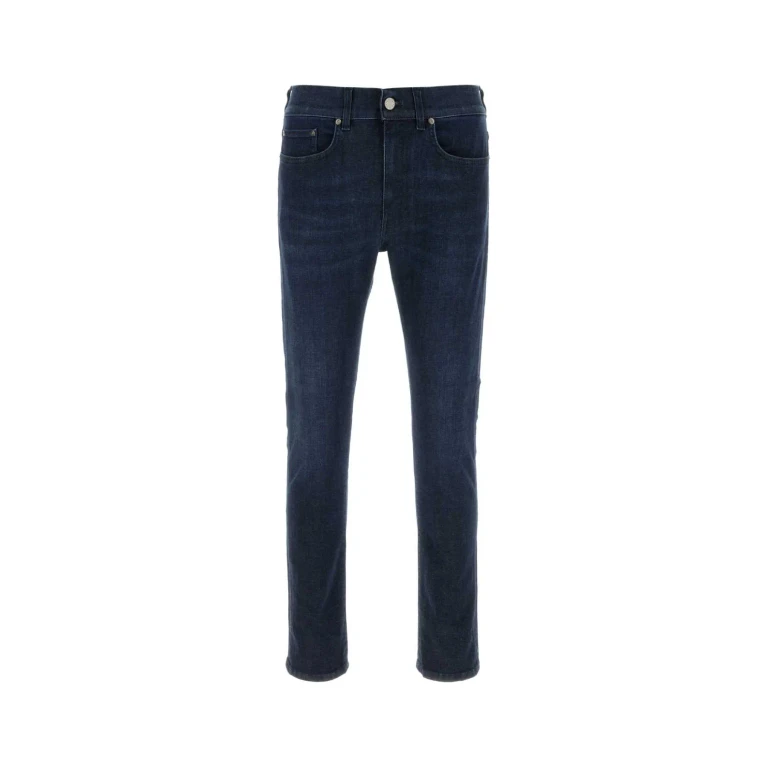
- Mostly sitting, commuting or bending. Start by trying washed stretch jeans. Check that the waistband and thighs feel comfortable when seated, rather than choosing the tightest pair you can fasten.
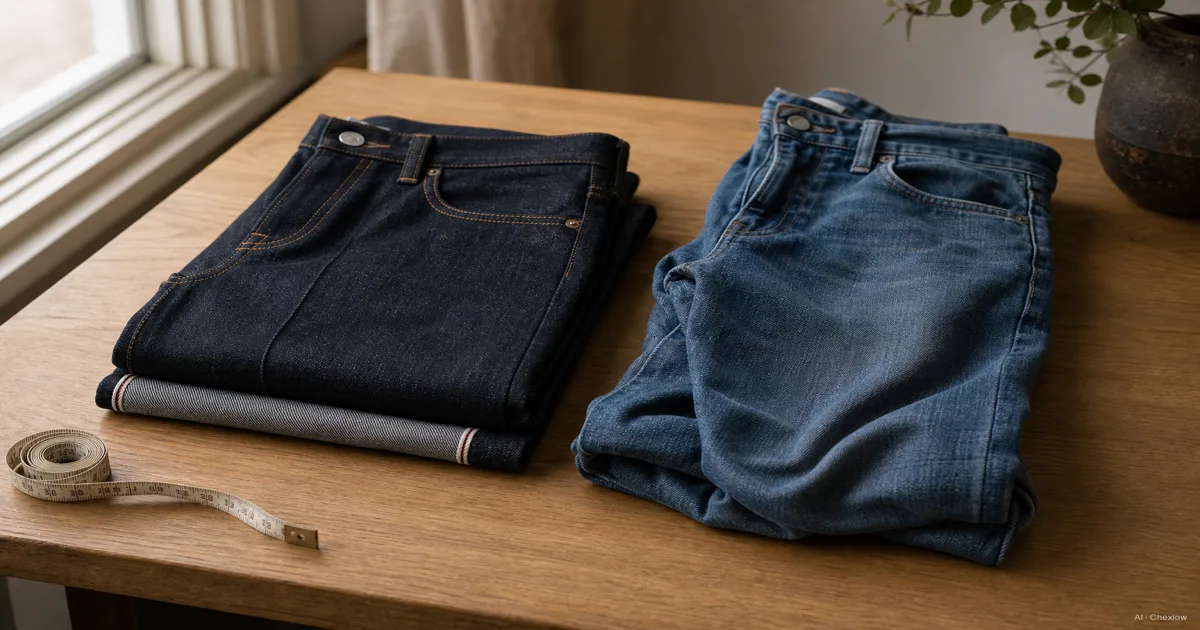
- Interested in wearing in the colour yourself. Put raw jeans on your shortlist, provided you like their initial feel and can establish the right size before buying.
- Want fades and flexibility. Include raw stretch denim. Naked & Famous’s Stretch Selvedge is a documented example with 2% elastane and raw-denim fading potential. Those features can coexist. Fabric details.
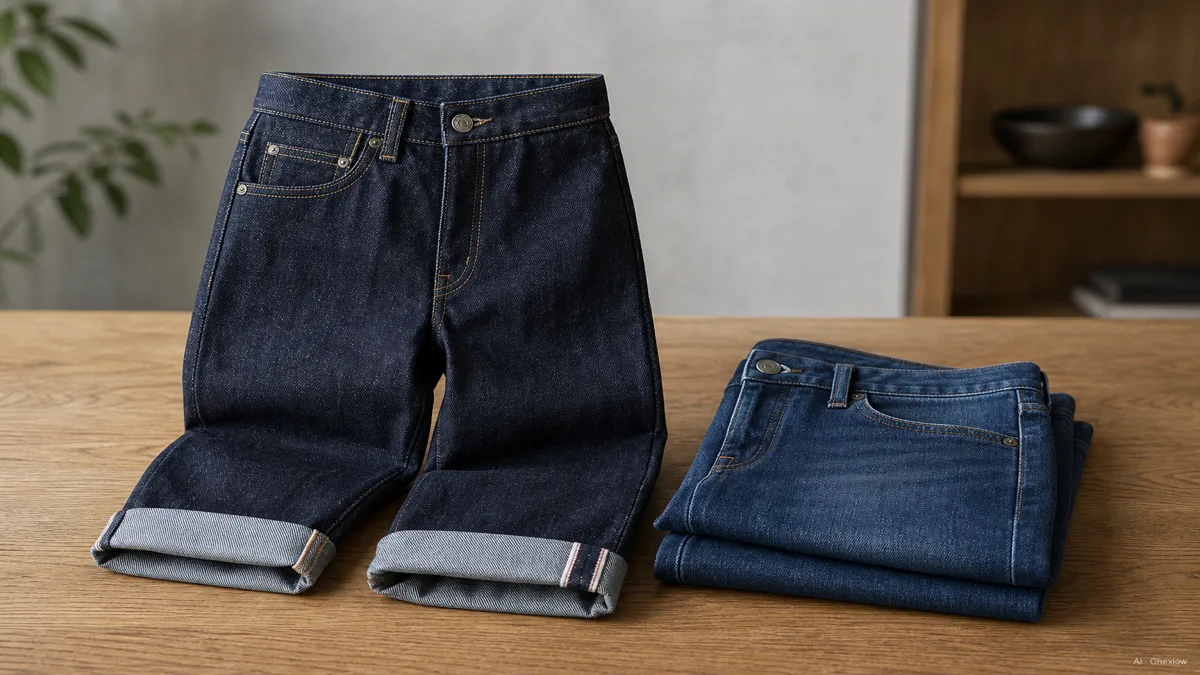
Use that shortlist to choose what to try, not to decide your size. A useful fitting-room check is to sit, walk and bend your knees. If you need future stretching to make the pair tolerable, try another size or cut before committing.
Read the finish and composition separately
Raw means unwashed; it does not mean untreated in every respect. Sanforization is a mechanical preshrinking process, and raw denim can be sanforized. Selvedge describes the woven edge, not whether the jeans are washed or stretchy. Naked & Famous’s terminology guide.
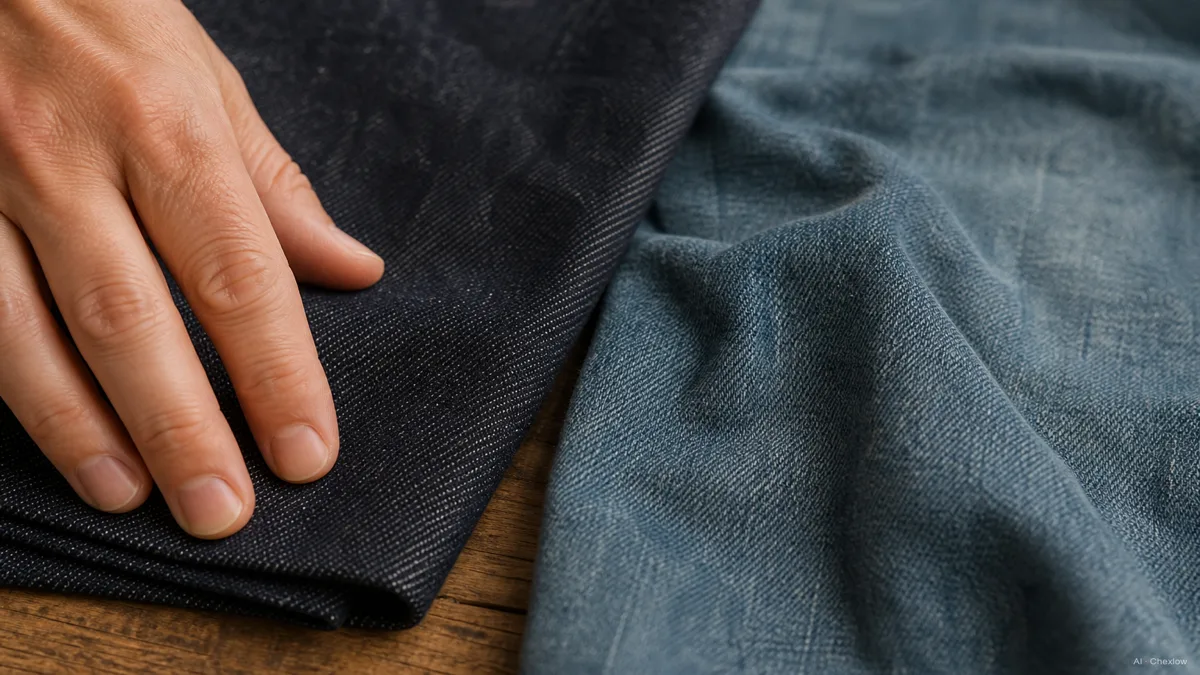
On each product page, find the wash or finish, fibre composition and shrinkage instructions separately. Do not let a dark colour or a selvedge label answer all three questions for you.
You need not choose stretch simply to avoid raw denim. ASKET’s Regular Jeans, for example, use 100% cotton across several washes. A washed cotton pair is another option to try if you prefer fabric without added stretch. ASKET’s fit and wash guide.
If raw is your preferred direction but the processing terms are still unclear, continue with selvedge, sanforized and one-wash explained.
Establish the size before shortening the legs
Shrinkage is not a reason to automatically size down. Levi’s makes its Shrink-to-Fit jeans without preshrinking and gives different sizing advice according to the intended washing and drying method. Follow the instructions for the actual fabric and finish you are buying. Levi’s sizing guidance.
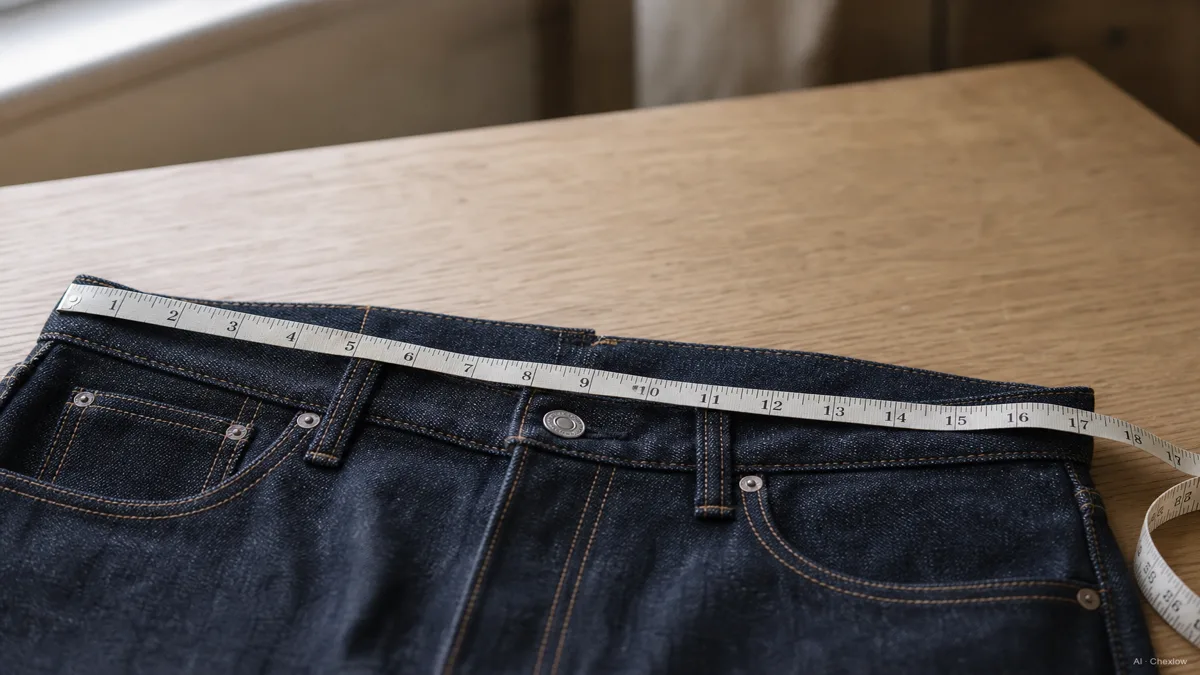
- Measure a reference pair. Use a measuring tape you already own and jeans that fit well. Match the seller’s measurement method; Naked & Famous doubles the flat waistband width to obtain its circumference.
- Compare more than the waist. Check front rise, thigh and inseam too. These are separate measurements in the brand’s measuring guide.
- Resolve missing information. Ask whether the chart describes the jeans as sold or after washing, and what shrinkage the maker expects. If the answer is unclear, postpone the purchase rather than guessing a size adjustment.
Before requesting a hem, establish the expected washed length. ASKET specifically warns of length loss in its raw jeans, so the waistband alone is not enough to judge the outcome. ASKET’s care guidance. Once the length is settled, compare chain-stitch and clean hems.
Decide whether the upkeep suits you
Raw indigo can transfer onto lighter surfaces. Think about the shoes, clothing and seats it will touch before choosing it as your everyday pair. ASKET’s dye-transfer advice.
A washed pair is not frozen in its factory finish either: ASKET notes that its washed blue and grey denim continues to fade. Choose a starting appearance you like, rather than expecting either category to stay unchanged. ASKET’s wash guide.
Treat washing as part of ownership, not a test of commitment. ASKET explains that accumulated sweat, oil and dirt can damage cotton; follow the garment’s care instructions when cleaning is needed. Care guidance.
For a first purchase, favour the pair that passes your movement check and has clear sizing and care information. Choose raw because you want the experience of wearing it, not because you expect discomfort to prove its quality.
How this guide was built
Written by AI for Chexlow, using manufacturer material descriptions, measurement instructions and care guidance from Naked & Famous Denim, Levi’s and ASKET. This guide turns those sources into a first-purchase comparison; its fitting-room checks and selection priorities are editorial advice, not results from product wear testing.
Edited by the Chexlow team · Images are AI-generated illustrations