

Full-zip vs. half-zip vs. pullover — which configuration for which use
The zip configuration affects two things: ventilation during activity, and how the jacket layers under a shell or over other pieces.
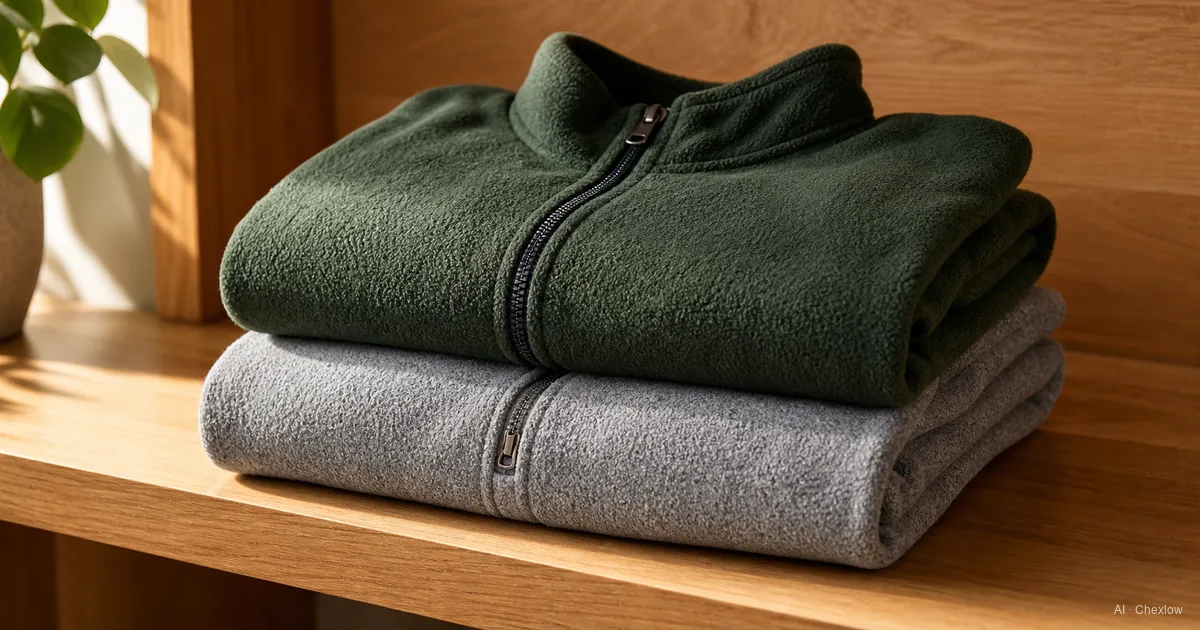
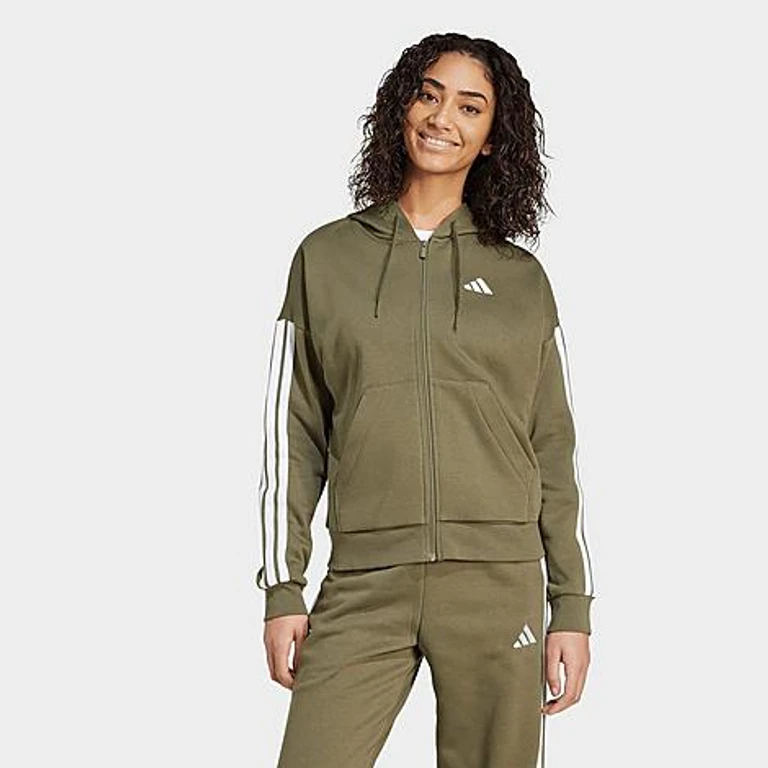
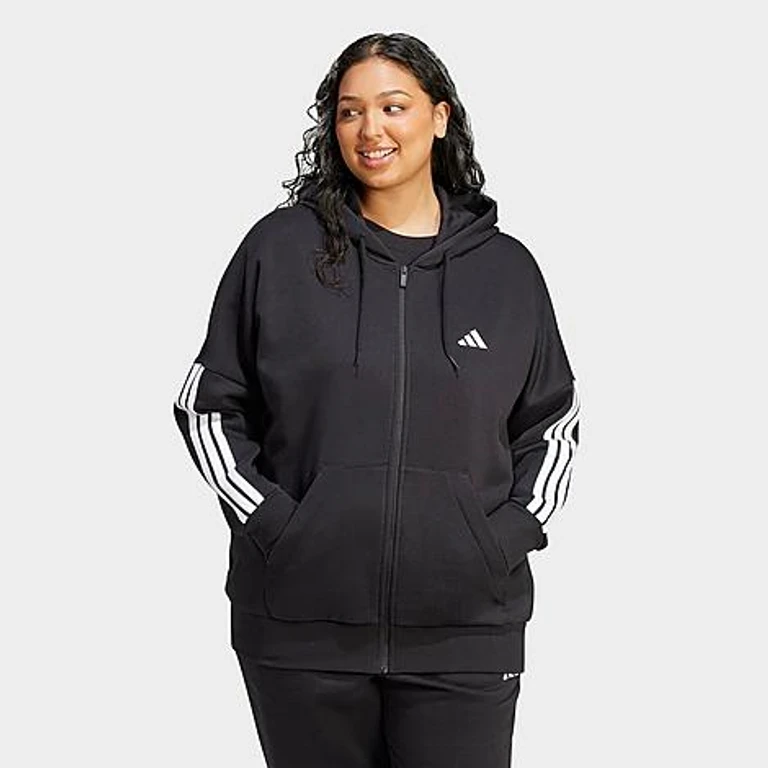
A full-zip is the most versatile configuration. You can open it fully to vent heat during a hard effort, close it completely for maximum warmth, or wear it open like a cardigan as a casual layer. Under a shell, the full-zip lets you add or remove the fleece quickly at a rest stop without taking off your outer layer. This makes it the best choice if you plan to use the fleece for hiking, biking, or any activity where you are alternating between effort and rest (REI Co-op, Fleece Buying Guide).
A half-zip (the zipper stops at mid-chest) is warmer than a full-zip in cold conditions because there are fewer seams and less zipper tape through which heat can escape. It is excellent for steady-pace cold-weather activities — Nordic skiing, winter running, or long cold-day walks — where you want consistent coverage but occasional ventilation from the neck. The limitation: it does not layer as cleanly under a shell, and you cannot remove it quickly in the field without removing your outer layer first.
A pullover with no zipper is the warmest of the three configurations and typically the lightest and least expensive, since zippers add weight and cost. It is the choice for campsite layering, sitting in a cold room, or sedentary cold-weather use where you are not generating enough body heat to need ventilation. The limitation is the same as the half-zip: difficult to layer under a fitted outer shell, and no ventilation control.
For a first fleece intended to cover daily use and occasional outdoor use, a mid-weight full-zip is the right starting point for most people.
Fleece weight — what 100, 200, and 300 actually mean
The numbers on fleece weight labels refer to grams of fabric per square meter of finished textile. This is not the total weight of the garment; it is the density of the fabric. A higher number means more fiber, which means more warmth, more weight, and less compressibility.
100-weight fleece is thin and light — often used for base layers or liner gloves rather than outerwear. As a standalone outer in temperatures below about 10°C (50°F), it is not warm enough for most people. As a mid-layer between a base layer and a shell, it adds a small amount of warmth and helps wick moisture away from the skin without adding bulk. If you are buying a fleece specifically as an outer layer, 100-weight is usually the wrong choice.
200-weight fleece is the standard mid-layer weight and the most common weight for fleece jackets. It is warm enough to wear as a standalone outer in temperatures down to about 5–10°C (40–50°F) for most people in low-wind conditions, and works well as a mid-layer under a shell in colder conditions. This is the right weight for a first fleece if your intention is an all-around jacket (Outdoor Gear Lab, Fleece Jacket Review).
300-weight fleece is heavy and warm — appropriate as a standalone outer in temperatures below 5°C (40°F) or as a substitute for a down vest in very cold sedentary situations. It is too warm for vigorous activity except in sub-freezing conditions, too bulky to layer cleanly under most fitted shells, and too heavy to carry as a backup layer in a pack. It suits people who are primarily sedentary in the cold — working outdoors, watching sport, commuting in a very cold climate.
Mid-layer vs. standalone outer — fit is the difference
The same 200-weight full-zip fleece can function as a standalone outer layer or as a mid-layer under a shell. Which it does depends almost entirely on fit.
A fleece cut for use as a mid-layer has a trim, close-to-body profile — enough room to layer over a base layer or light long sleeve, but narrow enough that a fitted shell can go over the top without bunching or restricting arm movement. The sleeves are typically set low (to allow arm mobility under a shell), and the hem is straight and falls at the hip (Patagonia, How to Layer).
A fleece worn primarily as a standalone outer can have a more relaxed fit — some extra room across the chest, a slightly dropped shoulder, a longer hem. This cut does not layer as cleanly under a fitted shell because the extra fabric bunches at the torso, but it is more comfortable as a single layer.
If you are buying one fleece to do both jobs, size up from your standard size by one. Buy based on your shirt size in a trim-fit fleece from a brand known for performance cuts, and the fit will layer cleanly under most shells while still being comfortable on its own.
A fit that is too tight over a base layer is the most common first-fleece sizing mistake. Test with the intended base layer at the store or order both and test at home.
Brand-agnostic quality signals to look for
You do not need to buy a recognizable outdoor brand to get a durable, useful fleece. But there are a few construction details that separate a fleece likely to last from one that will pill badly and thin out after six months of use.
- Anti-pilling face treatment. Most better fleece fabrics use a shearing or treatment process on the outer face to flatten loose fiber ends and reduce surface pilling. This is sometimes called "low-pill" or "anti-pill" fleece. It is worth the small premium over basic untreated fleece if you plan to wear the jacket frequently (REI Co-op, Fleece Buying Guide).
- Flatlock or bound seams. Cheaper fleece jackets use raw-edge seam construction. Better ones use flatlock seams (which lie flat rather than standing up) or bound seams (which are folded and stitched). Both are more comfortable against skin and more resistant to delamination after washing.
- Zipper quality. YKK and SBS zippers are the two most common reliable zipper brands. A zipper that feels smooth and stays aligned after fifty openings and closings is a positive sign. A zipper that feels stiff, skips teeth, or needs to be held at the base to start correctly is a sign of a cheaper component that will fail.
- Recycled polyester. A functional rather than purely marketing distinction — fabrics made from recycled PET bottles go through a similar manufacturing process to virgin polyester and tend to perform comparably at equivalent weights. It is not a quality signal per se, but it is not a downgrade from virgin polyester either.
When fleece is enough vs. when you need a shell
Fleece insulates but does not block wind or repel rain. This is the functional limit of fleece as an outer layer, and understanding it prevents the main disappointment people have with fleece jackets.
In dry, calm conditions: a 200-weight full-zip fleece is genuinely warm enough for most people in temperatures down to about 5°C (41°F). It breathes well during moderate activity and blocks enough cold air when stationary. In these conditions, fleece alone is excellent.
In wind: a fleece is dramatically less effective as soon as there is significant wind. Fleece is an open-structure fabric — air passes through it readily, carrying heat with it. A light windshell — even an uninsulated nylon jacket — worn over the fleece creates the warm, comfortable combination that a fleece jacket alone cannot achieve in a breeze. If you are primarily outdoors in conditions with frequent wind, plan for a shell from the start.
In rain: fleece has almost no water resistance. It wets out quickly, and a wet fleece loses most of its insulating value. Some fleece fabrics carry a DWR (durable water repellent) treatment that repels light drizzle for a short time, but this is not reliable protection in real rain. If you need rain protection, you need a waterproof or water-resistant outer shell. A hardshell over a fleece mid-layer is the standard cold-wet combination for outdoor use (Outdoor Research, Layering Guide).
Sources
- Fleece Buying Guide, REI Co-op — zip configuration, weight explained, anti-pill treatment
- Best Fleece Jacket, Outdoor Gear Lab — weight performance, layering fit, use-case breakdown
- How to Layer, Patagonia — mid-layer fit, shell compatibility
- Layering Guide, Outdoor Research — when fleece is enough, wind and rain limitations